
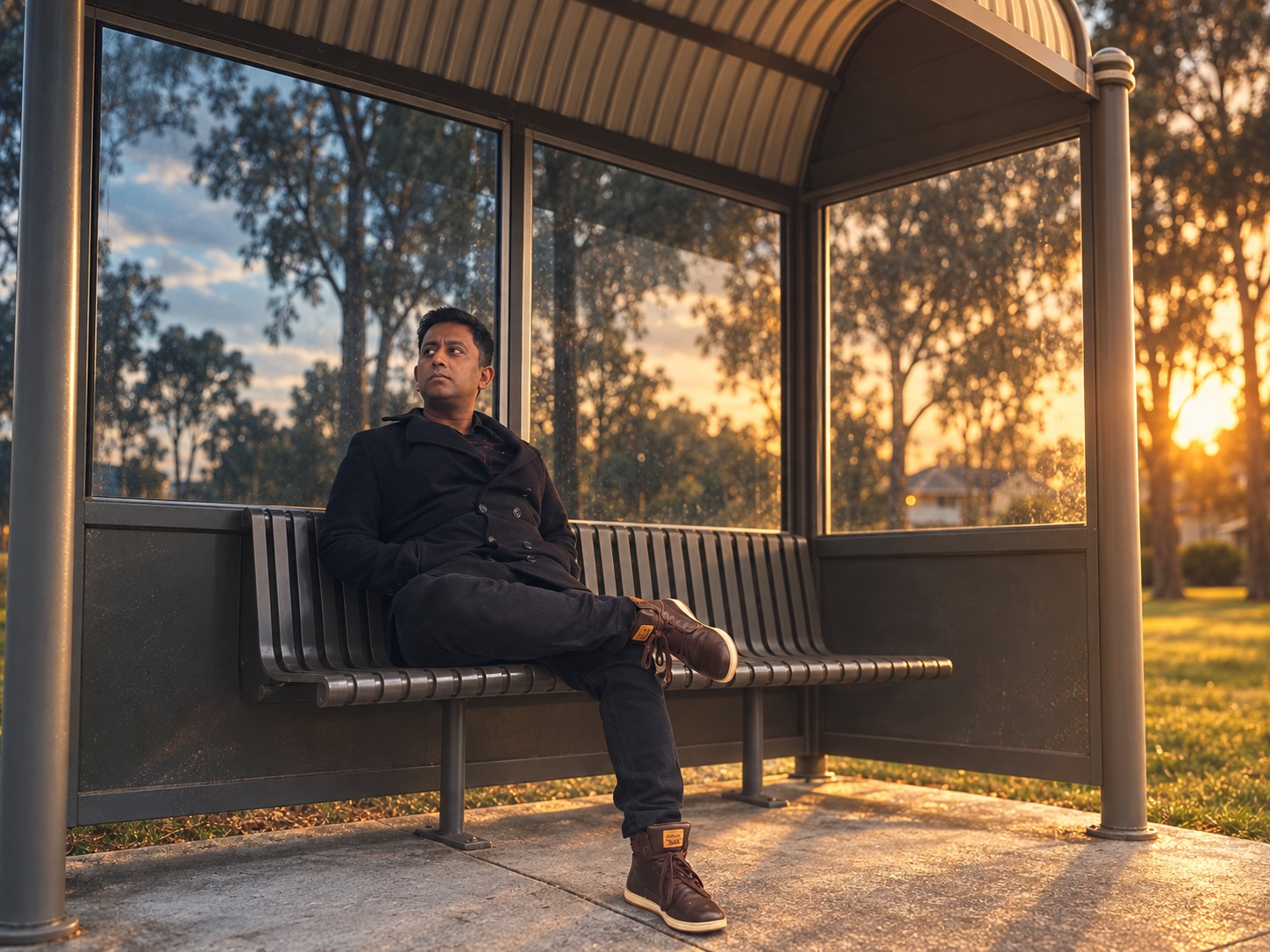
Hello everyone, it’s your host Oliver from DULAXI, and today I’m delighted to be joined by Roger K, an independent Australian artist, songwriter and producer based in Melbourne, whose music moves across contemporary styles while remaining grounded in personal storytelling and emotional expression. With more than 15 years of live performance experience and over 150 shows behind him, Roger K has gradually developed his own musical identity as a solo artist, exploring different moods, sounds and perspectives through his releases. Today, we’re discussing two of his songs, Alter Ego and A Little Better, which explore contrasting but closely connected aspects of the human experience. Released on November 16, 2026, A Little Better brings a warm, understated lo-fi R&B approach to themes of gratitude, companionship and everyday connection.
Before we begin our conversation with Roger K, here’s what you need to know about today’s featured project.
About Roger K
Roger K’s musical journey has been shaped by a diverse background that includes Sri Lankan music, classic songs spanning generations and contemporary sounds. Before developing his solo catalogue, he spent years performing with his Sri Lankan band Mystery, entertaining audiences across Australia’s eastern seaboard, including regular crowds of more than 300 and a memorable performance during the AFL Multicultural Round in front of approximately 10,000 people. These experiences helped shape his understanding of musical connection, audience engagement and the importance of memorable songwriting. While his work with Mystery continues to hold a place in his musical life, his solo career has given him the freedom to explore his own experiences, develop original sounds and create music that reflects his personal perspective.
His solo catalogue moves across R&B, hip-hop, soul, house, garage, Afrobeats, reggae, reggaeton and other contemporary styles, with songwriting and emotional expression serving as the common thread. Alter Ego explores the complexities of identity, self-protection and vulnerability, examining the different versions of ourselves we sometimes present to the world. Through its dance-oriented musical direction and reflective subject matter, the song brings together movement and introspection, revealing how personal storytelling can exist within energetic contemporary production. The track also represents an important step in Roger K’s development as a solo artist, demonstrating his willingness to explore psychological themes while remaining connected to the musical styles he enjoys.
With A Little Better, Roger K takes a more understated approach, focusing on gratitude, companionship and the importance of appreciating the people around us during increasingly divisive times. Produced in his home studio, the track incorporates organic foley and field recordings, including sounds captured during walks along the Dandenong trails, alongside carefully layered instrumentation and background vocals. Inspired in part by the warmth and restraint of Lofi Bliss Cafe’s Applewood Smoked, which he encountered through his RogerKReacts channel, Roger set out to develop an intimate atmosphere that would eventually open into a fuller, groovier R&B arrangement. The song was envisioned for relaxed gatherings, barbecues, dinners and those familiar moments spent enjoying the company of friends without the pressure of being anywhere else.
Beyond his music, Roger K also runs RogerKReacts, a platform through which he discovers and supports independent artists. His first year as a solo artist brought more than 200,000 streams across platforms, alongside international radio exposure and recognition from publications including EARMILK, Music-Alive and LA Note. Taking an active role in songwriting, recording, production and visual direction, he continues to build a catalogue shaped by creative independence and a desire to connect with listeners through different musical experiences.
Having this brief introduction to today’s featured project, I’m sure both new listeners and longtime fans are excited to hear directly from Roger K. So, without further ado, let’s begin today’s interview.
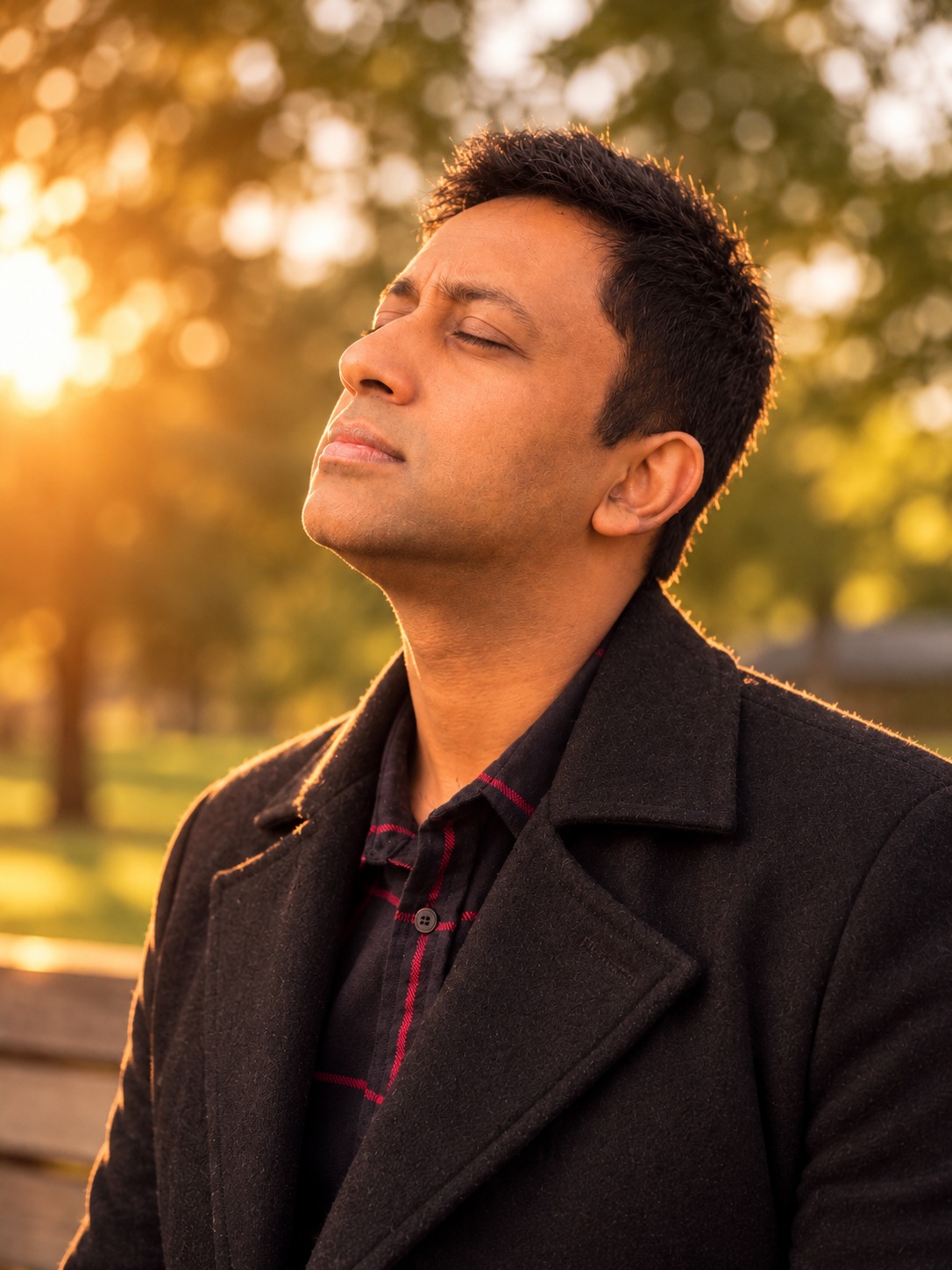
INTERVIEW SESSION
Oliver:
You have spent more than 15 years performing across Australia, including over 150 shows with your Sri Lankan band Mystery. When you look back at that period, from performing for regular audiences to appearing at major events such as the AFL multicultural round, which experiences have had the greatest influence on the person and musician you have become?
Roger K:
Playing the AFL Multicultural Round was incredible. Getting that prime-time television exposure and seeing 10,000 people, kids, mums, dads, all dancing in the sunshine to covers we loved playing was a massive thrill. At the same time, from up there on a huge stage, everyone looks so small and you don’t really get to interact with them. As amazing as the big stages are, the gigs that I love the most were the intimate local ones where you play a set, grab some food with the crowd during the break, actually talk to people, and then get back up on stage covered in sweat to dance the night away together. I’m still working toward debuting my solo music live, and carrying that spirit of closeness into those shows is a huge priority.
Oliver:
After spending so much time performing with Mystery, you began developing your own identity as a solo artist. What did you feel was missing from your earlier musical experiences that you wanted to explore through your individual work?
Roger K:
With Mystery, our job was to bring high energy and unite a room through familiar songs people already loved. I learned so much from the band including about Sri Lankan music, which is percussively a heavy influence on my music now. As fulfilling as that was, I reached a point where I needed to say something that came purely from my own lived experience—the internal conversations, the vulnerabilities, and the specific sonic moods running through my head that you can’t really explore in a traditional live cover band setup. Going solo gave me the space to step away from the stage persona and build worlds from scratch in my own studio. Still love the band and perform when I’m needed, as per the previous response, the live work definitely helps me still stay connected.
Oliver:
Your musical background brings together Sri Lankan music, classic songs from earlier generations and contemporary styles. How have these different musical experiences shaped your understanding of what makes a song memorable and emotionally meaningful?
Roger K:
Growing up around Sri Lankan music, older classics, and modern records taught me that a great song doesn’t rely on production tricks. Classic songwriting showed me how a simple, well-crafted melody can stick with someone for decades, while Sri Lankan rhythms gave me a deep appreciation for percussion and movement. No matter what era or style a track comes from, if the feeling behind it is real, people will connect with it.
Oliver:
You have spoken about approaching music through moods rather than genres. With your catalogue moving between house, garage, Afrobeats, R&B and other styles, what does creative freedom mean to you, and how do you make sure your music still carries a recognisable Roger K identity?
Roger K:
To me, creative freedom means letting the emotion of the song dictate the direction. And sometimes the sonic palate I’m crafting doesn’t suit the lyrics, but other times it does (or like with Didn’t Know I was running out of time, it doesn’t exactly suit it but it creates a dissonance worth listening to!). Some feelings belong on a late-night UK garage beat, while others need a warm, stripped-back R&B groove. The thread that keeps it recognisably me is my vocal tone, my phrasing, and the way I structure songs. Most of the time I want a song to arrive, leave an impression, and make you want to hit replay immediately, regardless of what tempo or genre it sits in. But there are a couple of songs in there which tell longer and deeper stories.
Oliver:
In Alter Ego, you explore identity and the different masks people wear. What first drew you to this subject, and was there a particular personal observation or experience that made you want to turn it into a song?
Roger K:
Alter Ego actually grew out of two very different moments. The first was a conversation with an OH&S representative at work about “masking.” He told me something that initially jarred with me. Masking isn’t inherently bad, it’s actually a really useful tool that helps us function and navigate the world safely. Around the same time, we all observe people on the spectrum and with special needs going through their daily routines. Watching how much effort and conditioning goes into masking just to cope day-to-day and how some days they intentionally retreat from everyone just to drop the armor and be themselves really hit home. It made me reflect on my own life, especially how finding real love allowed me to shed my own armor. That brought on a strange kind of identity crisis: there’s real vulnerability in taking the mask off, and part of you longs for that protective ego to come back so you feel “safe” again, even though you know you can never truly grow while it’s in charge.
Oliver:
The idea of an alter ego can suggest the difference between how people present themselves to the world and what they experience internally. How did you approach exploring that contrast through the song, and what aspects of human behaviour did you particularly want to bring into focus?
Roger K:
I wanted to focus on that tug-of-war between self protection and genuine growth. As humans, we build these polished, armoured versions of ourselves to avoid getting hurt or judged, and we get so comfortable inside them that authenticity actually feels like a threat. Through the lyrics, I tried to capture that exact friction while acknowledging the comfort of hiding behind your alter ego and realizing that real connection requires you to let it crack.
Oliver:
Your catalogue moves between different musical styles, and Alter Ego is part of your work within the house and garage direction. What musical choices helped you express the song’s subject, and how did you balance its musical energy with the more reflective ideas behind it?
Roger K:
UK garage and house are perfect for exploring duality because the rhythm keeps moving forward with a restless, driving energy, even when the chords underneath feel introspective or slightly melancholic. That contrast mirrors what masking feels like in real life. On the surface, everything is moving along smoothly and keeping pace with the world, while underneath there’s a deeper, heavier emotional current running through it. Keeping the arrangement tight and punchy helped maintain that tension without letting it get overly dramatic.
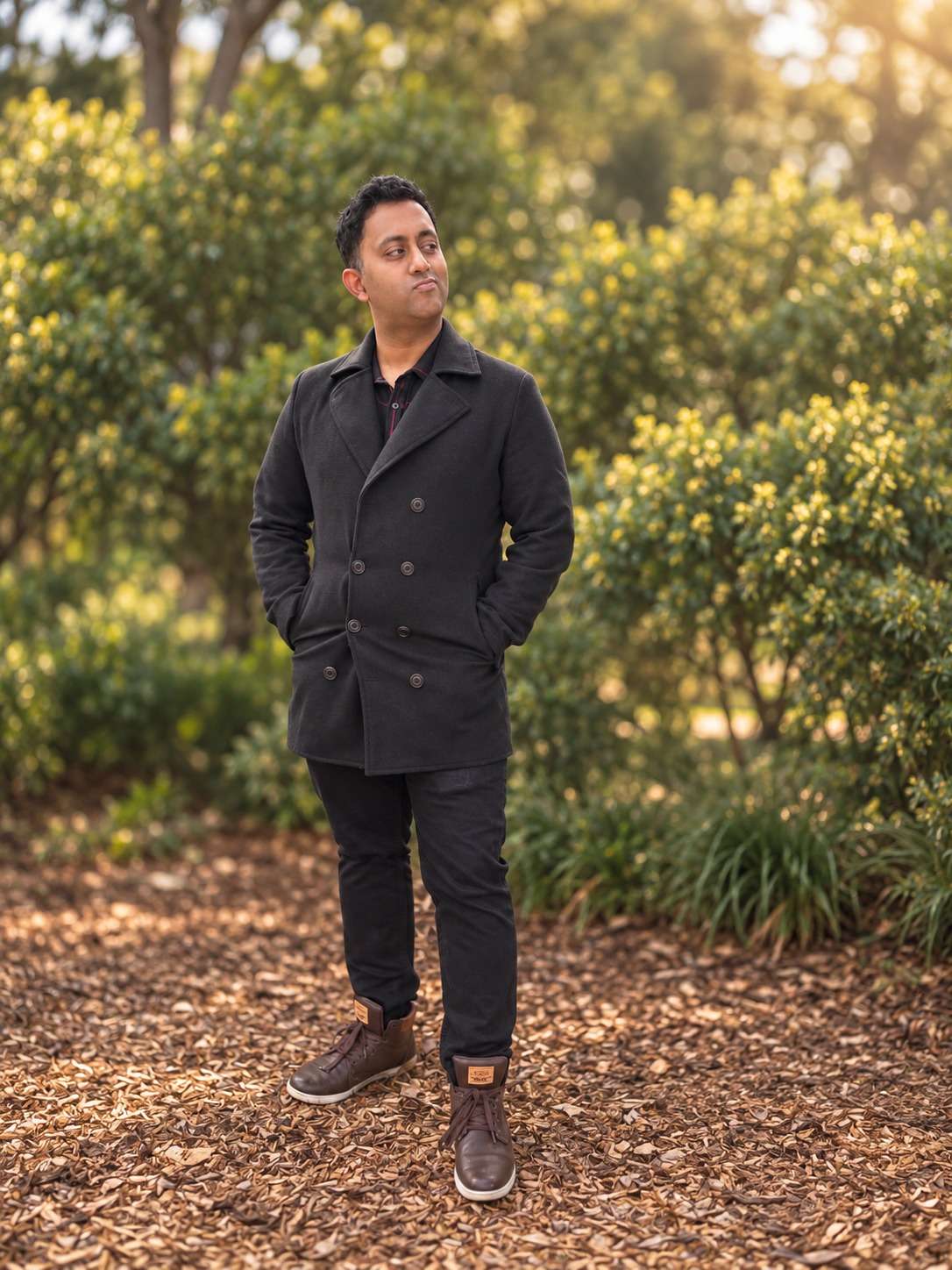
Oliver:
When you consider Alter Ego alongside your other releases, what place does the song hold in your development as a solo artist? Did creating it reveal anything about the kind of subjects or sounds you wanted to explore more deeply?
Roger K:
Alter Ego was a big turning point because it proved I didn’t have to choose between making music people can move to and writing about genuine psychological vulnerability. It showed me that dance oriented genres like house and garage can hold deeply personal storytelling if you strip away the excess and let the emotion sit right in the pocket.
Oliver:
Moving to A Little Better, the song takes a warmer and more understated approach, focusing on connection, gratitude and the everyday moments that make life worthwhile. What inspired you to explore these themes, particularly during a period when social and political divisions can make genuine human connection feel increasingly important?
Roger K:
This past year has felt noticeably more divisive. Between social media algorithms pulling people into echo chambers, ongoing debates around the ethics and environmental cost of AI, cost of living pressures, and major elections, it feels like everyone is constantly being pushed into opposing camps. Writing with the end of the year in mind, I kept thinking about how sad it would be to sit across from someone you care about; or avoid seeing them altogether because of a political or policy disagreement. We’re always going to have debates, and we should, but at some point we have to come back together to actually move forward. I wanted to write a song rooted in appreciation, because when you really stop and look at the people in your life, the world genuinely is a little better with them in it.
Oliver:
The title A Little Better suggests that even small moments of appreciation or kindness can make a difference in people’s lives. What does that idea mean to you personally, and how did you translate it into the song’s message?
Roger K:
For me, it’s a reminder that care doesn’t have to be some grand gesture. It’s usually just showing up, listening, and letting someone know they matter to you. In the song, I kept the language conversational and direct, almost like a personal note to the listener, so it felt less like a big statement and more like an honest thank-you in the middle of a noisy year.
Oliver:
You imagined A Little Better being played during relaxed gatherings, barbecues, fishing trips or evenings with close friends. How did these familiar social settings influence the atmosphere you wanted to create, and why was it important that the song felt connected to everyday experiences?
Roger K:
Those moments where all the noise from the outside world drops away and people actually talk to each other properly; that’s secretly what we long for. If I wanted the song to fit naturally into a backyard barbecue or a quiet evening with friends, it couldn’t sound over produced or demanding. It needed warmth, breathing room, and an easygoing groove that feels like it belongs in the background of real life rather than trying to dominate the room. The song isn’t pretending to be the biggest song of the day, it’s trying to be the life of the party before the party starts 😊
Oliver:
One distinctive element of A Little Better is the use of organic foley and field recordings captured during walks along the Dandenong trails. What was your experience of collecting these sounds, and how did you decide which natural details could become part of the musical arrangement?
Roger K:
Walking the Dandenong trails is where I clear my head, so bringing a recorder along felt like a natural extension of my routine. The wetlands are a natural place to capture some noises, and walking through Jells Park as a local it’s very easy to find people next to a BBQ. I paired that with online free sounds where I was missing some from field recordings along with my own foley set to craft the entire mood. I treated them like percussion and room tone—choosing only the textures that added subtle warmth and physical space without cluttering the groove.
Oliver:
You were drawn to the understated warmth of Lofi Bliss Cafe’s Applewood Smoked after encountering it through your RogerKReacts channel. How did that listening experience influence your thinking about A Little Better, and what steps did you take to develop an atmosphere that remained recognisably your own?
Roger K:
Hearing Applewood Smoked by Lofi Bliss Café reminded me how powerful restraint can be when a track leans into warmth and texture instead of volume, it pulls the listener closer. That pushed me to strip back my own instincts and let space do more of the heavy lifting on A Little Better. To make sure it stayed unmistakably mine, I anchored that gentle atmosphere with my own vocal storytelling and shifted the arrangement into an R&B pocket that reflects my melodic roots.
Oliver:
The arrangement of A Little Better begins with an intimate, acoustic atmosphere before opening into a fuller, groovier R&B direction. How did you develop that transition, and what did you want listeners to experience as the song moves between those contrasting moods?
Roger K:
It was a little bit of trial and error. I tried at first with some drum beats but to me it naturally fell flat, without it opening into something bigger. I wanted the opening to feel like someone sitting right across from you, speaking honestly with zero barriers. As the track then opens up into that warmer R&B groove, it mirrors the feeling of stepping out of your own head and into shared company, and like now we are in the party, sitting on the deck with a beer with your friend, or it’s time to bounce a little. The relief hits, you feel lifted when you’re around people who ground you.
Oliver:
Looking at Alter Ego and A Little Better together, the two songs explore quite different aspects of human experience: one examines identity and the masks people wear, while the other focuses on gratitude and connection. What connects these ideas in your mind, and what do they reveal about the subjects you are increasingly drawn to as a songwriter?
Roger K:
Alter Ego is about the self. It’s about the armor we put on to survive in a world which isn’t built 100% perfectly for us. The irony with this is? A Little Better uncovers the exact opposite, it says that a world in silence is a world without gratitude and connection, and that we feel safe when we can genuinely appreciate the people around us. As a songwriter, I’m increasingly drawn to our own psychology of how we protect ourselves versus how we let people in.
Oliver:
You take an active role in songwriting, recording, production and the visual direction of your releases. How do you approach building a complete identity around a song, and how important is it that the visuals and presentation communicate the same feeling as the music itself?
Roger K:
For me, the visuals have to come from the exact same emotional place as the track, which is why the visual worlds for these two songs are completely different. For Alter Ego, I went with a very stripped-back animation built around the idea of “perfect circles”—representing how society expects everyone to operate identically—and watching that circle crack open to reveal the true, imperfect shapes underneath when real love enters the picture, showing that even when those shapes are ridiculed, they’re stronger together. For A Little Better, I put down the animation and any digital tools completely, grabbed my phone, and just went for a walk through Melbourne, Dandenong, and the city. It’s so beautiful out here, and it felt like the most honest way to show gratitude was simply to walk, sing directly into the lens, and speak straight to the listener—because with you here, things really are a little better.
Oliver:
You have accumulated more than 200,000 streams during your first year as a solo artist and received recognition from international publications, including EARMILK, Music-Alive and LA Note. How have these milestones influenced your confidence and ambitions, and what have you learned about connecting with listeners across different countries and musical markets?
Roger K:
When you’re making music in your own space, you never really know if the feelings you’re putting into a track will translate outside your own walls. Crossing 200,000 streams in my first year and seeing outlets like EARMILK, Music-Alive, and LA Note connect with the records gave me massive validation that my tracks can and do resonate. As an indie artist though I think it’s also important to put out there not all of our songs are going to be heaters. I don’t think the expectation on indie artist should be banger after banger. It should be connection after connection; we should feel connected to our work because it is a piece of ourselves or our thoughts we share with the world. But absolutely, all the press coverage taught me that whether someone is listening in Melbourne, London, or Los Angeles, Brazil or South Africa or South America, people are looking for the same thing: music that feels human.

Oliver:
Alongside your own releases, you run RogerKReacts to discover and provide feedback on independent artists. Looking ahead, how would you like to develop both sides of your musical work, and what kind of artistic legacy or contribution would you ultimately like to build through your music and your involvement in the independent music community?
Roger K:
I want both sides to keep feeding each other. On the artist side, I’m focused on continuing to release honest, focused records, whether short and punchy or longer-form when a story calls for it and eventually bringing this solo catalogue onto the live stage so I can build that same face to face connection I loved during my band years. With RogerKReacts, I want to keep championing independent artists who are putting real craft and heart into their work. When it comes to AI – I don’t mind it as long as it’s creative or there is a genuine story behind it, not a one word Suno passout. But I do think organic artists need much more protection for their incomes than what is currently available, and that starts at the label level and what they will do.
If my legacy ends up being someone who made meaningful, emotionally honest music while genuinely lifting up other independent creators along the way and contributing to the world of music, I’ll be more than happy with that.
Roger K’s music reminds us that creative identity does not have to be confined to a single sound or subject. Between the vulnerability of Alter Ego and the quiet appreciation of A Little Better, his songwriting makes room for both the complicated work of understanding ourselves and the simple joy of being present with others.
~ Oliver (DULAXI Team)
EDITORIAL PERSPECTIVE
Roger K’s approach to songwriting reflects a willingness to move between musical styles without losing sight of the stories he wants to tell. Alter Ego and A Little Better reveal two different creative directions, yet both are rooted in an interest in human behaviour, vulnerability and connection. His attention to atmosphere, arrangement and visual storytelling also highlights the thought he puts into presenting each release as its own experience. Beyond his solo work, his commitment to supporting independent artists adds another meaningful dimension to his creative pursuits.
~ Oliver (DULAXI Team)
CLOSING
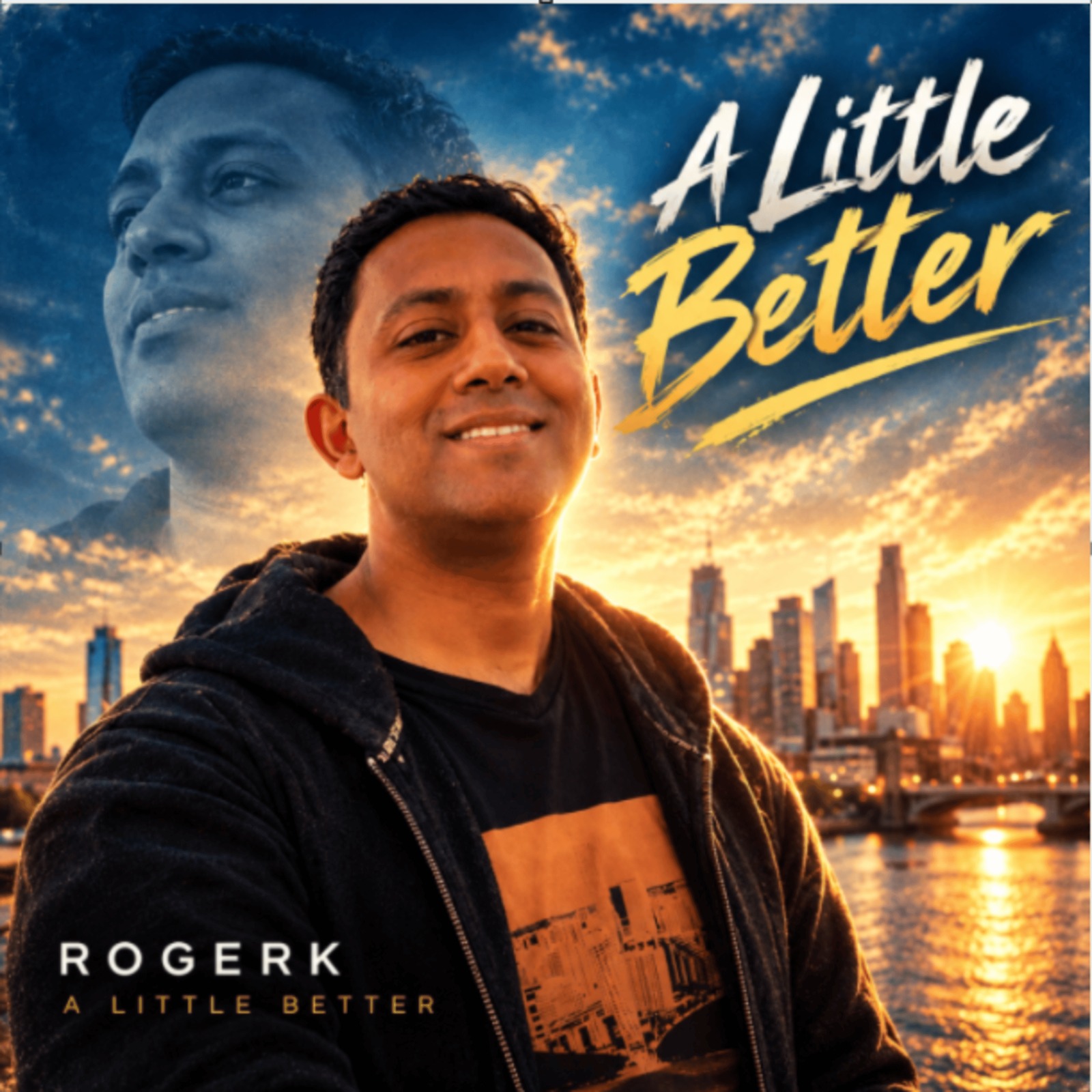
A sincere thank you to Roger K for taking the time to share the experiences, ideas and creative reflections behind Alter Ego and A Little Better. This conversation offered an insightful look into the journey from years of live performance to developing an independent musical identity, as well as the thought and intention behind two songs that explore different sides of human experience.
We encourage our readers to spend some time with both releases and discover the stories, sounds and perspectives that Roger continues to bring into his music. As he works toward bringing his solo catalogue to the live stage and continues supporting independent artists through RogerKReacts, we look forward to seeing where the next chapter takes him.
Thank you for joining Oliver and the DULAXI team for another interview. We appreciate your time and continued support, and we look forward to bringing you more conversations with artists from around the world.