

Hello everyone, it’s your host Oliver from DULAXI, and today I’m delighted to be joined by Exzenya, an independent artist and the founder of Exzenya Productions, based in the United States. Working across pop, rock, and soul, Exzenya has developed a distinctive approach to songwriting that combines personal storytelling with observations about human behaviour. Today, we’re discussing her latest original single, “Forgiven for the Last Time,” released on October 16, 2026.
Before we begin our conversation with Exzenya, here’s what you need to know about today’s featured project.
About Exzenya
Exzenya is an independent, genre-fluid artist whose songwriting explores the complexities of human relationships, personal identity, emotional attachment, and the process of finding freedom from difficult experiences. Since beginning her official release journey in 2025 with “Drunk Texting,” she has explored different musical directions, moving between pop, R&B, dark-pop, social satire, and more emotionally reflective compositions. Her creative approach is informed by her background in psychology, communication, conflict resolution, and applied behaviour analysis, alongside 20 years of professional experience working in developmental disabilities. Through Exzenya Productions, she maintains creative independence while developing music that examines the motivations and behaviours behind everyday human experiences.
Her catalogue includes releases such as “Ugly When You Love Me” and “Captivity,” alongside the concept-driven projects Story of My Life and Bar Scenes and Rumors. These works approach relationships and human behaviour from different perspectives, exploring attraction, emotional dependency, unhealthy attachments, conflict, and the consequences of personal decisions. Rather than simply documenting emotional experiences, Exzenya is interested in understanding the circumstances and patterns that produce them. She approaches songwriting as a form of storytelling, allowing characters, situations, and their psychological motivations to shape the direction of each composition.
Released on October 16, 2026, through Exzenya Productions, “Forgiven for the Last Time” is a pop/soul ballad built around piano and lead vocals. Moving at a measured tempo of 86 BPM, the single adopts a deliberately exposed arrangement that allows its narrative to develop without unnecessary instrumental distractions. The song begins with an intimate confrontation between two people, capturing the tension of a conversation that has reached an irreversible point. However, its emotional direction gradually moves away from the person responsible for the deception and towards the narrator’s own struggle with regret.
At its heart, “Forgiven for the Last Time” is about recognising that healing sometimes requires forgiving ourselves rather than waiting for another person to deserve forgiveness. Its central message develops through a gradual movement from vulnerability towards acceptance, eventually reaching a quieter sense of emotional freedom. Exzenya draws inspiration from the expressive vulnerability of Lady Gaga, the lower-register warmth associated with Elton John, and the resolve found in Christina Aguilera’s “Walk Away,” while maintaining a perspective rooted in her own storytelling. The single also forms part of a larger relationship narrative that she intends to continue exploring, with the album’s remaining chapters scheduled for release in December 2026.
Having this brief introduction to today’s featured project, I’m sure both new listeners and longtime fans are interested in hearing directly from Exzenya about the experiences, creative decisions, and ideas behind this release. So, without further ado, let’s begin today’s interview.
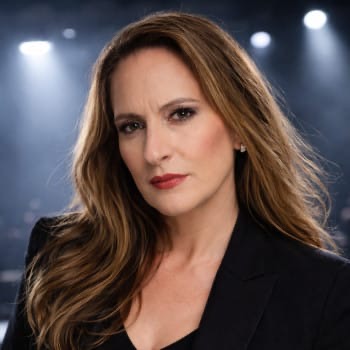
INTERVIEW SESSION
Oliver:
Over the course of your releases, you’ve explored different aspects of human relationships, including attraction, emotional dependency, deception, conflict, and the difficult process of finding a way out of unhealthy situations. Your music often approaches these subjects from the perspective of understanding why people behave the way they do. How has your own understanding of human relationships developed through your experiences as both a songwriter and an independent artist, and how has that understanding influenced the stories you now choose to tell?
Exzenya:
My understanding grew from observing patterns in real life, not just studying them. I have spent 20 years working in developmental disabilities and studied human behavior through psychology and Applied Behavior Analysis. I have always been curious about why people act, speak, and believe as they do, and how cause and effect shape their perspectives and choices. Attraction, intermittent reinforcement, feeling trapped, staying too long, and drawing family into a relationship are patterns I have seen repeat. That understanding developed long before I became an artist. Now, I turn those observations into music, creating art from my perspective.
Oliver:
You’ve built your musical identity around the idea of combining performance with confession, using songwriting to examine experiences and behaviours that people don’t always find easy to discuss openly. With your decision to work under the name Exzenya while maintaining a degree of personal privacy, how do you balance the freedom of expressing deeply personal ideas through music with the desire to keep certain parts of your private life separate from your artistic identity?
Exzenya:
My private life and observations of myself and others shape my artistic identity. Each song begins as a story, develops into poetry, and becomes music. The words and melody unfold like a film in my mind, with me inhabiting the lead character’s role. Stepping into that perspective allows me to express experiences and behaviors that are difficult to discuss openly.
Privacy means protecting the confidentiality and dignity of the person behind each story. I write in ways that make them difficult to identify, describing and naming the behavior rather than labeling the person. I tell the story honestly, without sugarcoating it or shaming, embarrassing, or glorifying anyone. When a song is about my own experience, I am open about that and express what I felt from my perspective, letting it live within the song. Keeping my legal name private helps protect both me and the people whose stories I tell.
Oliver:
Your background in psychology, communication, conflict resolution, and applied behaviour analysis offers an interesting foundation for the way you approach songwriting. Rather than simply describing an emotional experience, your songs often appear interested in examining the decisions, patterns, and circumstances that lead people into difficult situations. How has your academic and professional understanding of human behaviour influenced your approach to writing music, and do you consciously draw on that knowledge when developing a character or narrative?
Exzenya:
My background helps me recognize the patterns behind an emotional experience. Intermittent reinforcement is not a metaphor here; it describes affection given inconsistently. Reinforcement strengthens a behavior, either by adding something rewarding, such as affection, or by removing something unpleasant. Punishment reduces a behavior, either by adding something unpleasant or by taking away something rewarding. In these terms, positive and negative mean adding and removing—not good and bad. I usually keep the academic language out of my lyrics, but my understanding of conditioning shapes the story. It shifts my focus from describing confusion to examining what created it—from describing a wound to exploring the decision that kept it open.
Whether I draw on that knowledge consciously when developing a character or narrative depends on the story and the complexity of the emotions it explores.
Oliver:
Looking at your recent catalogue, Captivity explored the idea of being trapped in a difficult relationship, while Forgiven for the Last Time moves towards the possibility of releasing that emotional weight. There is an interesting connection between recognising a harmful situation and finding the strength to move beyond it. Did you always envision these two releases as connected chapters in a larger emotional story, or did that relationship become clearer as your songwriting developed?
Exzenya:
From the outset, I envisioned an album that would follow a relationship from its beginning to its end and explore life beyond it. The songs unfold in that sequence to show that a relationship’s ending is not the end of a life. I wanted to give listeners language and meaning for their experiences, remind them they are not alone, and foster a more compassionate understanding of themselves and others.
The album tells one relationship story, beginning with the primal attraction and lust of Scansion. That desire becomes the first rush of falling in love, when everything feels perfect and the other person seems to fulfill every part of you. Intermittent Love explores those feelings deteriorating, the confusion about what went wrong, and the reinforcement and punishment that begin to shape us. Captivity moves into despair: we recognize that the relationship makes us unhappy, yet feel trapped in patterns that are difficult to break. In Ugly When You Love Me, we see the person and their behavior clearly, and anger sets in. By Forgiven For The Last Time, that anger begins to fade as we look inward, stop blaming ourselves for the cycle, and find self-forgiveness and permission to heal. B!tch Please looks at who comes next for that person, knowing they are not winning a prize but inheriting heartache. I am saving the rest of the story for the album’s release in December 2026.
Oliver:
The title Forgiven for the Last Time carries an interesting distinction. It initially sounds like a declaration directed towards someone who has caused pain, but the central realisation is that the person who needs forgiveness is actually the woman telling the story. What inspired this shift in perspective, and at what point did you realise that self-forgiveness, rather than forgiving the other person, needed to become the central message of the song?
Exzenya:
After a devastating experience, we often seek someone or something to blame as a way to protect ourselves. But self-forgiveness does not mean accepting responsibility for another person’s actions. Some experiences are beyond our control and leave us feeling powerless or broken. Beneath the anger, we may question why we did not recognize what was happening, act sooner, or choose differently. Those questions can keep us stuck, especially when forgiving the person who hurt us feels impossible. For me, the turning point is realizing that we need to forgive ourselves—for what we did not know, could not see, or felt unable to do. Letting go of that self-blame creates space to heal and move forward. That is the heart of the song.
Oliver:
One of the most striking elements of the song is its portrayal of someone who stayed in a relationship longer than she should have, continued believing what she was told, and eventually realised that the consequences extended beyond the relationship itself. The involvement of family members adds another layer because the experience affects people who also placed their trust in that situation. How did you approach developing this wider emotional perspective, and what made you feel it was important to include the family dimension in the story?
Exzenya:
A serious, committed relationship extends beyond the couple to include family, friends, work, and every part of our lives. Over time, those connections become increasingly intertwined. The memories belong not just to the couple, but to a much larger family story—an entire photo album rather than a few pictures of two people. That web of shared lives helps explain why we stay, why some people never leave, and why ending a long-term relationship can be so difficult.
Oliver:
The lyric, “I chose to stay when long ago I should’ve left,” is particularly revealing because it places some responsibility on the narrator without ignoring the deception that took place. It is an uncomfortable admission, but it also creates the foundation for the song’s message about personal healing. What were you hoping listeners would understand through this line, particularly those who may look back on their own experiences and struggle with feelings of regret or self-blame?
Exzenya:
After a relationship ends, we often ask ourselves, “Why did I stay when I knew I should have left long ago?” That question carries both regret for not leaving and self-blame for staying, and it can become a painful cycle that is hard to break. I hope listeners can look back with compassion rather than punish themselves. The situation was more complicated than that question allows: love was not the only thing keeping us there. We were also thinking about everyone else our decision to leave would affect.
Oliver:
Another important lyric states, “For forgiveness is only a state within one’s own mind.” This presents forgiveness as an internal decision rather than something that depends on an apology, an explanation, or a change in the other person’s behaviour. How do you personally understand this idea, and what do you think makes self-forgiveness particularly difficult for people who feel responsible for allowing themselves to remain in painful situations?
Exzenya:
For me, forgiveness is an internal decision: we can hold on to anger and regret or choose to begin letting go. Forgiving someone who has caused us pain can sound easier in a Bible verse than it feels in real life. Self-forgiveness offers another path. By treating ourselves with compassion and kindness, we can move forward without having to forgive the other person. The pain may remain, but its grip can loosen. Giving ourselves that forgiveness allows us to put the pain behind us, begin healing, and eventually grow from the experience.
Oliver:
The opening scene is very visual: a quivering voice, two people looking directly at each other, and the understanding that an emotionally significant conversation is about to happen. It almost feels like the opening moment of a film before the audience discovers what has brought the characters to that point. When developing this scene, how much attention did you give to the visual and psychological details, and do you approach songwriting with a similar storytelling mindset to someone writing a screenplay or developing a fictional character?
Exzenya:
The opening captures the moment before the conversation begins: a quivering voice, locked eyes, and two people who know what is coming. Those details reflect how the scene lives in memory. I approach it as a screenwriter would—who is in the room, what each person knows, and what is about to be said. The rest of the song unfolds from the realization that follows that look. I see the characters moving through the scene in my mind, so I pay close attention to its visual and psychological details. In that sense, songwriting is writing the screenplay the story needs.
Oliver:
Your earlier release Drunk Texting approached a real-life incident involving your son during a Miami trip through a mixture of satire, pop, R&B, and comedy-inspired storytelling. That is quite different from the restrained emotional seriousness of Forgiven for the Last Time. What have you discovered about your songwriting abilities through moving between humour, social observation, relationship conflict, and deeply introspective subjects, and how do you decide which musical and narrative approach best serves an idea?
Exzenya:
The story determines the musical and narrative approach. My first album, Story of My Life, is more serious and emotional. My second, Bar Scenes & Rumors, which includes Drunk Texting, explores the decisions we make and the mishaps that follow. Some songs are satirical or playful because that is what their stories call for. Others, like “’Till I’m Drunk & Confused,” take a more sobering look at how we use substances to numb pain. Each song gets whatever it needs to bring the movie in my mind to life through sound.
Oliver:
Your music draws emotional inspiration from artists such as Lady Gaga and Elton John, with Forgiven for the Last Time also carrying the mature, walk-away perspective associated with Christina Aguilera’s Walk Away. These are artists who have approached vulnerability and emotional storytelling in very different ways. What qualities in their music resonate most strongly with you, and how do you take inspiration from established artists while ensuring that the final expression remains distinctly Exzenya?
Exzenya:
I connect with Gaga’s willingness to sit with the ache without turning it into triumph, Elton’s lower-register warmth, and Aguilera’s resolve to walk away without needing the other person’s agreement. My expression remains distinct because the lyrics belong to this particular story—the family, the choice to stay, and the self that needed forgiveness. Music is my soul, and I draw inspiration from many cultures, genres, and artists. Their songs unfold like films in my mind, just as my own do. But the chapters of my life carry their own experiences and meaning. I can appreciate another artist’s storytelling without adopting their persona; the perspective and expression remain my own.
Oliver:
One of the most noticeable creative decisions on this single is its stripped-back arrangement, built around piano and lead vocals at 86 BPM. Rather than relying on a large production or dramatic instrumental changes, the song allows the emotional weight of the words to guide the listener. What made you choose such an exposed arrangement, and how did you determine that adding more instrumentation might take attention away from the story you wanted to tell?
Exzenya:
I chose piano and voice because I wanted the listener to hear the emotion in the words without a larger production competing for attention. The piano supports the vocal while leaving its vulnerability exposed, especially the vibrato and quiver at the opening. The tempo needed to be felt rather than driven, giving the voice emotional support without overpowering it. For me, adding more instruments would have diluted that intimacy and weakened the story’s message. The arrangement did not need to create more drama; it needed to give the words room to tell the story.
Oliver:
The vocal performance moves through several emotional stages, beginning with fragility, gradually finding encouragement and acceptance, and eventually reaching a calmer sense of personal strength. The ending deliberately avoids the kind of explosive climax often associated with power ballads. How did you approach the vocal delivery to communicate that transformation, and what challenges did you encounter in expressing such a significant emotional change without making the performance feel overly theatrical?
Exzenya:
I let the vocal delivery follow the emotional movement of the lyrics. At the opening, the voice is fragile because the conversation is still unfolding. As the realization takes hold, that fragility gives way to encouragement and acceptance, and the voice becomes steadier. I did not want an explosive climax because the ending is not about triumph over someone else; it is a moment of clarity. The strength comes from recognizing that forgiveness can make room to put the pain to rest and begin healing. The challenge was making that change audible without turning it into a performance of power. I wanted the listener to hear the shift from vulnerability to calm resolve, not a dramatic declaration of victory.
Oliver:
You have established Exzenya Productions as your independent imprint, giving you a platform to develop and release your own material across different musical styles. Independent music-making can offer considerable creative freedom, but it also requires artists to take responsibility for many aspects of their work, from artistic direction to release planning and promotion. What has been the most valuable lesson you’ve learned from building and operating your own imprint, and how has that independence changed the way you approach your career?
Exzenya:
That’s a layered question, Oliver. Having served as CEO of several companies around the world, I am not new to running a business. What makes this venture different is how personal it is. My voice is at the center of it—I can train and develop it, but it is still my voice. That brings a vulnerability I have not experienced in the same way with my other businesses.
The most valuable lesson has been learning to balance creative freedom with financial patience. Independence lets me create and release music across styles, but it also means carrying the costs. In my previous businesses, I was accustomed to money invested returning with growth. Music has challenged that expectation: dollars spent do not necessarily translate into dollars earned, and returns can take time. The challenge is recognizing the progress I am making while remaining realistic about the costs and holding on to the joy of creating. That has changed how I approach my career. I still pay attention to the business, but I have learned to value patience and the fulfillment the music brings, not just the financial return. It has also deepened my appreciation for independent artists.
Oliver:
Your catalogue has developed across several distinct projects, including Story of My Life, Bar Scenes and Rumors, Ugly When You Love Me, and Captivity. Each explores a different aspect of relationships, social behaviour, or personal identity. Looking at these releases together, what patterns or creative discoveries have you noticed in your own writing, and is there a particular project that significantly changed your confidence in the kind of stories you could tell through music?
Exzenya:
The common thread is human behavior, even when the sound and tone are very different. Story of My Life follows the emotional chapters of a relationship, while Bar Scenes and Rumors looks at our decisions and the mishaps that follow. Captivity sits inside the feeling of knowing something is making us unhappy but being unable to leave. Ugly When You Love Me moves into the clarity and anger of finally seeing the person and their behavior. What I notice is that I am not simply writing about an emotion; I am exploring what led to it, what keeps us there, and what changes when we begin to see it differently.
Forgiven for the Last Time brings that exploration inward. The question is no longer only what the other person did, but how we stop punishing ourselves for what we did not know or felt unable to do. For me, that is where the confidence comes from: recognizing that a story does not have to end in anger or a dramatic victory to have something powerful to say. It can end with self-forgiveness and permission to begin healing. Across these projects, I keep returning to the same approach—let the story determine the sound and let each chapter be honest about what it holds.
Oliver:
One of the interesting things about Forgiven for the Last Time is that its message could connect with people who have experienced very different situations, not necessarily romantic relationships. The idea of regretting past decisions, questioning your judgement, and eventually learning to show yourself compassion is something many people can recognise. Since sharing this single with listeners, what kinds of reactions or conversations have stood out to you, and have any responses revealed interpretations of the song that you hadn’t originally considered?
Exzenya:
What has stood out most is the number of “Amens” I have received from listeners around the world. To me, those responses suggest that people feel seen, heard, and understood. The song tells a particular relationship story, but the question underneath it—how do I stop blaming myself for what I did not know or felt unable to do?—is not limited to romance. I would not want to assume what each listener’s experience has been, but that recognition is meaningful to me. My hope is that they hear more than the pain in the story; they hear permission to show themselves compassion.
Oliver:
You’ve moved through several creative directions since beginning your official release run in 2025, developing a catalogue that includes relationship-focused storytelling, darker pop, social satire, and emotionally exposed ballads. With each release adding another perspective to your artistic identity, what areas of your musicianship do you feel have grown the most, and what aspects of your craft are you currently challenging yourself to improve?
Exzenya:
I see my growth in how I connect the story, the sound, and the performance. Moving between satire, darker material, and exposed ballads has reinforced that I do not need to approach every song in the same way. Each one is a different scene, and my job is to understand what that scene needs. Sometimes it needs humor and movement; sometimes it needs the vulnerability of piano and voice. For me, the growth is in trusting those differences rather than trying to make every story fit one musical identity.
What I want to keep refining is how clearly I communicate the emotion without overexplaining it or making the performance larger than the story. Forgiven for the Last Time is a good example: the voice needs to move from fragility to calm resolve, but that change does not need a dramatic climax. I want the listener to feel the shift, not simply hear me announce it. That is the challenge I keep coming back to—knowing what to give a song, but also what to leave out so its meaning can come through.
Oliver:
Forgiven for the Last Time ends with the understanding that healing is only beginning once the narrator finally stops carrying the pain. It is a quieter conclusion, but perhaps one of the most significant moments in the entire story. As you look towards your next chapter, are there other emotional or psychological subjects you feel ready to explore through music, and how do you see Exzenya Productions and your wider artistic identity developing over the coming years? Ultimately, what would you like listeners to remember about the stories you’ve chosen to tell?
Exzenya:
What interests me about the next chapter is that healing is a beginning, not the end of the story. We are multifaceted, and every chapter of our lives brings emotions and experiences worth exploring through music. There are dark corners, unexpected turns, moments of clarity, and hope. I want to keep bringing those scenes to life in ways that are honest to the story, whether that calls for humor, intensity, or vulnerability. My vision for Exzenya Productions is to preserve the freedom to explore those different sides without forcing every song into one style. The direction may change, but the purpose remains the same: to understand ourselves, one another, and the world through music.
What I hope listeners remember is that life is a journey worth living, in all its pain and glory. A painful chapter does not have to be the final one. Live fully, live loudly, and own your story—not just the parts that are easy to tell, but every chapter that makes it yours.
“Some of the most difficult endings are not about finding the courage to walk away from another person, but finding the compassion to stop holding our past selves responsible for everything that happened.”
~ Oliver (DULAXI Team)
EDITORIAL PERSPECTIVE
What makes “Forgiven for the Last Time” particularly interesting is the way its narrative extends beyond romantic disappointment to examine the consequences of emotional attachment, personal decisions, and shared experiences. The piano-led arrangement gives Exzenya room to develop this perspective through a vocal performance that gradually moves towards reassurance. Her approach to songwriting also becomes clearer through this conversation: she is interested in the reasons behind human behaviour, not simply the emotions that follow. It is an artistic direction that gives her catalogue a recognisable storytelling foundation.
~ Oliver (DULAXI Team)
CLOSING
Our conversation with Exzenya has offered a thoughtful insight into the experiences, observations, and creative decisions behind “Forgiven for the Last Time.” From her interest in human behaviour to her approach to building narratives through music, it is clear that storytelling remains central to her artistic identity. Her reflections also bring greater context to a single that encourages listeners to approach their past experiences with compassion rather than allowing regret to determine their future.
A special thank you to Exzenya for taking the time to share her experiences and thoughts with DULAXI. We encourage readers to spend some time with “Forgiven for the Last Time” and explore the wider catalogue through which she continues to examine relationships, identity, and personal growth. As her planned album release approaches in December 2026, it will be interesting to see how the remaining chapters develop this larger story.
Thank you for spending your time with DULAXI. This has been Oliver, and we look forward to bringing you more conversations with independent artists, musicians, and creative voices from around the world. Until our next interview, keep discovering new music and supporting the artists who continue to share their stories with us.