
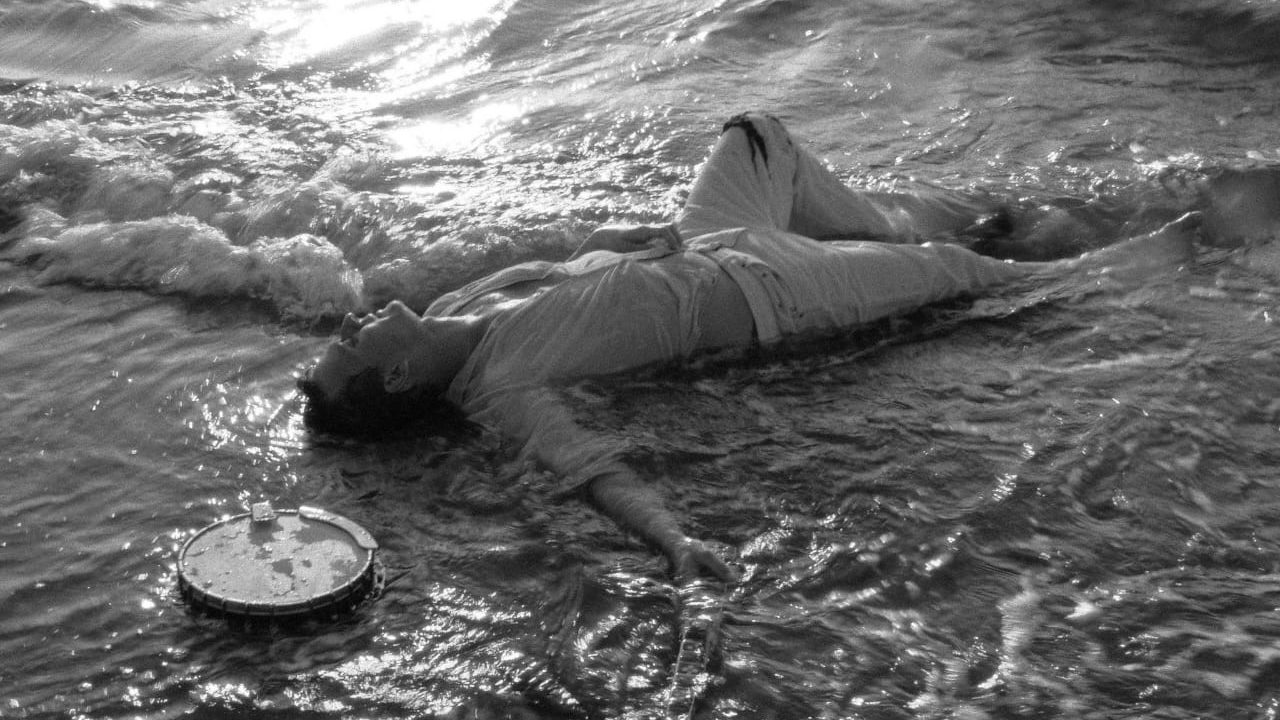
Tom Hartman released “Storm” on October 16th, 2026, bringing a dark and atmospheric folk-rock composition shaped by personal turmoil, vivid imagery, and haunting musical storytelling. Based in Rotterdam, the Netherlands, the singer-songwriter draws on the familiar image of a sailor battling violent seas to explore a much more intimate struggle with fear, uncertainty, and a distorted sense of reality. The result is a deeply personal song that connects the unpredictability of nature with the frightening experience of losing confidence in one’s own perception. Through its acoustic foundations, rolling Celtic-inspired rhythm, and increasingly intense atmosphere, “Storm” transforms an unsettling chapter of Hartman’s life into an evocative musical narrative.
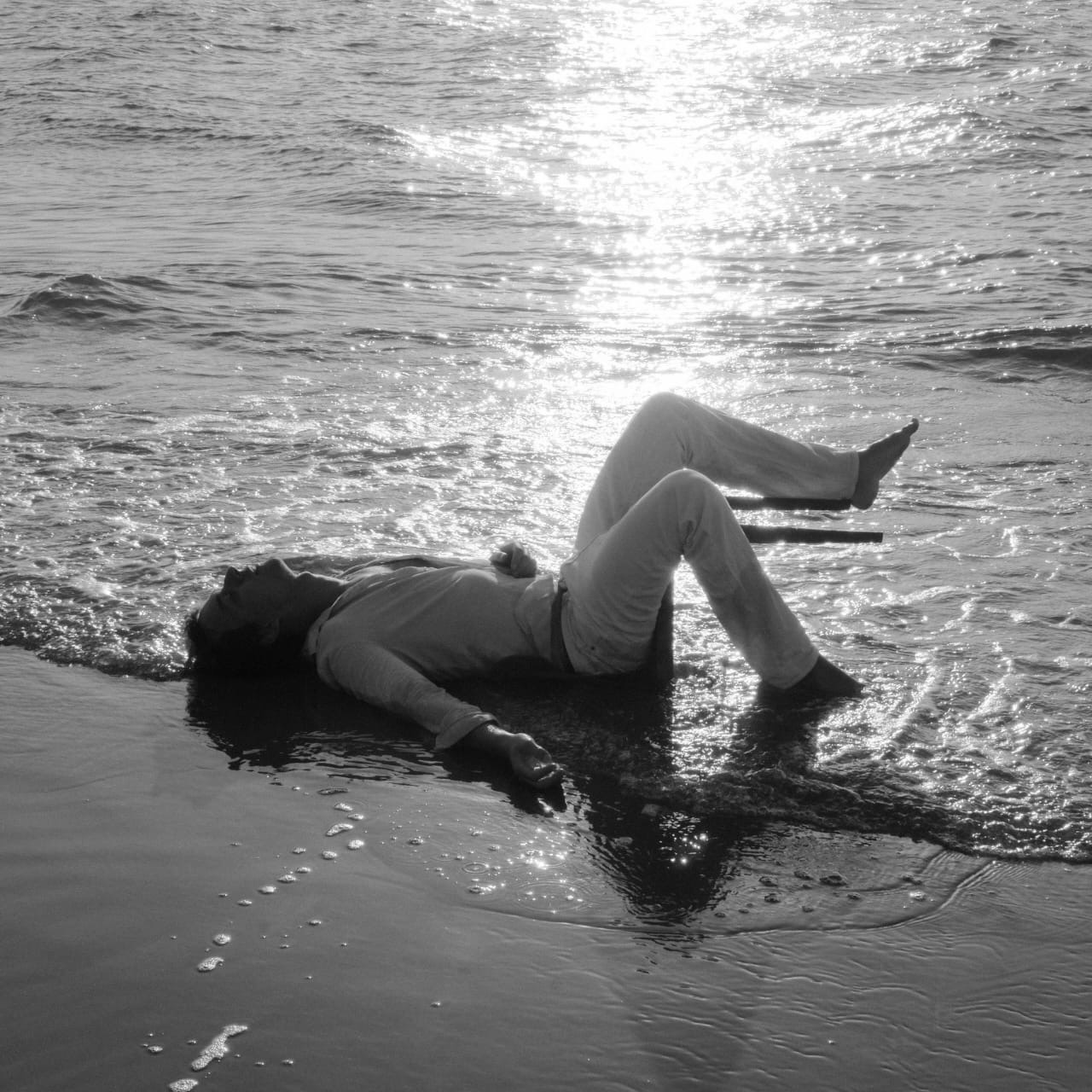
At the heart of the song lies an experience that profoundly affected Hartman’s mental and emotional world. He began writing “Storm” when hallucinations first emerged, leaving him genuinely afraid that he was losing his sanity. The frightening experiences, including a particularly disturbing moment when his reflection in a bathroom mirror seemed to distort, became the foundation for the song’s unsettling imagery. Rather than presenting these memories as a straightforward account, Hartman channels them through the story of a sailor struggling to survive an overwhelming storm. This approach gives the composition a mysterious, almost dreamlike quality, allowing listeners to experience the confusion and vulnerability beneath its maritime setting. The sailor’s journey becomes an expression of an internal battle, where the threat is difficult to understand and escape.
Musically, “Storm” establishes its identity through a rolling rhythm infused with Celtic folk-rock influences. The steady drums gradually acquire the force of thunder, with rumbling toms and crashing accents creating the sensation of lightning breaking across a turbulent sky. Beneath them, the bass moves like restless waves, providing a deep, grounding pulse that supports the song’s growing intensity. Acoustic guitars form the musical equivalent of a wooden vessel attempting to navigate dangerous waters, bringing warmth and intimacy to the arrangement while the surrounding instrumentation creates an atmosphere of uncertainty. These elements work together to build a cinematic soundscape, balancing the organic character of folk music with the dramatic weight of darker rock. The arrangement’s progression also reflects the emotional movement of the narrative, taking the listener from fragile stability toward an increasingly overwhelming climax.
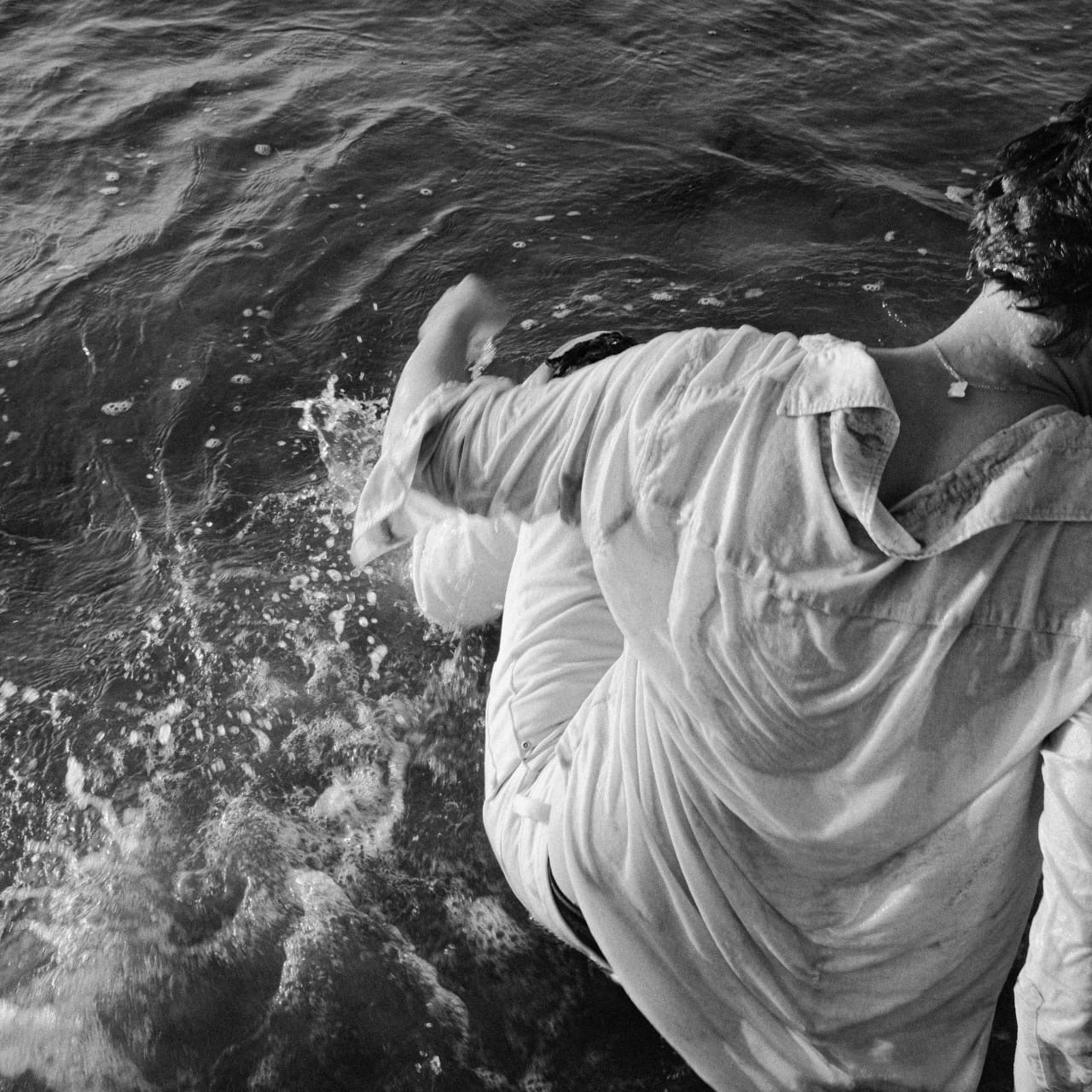
Hartman’s vocal performance adds another layer of psychological depth. His delivery initially carries an observational quality, as though the narrator is witnessing events that remain difficult to comprehend. As the story develops, however, the performance becomes increasingly urgent, communicating the realization that the situation may be beyond his control. The lyrics reinforce this growing sense of danger through striking surreal images, including blue worms emerging from the ground and consuming the horizon. These creatures represent the waves swallowing the sailor’s surroundings, suggesting a world gradually disappearing beneath the force of the storm. The grinning bird, carrying lightning in its wings and bearing Hartman’s signature carved into its beak, introduces an especially revealing detail. Its threatening presence reflects a monster that has emerged from within, connecting the imagined danger to the songwriter’s own fears and perceptions.
The emotional weight of “Storm” comes from its ability to connect these surreal images with the lasting effects of a difficult personal experience. The storm represents more than a temporary crisis; it becomes a defining passage that changes the person who survives it. Hartman looks back on a period he endured, acknowledging through the song’s imagery that emerging from such an experience does not necessarily mean returning unchanged. Ethereal background vocals deepen the atmosphere, suggesting the many voices and sensations surrounding the narrator as the musical tension intensifies. Despite its brooding character, the track maintains a compelling melodic foundation, allowing its storytelling to remain central throughout. Its combination of acoustic folk, blues influences, and dramatic rock textures creates a sound that will resonate with listeners drawn to the storytelling of Bob Dylan, the darker theatricality of Tom Waits, the Celtic-inflected approach of The Waterboys, and the haunting roots music of 16 Horsepower.
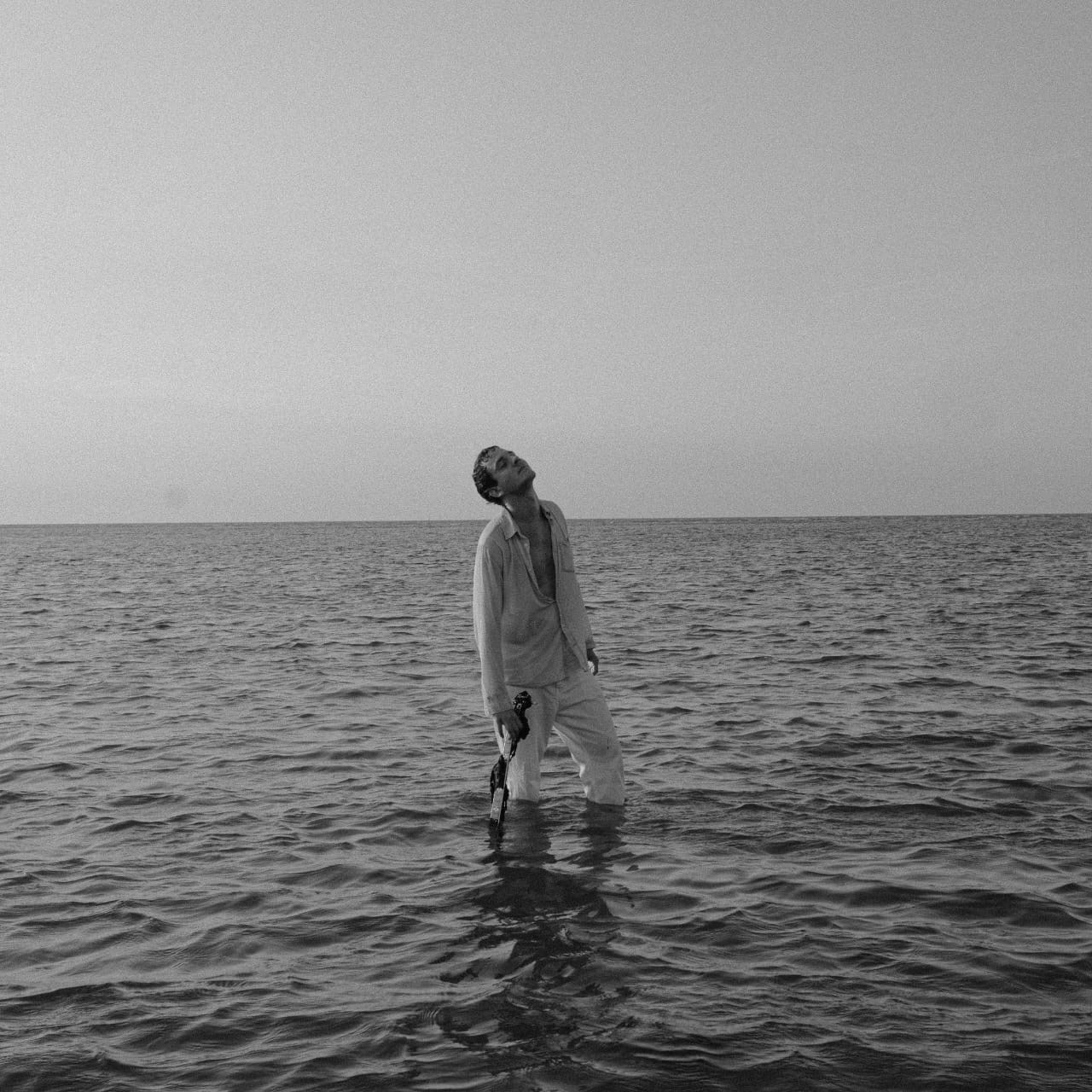
Storm Is A Dark, Atmospheric Folk Rock Journey That Transforms Personal Turmoil Into Haunting Storytelling, Blending Celtic Rhythms, Surreal Imagery, And Emotional Depth
~ Faithfulness (Dulaxi Team)
As the third single in Hartman’s 2026 release schedule, following “I’ve Been Away” and “High Tree Climb,” “Storm” offers a revealing glimpse into the imagination behind his developing body of work. The Holland-born artist has spent years performing across Europe, developing an expressive musical identity rooted in folk, blues, improvisation, and explorations of psychology and existential questions. His experience as a producer also informs the self-directed character of his music, allowing his unconventional ideas and personal reflections to shape the finished arrangements. With further releases planned and performances scheduled throughout the Netherlands and Europe, Hartman continues to expand a songwriting approach that combines philosophical depth with vivid, accessible storytelling. “Storm” stands as a powerful expression of that identity, capturing the frightening passage through an inner tempest and the lasting imprint it leaves behind.
For more information about Tom Hartman, click on the icons below.