
Al Swainger’s Pointless Beauty’s Impure Imagination, released on 18 September 2026, is an eleven-track album that moves between progressive jazz, art rock, electronic experimentation, ambient music and free improvisation. Created by Bristol-based bassist, composer, producer and multi-instrumentalist Al Swainger, the project brings together carefully arranged compositions and spontaneous musical interaction. Recorded with a quintet working without prior rehearsal, the album carries a sense of uncertainty that suits its interest in identity, agency and the systems that influence how people live and express themselves. Rather than settling into one musical style, Swainger allows different influences and instrumental ideas to coexist, giving the record room for both quiet reflection and unexpected changes in direction.
Impure Imagination Album Track Reviews
This Paper House
The album opens with “This Paper House,” an instrumental piece built around piano melodies that feel gentle, soulful and reflective. The piano draws attention from the opening moments, carrying the central melody with a delicate touch that makes the music feel personal without requiring words. The arrangement remains balanced, allowing the instruments to communicate through their individual contributions rather than competing for attention. There is a genuine sense of feeling in the playing, particularly in the way the piano phrases linger and invite the listener to sit with them. The music feels like a story told through instruments, with each phrase offering a small glimpse into a private thought.
As the piece progresses, its intensity rises slightly at certain points, creating tension and release without building towards one dramatic climax. These subtle changes keep the arrangement moving while preserving its relaxed character. The piano has an almost ethereal quality, and the clean, warm production helps its notes retain their intimacy. There are moments when the emotional pull becomes less pronounced, as though the music briefly steps away from the feelings it first introduces. That contrast does not erase the beauty of the performance; instead, it leaves room for different responses. “This Paper House” is a thoughtful opening for listeners who appreciate instrumental storytelling and music that allows emotion to emerge through melody rather than lyrics.
The Wheel
“The Wheel” begins with an unusual combination of dry, wooden clacks, heavy exhalation-like sounds and eerie electronic ambience. These elements create an unsettling introduction that immediately raises questions about where the piece might go. The piano, bass, percussion and electronic textures gradually establish a layered arrangement, with the deep bass adding warmth beneath the strange sounds. The contrast is particularly effective: the opening feels mysterious and almost uncomfortable, while the lower instrumental tones provide something more grounded. The composition does not rush to explain itself, allowing its different sounds to establish a sense of uncertainty before the music shifts into another gear.
Around the 3:48 mark, the drums become more pronounced, changing the energy of the piece and pushing it towards a lively, jazz-influenced groove. This entrance acts as the main turning point, replacing much of the opening’s restraint with a more forceful rhythm. The shift feels surprising because the music has spent so long holding back, making the later energy especially noticeable. The bass continues to anchor the arrangement while the percussion gives it a stronger forward drive. Its polished production keeps the layers clear, even as the composition moves between contrasting moods. “The Wheel” demonstrates an adventurous approach to instrumental music, particularly for listeners who enjoy compositions that begin in unfamiliar territory and lead somewhere unexpected.
Pacing the Web
“Pacing the Web,” the album’s fourth track, introduces a more animated energy through its combination of sound effects, percussion and a deep, driving bass line. Its opening is unexpected, setting up a composition that feels less settled than the reflective first track. The rhythm gives the music an immediate sense of motion, while the surrounding effects bring a playful, cinematic quality to the arrangement. Rather than relying on one repeated idea, the piece allows different instrumental elements to move into focus at various points. The bass provides weight and momentum, while the drums contribute a lively groove that makes the music feel energetic and danceable. The result is a striking contrast to the quieter atmosphere of “This Paper House.”
The pacing changes throughout the piece, keeping the listener alert to shifts in rhythm and mood. At certain moments, the bass introduces a deeper, more contemplative feeling, while the drums and animated effects restore the track’s lighter energy. This movement between contrasting qualities gives the composition much of its appeal. The instrumental arrangement feels unpredictable without losing its sense of direction, and the polished production allows the different elements to remain distinct. There is a jazzy quality to the performance, but the unusual sound effects prevent the piece from feeling confined to familiar genre expectations. “Pacing the Web” should appeal to listeners who enjoy inventive instrumental music, expressive drumming and arrangements that are willing to change direction instead of following an obvious pattern.
Fractured Grace
“Fractured Grace,” the tenth track, returns to a more unsettling musical world, beginning with electronic textures and sound effects that establish an immediate sense of mystery. The arrangement is relatively minimal, allowing these sounds to occupy the foreground and shape the listener’s response. There is an eerie quality to the opening that brings to mind the uneasy moments in a horror film when the surroundings suggest that something unexpected may be approaching. Rather than offering a clear melodic statement straight away, the piece invites attention to its unusual sounds and the way they shift against one another. This restraint gives the track a distinctive identity within the album, especially after the more animated rhythm of “Pacing the Web.”
The eerie character remains present throughout, with certain sounds increasing in intensity and making the music feel more unsettling. Its slow, steady movement gives these changes room to register, rather than rushing towards a dramatic release. The clean, carefully controlled production preserves the details of the electronic textures, allowing their changing intensity to remain noticeable. The piece leaves behind a haunting impression, with its mystery continuing after the music ends. “Fractured Grace” will connect with listeners who appreciate experimental composition and music that creates tension through sound design rather than relying on conventional song structures. It also reflects the album’s wider willingness to leave questions unanswered, trusting unusual musical choices to hold the listener’s attention.
Al Swainger’s approach to Impure Imagination makes room for contrasting musical ideas without forcing them into a single formula. The four tracks explored here show how widely the album can move in mood and arrangement, from the soulful piano-led reflection of “This Paper House” to the unsettling electronic opening of “The Wheel,” the shifting groove of “Pacing the Web” and the sustained unease of “Fractured Grace.” Although each piece follows a different path, the instrumental arrangements remain central to how the music communicates. These compositions rely on phrasing, rhythm, texture and changes in intensity to shape their expression, offering different ways into the album’s experimental approach.
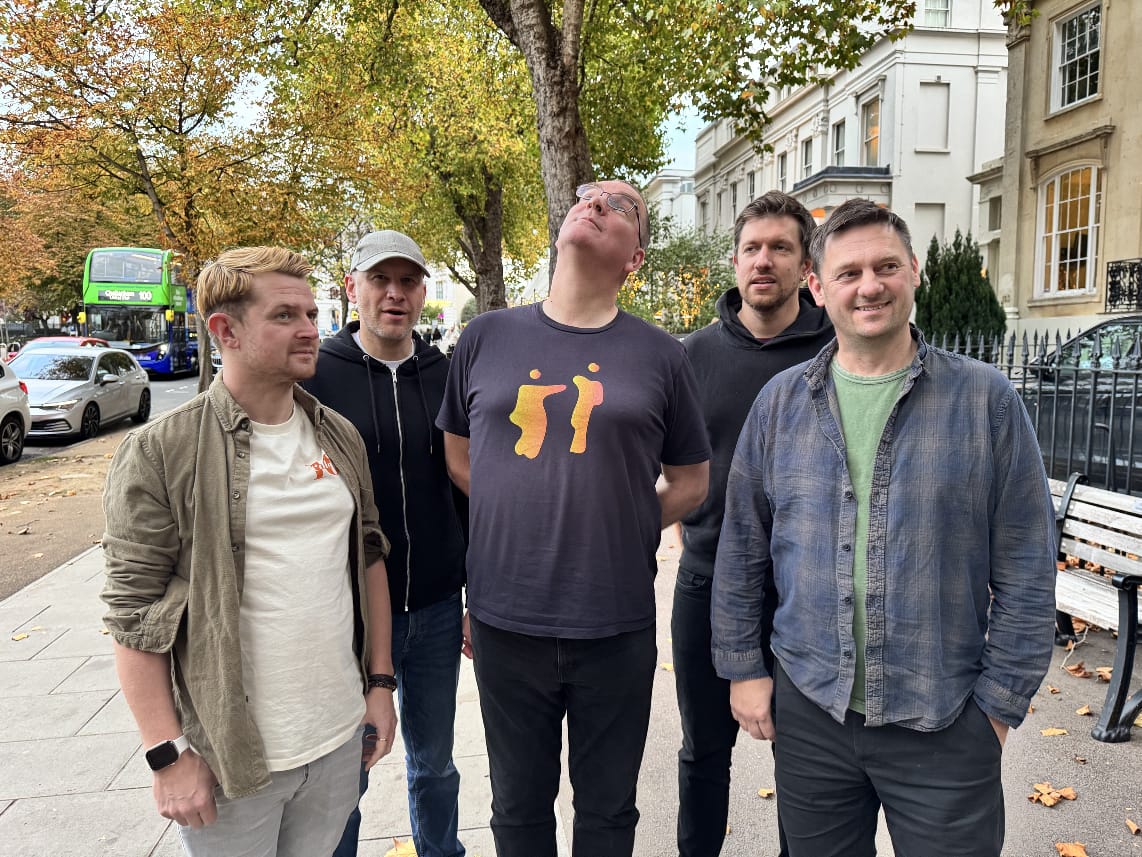
The album’s background adds another dimension to these contrasting pieces. Swainger describes a creative process that values uncertainty, imperfection and the spaces between established musical categories. That outlook is reflected in the movement between composed passages, spontaneous interaction and unusual sound choices. The record also considers questions about identity, agency and the influence of systems on human expression, ideas that extend beyond any one genre. Rather than presenting these concerns as straightforward answers, the music leaves room for ambiguity and individual interpretation. The combination of acoustic instruments, electronic elements and collective playing gives the project a broad musical vocabulary, while the contributions of Jon Clark, George Cooper, Mike Outram and Gary Alesbrook support its range of moods and textures.
“Impure Imagination makes room for uncertainty, using inventive instrumental arrangements and unexpected changes in mood to explore the space between jazz, electronic experimentation and progressive music. Al Swainger’s Pointless Beauty favours curiosity over easy answers, creating an album that rewards listeners willing to follow its unconventional ideas.”
~ Tehillah (DULAXI Team)
Al Swainger is a Bristol-based bassist, composer, producer and multi-instrumentalist whose work spans jazz, progressive music, electronic production and free improvisation. Through his long-running project Pointless Beauty, he explores the possibilities of combining acoustic instruments, electronic textures, carefully arranged compositions and collective musical interaction. His approach draws on a broad range of musical influences without committing to a single genre, allowing each project to reflect his interest in experimentation and creative freedom.
With Impure Imagination, Swainger presents the third Pointless Beauty album, bringing together contributions from drummer Jon Clark, pianist and Rhodes player George Cooper, electric guitarist Mike Outram, and flugelhorn and muted trumpet player Gary Alesbrook. The album was shaped through recording sessions, editing and production, with an emphasis on spontaneity, uncertainty and the relationship between individual expression and collective performance. Beyond its musical exploration, Swainger’s work considers identity, agency, belonging and the effects of invisible systems on everyday life. His artistic outlook values curiosity, imperfection and the freedom to explore ideas that resist simple classification.