

Released on September 25th, 2026, “Honeybee” marked another meaningful chapter in Faint Halos’ evolving musical journey. Based in Philadelphia, United States, the band presented a song shaped by memory, impermanence, and the complicated relationship between personal growth and the passage of time. As the third single of the year, the track also served as the closing piece on their upcoming album, giving it a special place within the larger project. Built around an unusual structure, reflective songwriting, and an atmosphere that invites repeated listening, “Honeybee” demonstrated how a song could carry its own emotional gravity, drawing listeners into a world of associations and interpretations that continue long after the final notes fade.
One of the most fascinating aspects of “Honeybee” was its extraordinary history. The song originated shortly before the final performance of frontman Paul Hashemi’s previous band, The Daybreak Line, in late 2007. After that performance, Hashemi stepped away from making music for approximately fifteen years, eventually returning to songwriting in 2020. During this new beginning, “Honeybee” became an important reference point for the musical identity he wanted to develop with Faint Halos. An earlier version appeared on the band’s first EP, but bringing the song into the album sessions offered an opportunity to explore it with the complete group. The newer recording embraced a more organic and natural presentation, allowing the composition to grow beyond its original form while preserving the distinctive qualities that had made it memorable from the beginning.
Musically, “Honeybee” unfolded through a hypnotic foundation that gradually expanded into layered instrumental textures. Its atmospheric production created a sense of space, with sounds swelling and receding in a manner that mirrored the continuous movement of memory and emotion. Rather than relying on a conventional arrangement, the song followed an unusual path, containing only one true vocal chorus. This decision gave its structure a distinctive character, allowing the instrumental passages to carry significant emotional weight. The bridge introduced an intriguing relationship between rhythm and melody, while the outro developed into a memorable melodic passage that felt both familiar and surprising. Hashemi humorously compared this extended ending to the climactic quality of Prince’s “Purple Rain,” imagining it accompanying movie credits for several uninterrupted minutes. That comparison captured the outro’s expansive, lingering appeal.
The vocal performance complemented this musical individuality through an intimate, conversational delivery. Hashemi approached the lyrics with restraint, giving each phrase room to breathe within the surrounding instrumentation. The result was a performance that felt personal without demanding a single interpretation from the audience. At its heart, “Honeybee” explored the complicated emotions surrounding knowledge, experience, and the inevitable changes that accompany life. Its central question about whether learning an unfamiliar melody would be easier to avoid altogether invited listeners to consider the emotional costs of discovering something new. Meanwhile, the recurring idea that things eventually break down introduced a sobering awareness of impermanence. Images of gardens and fading shooting stars further suggested how wonder can evolve as people grow older, gaining understanding while sometimes losing the innocence through which they once experienced the world.
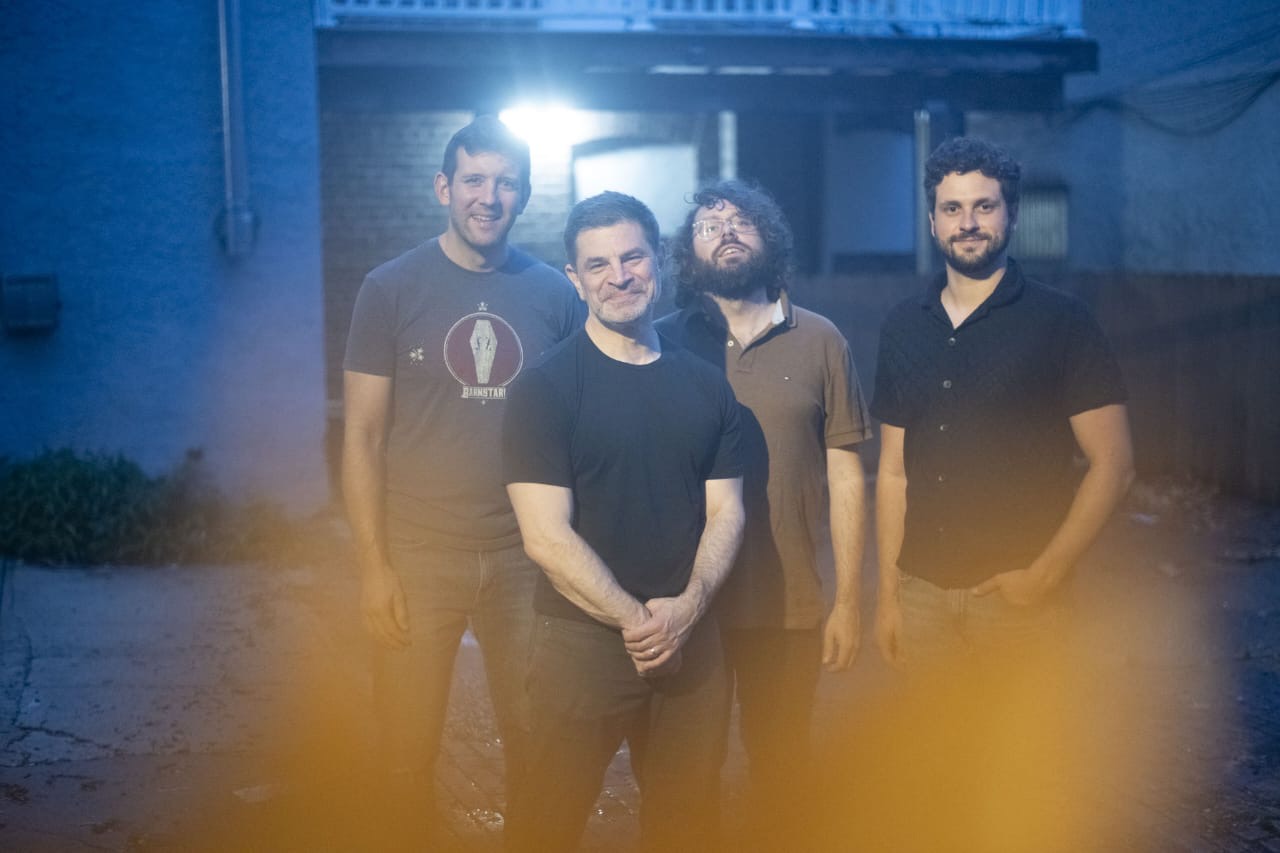
Despite its melancholy, “Honeybee” left considerable room for hope. Hashemi described the song as a reflection on entropy, yet listeners frequently interpreted it as uplifting, demonstrating how sadness and reassurance can coexist within the same composition. This openness to contrasting emotions reflected the broader philosophy behind Faint Halos, whose songs seek to explore loneliness while helping people feel less alone. Following Hashemi’s return to music, the project gradually developed into a collaborative band featuring bassist Miguel Padro, drummer Bill Hallinan, and guitarist Matt Cieljka. Their combined musicianship helped transform the original electronic bedroom pop-rock foundations into an increasingly organic sound incorporating Americana influences and more immediate rock energy. That evolution made “Honeybee” particularly significant, reconnecting an older composition with the band’s present creative identity.
Honeybee Is A Hauntingly Beautiful Reflection On Change, Memory, And Impermanence, Blending Atmospheric Instrumentation, Intimate Vocals, And Melancholy With Enduring Emotional Resonance
~ Faithfulness (Dulaxi Team)
Ultimately, “Honeybee” brought together years of artistic reflection in a song that felt both deeply personal and universally relatable. Its unconventional structure, spacious production, restrained vocals, and enduring outro created an immersive experience centered on the beauty and difficulty of accepting change. As the closing track on the forthcoming album, it offered a fitting conclusion to a musical journey defined by rediscovery, collaboration, and transformation. Through Faint Halos, Paul Hashemi continued shaping songs from the uncertainties of contemporary life, turning private reflections into shared emotional experiences. “Honeybee” stood as a compelling expression of that purpose, inviting listeners into its orbit and allowing each person to discover something different within its quiet, enduring melancholy.
For more information about Faint Halos, click on the icons below.