
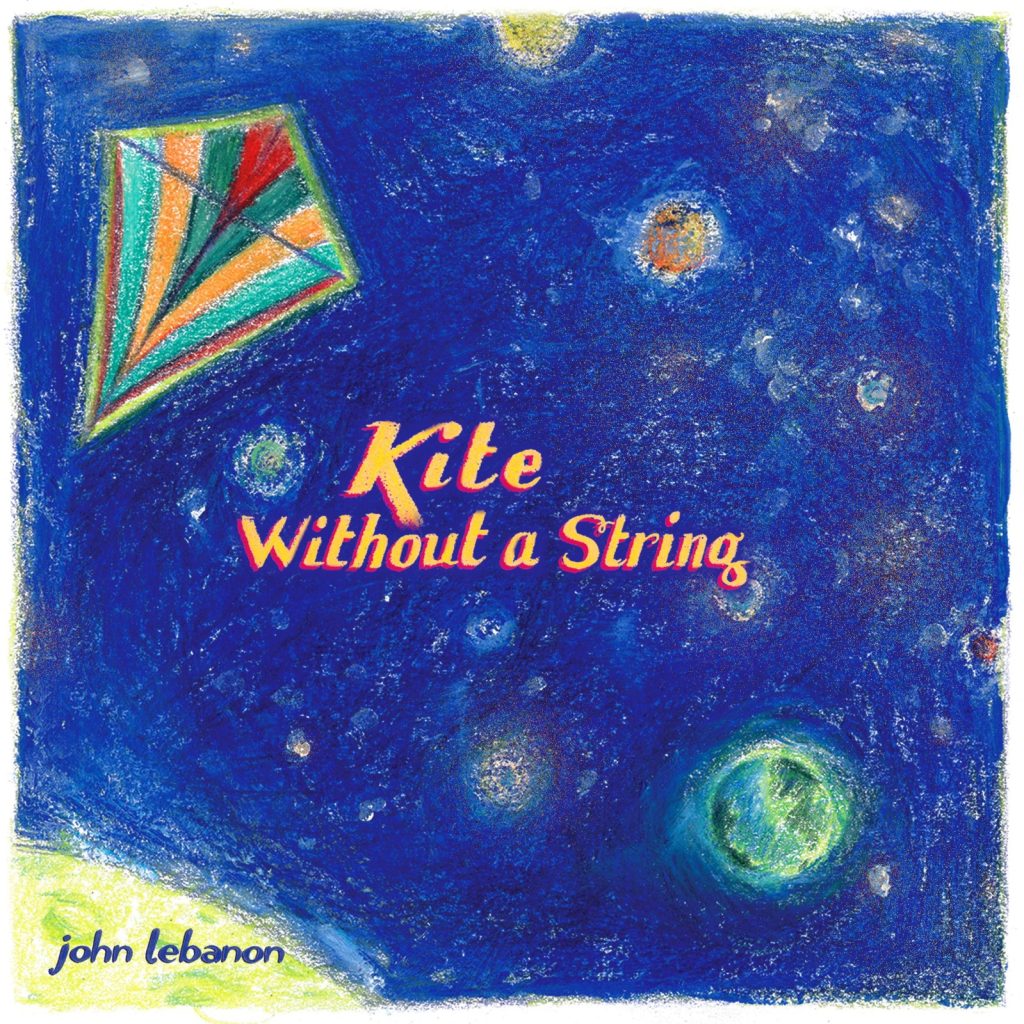
Released on June 12th, 2026, “Kite Without a String” emerges as the definitive artistic statement from John Lebanon, a Boston-based indie-folk project led by Roy Souaid. Written over several years between Boston and Beirut, the album is deeply rooted in themes of distance, identity, faith, belonging, and the search for meaning in a world often defined by distraction and uncertainty. Rather than relying on grand declarations, the record finds its strength in quiet observations and personal reflections, drawing inspiration from memory, relationships, landscapes, nature, and everyday experiences. This intimate approach gives the album a profound emotional resonance, allowing listeners to connect with its themes on a deeply human level. Musically, “Kite Without a String” is an immersive and carefully constructed journey that blends indie folk, indie rock, atmospheric pop, and subtle Middle Eastern influences into a rich sonic tapestry. The album follows a deliberate emotional arc, beginning with a sense of restlessness and muted disconnection before gradually unfolding into moments of clarity, renewal, and acceptance.
Warm acoustic melodies intertwine with textured electric guitars, layered indie-rock arrangements, ambient soundscapes, and understated electronic elements, creating a cinematic listening experience that evolves naturally from beginning to end. The vocal performances provide the emotional centerpiece of the album, delivering vulnerability, sincerity, and conviction that enhance the depth of the storytelling. What makes “Kite Without a String” particularly compelling is its ability to balance personal introspection with universal reflection. The album explores collective memory, resilience, love, healing, and self-discovery while remaining grounded in authentic human experiences. Through thoughtful songwriting, cross-cultural influences, and meticulous musicianship, John Lebanon has crafted a record that feels both intimate and expansive. Ultimately, “Kite Without a String” serves as a moving reminder that even when life feels untethered, purpose and connection can still be found in the people, places, and moments that bring us back to ourselves.
Hurricane Eyes:
“Hurricane eyes” is one of the most emotionally gripping moments on John Lebanon’s album “Kite without a string,” showcasing the artist’s ability to transform personal vulnerability into a deeply immersive musical experience. Throughout the song, the vocal performance feels suspended between memory and reality, allowing every lyric to resonate with emotional weight. The melody carries a fragile yet compelling quality that perfectly complements the song’s central themes of longing, confusion, and unresolved emotional attachment. The lyrical imagery is particularly striking, with the line “Found a letter of red in your hurricane eyes” serving as a vivid metaphor for a relationship that continues to haunt the narrator long after it has faded. Rather than focusing solely on heartbreak, John Lebanon explores the psychological aftermath of a powerful connection, revealing how memory can distort perception and weaken one’s sense of self.
The thematic depth of “Hurricane eyes” becomes even more powerful through lines such as “I forget what I know. What I know what I know. When I’m frozen with no voice left to show” and “Tell me, tell me, do you remember my name?” These lyrics capture a profound struggle for recognition and identity, portraying a protagonist trapped within the lingering influence of the past. Instrumentally, John Lebanon constructs a cinematic alternative-rock soundscape filled with atmospheric guitars, shimmering textures, subtle synth layers, and crisp percussion. The arrangement constantly balances intimacy and expansiveness, allowing emotional tension to build naturally throughout the song. Dynamic shifts mirror the turbulence expressed in the lyrics, creating an experience that feels both deeply personal and universally relatable. As a result, “Hurricane eyes” stands as one of the most evocative and emotionally resonant tracks on “Kite without a string.”
Kite without a String:
The title track, “Kite without a string,” serves as the philosophical heart of John Lebanon’s album “Kite without a string,” delivering a thoughtful meditation on freedom, self-discovery, and personal autonomy. John Lebanon approaches the song with a calm yet purposeful vocal performance that allows the message to unfold with sincerity and conviction. The delivery is reflective rather than forceful, making the song’s themes feel authentic and relatable. From the opening moments, the artist invites listeners into a world where independence is viewed not as rebellion but as a necessary step toward self-realization. Lines such as “You belong to no one” and “Break loose from your shackles” establish the song’s central mission, encouraging individuals to free themselves from expectations that limit their growth and identity.
Lyrically, “Kite without a string” explores the tension between societal conditioning and personal truth. John Lebanon challenges conventional definitions of success through the memorable line “Life’s not a bank,” emphasizing that fulfillment cannot be measured through material achievement or external validation. The metaphor of a kite detached from its string becomes a powerful symbol of liberation, representing both the uncertainty and possibility that accompany genuine freedom. Musically, the track embraces a warm folk-rock aesthetic built around melodic guitar work, understated percussion, and spacious production. The arrangement gradually expands as the song progresses, mirroring the emotional and philosophical growth embedded within the lyrics. Gentle acoustic textures combine with atmospheric elements to create a soundscape that feels expansive yet intimate. Through its insightful songwriting, elegant instrumentation, and heartfelt vocal performance, John Lebanon transforms “Kite without a string” into one of the defining statements of the album “Kite without a string.”
Mizuri:
“Mizuri” stands among the most transformative songs on John Lebanon’s album “Kite without a string,” offering a deeply reflective exploration of redemption, spiritual awakening, and personal liberation. The vocal performance is central to the song’s impact, carrying a delicate balance of vulnerability and confidence that mirrors the emotional evolution of the narrative. Throughout the track, the artist sounds as though he is emerging from darkness into clarity, allowing listeners to experience the journey alongside him. The vocal delivery becomes increasingly uplifting as the song unfolds, reinforcing the themes of growth and renewal that define the composition. This progression gives “Mizuri” a powerful emotional arc that feels both personal and universally meaningful.
The lyrical content explores the process of overcoming destructive patterns and discovering a renewed sense of purpose. John Lebanon articulates this transformation through compelling lines such as “I never thought that I’d say that I’d found God” and “I found this light within me. Burns the chains that have left me.” These lyrics symbolize a decisive break from emotional and spiritual limitations, illustrating the liberating power of self-discovery. The recurring challenge “How about you?” transforms the song into an invitation for introspection, encouraging listeners to evaluate their own lives and confront the obstacles that hold them back. Musically, “Mizuri” blends atmospheric synthesizers, subtle guitar textures, ambient keyboard layers, and a steady rhythmic foundation to create a contemplative yet uplifting soundscape. The production is spacious and polished, allowing each element to contribute to the song’s emotional progression. Through its inspiring message, immersive instrumentation, and heartfelt vocal performance, John Lebanon makes “Mizuri” one of the most compelling and spiritually resonant tracks on “Kite without a string.”
Self Made World:
“Self made world” is one of the most emotionally uplifting tracks on John Lebanon’s album “Kite without a string,” presenting a powerful message about companionship, resilience, and the transformative strength of human connection. The song is driven by a vocal performance filled with warmth, sincerity, and unwavering conviction. The vocalist brings an emotional authenticity that makes the lyrics feel deeply personal, transforming the track into a heartfelt promise of support during difficult times. When the lyrics; “I’ll be your light, your second chance. Your eternal fight beneath the city lights. I’ll be your guide,” appeared, the words resonate with genuine compassion, establishing the emotional foundation upon which the entire song is built.
Thematically, “Self made world” addresses the loneliness that often accompanies internal struggles while emphasizing the healing potential of solidarity and understanding. The recurring declaration “And I can be your angel, stretch in a battleground, side by side. And I can be your angel, rescuing you from the self made world” serves as the song’s emotional centerpiece, reinforcing the idea that no one should face life’s challenges alone. The phrase “self made world” functions as a metaphor for the emotional barriers people construct around themselves, while the promise of rescue symbolizes hope and renewal. Instrumentally, John Lebanon and Roy Souaid complement these themes through an expansive pop-rock arrangement featuring shimmering guitars, atmospheric synth textures, driving rhythms, and carefully layered production. The dynamic contrast between intimate verses and soaring choruses enhances the emotional power of the narrative. Through its cinematic sound, meaningful lyricism, and moving vocal performances, “Self made world” emerges as one of the most inspiring and memorable highlights of “Kite without a string.”
Kite Without A String Is A Meditation On Untethered Existence, Where Distance, Memory, And Identity Converge Into A Search For Meaning, Grounding, And Emotional Return To Self And Belonging.
~ Daniel (Dulaxi Team)
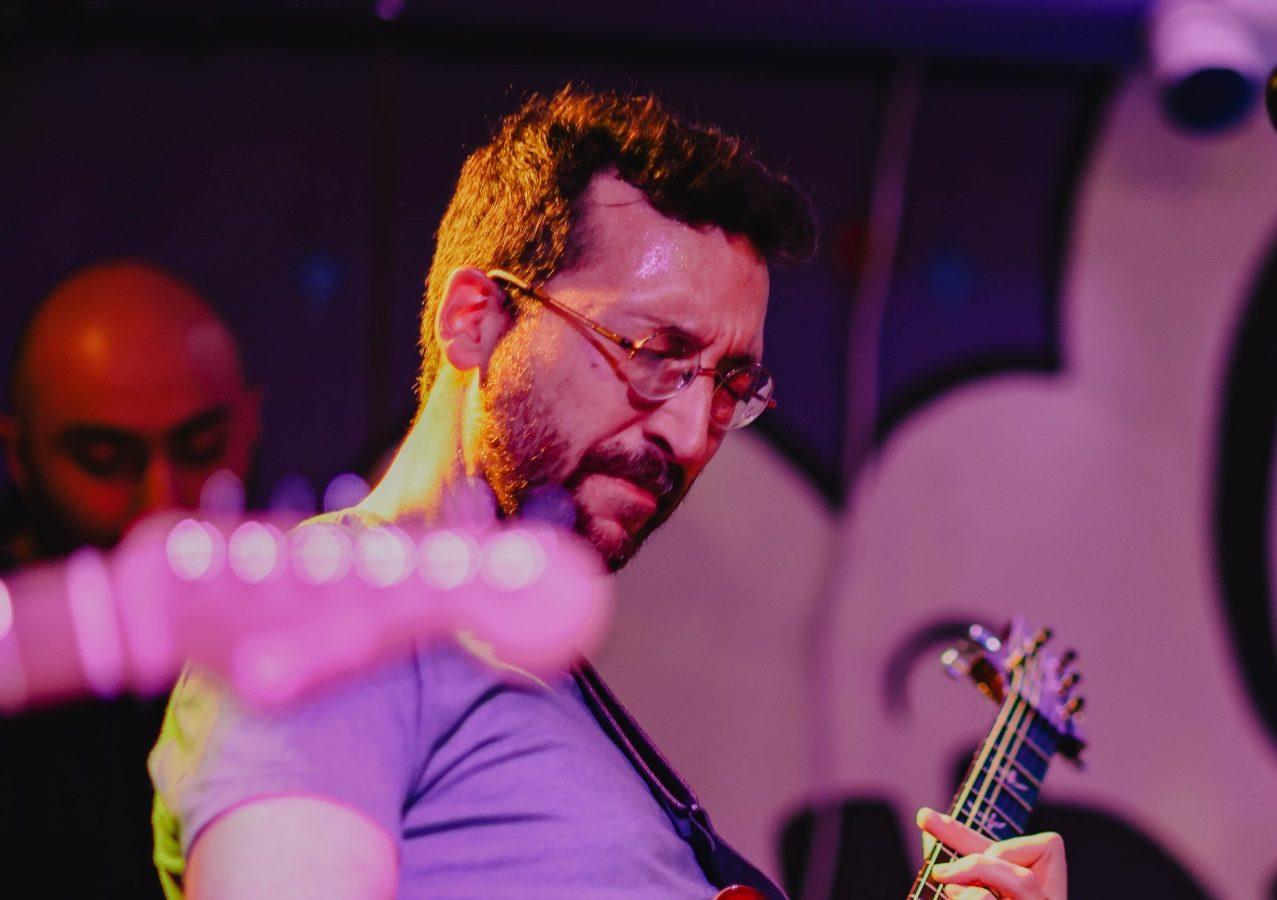
John Lebanon is a Boston-based indie-folk collective that fuses the melodic warmth of the Levant with the grit of Northeast alternative rock, building a sound shaped by cultural duality and long-distance collaboration. Led by Lebanese songwriter and physician Roy Souaid (vocals, guitar), the project traces its origins to underground Beirut scenes before evolving through years of development across Boston, Providence, and Beirut. What began as solitary demos gradually expanded into a full ensemble, refined through shared creative input and a commitment to blending storytelling with textured, atmospheric instrumentation. Over time, the group has developed a signature style that merges indie folk foundations with alternative rock structures and subtle Middle Eastern influences.
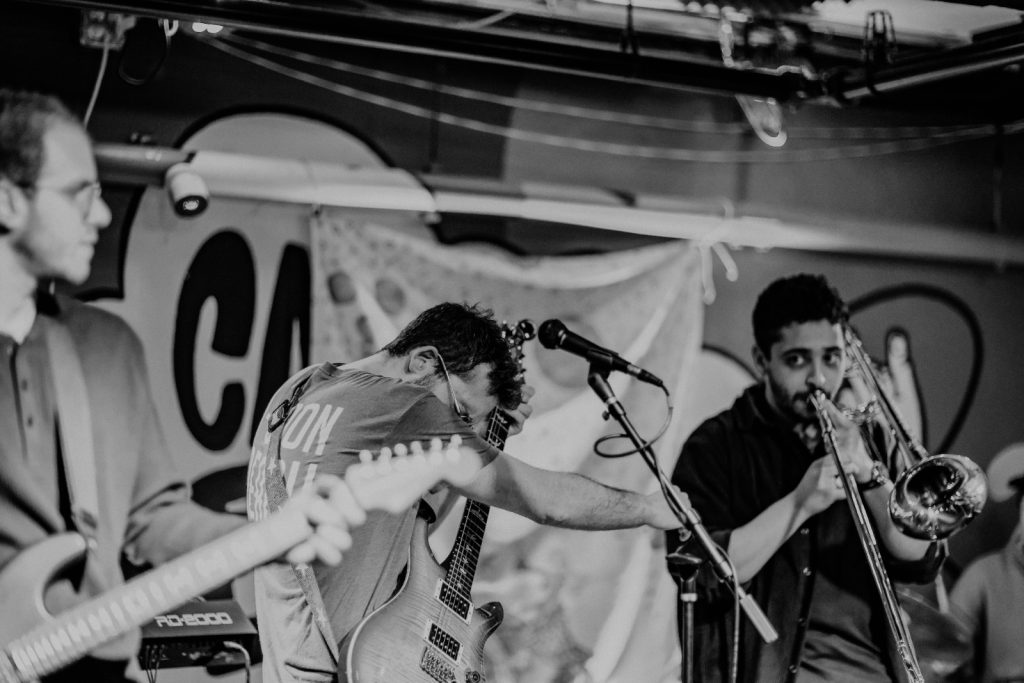
This sonic identity is strengthened by each member’s distinct contribution: Matt Deluccia (bass, vocals) provides rhythmic grounding and harmonic depth, while Gaby Carvajal-Poisson (vocals) adds layered vocal textures and emotional contrast. Karl Deek (lead guitar) shapes the melodic and expressive core of the arrangements, and Khalid Razick (trombone) introduces a unique brass dimension that broadens the band’s sonic palette. Marc Chehwane (keyboards) builds atmospheric and harmonic layers that enhance the album’s cinematic quality, while Stefanos Athinaios (percussion) drives the rhythmic structure with dynamic and adaptive percussion work. Together, these elements form a cohesive ensemble identity that reflects both collaboration and cross-cultural influence, echoing artists such as Vampire Weekend, The Shins, Wilco, and Bibio while maintaining a distinct voice. When connected to the emotional and thematic depth of “Kite Without a String,” the group’s artistry becomes even more defined, reinforcing ideas of displacement, belonging, reflection, and renewal. The album ultimately opens a space for listeners who are drawn to music that feels both intimate and expansive, where every layer reveals something new and every listen deepens the emotional impact.
For more information about John Lebanon, click on the icons below.