

Released on May 29th, 2026, “Caleb” by Damien Cain is the kind of song that does not attempt to overwhelm the listener with spectacle or excessive emotional manipulation. Instead, it unfolds with remarkable patience, allowing every lyric, piano chord, and vocal exchange to breathe naturally. Released as a special radio edit produced by Jay Dixie, the track embraces a stripped-back piano-driven pop-rock sound that feels both timeless and deeply personal. From its opening moments, “Caleb” establishes an atmosphere rooted in reflection and emotional vulnerability, drawing listeners into a space where memory and heartbreak quietly linger long after a relationship has ended. The song’s restraint becomes its greatest strength, proving that emotional impact often comes not from excess, but from honesty.
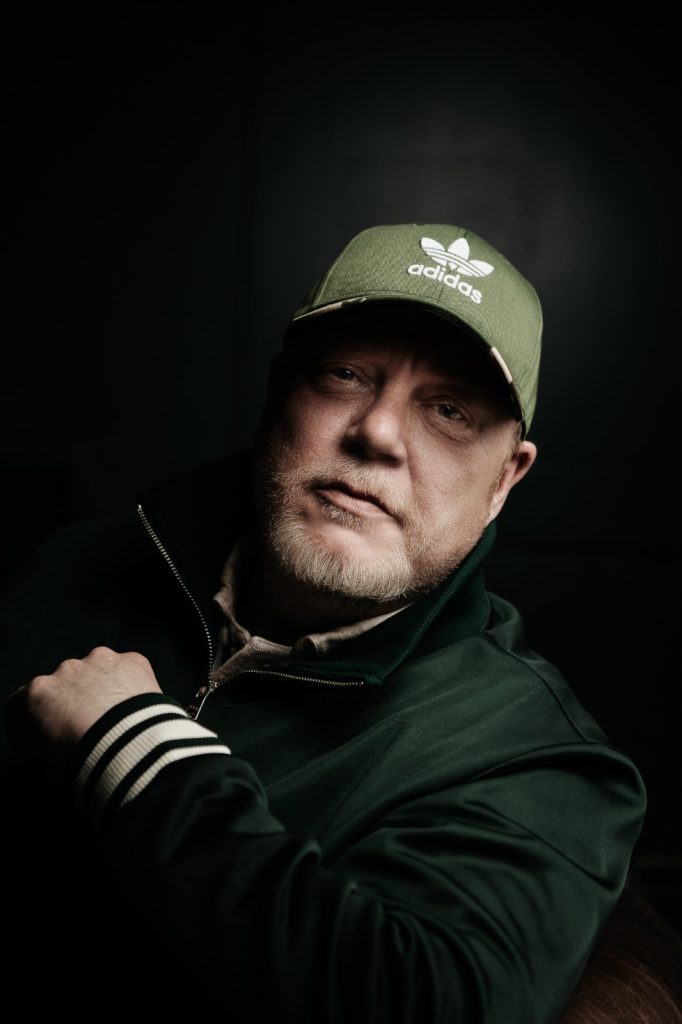
Musically, the track balances melodic accessibility with emotional depth. The piano arrangement carries the song with gentle elegance, while the steady rhythmic pulse prevents it from sinking into overly sentimental territory. Rather than functioning as a traditional soft ballad, “Caleb” maintains a subtle forward momentum that mirrors the emotional process of revisiting memories while attempting to move beyond them. The production remains intentionally spacious, allowing silence and atmosphere to become part of the storytelling itself. Every instrumental detail feels carefully placed, never crowding the emotional center of the song. There are shades of melodic clarity reminiscent of artists like Robbie Williams, while the raw emotional undercurrent recalls the vulnerability often associated with Lewis Capaldi. Yet despite these comparisons, Damien Cain maintains a voice and identity entirely his own.
One of the song’s most compelling aspects is its rare male-to-male duet structure. What makes the collaboration especially effective is the natural chemistry between Damien Cain and Jamie Wiltshire. Their performances avoid theatricality, choosing intimacy instead. The vocals feel conversational, almost like two people revisiting shared memories in real time rather than delivering a staged performance. Wiltshire’s involvement reportedly began as a request for backing vocals, but his tonal compatibility with Cain transformed the song into something far more emotionally layered. Their voices blend with a fragile tenderness that heightens the song’s themes of loss, absence, and unresolved emotional attachment. The delivery remains breathy and restrained throughout, which allows the pain within the lyrics to resonate even more deeply. That emotional sincerity becomes especially powerful in lyrical moments like, “I remember every laugh, every word you said, all the nights we stayed up,” where memory itself becomes both comfort and torment.
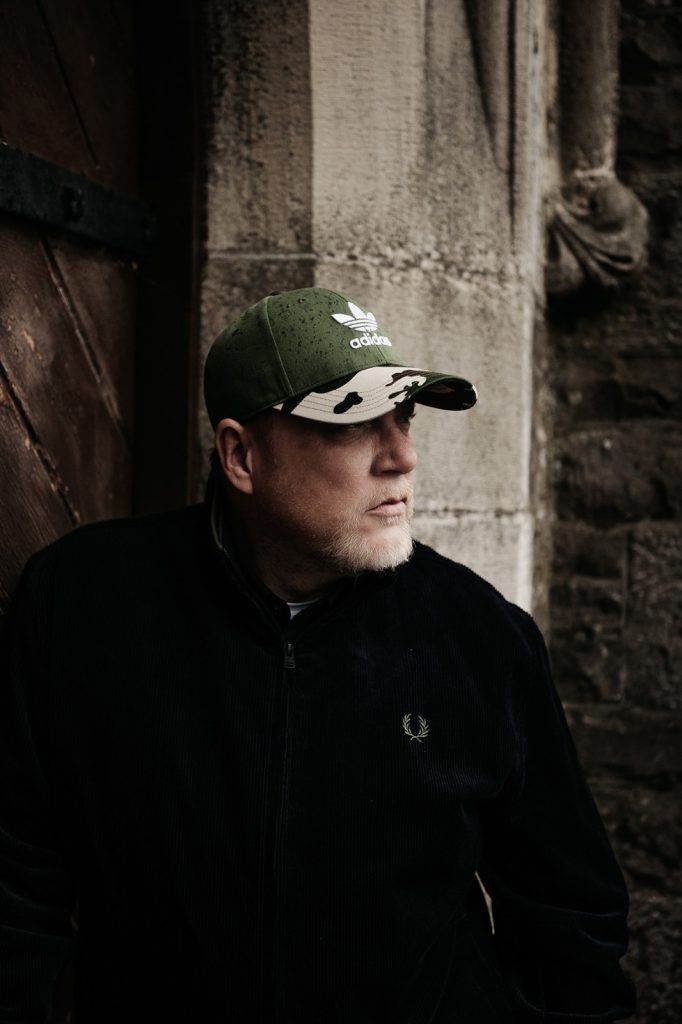
Lyrically, “Caleb” succeeds because of its directness. The song does not hide behind abstract metaphors or elaborate poetic devices. Instead, it focuses on deeply relatable emotional experiences: remembering shared moments, recognizing emotional distance, and confronting the devastating realization that someone once loved has already moved on. The songwriting feels intimate because it captures ordinary memories with painful clarity. When the song reaches its emotional peak with the line, “Now you hold someone else the way you held me, and it cuts like a knife,” the heartbreak lands with quiet devastation rather than explosive drama. That understated approach gives the song its haunting power. The grief here feels mature, reflective, and painfully human, allowing listeners to project their own experiences into the emotional spaces the song leaves open.
The accompanying music video further reinforces the emotional architecture of the song. Shot entirely in black and white as a continuous one-take sequence, the visual presentation mirrors the track’s themes of memory and emotional finality. The absence of cuts or distracting edits forces attention onto physical presence, body language, and emotional distance. The open landscapes surrounding the two young men become symbolic spaces where connection and disappearance coexist. Rather than telling a literal story, the video captures emotional fragments and lingering tension, transforming “Caleb” into something cinematic without sacrificing its intimacy.
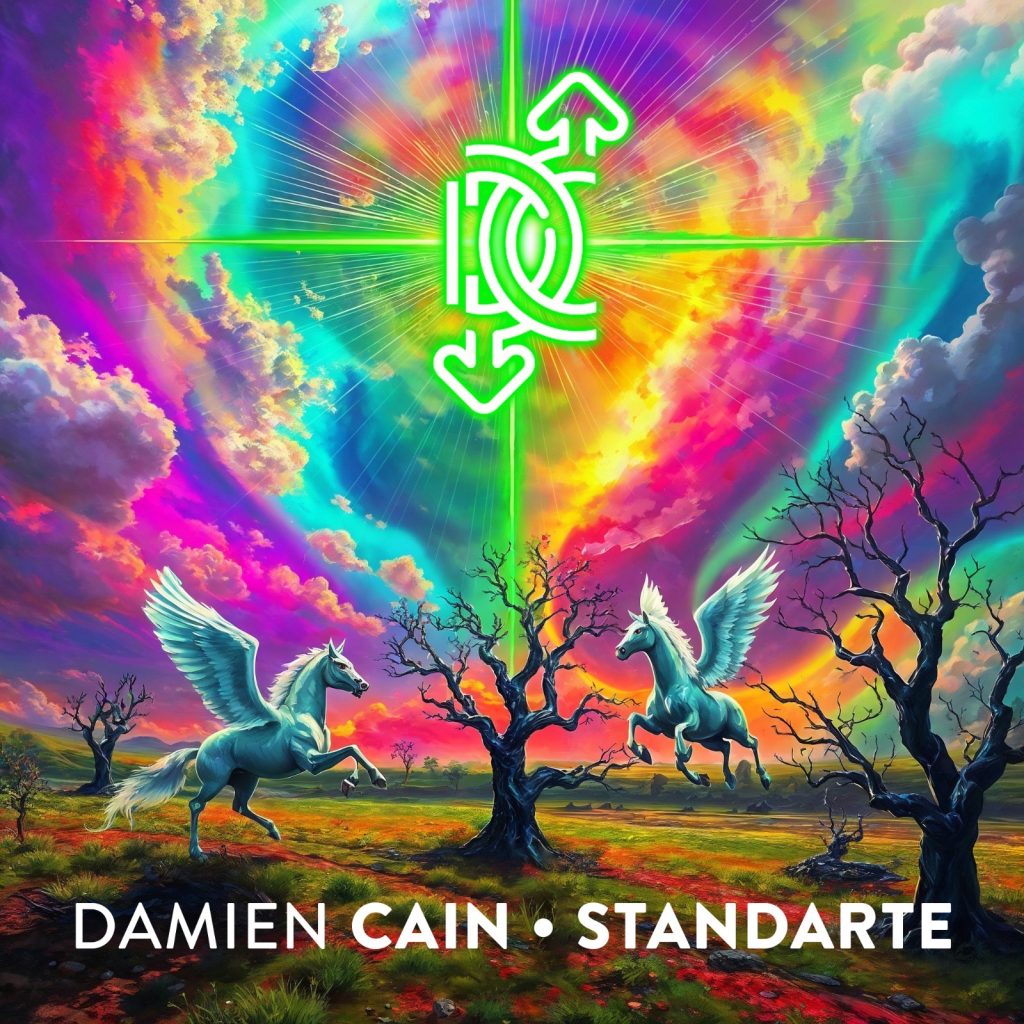
Caleb Is A Quietly Devastating Reflection On Love, Memory, Emotional Distance, And The Pain Of Letting Go Forever
~ Faithfulness (Dulaxi Team)
What makes “Caleb” especially significant within Damien Cain’s career is that it feels less like a stylistic reinvention and more like the removal of emotional barriers. After decades spent moving through alternative rock, gothic atmosphere, cinematic melancholy, and conceptual storytelling, Cain arrives here at something startlingly direct. Born in Germany and now based in Ireland, he has spent years cultivating a body of work defined by artistic continuity rather than trend-chasing. From his early success with the cult project CAIN and the independently celebrated “Age of Darkness,” to collaborations with figures such as Sir Christopher Lee and Wayne Hussey, Cain’s career has consistently embraced emotional intensity and theatrical atmosphere. Yet with “Caleb,” he strips away much of the darkness and grandeur that once framed his songwriting, revealing something quieter and perhaps even more courageous. It stands as a testament to an artist who, after decades of evolution, understands that the most powerful stories are often the simplest and most vulnerable ones left unguarded.
For more information about Damien Cain, click on the icons below.