
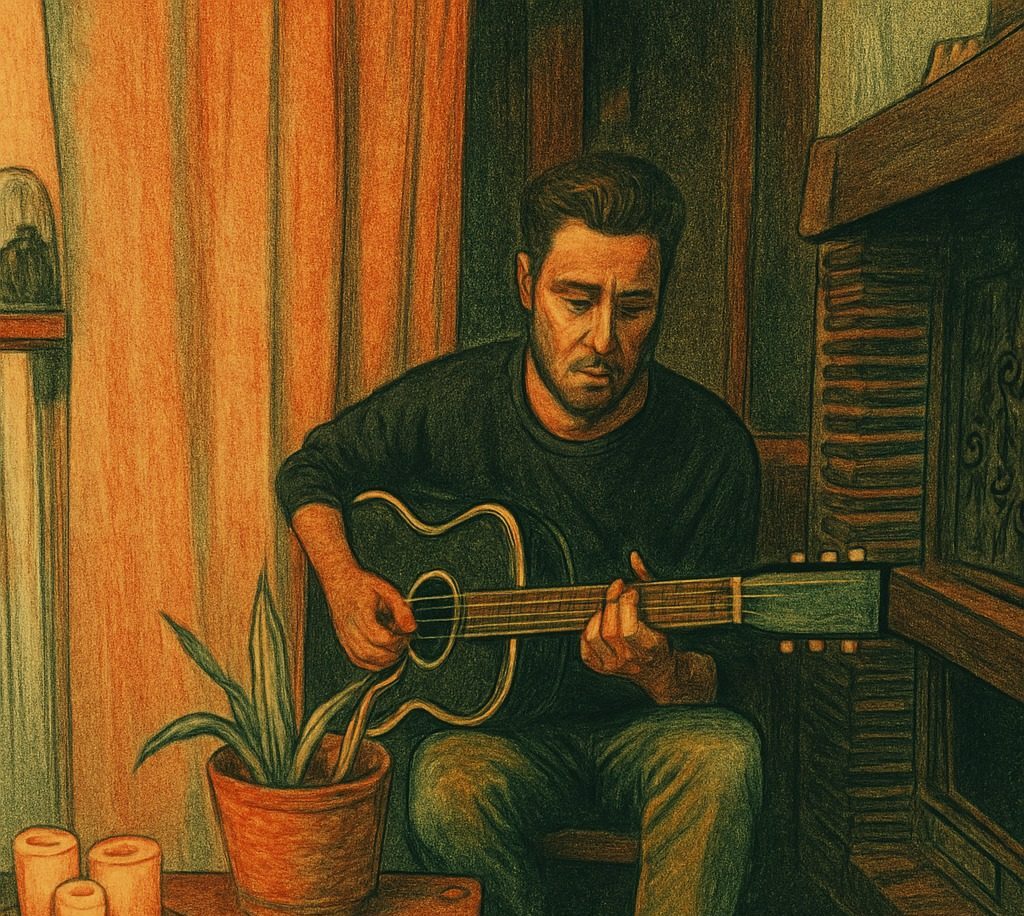
Hello everyone, it’s your host Tehillah from DULAXI, and today I’m delighted to be joined by French songwriter Julien Daval, the creative force behind the indie folk-pop project FloreJack. Based in Paris, France, FloreJack brings together melodic songwriting, organic acoustic textures, and emotionally driven storytelling, creating music that places human experiences at the centre of every composition.
Today, we are exploring Mode7, the debut album from FloreJack, released on 19th April 2026. Described as a complete musical story rather than a collection of individual songs, Mode7 takes listeners through a deeply personal narrative shaped by fear, grief, uncertainty, healing, and hope.
Before we begin our conversation with Julien Daval, here’s what you need to know about today’s featured project.
ABOUT FLOREJACK
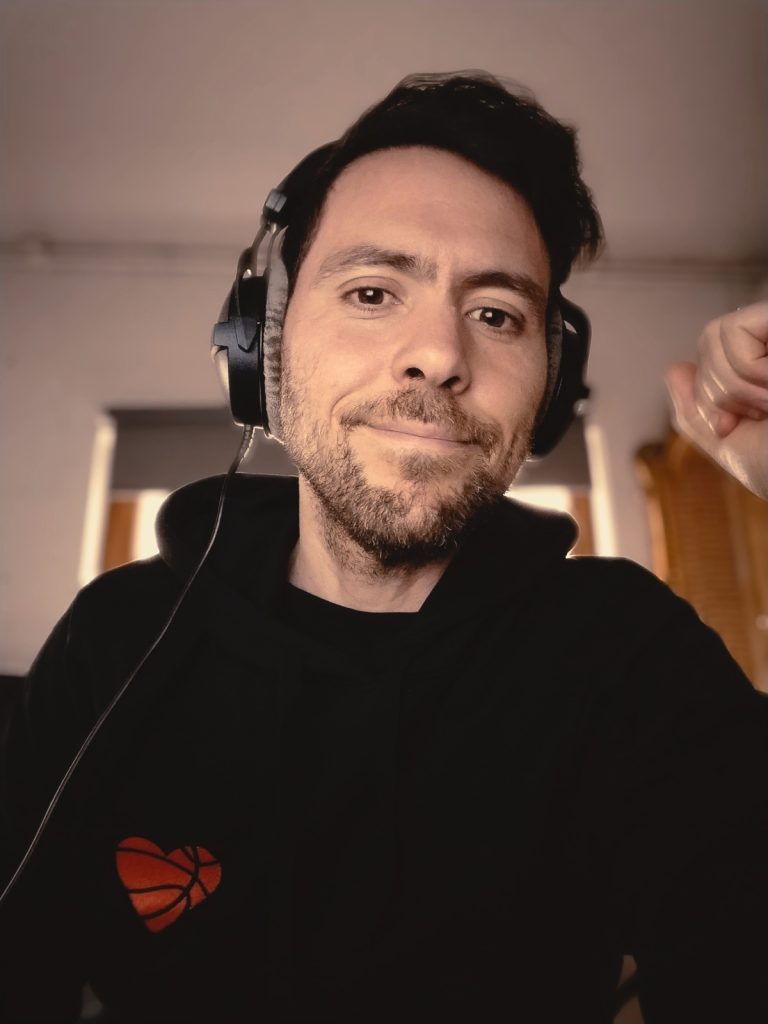
FloreJack is the independent folk-pop project created by French songwriter Julien Daval, an artist whose creative approach is built around emotional honesty, memorable melodies, and carefully crafted arrangements that always serve the story before the production.
Before creating FloreJack, Julien experienced different chapters of his musical career, including fronting previous bands and working with established labels such as Play On and Warner Music. Those experiences gave him valuable insight into the process of bringing music to life, from early ideas through to completed releases. However, with FloreJack, he chose a different path, embracing complete artistic independence and allowing each creative decision to be guided by the emotional truth of the music.
Mode7 represents the clearest expression of that artistic freedom. Written during Julien’s recovery from a life-changing accident, the album does not focus solely on pain or struggle. Instead, it explores the healing power of imagination, resilience, and the ability to rediscover beauty even during the most difficult moments.
Rather than creating a fictional fantasy world, Julien transformed real experiences, places, people, and memories into a modern folk tale. The castles, bridges, trees, animals, and characters that appear throughout the album are rooted in reality, allowing deeply personal moments to become something universal. Through this approach, Mode7 becomes a reflection on how imagination can help people process life, find hope, and reconnect with themselves.
Across ten interconnected songs, Mode7 unfolds like chapters in a story. Each track contributes to the larger emotional narrative, creating an experience designed to be heard from beginning to end. The album moves naturally between intimate acoustic performances and expansive indie folk arrangements featuring strings, drums, electric guitars, vocal harmonies, and cinematic textures, while maintaining a consistent emotional identity throughout.
Drawing inspiration from artists such as Paul Simon, Neil Hannon, Fiona Apple, Damon Albarn, and The Shins, Julien combines thoughtful songwriting with rich musical detail while developing a sound that remains distinctly his own. His work reflects a belief that music should not simply entertain but should create a deeper connection between the artist and the listener.
With Mode7, FloreJack presents more than a debut album. It introduces an artistic world built around storytelling, vulnerability, and the belief that even difficult experiences can become sources of creativity and meaning.
Having this brief introduction to today’s featured project, I’m sure both new listeners and longtime fans are excited to hear directly from Julien about the story behind FloreJack, the creation of Mode7, and the experiences that shaped this remarkable record. So, without further ado, let’s begin today’s interview.
INTERVIEW SESSION
Tehillah:
Before FloreJack became your artistic identity, you experienced life both as the frontman of previous bands and as an artist working with established labels. Looking back on that journey, what experiences shaped you the most, and how did they ultimately lead you toward creating music on your own terms?
FloreJack:
Oddly enough, it wasn’t playing in bands that shaped Mode7 the most.
Of course, those years taught me how to bring a project to life—from the very first idea to the final master and the physical release. I learned discipline, preparation, and how to finish what I started.
But this album came from something completely different: an overwhelming need to tell one very specific story. I knew from the beginning that it couldn’t be told by a band. A band is about sharing a vision. Everyone brings a part of themselves into the songs, and that’s exactly how it should be. But Mode7 was too personal for that. It needed a single voice.
That doesn’t mean I was alone, though.
While recording, I could still hear the voices of my old bandmates in my head. My keyboard player saying, “Are you seriously using that chord inversion?” My drummer laughing, “A shaker? Here? What is this, 1985?” Those voices became friendly ghosts. They never disappeared.
But for the first time, I had to learn an entirely new skill: not how to write better songs, but how to communicate exactly what I was feeling. How do you make someone experience something they have never lived?
To do that, I had to let go of almost everything I had learned. I even had to silence the advice of incredibly talented people I had been lucky enough to work with over the years. Not because they were wrong—they weren’t—but because this story demanded something different.
For the first time in my life, I stopped working like a craftsman trying to satisfy everyone around him. I simply listened to my own emotions and hoped they would be enough to make someone else feel them too.
Tehillah:
Recovering from a life-changing accident became an important chapter in your life, yet instead of allowing that experience to define your music through pain alone, you chose to focus on imagination, resilience, and hope. What emotional transformation took place during that period that made you want to tell this story from that perspective?
FloreJack:
That’s a difficult question to answer without becoming emotional.
When I was at the rehabilitation centre, I met people who were suffering far more than I was. And yet I was in constant pain myself.
What struck me was that there seemed to be two kinds of patients. Those who still had hope—and those who didn’t.
The people I met who had lost that hope were… extraordinary. They almost never complained. They smiled. They worried about everyone else before thinking about themselves.
It felt as though the most beautiful souls had been asked to carry the heaviest burdens.
They taught me everything. Together with my therapists, they didn’t just rehabilitate my body—they brought my soul back to life.
Life sometimes forces us to wear masks, to play roles, to make compromises until we forget who we really are. Strangely enough, that terrible period became a rebirth.
My body is broken. My soul sees more clearly than ever.
The songs that came during those months are the result of that rehabilitation—not only of the body, but of the heart. I became the child I once was again, only with the knowledge of an adult.
I had to let go of every false certainty and admit that I hadn’t understood much about life.
The extraordinary people I met there, the nature I could see from my hospital bed—even the fox that occasionally came beneath my window—they wrote those songs.
I was simply the lucky man who happened to collect them.
Tehillah:
Choosing complete artistic independence after previously working with record labels is a significant decision for any musician. What did creative freedom allow you to explore in Mode7 that you feel may not have been possible earlier in your career?
FloreJack:
Working with record labels was an immense privilege.
I still remember signing those contracts. It felt like getting accepted into Harvard. I was incredibly proud. Those experiences taught me professionalism. They taught me to arrive in the studio fully prepared, to understand how the music industry works.
I don’t particularly love the business side of music, but that’s not the labels’ fault. They don’t create the rules—they simply help artists navigate them.
The bigger challenge was me.
I’ve always been someone who wants to make people happy. I wanted to please the A&R, the producers, my bandmates, everyone around me.
For the first time, I stopped asking myself whether other people would like what I was doing.
Instead, I became completely devoted to the story.
If an instrumental bridge—even a beautiful one—pulled the listener away from the emotional path of the album, it disappeared.
In a band, or on a label, you might keep it because it’s a great musical moment. Here, I didn’t care. It only stayed if it was true.
Even though this world only exists inside my imagination, it has rules. It has a history. Nothing exists simply because it looks or sounds beautiful. Everything exists because it tells the story more honestly.
Looking back, I don’t know whether another label could have given me that same freedom.
What I do know is that, with the body I had, the means I had, and the life I had at that moment… it was exactly the right way to make this record.
And I also learned something priceless during that time, thanks to my occupational therapist: You can create an extraordinary amount with very little.
Tehillah:
Your music draws inspiration from artists such as Paul Simon, Neil Hannon, Fiona Apple, Damon Albarn, and The Shins, all of whom have distinctive approaches to songwriting and storytelling. Which qualities from these artists have had the greatest influence on your own creative philosophy, and how have you transformed those inspirations into something uniquely FloreJack?
FloreJack:
I think the simplest answer is that they all feel true.
I know “authenticity” has become an overused word, but that’s genuinely what I hear when I listen to them. They don’t just tell stories—they make you feel as though you’re living inside them.
When Fiona Apple compares mistaking a paper bag for a bird with mistaking a lover for a little boy, everything suddenly makes emotional sense. The melody, the rhythm, the words—they become one single feeling.
When Neil Hannon tells the life story of an ageing woman with his unique blend of elegance and humour, or when Paul Simon writes a line as simple as “A bad day’s when I lie in bed and think of things that might have been,” they remind me that great songwriting isn’t about showing how clever you are.
It’s about making someone feel less alone.
The same thing happens when I listen to The Shins. Sometimes I don’t even know exactly what James Mercer means, yet somehow I can see every image he sings about. That’s the kind of magic I admire.
Damon Albarn is different. His sense of texture—both vocally and instrumentally—is extraordinary. The same goes for Alex Turner. They’re musicians I admire enormously, but I don’t think I could ever imitate what they do.
What I learned from the others wasn’t a chord progression or a production technique.
It was courage. The courage to write exactly what I feel.
And finally, after thirty-four years of writing songs, the courage to accept that not everyone has to understand them.
Whatever happens… happens.
Tehillah:
FloreJack feels like much more than a musical project. It presents an entire artistic world where music, lyrics, imagery, and storytelling all belong together. When you first envisioned FloreJack, what kind of artistic identity were you hoping to create, and what values continue to guide that vision today?
FloreJack:
The funny thing is… I never imagined FloreJack.
He was born in October, 2022. I know that sounds strange, but that’s how it feels to me. He simply appeared.
Before that, I spent years trying to become this or that kind of artist. Then the accident happened, and suddenly none of that mattered anymore.
All I had was a story.
I didn’t know whether my body would hold together. I didn’t know if I would end up back in hospital before finishing the record. So I recorded it as though it were the last thing I would ever leave behind. I poured everything into it. My love for my wife. My love for nature. For animals. For the tiny moments that remind us life is still beautiful.
During the recording of Mode7, I also became vegetarian. It wasn’t a political statement. It simply no longer matched what I felt.
So when you ask about FloreJack’s identity, I don’t really think in terms of identity anymore.
I think in terms of values. This album became my musical testament.
My only obsession was to remain faithful to what I truly felt, instead of worrying about whether people would approve.
And if life gives me enough health to keep making records… that’s exactly how I want to keep creating until the very end.
Tehillah:
You describe Mode7 as a complete story rather than a collection of individual songs, with each track representing a chapter that naturally leads into the next. What inspired you to structure the album like a novel, and how did that narrative approach influence your songwriting from beginning to end?
FloreJack:
Most of the songs were written during that extraordinary period of my life.
It just so happened that each important moment produced a song.
Very early on, I realised they could only exist in one order. There was never really a decision to make.
Blindly had to come first because it belongs to the life before the accident.
Shut Your Eyes Open had been written years earlier, but when I woke up in intensive care, it came back to me like an old friend. Suddenly it belonged there too.
The songs weren’t arranged afterwards. Life arranged them for me.
People often say the album feels like a novel, but I actually think it’s closer to a memoir.
I wasn’t inventing chapters. I was simply living them.
The only place where I deliberately broke the chronology is the final track.
I didn’t want to describe what came after, because that story is still being written.
Instead, I returned to one very early memory. A simple harp melody that came to me one evening in hospital. That night I made myself a promise. “If I survive this, I’ll make this album.”
Ending Mode7 with that memory felt more honest than pretending I already knew how the story ends.
Tehillah:
One of the most fascinating aspects of Mode7 is that the castles, bridges, trees, rabbits, and people featured throughout the story all exist in real life. Instead of inventing a fictional world, you transformed reality into modern folklore. What drew you to this approach, and how did blending memory with imagination help you tell your story more truthfully?
FloreJack:
I don’t believe everything should be shown. In fact, I think we’ve become far too comfortable showing absolutely everything simply because we can. I’ve always believed that truth reaches people’s hearts more deeply when it’s approached with a little modesty.
A little mystery. A little tenderness.
The same way we don’t truly fall in love with someone because they reveal everything about themselves on the first day.
So I never wanted to make an album about broken bones, medical procedures, or suffering.
There was already enough beauty in the real story.
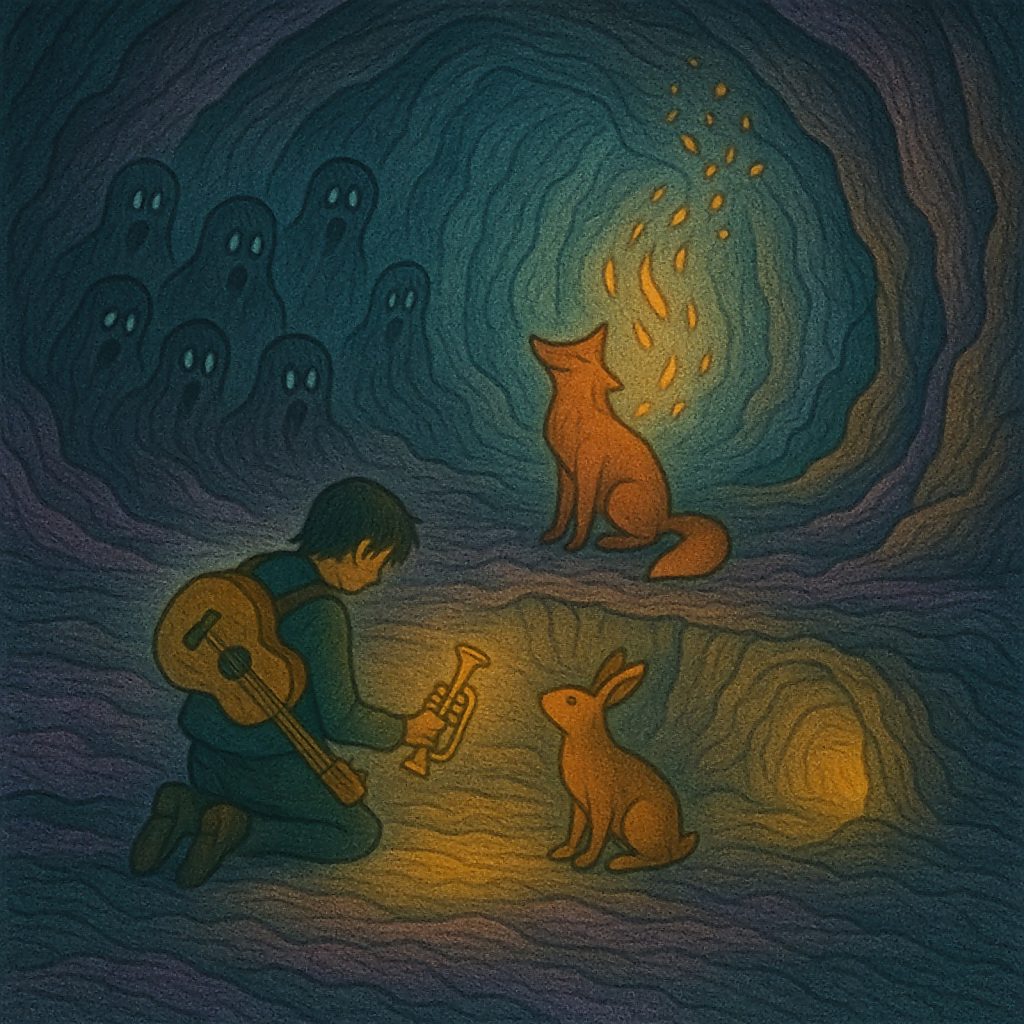
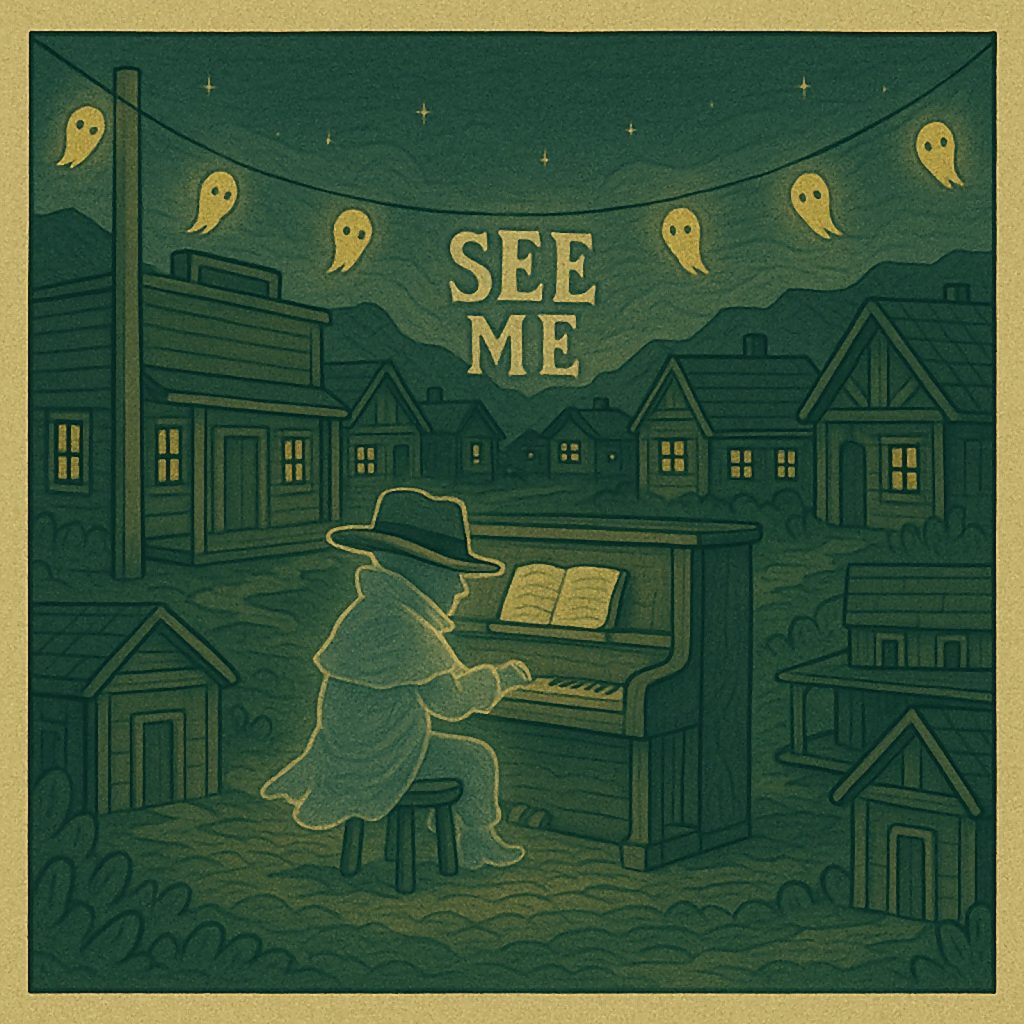
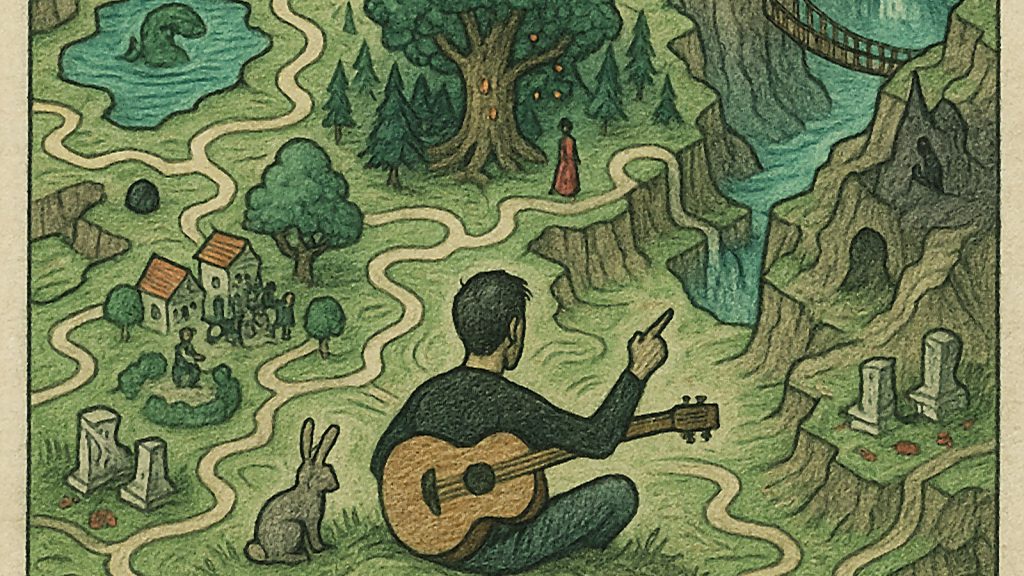
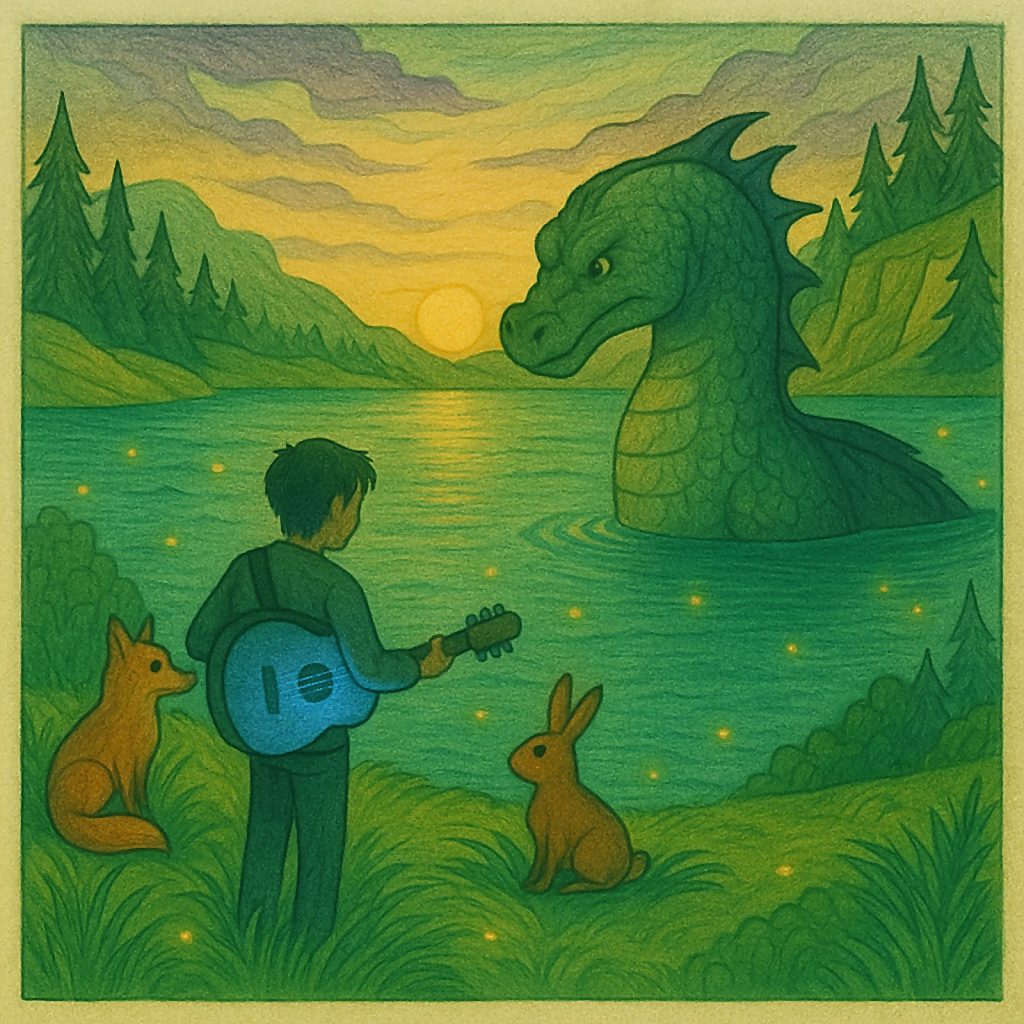
My only job was to let that beauty grow until it became a fairy tale. And yet… everything in that fairy tale is real. The fox existed. The rabbit existed. Ghost Boy existed for me.
They all played an emotional role during those months, so giving them a place in the story felt perfectly natural.
People sometimes ask me how much of Mode7 is fiction. To me, none of it is.
I simply chose to tell the truth of my heart instead of the truth you would tell your doctors.
Both are true. Mine just happens to look like a folk tale.
Tehillah:
Although the album was born during your recovery, it never feels defined by tragedy. Instead, it gradually reveals hope through imagination and emotional resilience. Why was it important for you to create an album that looks beyond suffering rather than remaining trapped within it?
FloreJack:
Because that’s what I learned there. Nobody gave me a lecture about resilience.
People simply lived it. The extraordinary patients I met taught me not to focus on what had been taken away from us, but on what remained. They taught me to do the best we can with what we still have.
I have never been surrounded by brighter people than inside a rehabilitation centre.
When your body becomes a prison for a long time, your imagination has to become your freedom.
And that’s when I realised something that has stayed with me ever since.
What happens to us does not define us. The way we respond does.
I’m not saying that because I’m particularly wise. I’m saying it because other people taught me. My hope was never to give listeners a lesson. I simply wanted them to feel what I had been lucky enough to discover.
The joy of going beyond your own body. The joy of laughing in the middle of a blood transfusion. The joy of realising that suffering and happiness are sometimes able to exist in exactly the same room.
That’s why Mode7 isn’t really about pain.
It’s about hope refusing to disappear.
Tehillah:
Throughout the album, listeners encounter themes of fear, grief, uncertainty, healing, and personal growth. As you developed the narrative, were there particular moments where the fictional journey began reflecting emotional truths that surprised even you?
FloreJack:
Yes, absolutely.
Looking back now, I think the songs knew more than I did.
That’s often how writing works for me.
I’m French, but I’ve always composed and improvised in English. Not because I don’t love French—I do—but because English gives me a very particular kind of freedom.
I know the language well enough to express myself, yet it’s still distant enough that I sometimes stop analysing every word as I sing. Something simply comes out.
Only later do I realise what I’ve actually said. The first improvisations are incredibly precious to me. That’s where lines like “I can make you happy if you let me go,” or “By the way I’ve got no air, but somehow I feel safe,” first appeared.
I didn’t sit down to invent those ideas. They arrived.
My job was simply not to get in their way.
What surprised me most wasn’t necessarily the meaning of those lines. It was the fact that, despite everything I was living through, the melodies themselves were full of hope.
That’s when I understood I had found the emotional direction of the album.
From that point onwards, my only responsibility was to protect whatever had emerged naturally. Because if anything deserved to survive all my rewriting… it was that first fragile truth.
Tehillah:
Melody sits at the heart of every song on Mode7, while the arrangements evolve from intimate acoustic performances into expansive moments featuring strings, drums, vocal harmonies, and electric guitars. How did you determine which musical colors each chapter needed in order to support its emotional purpose without overwhelming the story itself?
FloreJack:
I’ve always believed there’s nothing more disappointing than an album where every song sounds like a variation of the previous one. Even as a child, I wanted records to take me somewhere.
I feel exactly the same way when I’m writing a single song. A song should travel.
Sometimes through the lyrics. Sometimes through harmony. Sometimes simply through sound.
But while making Mode7, I also had to learn restraint. I knew the opening song had to begin almost naked because I was asking the listener to enter a deeply personal memory.
Merry, on the other hand, tells the story of the night of the accident. Strangely enough, I ended up treating it almost like an African love song. People sometimes find that surprising. But to me, that’s exactly what the song is. Yes, something terrible happened. But what remained afterwards wasn’t hatred. It was love.
I’ve often joked that the darker the subject, the more groove I want the music to have. That contrast feels profoundly human to me.
In the end, every musical choice had the same purpose. The lyrics tell the truth. The melody reveals the soul behind that truth. And the arrangement exists only to illuminate both.
Tehillah:
Your philosophy seems to place emotion before production, allowing every arrangement to serve the story instead of drawing attention to itself. During the recording process, how did you balance musical sophistication with the intimacy that gives the album its deeply human character?
FloreJack:
First of all, thank you. That’s a beautiful compliment.
The funny thing is, I’ve never tried to sound sophisticated. If anything, I wish I were.
At my core, I’m simply a man with a guitar. Whenever an arrangement became more ambitious, it wasn’t because I wanted to impress anyone. It was because I genuinely felt the story needed it.
The person who kept me honest throughout the whole process was actually my wife.
She loves hearing me with nothing more than a guitar or a piano. So whenever I proudly played her some elaborate arrangement, she’d often smile and say, “Why did you spoil it?”
We’ve laughed about that so many times that her voice eventually became part of my creative process.
Even today, whenever I add another instrument, I immediately hear her asking,
“Do you really need that?”
Most of the time, she’s right.
The only moments that survived are the ones where I could honestly answer, “Yes.”
I’ve also always loved musical progression.
Instrumental bridges are probably my favourite moments in songwriting. Sometimes I joke that I work for three minutes just to earn those twenty seconds. To me, they’re not decorative. They’re another point of view in the story. Another breath. Another sentence that doesn’t need words.
So if I do have a philosophy, it’s probably this: never question genuine emotion. Question everything else.
Tehillah:
The sequencing of Mode7 feels intentional enough that rearranging the songs would fundamentally change the listening experience. How carefully did you design the emotional pacing of the album, and what kind of journey were you hoping listeners would experience from the opening track to the closing chapter?
FloreJack:
The emotional pacing wasn’t designed afterwards. It happened while I was living it. Each song belongs to a very specific moment in those three years.
Blindly remembers the life that existed before everything changed.
Shut Your Eyes Open became the sound of waking up after the crash, not knowing whether I was alive or dead.
Painted belongs to the first weeks of rehabilitation.
New Breath carries the fear of further surgery.
Quirky Chips is the moment I tried to convince my wife she would be happier without me.
One chapter simply led to the next.
That’s why turning the album into a folk tale felt so natural. I wasn’t trying to disguise reality. I was trying to make people feel what it was like to walk through it.
The only place where I consciously changed the chronology is the ending. I didn’t want to invent a happy ending while I was still living the story. So instead I returned to one particular night in hospital.
There was a leak in the ceiling. Cold water kept dripping onto my broken leg. The smell in the room was awful, there were no other rooms available, and moving me wasn’t really an option. A nurse opened the window, covered me with blankets, and stayed beside me throughout the night.
While listening to that water dripping… a melody appeared.
That was the night I promised myself, “If I survive this, I’ll make this album.”
So I chose to end Mode7 there. Not with certainty. Not with triumph. With hope.
Because sometimes hope is the only ending we honestly have.
Tehillah:
Every return to Mode7 seems to reveal another hidden detail, musical connection, or narrative thread. Were there specific symbols, recurring melodies, or subtle storytelling elements that you intentionally embedded throughout the album for attentive listeners to gradually discover?
FloreJack:
Yes, absolutely. I love the idea that an album can keep revealing itself over time.
Some of those details are musical. Certain chord progressions reappear during moments of affirmation or resolution. They quietly connect different songs without drawing attention to themselves.
The orchestral instruments also have very specific roles.
To me, they’re almost like silent narrators.
The harp in Painted, for example, appears at both the beginning and the end of the song, just as a narrator opens and closes the curtain of a play.
The trumpet in Quirky Chips carries an entirely different meaning. In my imagination, it’s playing at my own funeral, because that song is about trying to convince my wife that she would be happier without me. Had she listened to me… I don’t think I would have recovered.
The final song uses the harp again, but this time it imitates the sound of rain falling through the night. For me, it even carries hidden lyrics that only I know.
Every instrument has its own personality. The piano represents nobility. The guitar represents the soul.
That’s why the only overdriven guitar on the album appears in the middle of Pour Camille. At that point, the soul itself feels torn apart, like a storm passing through it.
I approached the artwork in exactly the same way.
The fox who visited me outside my rehabilitation centre became the guide of the story because, in many ways, that’s exactly what he had been for me.
Even my therapists found their way into these characters.
There are dozens of little connections like these throughout the album.
Honestly… don’t get me started. I could happily spend days talking about them.
Tehillah:
Looking back at the creation of Mode7, in what ways has this album changed you, not only as a songwriter and composer but also as a person who has lived through profound challenges and found a new creative voice because of them?
FloreJack:
As a person I don’t think Mode7 changed me. I think Mode7 exists because I had already changed. The people who transformed me were my therapists, the patients I met, my wife, and everything I experienced during those years.
They gave me my life back.
As a songwriter, however, the album changed everything.
The seeds were always there, but for the first time I was physically unable to waste energy.
Pain always came back. I never knew how long I would be able to work before I had to stop. So every minute had to matter.
That forced me to focus relentlessly on the heart of each song. Not the production. Not the cleverness. The heart.
It also gave me an overwhelming sense of urgency.
When you’re young, you naturally believe you’ll always have another year to rewrite a lyric or improve an arrangement. While I was recording Mode7, I knew another operation could interrupt everything at any moment.
So I worked with an intensity I had never known before.
I wasn’t chasing perfection. I simply felt that this story had to be told. Now.
And as truthfully as I possibly could.
Tehillah:
At a time when many listeners consume music one song at a time, Mode7 encourages people to slow down and experience an album as a complete artistic journey. What do you hope listeners gain from committing themselves to the full experience rather than hearing individual tracks in isolation?
FloreJack:
First of all, thank you. That’s one of the most beautiful compliments anyone could pay an album.
I hope people leave it with a renewed love for life. That’s really the heart of it.
If, for a little while, they begin looking differently at ordinary things… a rabbit, a fox, the rain, a melody, then I’ll feel I’ve succeeded.
Of course, every song can live on its own. But together they tell an emotional story that no individual track can fully express.
That’s why Mode7 was never conceived as a collection of singles. It’s a journey.
One chapter gives meaning to the next. My only advice would be to listen to it from beginning to end at least once. Then, if people want to return only to their favourite songs afterwards, I’ll be delighted.
I just hope they allow themselves to make that first journey. And, if possible… that they aren’t too emotionally exhausted by the end (laughs).
Tehillah:
Mode7 feels like the beginning of a much larger artistic vision rather than a standalone release. As FloreJack continues to evolve, what kinds of stories, emotional landscapes, and creative ambitions do you hope to explore next, and what legacy would you ultimately like this project to leave behind?
FloreJack:
Thank you. That’s a wonderful question.
Yes, Mode7 is only the beginning.
I’ve often explained that the final song isn’t a happy ending. Not because I dislike happy endings. Simply because, at the time, I didn’t know the ending.
I’m still living it.
For a while I thought the next record would simply continue that story.
Then I realised I had spent so much time building the world of FloreJack—its history, its mythology, its roots—that I wasn’t ready to leave it.
So the next album takes a completely different direction.
Instead of moving forwards, it goes backwards. It tells the story of a woman named LineAlethia, who lived centuries before FloreJack. Through her, I can continue answering the questions left behind by Mode7 without inventing an ending that I haven’t lived yet.
Because that’s become very important to me. I don’t invent emotional truths anymore. I wait until I’ve lived them.
Every character I write is an extension of myself. LineAlethia is no exception. She simply allows me to explore different parts of who I am.
As for legacy… I honestly don’t think about it very much.
After the accident, I remember thinking, “I could have died without creating anything I was completely proud of.” That thought hurt more than anything.
So I made myself a promise. From then on, I would only create work that came from the deepest, most honest part of me.
If, ten years from now, I can look back and know that I kept that promise… that will be enough for me.
“Mode7 is a reminder that some albums are not simply collections of songs, but carefully built worlds where memories, emotions, and human experiences are transformed into something listeners can carry with them long after the final note.”
~ Tehillah (DULAXI Team)
MY EDITORIAL PERSPECTIVE
Mode7 stands as a deeply personal artistic statement where songwriting, arrangement, and storytelling work together to create a complete emotional experience. Through its carefully shaped melodies, organic instrumentation, and thoughtful progression, FloreJack demonstrates how music can transform personal experiences into something universally meaningful. Julien Daval’s approach highlights the power of restraint, imagination, and honesty, allowing every creative choice to support the larger narrative. The album feels less like a collection of songs and more like an unfolding conversation between memory, healing, and hope.
~ Tehillah (DULAXI Team)
CLOSING
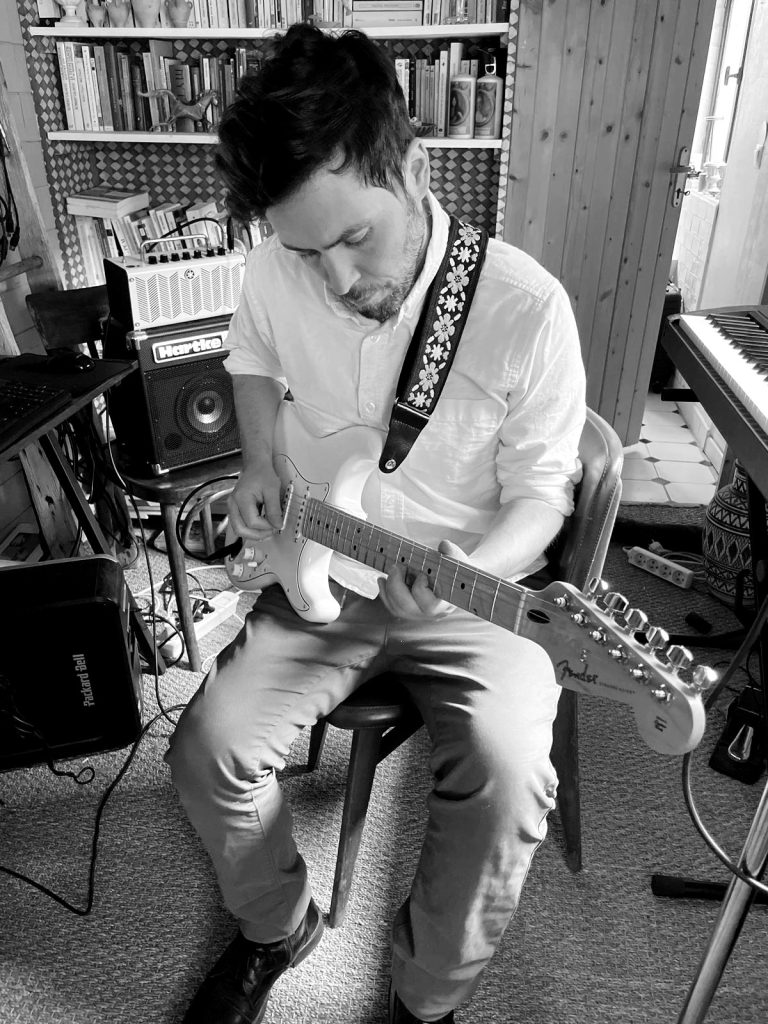
Julien, thank you for taking the time to share the story behind FloreJack and Mode7 with DULAXI. Your reflections have offered listeners a deeper understanding of the experiences, emotions, and creative decisions that shaped this remarkable project.
Through this conversation, we have explored not only the making of an album but also the importance of honesty, imagination, and the human ability to find meaning through difficult moments. Mode7 invites listeners to experience music as a complete story, one where every melody, lyric, and arrangement carries a purpose.
We encourage everyone reading to take the time to experience Mode7 from beginning to end and discover the world that FloreJack has carefully created. Continue following Julien Daval’s artistic journey as this project continues to evolve and reveal new chapters.
Thank you for spending time with DULAXI. We look forward to bringing you more conversations with talented artists from around the world and sharing the stories behind the music.