
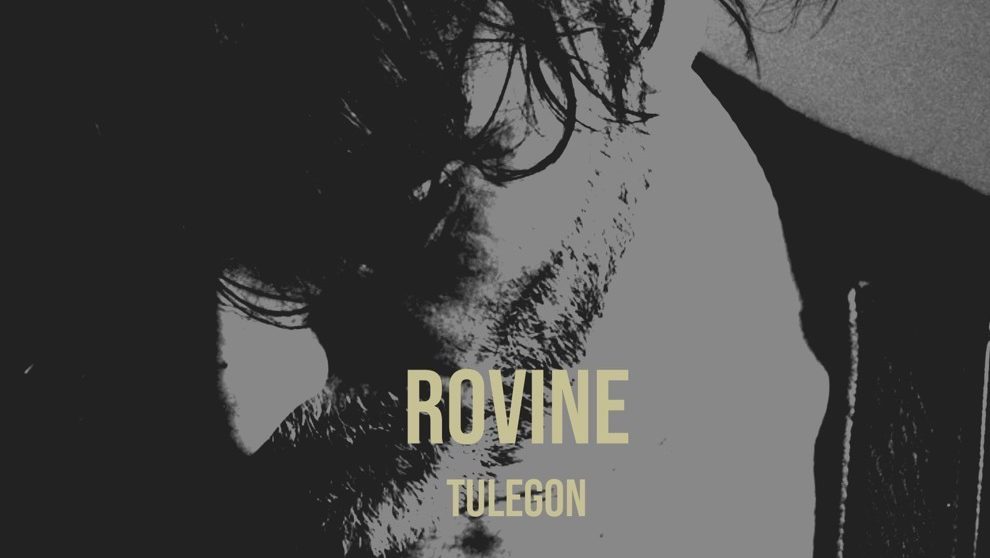
Hello everyone, it’s your host Tehillah from DULAXI, and today I’m delighted to be joined by Italian musician, producer, and singer-songwriter Tulegon, the creative force behind the deeply personal album Rovine.
Based in Milan, Italy, Tulegon brings together elements of alternative pop, acoustic songwriting, folk influences, and trip-hop textures to create music that reflects on memory, identity, love, life, and the fragile nature of human connection. Released on 1st July 2026, Rovine represents a significant artistic chapter built from more than two decades of lyrical exploration and personal storytelling.
Before we begin our conversation with Tulegon, here’s what you need to know about today’s featured project.
ABOUT TULEGON
Tulegon’s music is shaped by movement, memory, and the places that have formed his identity. Born and raised in Ostuni, Puglia, before spending important periods of his life in Rome and eventually settling in Milan in 2010, the Italian artist has developed a songwriting style deeply connected to geography, personal history, and human experience. Each location has contributed its own emotional landscape, creating a foundation for the stories and reflections that define his work.
As an independent musician, producer, and singer-songwriter, Tulegon has maintained complete creative control over his artistic direction, allowing his ideas and emotions to remain at the centre of every project. His music draws inspiration from a wide range of influences, including the poetic storytelling of Bob Dylan and Fabrizio De André, the atmospheric qualities of Sufjan Stevens, and the distinctive artistry of Paolo Conte and Baustelle. These influences merge with his own experiences to create a sound that balances intimacy, poetic expression, and contemporary musical exploration.
Before Rovine, Tulegon explored themes of identity and the complexity of the human soul through his concept album Pessoa, a project inspired by Portuguese poet Fernando Pessoa and the world of heteronyms. Through multiple languages and a blend of electropop, synthpop, trip-hop, alternative R&B, and Mediterranean influences, the album examined the fragmented nature of selfhood and the many identities people carry within themselves.
With Rovine, Tulegon turns his attention inward, bringing together more than twenty years of lyrical writing into one cohesive artistic statement. Recorded independently in Milan, the album gathers memories, relationships, and personal experiences from childhood, adolescence, and adulthood, transforming different chapters of his life into a shared emotional landscape.
The title Rovine reflects the album’s fascination with what remains after time has passed. Rather than viewing ruins as symbols of loss alone, the project explores them as traces of lived experience, reminders of relationships, choices, and moments that continue to shape who we become. Through poetic observation and occasional irony, Tulegon examines love, destiny, human fragility, and the ongoing search for meaning.
Musically, the album embraces different styles while maintaining a consistent emotional identity. Acoustic elements, alternative pop influences, atmospheric textures, and songwriter traditions come together to support the album’s reflective storytelling. Instead of allowing genre differences to divide the project, Tulegon uses each musical approach as another way of expressing the same central themes.
At its heart, Rovine is a deeply personal exploration of memory and connection. The album does not attempt to present life as simple or perfect. Instead, it embraces contradictions, imperfections, and the emotional complexity that comes with being human. Through carefully crafted lyrics and a sincere artistic approach, Tulegon invites listeners to find their own experiences reflected within his stories.
Having this brief introduction to today’s featured project, I’m sure both new listeners and longtime fans are excited to hear directly from Tulegon. So, without further ado, let’s begin today’s interview.
INTERVIEW SESSION
Tehillah:
Your music carries traces of the many places that have shaped your life, from growing up in Ostuni in Puglia to your years in Rome and eventually finding your home in Milan. How have these different environments influenced the person you are today and the way you understand storytelling, identity, and human experiences through music?
Tulegon:
Ostuni gave me the blinding white light of origins, Rome taught me the layered weight of time, and Milan offered the rigorous geometry to build my present. As Camus noted, a man’s work is nothing but a slow trek to rediscover the few great images of his youth. My music maps that long, geographical return.
Tehillah:
You have spent more than two decades writing lyrics, allowing different periods of your life to naturally become part of your artistic expression. Looking back at that long creative process, what moments or experiences made you realize that these personal stories were becoming part of a larger musical journey?
Tulegon:
It happens quietly. You write isolated lines for years, believing they are just fragments of passing days. Then, suddenly, you look back and see they form a single, continuous melody. It is like T.S. Eliot’s reflection in the Four Quartets—the end of all our exploring will be to arrive where we started and know the place for the first time. The songs are that discovery.
Tehillah:
Your work often explores themes of love, life, destiny, and the fragility of relationships. These are universal subjects, but your approach feels deeply personal and reflective. What personal philosophy or beliefs guide the way you transform your own experiences into songs?
Tulegon:
I believe, as Sartre suggested, that we are condemned to be free, entirely responsible for inventing our lives. Songwriting is how I accept that weight. I take the fragile, accidental moments of love and loss and give them an enduring architecture, turning destiny into choice.
Tehillah:
As an independent artist, you have maintained complete creative control over your music, allowing your ideas and emotions to remain untouched by outside pressures. How has independence shaped your artistic identity, and what freedoms or challenges have come with building your music entirely on your own terms?
Tulegon:
Independence is a demanding companion. It grants absolute freedom to protect your emotional truth from compromise, but leaves you alone with your doubts. There is no shield. Yet, creating on my own terms ensures that every single note belongs entirely to the honest story I feel compelled to tell.
Tehillah:
Your artistic world brings together influences from Bob Dylan’s poetic storytelling, Fabrizio De André’s lyrical depth, Sufjan Stevens’ atmospheric compositions, and the distinctive Italian artistry of Paolo Conte and Baustelle. What qualities from these artists have influenced the way you approach songwriting, and how have you transformed those inspirations into something uniquely your own?
Tulegon:
Dylan taught me that a song can hold the entire world; De André showed me how to look at the defeated with deep tenderness. Sufjan’s atmospheres, Conte’s irony, and Baustelle’s pop melancholy are languages I speak. I don’t imitate them; I let their shadows pass through my own filter, finding my true voice in the resonance they left behind.
Tehillah:
Your music has always seemed interested in the complexity of human emotions, including contradictions, memories, and the moments we struggle to understand. How would you describe the artistic identity of Tulegon today, and what kind of emotional experience do you want listeners to enter when they discover your work?
Tulegon:
Today, Tulegon is someone who has stopped fighting his own contradictions. I want listeners to step into my music as if entering an old, familiar room at dusk. It is a space where memories don’t hurt anymore, but instead offer a warm, honest shelter for their own unspoken struggles.
Tehillah:
Rovine feels like a reflection on the passage of time, collecting memories from childhood, adolescence, and adulthood into one complete artistic statement. What inspired you to revisit different chapters of your life and bring them together into a single album rather than treating each experience as a separate story?
Tulegon:
Life isn’t lived in neat, isolated compartments; our past is always bleeding into our present. Revisitng these chapters felt necessary to find the hidden syntax connecting them. As Pavese wrote, the only joy in the world is to begin. Bringing these eras together was my way of beginning again, whole.
Tehillah:
The title Rovine carries a powerful image of ruins, something connected to both destruction and history, where traces of the past remain visible. What does this word represent to you personally, and how does it connect with the themes of memory, relationships, and the search for meaning explored throughout the album?
Tulegon:
To me, a ruin is not a symbol of failure, but of resilience. It is what remains standing after the storm passes. Rovine represents the beautiful, enduring skeletons of our past relationships and choices. They show where we loved deeply, proving that what is broken still retains its majesty.
Tehillah:
One of the unique qualities of Rovine is that the album contains different styles and elements while maintaining one shared mood and emotional atmosphere. How did you approach creating such a diverse project while ensuring every song still felt connected as part of the same artistic vision?
Tulegon:
The unity comes entirely from the emotional core. You can dress a ghost in different clothes, electronic textures, acoustic guitars, or sweeping cinematic strings, but it remains the same ghost. I let the variety of styles serve the storytelling, keeping the underlying atmosphere anchored in absolute sincerity.
Tehillah:
Your songwriting often carries a poetic and sometimes ironic perspective, allowing moments of warmth and reflection to exist alongside deeper questions about life and human connection. How does irony influence the way you tell stories, and why is it important for you to include both tenderness and complexity within your music?
Tulegon:
Irony is the courtesy of deep feeling; it keeps us from falling into the trap of self-pity. Life is simultaneously tragic and absurd, and music must reflect both. By balancing tenderness with a sharp, ironic smile, I can look at our heaviest vulnerabilities without breaking under their weight.
Tehillah:
Many of your songs are built around intimate observations of relationships and the fragile nature of existence. When writing about personal experiences, how do you decide which memories or emotions are ready to become part of a song, and how do you preserve the truth of those moments while shaping them artistically?
Tulegon:
A memory is ready when it stops stinging and begins to illuminate. I have to wait until the raw emotion subsides enough to reveal its poetic form. To preserve its truth, I avoid airbrushing the ugly parts; honesty is found in the cracks, not in a polished surface.
Tehillah:
Recording Rovine independently in Milan allowed you to personally oversee the creation of the album from beginning to end. Can you describe your creative process during the recording stage and how working independently affected the emotional connection you had with the final result?
Tulegon:
It was a solitary, almost artisanal process. Milan provided a quiet, focused backdrop where I could experiment without clock-watching. This total immersion meant every sonic choice was a direct, unfiltered expression. The final record feels like an exact, intimate map of my internal landscape during those months.
Tehillah:
Your previous concept album Pessoa explored themes of identity, fragmentation of the self, and the complexity of the human soul through multiple languages and musical influences. How has that exploration of identity continued to evolve into Rovine, and what new parts of yourself did this album allow you to discover?
Tulegon:
Pessoa was an exploration of the masks we wear, the fragmented selves. Rovine is the moment you take off those masks and face the landscape left behind. It allowed me to discover that beneath all the multiple identities, there is a singular, quiet voice that finally knows how to heal.
Tehillah:
Your connection to language and culture appears to be an important part of your artistry, from Italian songwriting to your use of different linguistic influences in previous work. How do language, place, and cultural memory shape the emotions and meanings behind the stories you choose to tell?
Tulegon:
Language is the home of the soul. Italian carries a specific, melancholic weight and a lyrical density that shapes how I feel pain and joy. Choosing a word is choosing a geography; culture dictates the light through which we view our deep, universal ghosts.
Tehillah:
After more than twenty years of writing, releasing Rovine represents the culmination of a significant creative chapter. What have you learned about yourself as a songwriter throughout this process, and how has your understanding of music changed from the artist you were at the beginning of this journey?
Tulegon:
I learned that songwriting is an exercise in surrender, not control. At the beginning, I wanted to prove something, to build monumentally perfect songs. Now, I understand that music is simply a vessel for honesty. I have become gentler with my flaws, and far more patient with the silence.
Tehillah:
Albums like Rovine often create a very personal connection because listeners can find pieces of their own lives within someone else’s memories. When someone spends time with this album, what emotions, reflections, or questions do you hope they carry with them afterward?
Tulegon:
I hope they find a quiet sense of companionship. I want them to realize that their own secret griefs, nostalgia, and unanswered questions are shared. Ultimately, I hope the album leaves them with the comforting realization that our personal ruins are not dead ends, but sacred places.
Tehillah:
As you continue your artistic journey after Rovine, what new stories, sounds, or creative directions are you interested in exploring, and how do you hope Tulegon’s music continues to grow while remaining connected to the emotional honesty that defines your work?
Tulegon:
I want to move toward simpler, rougher sounds, stripping away everything that isn’t absolutely necessary. The direction matters less than the commitment to truth. Hemingway famously wrote that the world breaks everyone, and afterward, some are strong at the broken places. I hope my music keeps changing, remaining faithfully open to life’s unexpected fractures.
“Rovine feels like a collection of memories transformed into a living landscape, where personal history, human vulnerability, and quiet reflection meet through Tulegon’s deeply thoughtful songwriting. The album reminds us that the fragments left behind by time can still carry beauty, meaning, and connection.”
~ Tehillah (DULAXI Team)
MY EDITORIAL PERSPECTIVE
Tulegon’s Rovine presents songwriting as an act of reflection, bringing together poetic storytelling, intimate arrangements, and personal memories shaped by years of experience. The album’s strength lies in its emotional honesty, where acoustic textures, alternative influences, and lyrical depth work together to create a space for contemplation. Through a balance of vulnerability and restraint, Tulegon transforms individual experiences into stories that invite listeners to consider their own memories and connections.
~ Tehillah (DULAXI Team)
CLOSING
Tulegon, thank you for taking the time to share your thoughts, creative process, and personal reflections with DULAXI. This conversation offered a deeper understanding of the experiences, influences, and artistic ideas that shaped Rovine, while allowing listeners to discover more about the person behind the music.
For everyone discovering Tulegon’s work, we encourage you to spend time with Rovine and experience the memories, emotions, and stories woven throughout the album. Every listener brings their own perspective and experiences to music, and this release creates a meaningful space for personal reflection and connection.
Thank you for joining us for another DULAXI interview. We appreciate you spending this time with us, and we look forward to bringing you more conversations with inspiring artists from around the world.
Until the next interview, keep discovering new music.