

Brynja Rán’s “Unblurred,” released on 25 October 2026, is the long-awaited debut album from the Reykjavík-based singer, and its songs keep returning to the same questions: what memory preserves, what the end of a relationship makes clear, and how a person measures their own worth afterwards. Across the songs examined here, the music sits between indie pop and melodic pop rock, opening with guitar and synthesizer parts before a smooth, full-bodied voice settles into a conversational, storytelling delivery. The pacing stays moderate and balanced, the choruses hold the highest intensity, and the production is professional while the vocal performances stay intimate.
Bjarki Ómarsson produced the album and Grammy-nominated Glenn Schick mastered it, and the release arrives with momentum behind it. Four singles have already come from “Unblurred” this year, each passing 100,000 streams, and Brynja Rán’s earlier EP “Seven” has passed one million. “Unblurred Lines,” the album’s third song, is the focus single, and the four songs examined here share enough in their writing, vocal approach and arrangement to suggest a record with a consistent identity. That consistency is a strength, because it lets the lyrics do the varying: each song approaches love, trust, memory and self-worth from a different position.
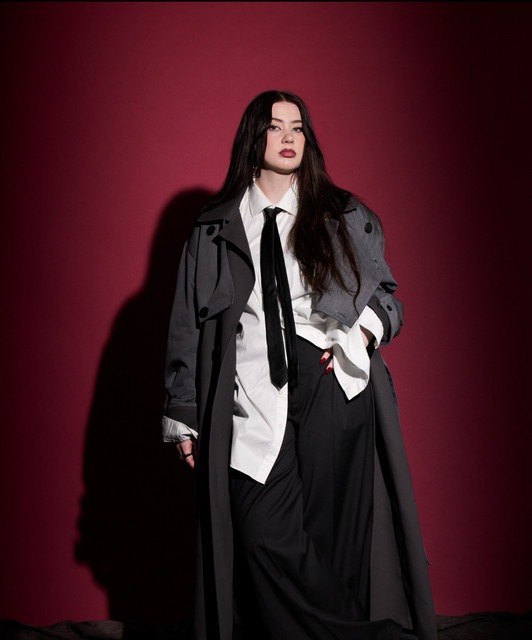
Cowboy Wannabe:
Brynja Rán’s “Cowboy Wannabe” is built on clever narrative lyricism, and its subject is a relationship examined through self-worth and accountability. Trust and separation anchor the story, while loneliness, change, resilience and personal growth also run through the writing, so the song looks at the relationship and at the person inside it. The lyrics are strongest in their storytelling and candour, and the vocal delivery suits both: conversational enough to sound like someone talking events through, reflective enough to leave room for the accountability the writing explores. The tone is soft, smooth and full-bodied, and the first impression is intimate and captivating. The chorus brings the most expressive singing and the song’s climax, where its changing feelings reach their highest intensity, and by the closing moments the mood has settled from reflection into acceptance, with a trace of curiosity still lingering.
The instrumental arrangement speaks before the voice does. Guitar and synthesizer or keyboard parts arrive first, alongside ambient sound effects that are part of the opening, and the melody and mood they set up hold attention while building curiosity about the song ahead. Once the vocal enters, acoustic and electric guitars, bass, drums and keys carry the song. The guitar is melodic, textured and atmospheric, taking much of the melody while supporting the voice, and the bass is subtle yet driving and groovy, sitting alongside tight, energetic drums. The keys fill the space around the vocal with warmth and texture, which keeps the arrangement balanced and organic. The pacing stays moderate and balanced, and the chorus peaks through the expressive vocal and the dynamic drumming. The production is professional, and the song suits night-time listening on headphones, where its textures are easiest to hear.
Deja Vu:
Brynja Rán’s “Deja Vu” is a song about memory, and its themes pair romantic love with heartbreak and separation before widening to loneliness, self-discovery and personal growth. Nostalgia colours all of it, and the result is bittersweet, with the writing looking back at a love that has ended yet still holds a place in memory. Storytelling and honesty are the strongest elements of the lyrics, and the vocal serves them closely: smooth and intimate on first impression, conversational and reflective in delivery, so that the song sounds like remembering aloud. The chorus is again the vocal peak and the climax, and what lingers afterwards is a blend of reflection and nostalgia. The song ends with a lasting impression, and its mood settles from reflection into acceptance.
The arrangement is hauntingly atmospheric. Guitar, synthesizer or keyboard and ambient sound effects open the song, and in this case the ambient effects stay present alongside the acoustic and electric guitars, bass and drums from start to finish, which keeps the song’s remembered, haunting quality constant. The guitar is melodic, atmospheric and emotional, the bass is subtle and groovy beneath it, and the drums are tight and dynamic. The keys add warmth, fill space and intensify the feeling around the vocal. The production is professional and also warm and intimate, a combination that keeps the song close to the listener even with ambient effects filling the arrangement. Headphones and night-time listening suit it best, along with quiet personal reflection.
Unblurred Lines:
“Unblurred Lines,” the album’s third song and its focus single, takes its title from a chorus in which unblurred lines come to light, making it plain that the narrator and the partner are no longer together and now stand on opposite sides of a line that had once been vague. Trust and separation sit alongside resilience, self-worth and change, with memory and nostalgia colouring how the story is told, and the lyrics are strongest in their storytelling and their candour about vulnerability and connection. Brynja Rán sings in a smooth, intimate voice with a conversational, storytelling delivery that is expressive enough to carry the chorus, where the performance reaches its peak. The song’s lingering mood combines reflection and nostalgia, and its closing feeling is acceptance.
The arrangement is full, with acoustic and electric guitars, synthesizers, bass guitar and drums among its instruments, yet it stays balanced and organic, so no single layer crowds the vocal. The guitar carries much of the melody with a textured, atmospheric tone, the bass is warm and groovy, and the drums are tight, energetic and dynamic, which makes the chorus the clear high point. Synthesizers fill space and add warmth, and ambient sound effects remain present throughout. The sound sits within indie and indie rock, yet the melody and the smooth vocal keep it accessible, in line with a song that is easy for most listeners to enjoy. The pacing is moderate and balanced, the production professional, and the song seems best suited to personal reflection, night-time listening or driving.
Make Me Feel:
Brynja Rán’s “Make Me Feel” turns toward connection. Its themes of romantic love and trust sit alongside self-discovery, personal growth, memory and nostalgia, and unlike the other three songs, separation is not among them, so the focus is on connection and on how it changes the person at its centre. The lyrics are most convincing in their storytelling and honesty, and the performance matches that with a captivating, smooth and intimate vocal, conversational and reflective in delivery yet expressive when the chorus arrives. The soft, full-bodied tone keeps the song close, and the mood after the final note is one of reflection and nostalgia, settling into acceptance.
The arrangement follows the same instrument-first approach, with guitar, synthesizer or keyboard and ambient effects introducing the song and holding attention through melody and mood. The keys play a clear supporting role: they add warmth and texture, fill the space around the vocal and intensify the feeling as the song proceeds. Melodic, textured guitar, a warm, subtle and groovy bass line and tight, dynamic drums complete a balanced, organic instrumental arrangement, and the acoustic and electric guitars, bass, drums and keys remain in place from beginning to end. The pacing is moderate and balanced, the production professional, and the chorus again marks the climax.
What ties these four songs together is a shared method as much as a shared subject. Each opens with instruments, usually guitar, synthesizer and ambience, before the voice arrives; each keeps a moderate pace; each places its peak in the chorus; and each settles into reflection and then acceptance, with nostalgia or curiosity lingering at the close. The lyrical territory is consistent too: relationships at different stages, memory, self-worth, and a candour that treats storytelling as the main tool. For a listener going from one song to the next, the effect is a stable identity, built from the same smooth, conversational voice and the same balanced, organic instrumental arrangement, while the lyrical situation changes from song to song.

Unblurred Looks Back On Love And Separation With Clear Eyes, Turning Memory, Nostalgia And Self-Worth Into A Steady Kind Of Acceptance.
~ Daniel (DULAXI Team).
Brynja Rán arrives at “Unblurred” with a musical background rooted in soul, funk, jazz and R&B, years of vocal and instrumental practice, and Amy Winehouse, Lana Del Rey and Billie Eilish among her inspirations, yet the songs here speak in an indie pop and pop rock voice that is her own. Following earlier shows in the UK, Iceland and Slovakia, she performs at Iceland Airwaves this year with this album as her latest release. “Unblurred” succeeds because its strengths are consistent: a smooth, full-bodied voice that treats each song as a story, instrumental arrangements balanced enough to keep each chorus clear, and lyrics honest about trust, memory and self-worth. For what comes next, the strongest direction is the one this album already follows: authentic storytelling, music that connects with listeners, and songwriting at this level.
For more information about Brynja Rán, click on the links below.