

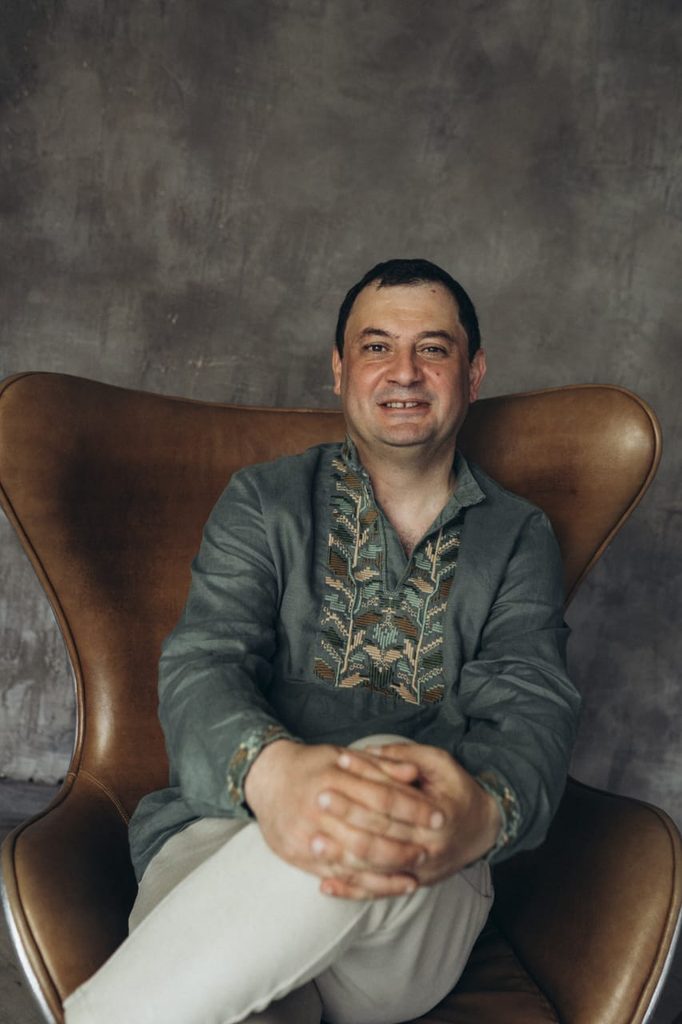
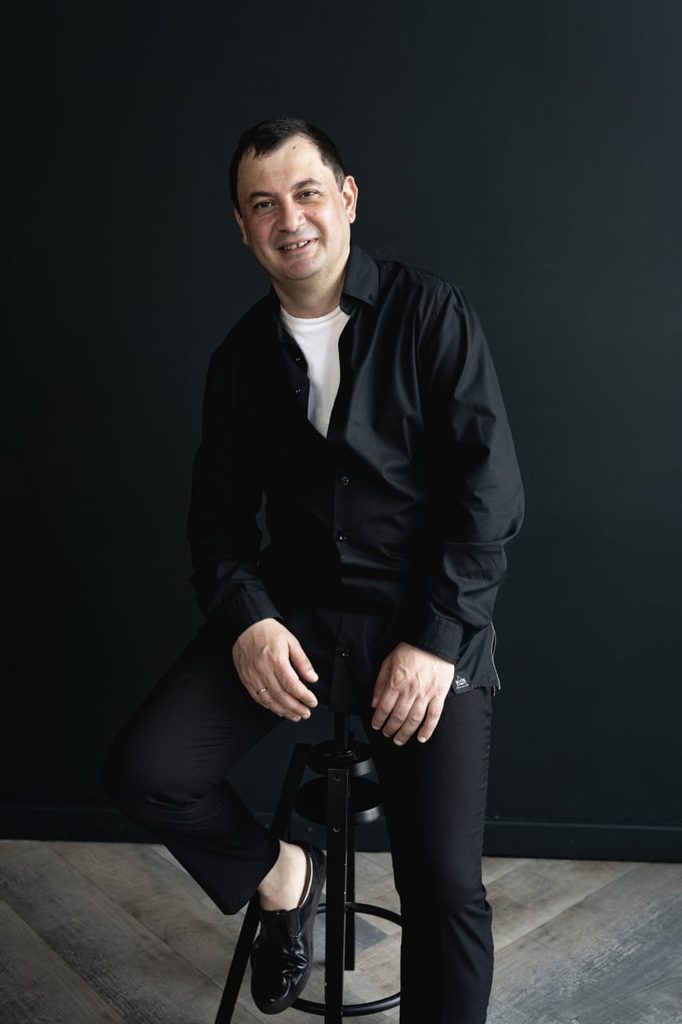
Usein Bekirov’s “Dedication,” released on 4 September 2026, is an album of eight original compositions in which grief takes the form of piano-led jazz, fusion and funk. It was written by a Ukrainian Crimean Tatar pianist, composer and bandleader after the loss of his father, Riza Bekirov. Bekirov plays piano and keyboards and serves as composer and arranger throughout, surrounded by an international cast that includes Vinnie Colaiuta, Chris Dave, Hadrien Feraud, Keyon Harrold, Kenneth Whalum, Rick Braun, Eric Marienthal, Yakiv Tsvietinskyi, Wayne Escoffery, Bar Filipowicz and David Hawkins. The record keeps intimate reflection and muscular, rhythmically complex playing in the same space, so tenderness and urgency sit beside each other instead of competing.
Riza Bekirov was a classically trained cellist and pianist whose ethno-jazz work with the ensemble Sato showed his son a world where tradition and experimentation could coexist. When he passed away in the spring of 2026, Bekirov answered the loss by returning to the musical language the two had always shared. Born in Fergana, Uzbekistan, in 1982, he draws on Crimean Tatar and Ukrainian musical languages and sets them in conversation with contemporary jazz harmony, funk, fusion, classical composition and improvisation. Folk melodies shape the construction of the music itself, including its melodic contour and rhythmic identity, so they do not function as decoration around a jazz arrangement. That approach makes “Dedication” an argument about inheritance, with heritage presented as something living that can travel and change without leaving its origins behind. The album was produced by Randy Jackson, Robert L. Smith and Victoria Kohana, mixed by Keith Gretlein and Robert L. Smith, and mastered by Gretlein in Los Angeles.
Bear Mountain:
Usein Bekirov’s “Bear Mountain” makes its case without a single lyric, treating instrumental storytelling as the whole argument. Its themes are dreams, life lessons and creative freedom, and the track presents technical mastery and unrestrained invention as partners. Vinnie Colaiuta on drums and Hadrien Feraud on bass anchor that idea with rhythmic authority, a reflection of the album’s wider decision to place celebrated players in service of the composition. I found the opening immediately arresting, because the arrangement, rhythm and energy all announce themselves at once, and the track holds that grip through a progression full of contrast and surprises. What remains afterward is a mix of inspiration and excitement, which suits a piece aimed at listeners who value contemporary jazz-fusion, elite instrumental musicianship and intricate groove structures.
The instrumental arrangement opens with piano, guitar, drums, synthesizer and keyboard parts alongside sound effects and ambient details, and it stays balanced even as the layers multiply. The electric guitar carries melody and drives the rhythm in the same breath, with an emotional edge that keeps the technical display tied to feeling. Feraud’s bass is deep, punchy and tight, while Colaiuta’s drumming is forceful, energetic and complex, and together they supply both the track’s drive and its sudden contrasts. Keyboards and synthesizers carry part of the melody and add warmth and texture, softening the muscular rhythm section so the arrangement never turns harsh. The pacing stays moderate and balanced until the bridge and solo section, which marks the high point as the intensity rises from calm toward its peak. The production is exceptional, keeping every part distinct, and the track is best heard on headphones during a night drive.
Skybins Portrait:
Usein Bekirov’s “Skybins Portrait,” featuring David Hawkins, Bar Filipowicz, Yakiv Tsvietinskyi and Wayne Escoffery, is the most inward-looking of the four pieces discussed here, and its themes reflect that. Memories, nostalgia, purpose and life lessons shape the writing, while the emotional direction leads from reflection toward acceptance, a trajectory that suits an album written after a loss. A fluttering, atmospheric piano introduction opens the track and raises curiosity before the rest of the ensemble is revealed. By the time it ends, reflection, nostalgia and inspiration remain, which makes it a natural fit for listeners drawn to introspective music and emotional storytelling. The collaboration between Bekirov and his featured musicians matters because their shared playing carries the honesty of the writing, and it adds to a distinctive musical identity that no vocal is needed to express.
The instrumental arrangement is spacious and richly layered, with piano and keyboard parts at the front, joined by electric guitar, bass, drums, percussion and strings. That spaciousness is the track’s defining strength: the balanced mix leaves room around each instrument, so the guitar’s melodic, atmospheric lines and the warm, melodic bass can both be heard clearly. The drums are tight, energetic and groovy, supplying a pulse that keeps the unhurried pacing from drifting. Keyboards and strings add warmth and texture and carry part of the melody. The bridge is the high point, a soaring instrumental exchange that stands out precisely because the rest of the track keeps such a relaxed pace. With production of exceptional clarity, the piece suits personal reflection, headphone listening and quiet evenings at home.
Delusion:
Usein Bekirov’s “Delusion,” again featuring Bar Filipowicz, Yakiv Tsvietinskyi, Wayne Escoffery and David Hawkins, has the widest thematic range of the four. Self-discovery, healing, personal growth, resilience and hope sit alongside memories, nostalgia, change and dreams, all gathered under the idea of turning grief and memory into a living musical legacy. Without a vocalist, improvised storytelling takes over the role of narrator, and the emotional direction runs from tension toward release. Atmospheric piano and keyboard textures open the track before the full rhythm section arrives, and I found that entrance immediately attention-grabbing. The feeling that lingers afterward is a mix of reflection, inspiration and curiosity, and the piece appeals most to listeners who enjoy emotional storytelling, introspective music and artistic experimentation within contemporary jazz and fusion.
The instrumental arrangement is spacious, layered and textured, drawing on piano, bass, drums, strings and horns, including saxophone and trumpet, synthesizers and keyboards, and ambient sound effects. There is no guitar, so the piano, synthesizers and horns take on the melodic and harmonic lead. The bass is warm, deep and driving, while the drums are tight, groovy and complex, giving the arrangement a firm footing beneath the shifting dynamics. Keyboards add warmth and texture and supply the cinematic moments that mark the track’s larger gestures. The pacing is moderate and balanced, with the fluid tempo shifts typical of progressive jazz-fusion, and the central solo sections and the exchange between piano and horns form the peak. The mix is immaculate, giving each acoustic and electronic instrument its own distinct space.
June:
Usein Bekirov’s “June,” featuring Vinnie Colaiuta, Hadrien Feraud, Rick Braun and Eric Marienthal, replaces a lead vocal with keys and brass, and the lead voices make the swap convincing. Their tone is warm, rich and smooth, and their delivery is soulful, passionate and expressive, so the melody carries the same intimacy a singer would bring. Memories, nostalgia, dreams and purpose shape the themes, and the strongest quality of the composition is its honest melodic storytelling. Rich keyboard and synthesizer pads with ambient touches open the track before the rhythm section arrives, which gives the first moments a captivating calm. Reflection and inspiration remain after it ends, and the piece is aimed at jazz and fusion enthusiasts, audiophiles and anyone drawn to introspective, experimental music.
The instrumental arrangement balances piano, bass, drums, brass, synthesizers and keyboards in a richly layered, textured design with clear dynamic contrast. Feraud’s bass is deep, punchy, groovy and tight, and Colaiuta’s drumming is tight, energetic and complex, so the rhythm section stays precise even at its busiest. The brass lines of Braun and Marienthal weave through that rhythmic detail, and the keyboards carry melody, fill space and add warmth and texture while providing the cinematic moments. The pacing remains moderate and balanced, and the extended solo section in the bridge marks the climax, where the track shifts from calm to intensity. The production is exceptional, and the piece rewards reflective listening, headphones, nighttime playback and long journeys.
The four pieces discussed here show how “Dedication” treats grief as a range of states. Skybins Portrait offers quiet acceptance, Delusion turns tension into release, and Bear Mountain and June let intensity and rhythmic urgency take over. Bekirov keeps the compositions at the center instead of turning the album into a showcase for famous collaborators, and the playing of Colaiuta, Feraud, Braun, Marienthal, Hawkins, Filipowicz, Tsvietinskyi and Escoffery serves the writing throughout.
“Dedication” Treats Grief As Inheritance, Letting A Father’s Musical Language Continue Through Jazz-Fusion Where Tenderness And Rhythmic Urgency Share The Same Space.
~ Daniel (DULAXI Team).
That balance reflects a career built on both training and invention. A graduate of the Petro Tchaikovsky National Music Academy of Ukraine in Kyiv, Bekirov earned first prizes at the Rostislav Kabanchenko International Festival and the All-Ukrainian Jazz Contest and was named Best Jazz Keyboard Player at the Dodge 2004 contest. He went on to lead Freenational, Ethnovation, Bekirov Band and the Usein Bekirov Trio, collaborated with musicians such as Mike Stern, Randy Brecker, Dennis Chambers, Frank Gambale, Bill Evans, Ibrahim Maalouf, James Genus and Michael League, and received the title Honored Artist of Ukraine in 2021. His earlier releases include Taterrium, SATO, Inspiration, Free Way and Free Way Deluxe, yet “Dedication” stands apart from them because its subject is a family’s loss and what survives it. Bekirov honors his father by passing the lessons he received back into the music, and the result is a record in which influence outlasts a life and keeps changing hands.
For more information about Usein Bekirov, click on the links below.