

Fugu Dugu’s “Bucky Wanko and The Legend of Baba Yaga,” released on 1 October 2026, is a fearless original album from Chicago’s Wild East Punk band, built around a legend that begins in the shadows of the Soviet occupation of East Germany and only grows stranger from there. Eastern European folklore, klezmer, Americana and punk share the same room, and the band uses their collision to tell bigger, funnier and darker stories. The lead vocal is conversational and theatrical, the instrumental arrangement stays organic and balanced, and a warm, tight rhythm section keeps the folk-punk numbers steady. Instrumental pieces frame the wilder songs and give the album room to breathe, so the contrast between rowdy storytelling and quiet reflection becomes part of its identity.
The story at the center is part tall tale, part political fable. Bucky Wanko, a Siberian cowboy, is ensnared by the cannibalistic sorceress Baba Yaga and finds a questionable salvation through a “Romanov Dame” called Madame Broshkina. Together they storm the Continent with underground performances and become a thorn in the side of the authorities in several countries, and their legend keeps spreading. On the album, Baba Yaga is lifted out of the forest and set down in the modern world as a dangerous, fiercely independent outsider who refuses anyone else’s rules, while the songs around her explore identity, migration, rebellion, relationships and the absurdities of contemporary life. The material is sung in Romanian, Ukrainian, Russian and English, a multilingual approach that fits that interest in identity and migration. Memory, nostalgia and life lessons run beneath the folklore, which keeps the satire from feeling disposable.
Bucky Wanko:
Fugu Dugu’s “Bucky Wanko” introduces the character whose name anchors the album, and it does so with a confession that doubles as a hook: “My name is Bucky Wanko, or at least I stole his name.” That line establishes a narrator who is part folk storyteller, part trickster, and the song stays inside that voice as it covers rough childhood memories, magical realism and celestial encounters. The writing is strongest in its inventiveness and wit. A meeting with Lucifer, a stop at St. Peter’s watering hole and a darkly funny wish to crash on Satan’s couch all sound like confidences passed across a table. The lead vocal supports that impression with a warm, rich, full-bodied tone and a weathered, comforting timbre, delivered like an old friend recounting a bizarre fable over a drink. The bridge is the vocal high point, and beneath the comedy the song points toward an ending that celebrates individuality.
The instrumental arrangement opens with a warm, melodic acoustic guitar picking pattern, so the song enters through the instrument before the narrator speaks. Piano, bass, drums and keyboards follow in a balanced, richly layered mix. The guitar carries melody and rhythm, the bass is warm and groovy, the drums are tight and energetic, and the keyboards lend an old-fashioned warmth that suits the fable. The moderate folk-rock bounce keeps the pace of the story even, which lets the bridge land as the payoff when Satan’s couch, the angels and St. Peter all arrive. The production is professional, warm and intimate, and it keeps the humor close to the listener. By joining classic folk storytelling to modern alternative experimentation, the song becomes a piece of original songwriting that rewards repeat listens, whether on a drive, through headphones or at home.
Santa Maria:
Fugu Dugu’s “Santa Maria” sets a surreal scene from its first lines, with institutions breaking apart and crickets eating snakes, and the imagery is vivid enough to establish the song’s oddness before the chorus arrives. From there the lyrics cover wild scenarios, from highway encounters to basement hideaways, and their quirky, evocative creativity makes storytelling the song’s strongest feature. The lead vocal has a deep, weathered and resonant tone, and its theatrical conviction suits a story told like an epic fable passed down through generations. The chorus brings the peak. The anthemic delivery of a warm greeting to Santa Maria opens the whole song up, and each return of that refrain feels like a release. Memory, nostalgia, life lessons and existential undertones sit beneath the strangeness, which leaves a nostalgic resonance alongside curiosity.
The arrangement begins with a warm swell of acoustic guitars and subtle organ tones that sets the scene before the voice enters. Piano, bass, drums and keyboards fill out a balanced, organic mix, and a steady folk-rock groove keeps the pace infectious and measured. The bass is warm and tight, the drums are energetic and groovy, and the guitar work is melodic and rhythmic, so the verses hold a steady pulse and the hook has room to soar. A hauntingly catchy refrain and a theatrical vocal delivery make “Santa Maria” a strong anchor for the album: eccentric, colorful storytelling joined to a melodic hook that stays in the memory. The professional, warm production keeps the organic instrumentation close and intimate.
Domoy:
Fugu Dugu’s “Domoy” works as the album’s emotional anchor, a slow, reflective song about memory, nostalgia, loneliness, purpose and life lessons. Its opening lines establish a bittersweet mood that the rest of the song never abandons, and the lyrics rely on storytelling and honest longing. The lead vocal is warm, rich and full-bodied, delivered with unguarded vulnerability, like an intimate confession or a nostalgic recollection of home. The chorus is the peak, where a soaring refrain wonders whether it might be time to go home and the song’s release arrives inside that question. The shift from retrospective longing toward grounded clarity gives the song a clear arc, and it ends in acceptance, not despair.
Fugu Dugu and Domoy begin with a melancholic accordion and gentle acoustic instrumentation, and that Slavic folk atmosphere sets a reflective tone before the vocal enters. Piano, acoustic guitar, bass, drums and keyboards stay balanced and richly layered. The guitar is melodic and rhythmic, the bass is warm, subtle and tight, and the drums are controlled and minimal, so they never crowd the lyric. Keyboard and accordion colors warm the arrangement and fill the space around the voice. The slow, measured ballad pace lets each line land, and the professional, warm and intimate production suits the song best at night or alone with headphones. What remains afterward is reflection, nostalgia and melancholy.
Prologue – Muntele de Piatră:
Fugu Dugu and Enver İzmaylov’s “Prologue – Muntele de Piatră” has no vocal, so the guitar becomes the narrator, using expressive phrasing to tell a story without words. İzmaylov’s finger-style and finger-tapping technique takes the lead immediately, and the intricate, cascading notes establish a mystical, mountainous setting from the first moment and inspire a sense of awe. The themes it touches are nature, myth, dreams, nostalgia and life lessons, and the strongest element is the instrumental composition and its virtuosic execution. There is no single climax. Tension holds at a steady, spellbinding level from start to finish, which makes the piece meditative and a cohesive prelude to the record.
The instrumental arrangement is minimal, spacious and organic. The guitar has a warm, woody, crisp timbre, with subtle ambience around it, and it supplies melody, rhythm and low-end articulation by itself through percussive fingerwork and the resonance of the instrument’s body, so no separate bass or drums appear. The pace is relaxed and gradual, and the intensity increases slowly from a quiet, intricate opening to a fuller acoustic sound without losing its calm. The exceptional, warm and intimate production lets the finger-tapping detail be heard clearly. The piece sets the conceptual tone for the whole record and shows that a song does not need words to hold attention. Fans of acoustic virtuosity, and anyone listening through headphones at night, will find plenty to follow.
Kamyana Gora:
Fugu Dugu and Enver İzmaylov’s “Kamyana Gora” brings spirited cultural storytelling to the album, and the lead vocal carries it with charismatic energy. The tone is warm, rich and full-bodied, and the delivery is passionate and expressive, with a storyteller’s presence that holds attention from the first line. The lyrics are strongest in their storytelling and creativity, tying memory, nostalgia and life lessons to cultural folklore. The chorus is the high point, an anthemic surge in which vocal and instrumental parts swell together and lift the track into high gear. The feeling that lingers afterward is excitement and curiosity, with a sense of vibrant cultural resonance.
Driving acoustic guitar and violin open the song with a lively folk-punk groove before the vocal takes charge, and the interplay between the two instruments is infectious from the start. The guitar work is melodic, rhythmic and technical, with stellar artistry from guest guitarist İzmaylov. The bass is warm, groovy and tight, the drums are energetic, and the strings and keyboards warm the arrangement. A moderate pace and an upbeat gypsy-punk rhythm keep the momentum steady, while the progression from an inviting acoustic-violin opening to a high-energy peak gives the song its contrast. The production is professional, clean and polished, and the track suits a drive, a live room or headphones. It stands out as an electrifying cultural centerpiece.
You Should Be Dancing:
Fugu Dugu’s “You Should Be Dancing” was the album’s first single, released on 1 September 2026, and its title works like an instruction. The Chicago Sun-Times observed that it felt like a command to the Square Roots Festival crowd, and many people complied. The lead vocal matches that confidence with high energy and an arresting theatrical presence, in a warm, rich and full-bodied tone and a passionate storytelling delivery. The lyrics are strongest in storytelling and creativity, and they fold folklore narrative into kinetic energy while touching on memory, nostalgia and life lessons. The chorus is an explosive, anthemic release built for a crowd, and the song leaves behind an invigorated cultural groove.
A rhythmic acoustic guitar and folk instrumentation open the track with a lively, pulsing rhythm, and the upbeat tempo hooks the ear immediately. The guitar is melodic and rhythmic, the bass is warm, groovy and tight, the drums are energetic, and strings and keyboards keep the arrangement warm. A moderate, balanced pace sustains continuous momentum, and the escalation from an inviting folk-acoustic opening to a vibrant, high-tempo burst gives the chorus its force. The production is professional, clean and polished. The song shows the band’s ability to blend cinematic storytelling with rhythms that call for physical engagement as well as close attention to the words, and it should hit hardest in live performance or on the road.
Mama Tried:
Fugu Dugu’s “Mama Tried” is a gypsy-punk cover of Merle Haggard’s classic, and the choice makes sense for a band whose sound draws on Americana as well as Eastern European folk. The song keeps the outlaw storytelling of the original and runs it through high-octane alternative energy, so a country standard sits comfortably inside an album that keeps returning to outlaw tales. The lead vocal is captivating and distinctive, with charismatic energy and rich narrative presence, a warm, full-bodied tone and a passionate delivery. The chorus is the peak, an anthemic, high-energy swell in which the whole band joins the vocal. What lingers afterward is excitement, curiosity and a vibrant folk-punk resonance.
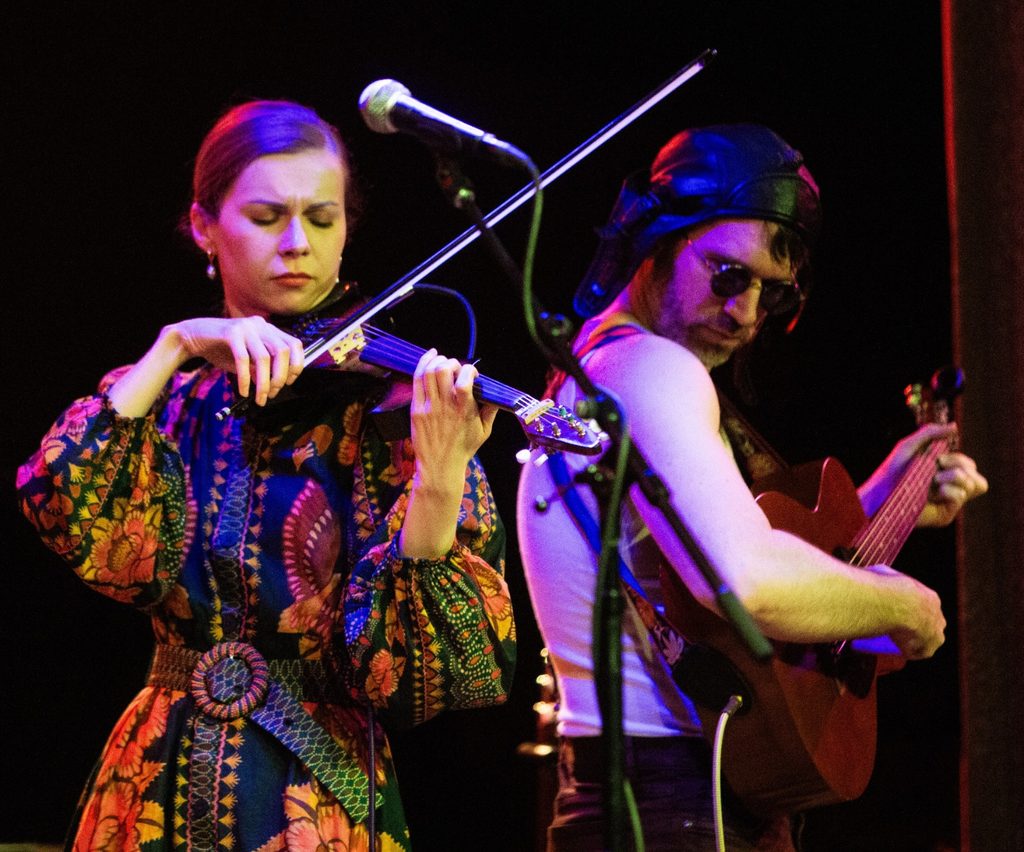
A vibrant, driving acoustic guitar and a lively violin open the track, and from the first bar it is an energetic folk-punk reimagining. Olya Prohorova’s violin arrangements stand out, and their interplay with the acoustic guitar keeps the rhythm infectious. The guitar is melodic and rhythmic, the bass is warm, groovy and tight, the drums are energetic, and keyboards warm the arrangement. The moderate pace and upbeat gypsy-folk rhythm sustain steady momentum, and the collective vocal and instrumental swell of the chorus delivers the song’s biggest moment. The production is professional, clean and polished, and the track works well for driving, live performance or headphones.
Mouthful of Diamonds:
In “Mouthful of Diamonds,” Fugu Dugu pairs evocative storytelling with infectious gypsy-punk instrumentation, and the creativity of the writing is what stands out. The lyrics blend folklore narrative with kinetic energy, and memory, nostalgia and life lessons sit beneath the surface. The lead vocal has a unique texture and distinctive character, with a warm, rich and full-bodied tone and a passionate, expressive delivery that holds attention from the first line. The chorus brings an anthemic swell and an explosive release built for a crowd. The listener is left with excitement, curiosity and an invigorated folk-punk resonance.
A charming, rhythmic acoustic guitar and violin open the song with a pulsing groove, and the upbeat tempo hooks the ear from the very first chord. The bass is warm, groovy and tight, the drums are tight, energetic and groovy, and strings and keyboards keep the arrangement warm. The guitar is melodic and rhythmic, and the moderate, balanced pace keeps the momentum continuous. The escalation from an inviting folk opening to a vibrant, high-tempo burst gives the chorus its lift. The production is professional, clean and polished, and the song suits driving, live performance and headphones. It shows how Fugu Dugu fuses rich storytelling with gypsy-punk drive.
Horse Named Tuesday:
Fugu Dugu’s “Horse Named Tuesday” leans into outlaw storytelling and folklore imagery, and its vocalist tells the story with intense character, grit and narrative conviction. The tone is warm, rich and full-bodied, and the passionate, expressive delivery treats the tale as something worth shouting about. Storytelling and creativity are again the lyrics’ strongest qualities, and memory, nostalgia and life lessons run beneath the imagery. The chorus is an anthemic, high-energy swell that delivers the song’s most unforgettable release. The result fuses traditional outlaw-folk narrative with high-octane alternative energy, and it leaves behind excitement, curiosity and a vibrant folk-punk resonance.
A lively, driving folk introduction featuring rhythmic acoustic instrumentation and strings sets an energetic tone, and the spirited gypsy-folk arrangement pulls the listener in at once. The guitar is melodic and rhythmic, the bass is warm, groovy and tight, and the drums are tight and energetic, while the keyboards keep the mix warm. The pulsing, upbeat folk rhythm holds a moderate, balanced pace and steady momentum, and the song steps up from an inviting opening to a high-octane performance. The production is professional, clean and polished, which keeps each element clear when the chorus arrives. The track plays well in the car, in a live setting or through headphones.
Midnight Special:
Fugu Dugu’s gypsy-punk reimagining of “Midnight Special” fuses traditional folk storytelling with high-octane alternative arrangements, and the vocal deliveries keep the story in front. The performance carries charismatic energy and strong narrative conviction, with a warm, rich and full-bodied tone and a passionate, expressive approach. The song draws on outlaw storytelling and cultural folklore, and memory, nostalgia and life lessons run through it. The chorus brings the strongest release, an anthemic, high-energy swell that the whole band shares. The song leaves a vibrant folk-punk resonance, along with excitement and curiosity.
A vibrant acoustic guitar and violin open the track with an energetic, driving folk feel, and the interplay between strings and guitar draws the listener in immediately. The violin work is a highlight, and the guitar is melodic and rhythmic. The bass is warm, groovy and tight, the drums are tight, energetic and groovy, and the keyboards warm the arrangement. The moderate pace and upbeat gypsy-folk rhythm sustain steady momentum, and the song builds from an inviting acoustic opening to a high-tempo, high-intensity finish. The production is professional, clean and polished, and the track suits driving, live performance or headphones.
Intermezzo:
Fugu Dugu’s “Intermezzo” is an instrumental interlude that opens with a delicate, emotive piano melody. The lush interplay between keys and strings establishes a reflective, cinematic mood and a sense of intimacy from the first notes, and the introduction builds curiosity instead of demanding attention. With no vocal, the instruments carry the narrative, and imagery is the composition’s strongest quality. The peak arrives at the midpoint, where the strings swell in harmony with the piano and bloom into full emotional clarity. Memory, nostalgia, dreams and life lessons sit beneath the music, and the arc runs from reflection to acceptance.
The arrangement uses piano, acoustic guitar, strings, keyboards and ambience in a balanced, richly layered and organic mix. The guitar is melodic and emotional, the bass is subtle and warm, and there are no drums, so the piece stays entirely acoustic and unbound by rigid percussion. The unhurried pace gives every note room to breathe, and the strings and keyboards contribute warmth, texture and atmosphere. The professional, warm and intimate production makes the interlude well suited to personal reflection, headphones, a quiet evening at home or late-night listening. The feelings that remain are reflection, peace and curiosity. As a bridge between the album’s folk-punk songs, it shows the band’s command of texture, melody and mood.
Baba Yaga:
Fugu Dugu’s “Baba Yaga” takes its name from the sorceress at the heart of the album’s legend, and its dark folklore imagery and mythology suit that role. The song opens with a haunting vocal harmony of wordless “la la la” syllables, and the striking harmonies and theatrical, gypsy-punk atmosphere hook the listener before any instrument enters. The lead vocal is captivating and distinctive, with intense theatrical flair, grit and conviction, in a warm, rich and full-bodied tone and a passionate storytelling delivery. The lyrics are strongest in their storytelling and creativity. The chorus is the peak, an anthemic, high-energy swell that lands with force.
Most songs on the album open with an instrument, but this one starts with voices, and the eerie chants make the sudden arrival of the driving folk-punk instrumentation more dramatic. Guitar, strings, bass, drums and keyboards fill out a balanced, richly layered arrangement. The guitar is melodic and rhythmic, the bass is warm, groovy and tight, and the drums are tight and energetic. The pulsing, upbeat rhythm sustains strong momentum at a moderate pace, and the collective vocal and instrumental surge of the chorus delivers the biggest moment. The production is professional, clean and polished. As a centerpiece, the song blends dark folklore with the band’s high-energy approach and a fierce vocal delivery.

Jailbreak Polka:
Fugu Dugu and Alfonso Ponticelli’s “Jailbreak Polka” is a collaboration with a strong sense of chemistry, and the spirited vocal harmonies make that clear from the start. The vocal delivery is charismatic and gritty, in a warm, rich and full-bodied tone, with a passionate storytelling approach. The lyrics turn outlaw jailbreak folklore into lively narrative, and the theme fits the album’s own story of underground performances and run-ins with the authorities. Memory, nostalgia and life lessons run beneath the fun. The chorus is the peak, an anthemic, high-energy swell that lands with real punch. The song leaves a vibrant polka-punk resonance, with excitement and curiosity.
A lively, rhythmic acoustic guitar picking pattern opens the track at an infectious, foot-tapping polka tempo, and the jaunty arrangement commands attention from the first second. The guitar is melodic and rhythmic, the bass is warm, groovy and tight, the drums are tight, energetic and groovy, and strings and keyboards warm the mix. The pace is energetic throughout, driven by a relentless polka groove that sustains high momentum, and the song steps up from an inviting acoustic opening to a high-octane finish. The production is professional, clean and polished, and the track suits driving, live performance or headphones. It fuses traditional polka rhythms with gritty alternative storytelling.
Baba Yaga’s Epilogue:
Fugu Dugu’s “Baba Yaga’s Epilogue” is an instrumental piece that opens with a delicate, music-box-like keyboard melody, and that melody establishes a reflective and intimate tone from the first notes. The track draws on memory, nostalgia, dreams and life lessons, and its strongest qualities are imagery, symbolism and creativity. Even without a vocal, the performance feels intimate, and the soft, warm tone of the keyboard carries the story. The feeling holds steady, hypnotic and peaceful from start to finish, and the closing section, where the final cascading notes fade out, brings a sense of closure. The arc runs from reflection to acceptance.
The instrumental arrangement is minimal and balanced, built on piano, keyboards, strings and ambience, with subtle string pads. There is no guitar, bass or drum part, and the absence of percussion gives the track a floating, ethereal quality. The pace is slow and relaxed, and the opening eases the listener in gently. The production is warm, intimate and professional, and the track suits personal reflection, headphones, quiet evenings at home or late-night listening. The feelings it leaves are reflection, peace and nostalgia. It serves as a peaceful, cinematic resolution to the album and gives the record a satisfying close.
Taken together, the tracks show how carefully the album balances its extremes. The vocal songs share a warm, rich and full-bodied lead voice that treats every scenario, whether a stolen name, a jailbreak or a longing for home, as a story told directly to the listener. Choruses serve as the release points in most of the faster songs, while a rhythm section built on warm, groovy bass and tight drums keeps even the wildest moments organized. The reimaginings of “Mama Tried” and “Midnight Special” sit comfortably alongside the originals because the band’s folk-punk treatment ties them to the same outlaw storytelling. The quieter pieces, “Domoy,” “Intermezzo” and “Baba Yaga’s Epilogue,” provide contrast and bring memory and nostalgia to the front. The production stays professional, warm and intimate throughout, with a clean polish on the livelier tracks, and the album should appeal to listeners who value emotional storytelling, lyrical songwriting and artistic experimentation.
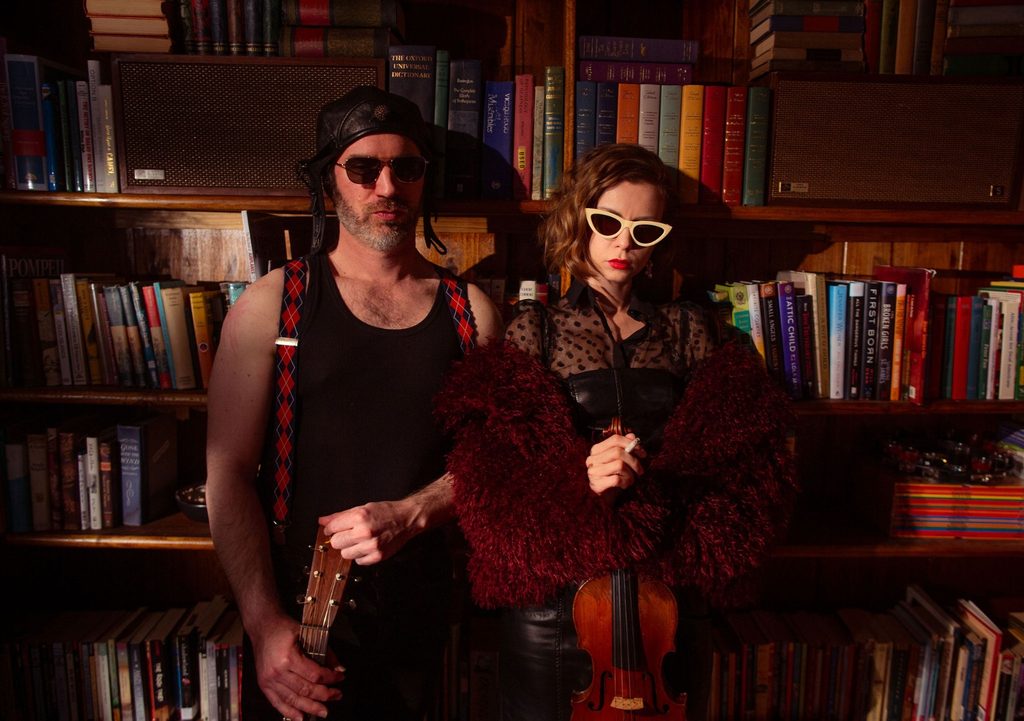
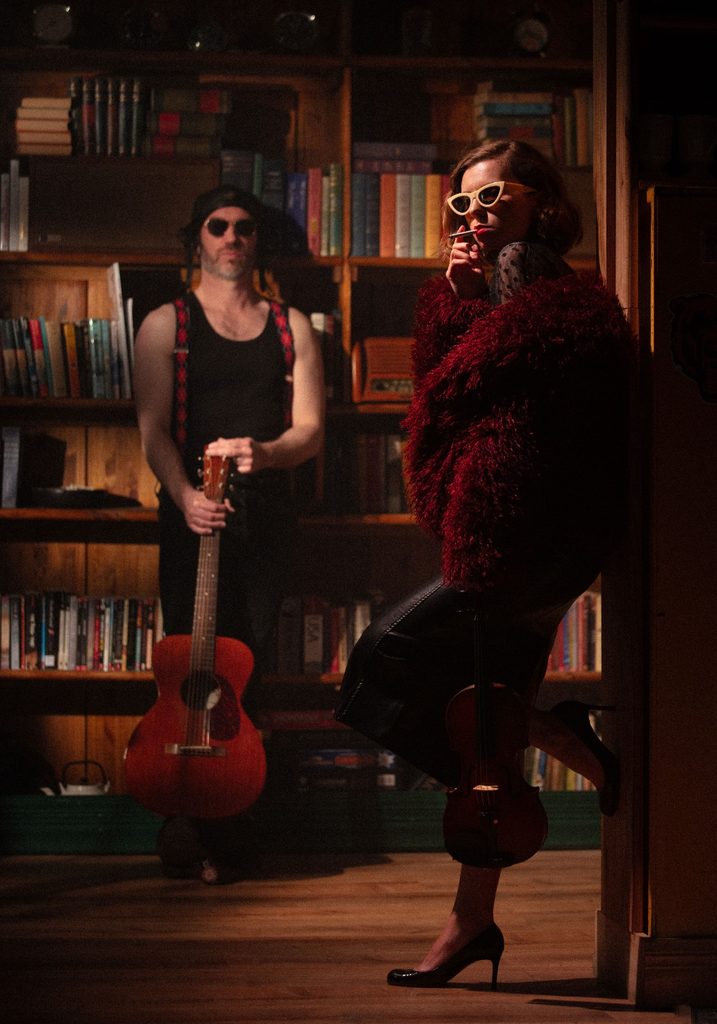
The band’s background explains the confidence of the performances. Fugu Dugu is built around Madame Broshkina, also known as Olya Prohorova, a classically trained violinist turned folk-punk force whom Oleg Skrypka, frontman of Vopli Vidopliassova, has praised as a genius on the instrument, and songwriter Bucky Wanko, a singing, guitar-slinging poet whose songs turn love, politics, folklore and absurdity into music made to be shouted back by the crowd. The band has completed a 15-city U.S. tour and collaborated with The Klezmatics, Vopli Vidopliassova and Enver İzmaylov, whose guitar work is heard on this album. A Square Roots Festival performance earned a place among the Chicago Sun-Times’ festival standouts, with the paper praising the collision of klezmer revelry and punk-rock poetry and Prohorova’s violin playing. The release is paired with the fall tour The Legend of Baba Yaga: East Meets West, which includes a hometown album release concert at Chicago’s Old Town School of Folk Music, and the band heads into 2027 as an Official Showcase Artist at Folk Alliance International in Chicago.
Bucky Wanko And The Legend Of Baba Yaga Treats Folklore As A Living Story, Turning Myth, Memory And Absurdity Into Music That Rewards Both Dancing And Close Listening.
~ Daniel (DULAXI Team).
“Bucky Wanko and The Legend of Baba Yaga” succeeds because it commits fully to its own strange world while staying human at every turn. Fugu Dugu pair a storyteller’s voice with a rhythm section that grooves, a violin and guitar partnership that keeps raising the intensity, and instrumental interludes that earn their calm. The result is an album that celebrates individuality, treats folklore as something that can still be argued with and danced to, and closes with a peaceful keyboard piece that leaves a sense of closure. For listeners who want stories with teeth, hooks that invite singing back and quiet passages that make room for reflection, this is a record to hear from beginning to end.
For more information about Fugu Dugu, click on the links below.