

HoneyBones’ “The Call of Baba Yaga,” released on 23 October 2026, is the second single from the electronic duo of Melinda Joy and Juro Kosec, and it turns the witchy archetype of Baba Yaga into dark, downtempo ritual music. The song opens in an unexpected way: a striking, high female vocal cry arrives before a dark electronic beat takes hold, and that first gesture sets the terms for everything that follows. Richly layered electronica meets rock, with a patient groove, theatrical vocals and chant-like backing harmonies shaping a track that feels ceremonial from beginning to end.
The song’s central figure is an archetype from Eastern European folklore, approached through the duo’s shared heritage and the wild landscapes of Iceland. The song treats Baba Yaga as a presence that calls, and the title frames the whole piece as a summons. Imagery is the strongest part of the lyrics, and it draws on folklore, archetype and ritual to suggest an awakening in which dreams, faith, spirituality and purpose are all in play. The call is never settled. It stays unresolved and haunting, which is why curiosity and reflection are what remain once the song ends. That open ending suits a duo whose stated aim is to explore consciousness, spirituality and the aesthetic boundaries of musical and visual expression, because the song invites the listener to wonder what answering the call might involve.

The opening is unexpected and immediately arresting. A striking, high female vocal cry comes first, and the dark electronic beat takes hold around it, so the vocal, the instrumental arrangement and the atmosphere all claim attention within the first moments. Synth and keyboard, electronic textures and sound effects share that opening space, which makes the introduction feel like the start of a ritual. The arrangement is richly layered, textured and experimental. The electric guitar is heavy and driving, yet it is also atmospheric and emotional, so it carries tension and feeling together. Synths and keyboards contribute cinematic moments, warmth and texture, and they also build emotion and add tension, which keeps the dark material from sounding cold. Together the instruments support the vocals and shape the storytelling, with every layer serving the sense of a summons being slowly delivered.
The rhythm section keeps the song patient and physical at once. The bass is punchy, driving and groovy, and the drums are powerful, energetic and dynamic, with a groove of their own, so the track holds a slow, downtempo pulse while still hitting with real force. The pacing is relaxed and the progression gradual, which gives the song the unhurried feel of a ritual that unfolds in its own time. That patience lets tension accumulate. The instruments drive the rhythm, add tension and build emotion, and the song holds back any release until the final chorus.

The vocal performance is the song’s most striking element. The first impression is captivating and distinctive, and the natural tone is dark, rich, deep and full-bodied, while the delivery is dramatic, passionate and expressive, with a storytelling quality that makes the words sound like something being recited aloud. The interplay between voices is what sets it apart. Theatrical spoken-word delivery, distorted lead vocals and chant-like backing harmonies each present a different side of the ritual: the spoken passages narrate, the distorted lead raises the intensity, and the layered backing vocals gather into a chant-like response. That gathering is where the vocal reaches its emotional peak, in the chorus, and the final chorus delivers the song’s climax. By then the tension carried through the earlier passages is released, and the ceremonial quality of the voices explains why the performance lingers after the song ends.
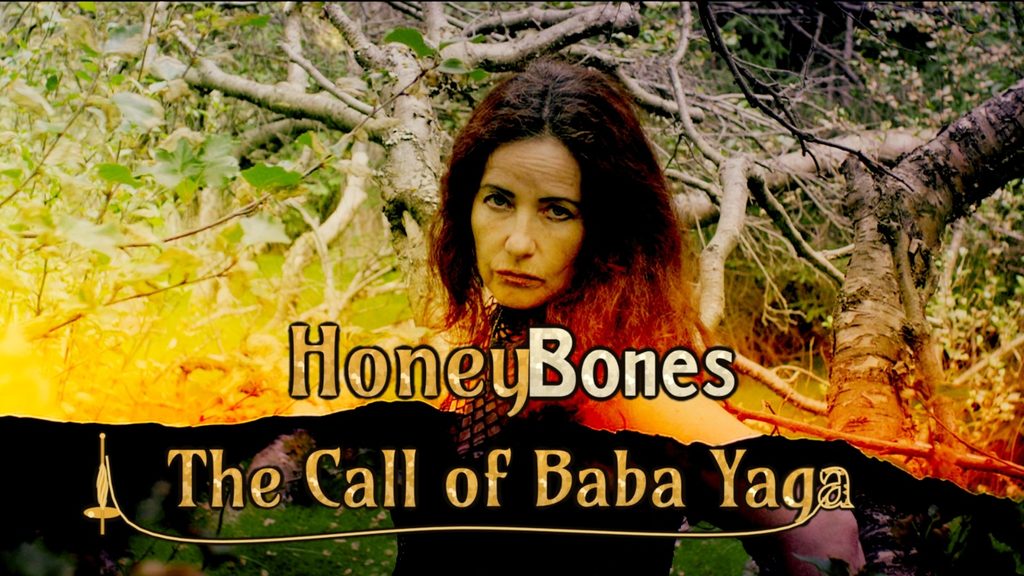
The production is professional, and its bold experimental and cinematic design is clearest in the way a heavy guitar, an electronic beat, sound effects and layered vocals are made to share one dark space. That ambition matches the duo’s stated aim: HoneyBones is a collaboration born from creative alchemy, and the name stands for the sound and feel of honey and bone. Melinda Joy is a multi-award-winning musician, author and filmmaker, a singer-songwriter and bass player whose poetic lyrics sit alongside a soulful, jazzy and lush sound that has been described as Southern Gothic. Juro Kosec, originally from Slovakia and now living in Iceland, is a musician, filmmaker, photographer and digital artist whose work explores analog warmth and electronic pulse, with a musical style reminiscent of Nick Cave and Cake. Their paths have crossed on screen before: “Out of the Blue,” Melinda Joy’s 2026 duet with Son of Cormack, was filmed and edited by Juro Kosec and has won festival recognition for Best Music Video, Best Original Song and Best Music.
“The Call Of Baba Yaga” Turns An Ancient Folklore Archetype Into A Dark Ritual That Releases Its Tension And Leaves The Summons Unresolved
~ Daniel (DULAXI Team).
“The Call of Baba Yaga” ultimately succeeds because every element serves the ritual it describes. The sudden vocal cry, the dark electronic beat, the heavy guitar and the chant-like backing voices all lead to a final chorus that releases the tension the song has held, while the call itself is left unresolved. Imagery is the strongest part of the lyrics, and the arrangement matches it with a layered, cinematic design that keeps the folklore archetype vivid and ceremonial. The song suits personal reflection, headphones, night-time listening and travelling, and the duo present it as a fit for Halloween and seasonal playlists. Listeners who enjoy emotional storytelling, introspective music, alternative, electronic and rock sounds and artistic experimentation will find the most here, and the distinctive musical identity on display is one that deserves to keep being refined.
For more information about HoneyBones, click on the links below.