
Komár Zsolt’s “Celtic Tale,” released on 28 August 2026, introduces a cinematic musical world shaped by Celtic-inspired melodies, orchestral arrangements and neoclassical influences. Built around instrumental storytelling rather than a conventional vocal performance, the composition creates an atmosphere where imagination, fantasy and musical expression come together. Its restrained introduction gradually develops into a fuller orchestral presentation, moving between delicate reflection and grand musical expression. Rather than relying on lyrics to communicate its ideas, the piece uses recurring melodies and carefully developed harmonies to suggest an unfolding narrative. This approach gives the composition a distinct identity, allowing its musical progression to communicate a story without the need for words.
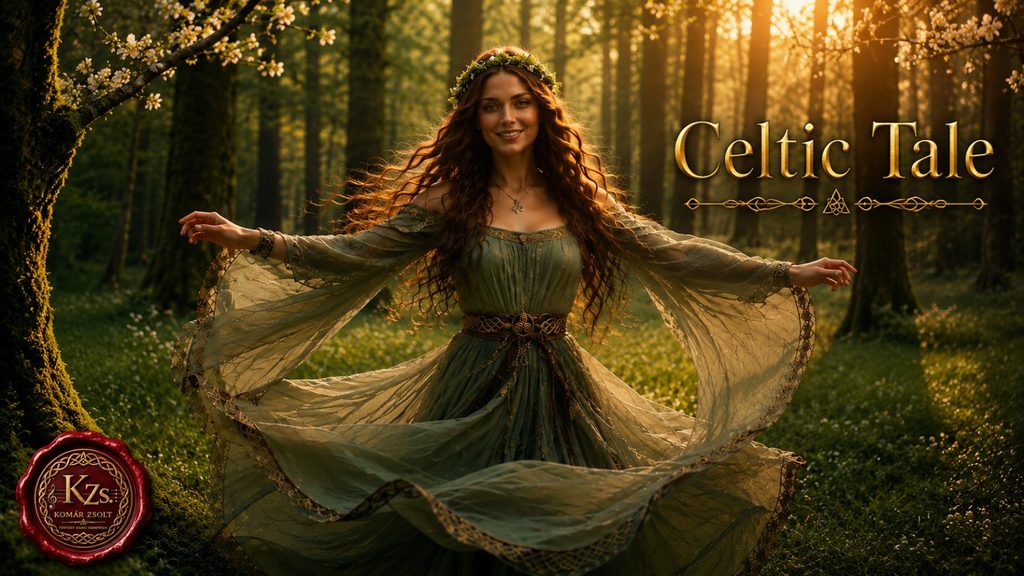
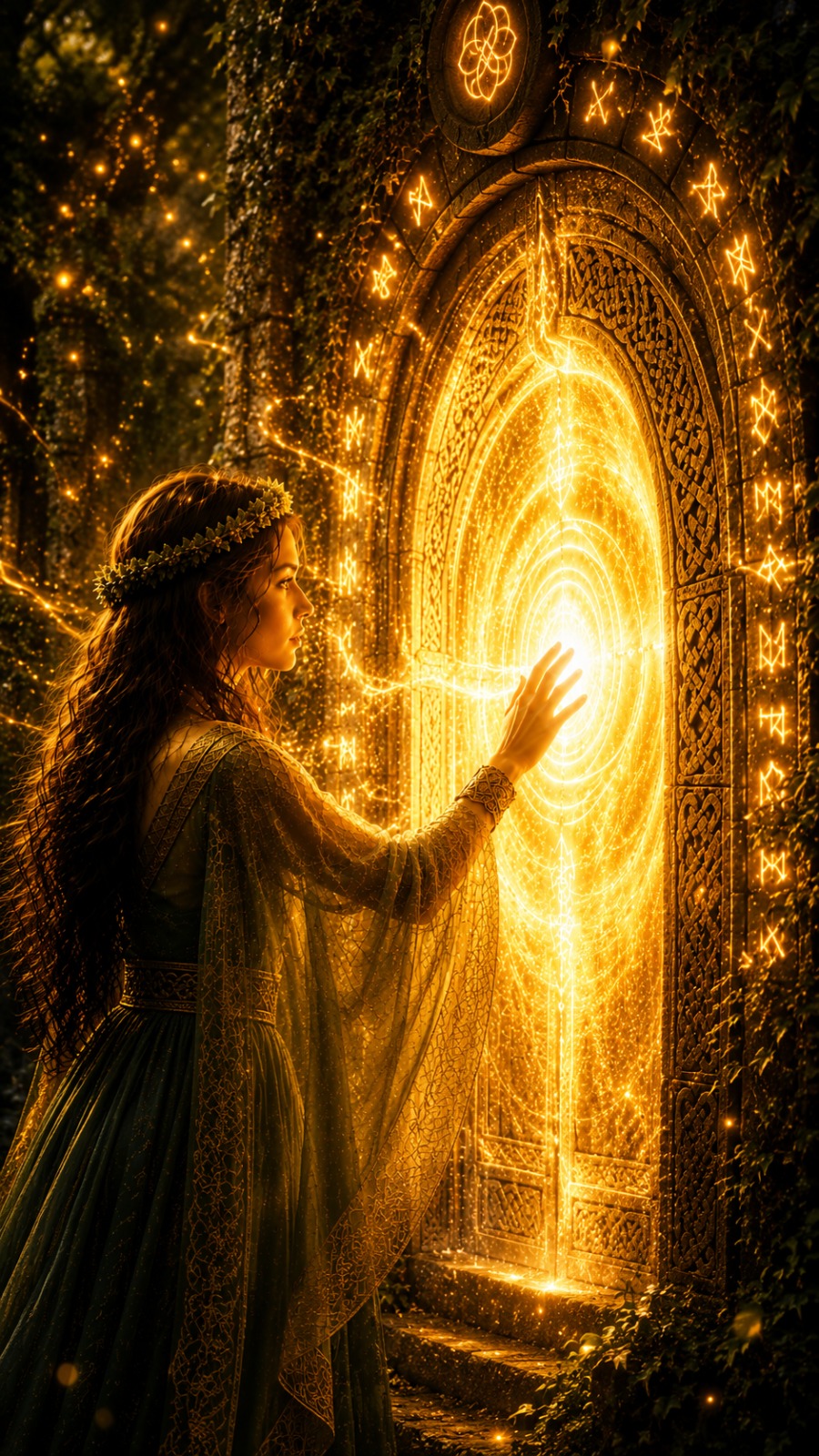
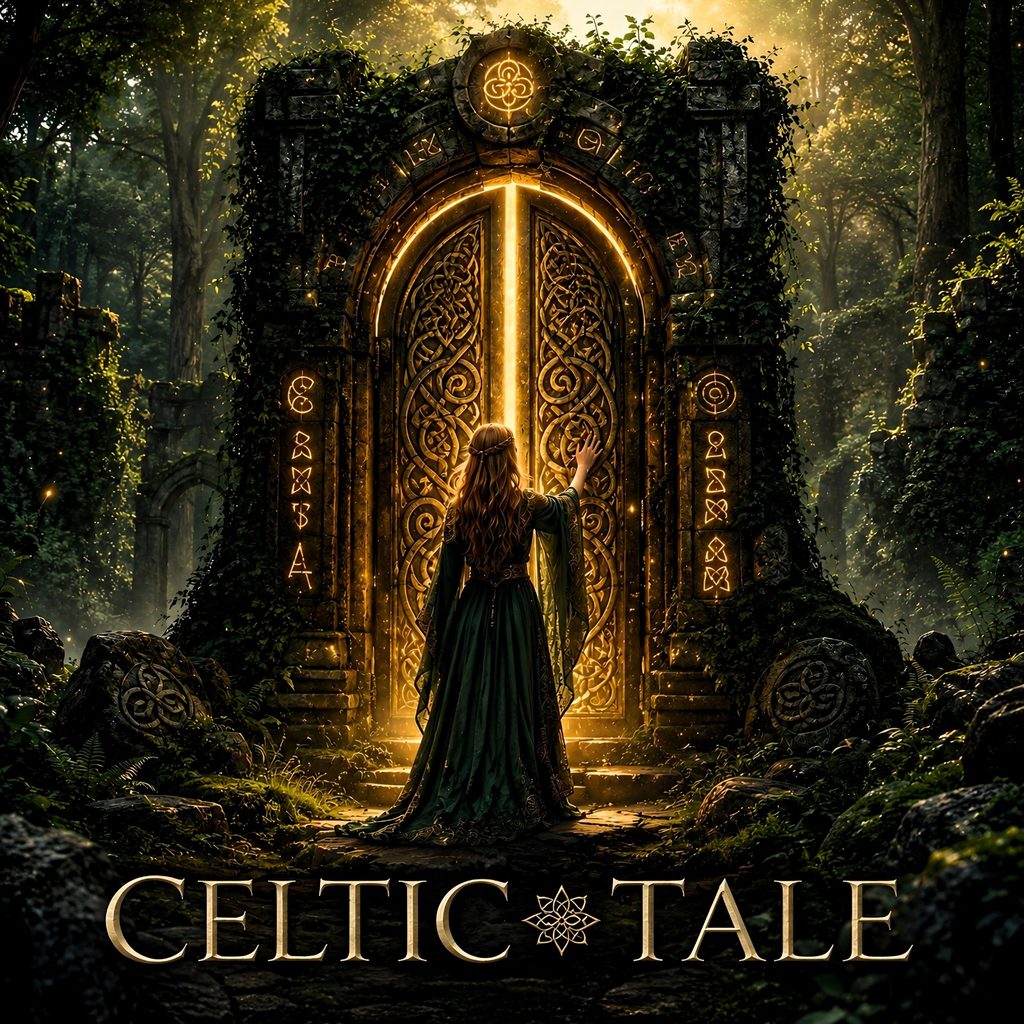
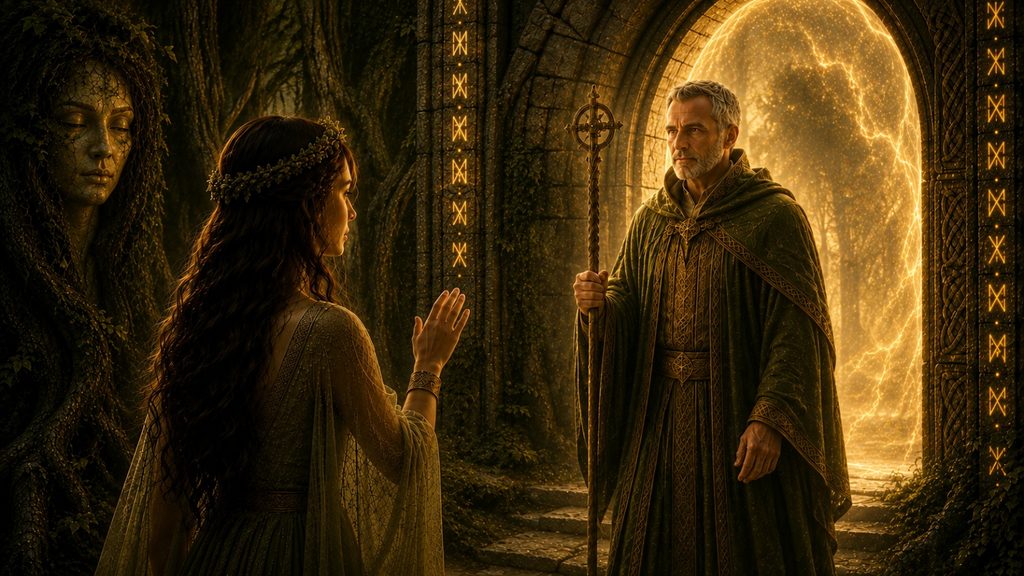
The accompanying visual narrative follows a young traveller crossing an enchanted forest before reaching an ancient gateway illuminated by runes. This imagery complements the Celtic references within the composition, creating a setting connected to folklore and imaginary worlds. The fantasy elements also give the music a recognisable narrative direction, with the changing atmosphere reflecting the traveller’s movement through unfamiliar surroundings. Rather than presenting the imagery as a separate feature, the visual storytelling works alongside the instrumental presentation, strengthening the connection between the music and its fantasy-inspired setting.
Komár Zsolt builds the musical foundation around layered strings, synthesiser textures and keyboard arrangements, creating an orchestral presentation that gradually expands throughout the track. The strings carry the principal melodic ideas, while the synthesiser provides sustained atmospheric textures that broaden the harmonic setting. Keyboard adds softer musical details between the main phrases, introducing variation without disrupting the overall flow. These elements establish a balance between the intimacy of the introduction and the more expansive sections that follow. The combination of acoustic-inspired melodies and electronic textures gives the composition much of its character, allowing its Celtic influences to remain central to the experience.
The supporting instrumentation adds further depth through subtle bass, restrained percussion and a faint choral layer. The bass reinforces the underlying harmonies without competing with the principal melodies, while percussion appears selectively to strengthen moments that call for greater intensity. A choir-like texture can also be heard behind the instrumental parts, adding another dimension to the orchestral presentation without introducing a conventional vocal performance. These supporting elements become particularly noticeable as the music develops, contributing to its increasing scale while preserving the softer qualities established at the beginning.

One of the composition’s most interesting moments arrives around the two-minute mark, when earlier melodic phrases return and begin interacting with the changing harmony. Their overlapping presentation recalls a musical canon, with separate entries combining to create a more intricate passage. This development gives the central bridge a stronger sense of arrival because its musical direction grows from ideas already introduced rather than relying on an entirely different approach. The transition from the quieter sections into this fuller orchestral moment feels connected and purposeful, demonstrating how repetition can strengthen instrumental storytelling. As the intensity increases towards the finale, the composition brings its earlier musical ideas together, creating a satisfying progression without losing its original character.
The production maintains a clear balance between the different instrumental elements as the music becomes more layered towards the finale. The strings remain prominent above the supporting synthesiser and bass, while the percussion stays controlled beneath the principal melodies. This separation gives the arrangement clarity without making the overall presentation feel sparse. Listening through headphones makes it easier to appreciate the quieter ambient details and subtle background textures. The track may also suit reading, gaming, relaxation and quiet evenings, particularly for listeners who enjoy instrumental music with a cinematic fantasy atmosphere. Its measured progression and orchestral character make it suitable for both focused listening and quieter background settings
Celtic Tale Brings Celtic-Inspired Melodies, Fantasy Storytelling And Orchestral Expression Together In An Expansive Instrumental Experience
~ Daniel (DULAXI Team).
Behind “Celtic Tale” is Hungarian composer and producer Komár Zsolt, whose musical work draws on orchestral, neoclassical and cinematic fantasy traditions. His approach to the release centres on combining recurring melodies with carefully developed instrumental arrangements, giving the composition a clear narrative direction without relying on conventional songwriting structures. The track has also received support through Spotify playlists, including Derek Fiechter’s “Celtic Music: Irish, Scottish & Fantasy Folk” and For Play’s “Fantasy Bard / Tavern Music,” alongside support from Moshe Levi and other fantasy-focused curators. With its Celtic-inspired melodies, atmospheric instrumentation and expanding orchestral presentation, Komár Zsolt delivers a composition that reflects his interest in bringing fantasy storytelling and neoclassical influences together through instrumental music.
For more information about Komár Zsolt, click on the links below.