
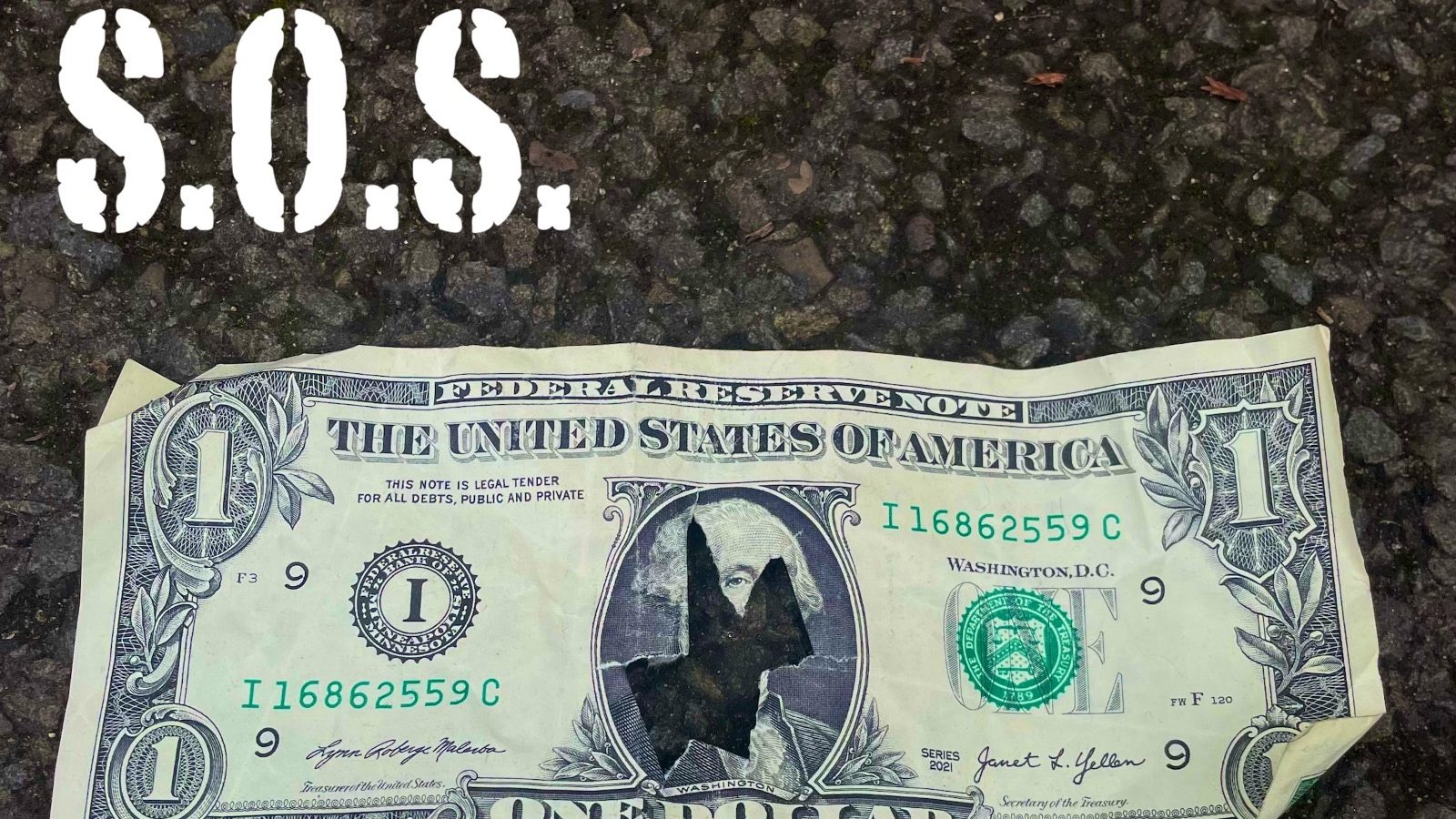
Ken Woods and the Electrick Reckoning return with “S.O.S. (Same Old Shit),” a searing and rhythmically engaging single that combines political frustration, social commentary and genre blending into a compelling musical statement. Released on September 18, 2026, the song follows “Eyes Shut,” the first single from the forthcoming album “American Catastrophe,” but presents a more direct introduction to the band’s core sound. Where “Eyes Shut” carried an expansive and epic quality, “S.O.S.” works through funky grooves, sophisticated harmonies, blues rock textures and expressive guitar work. Its mid tempo pulse gives the recording a persistent sense of movement, while Woods’ rapidfire delivery creates an urgent conversational quality. From the opening progression to the recurring refrain, the song establishes an atmosphere that is simultaneously energetic, humorous and reflective, using its musical character to explore disappointment with political promises and the consequences of prolonged inaction.
The instrumentation gives “S.O.S.” much of its distinctive personality, with the individual performances combining to create a groove that feels deliberately raw without losing musical detail. Joe Hoskin’s bass provides a thick rhythmic foundation, locking closely with Steve Roberts’ steady drumming and giving the song its funky momentum. Ken Woods’ guitar work moves between clean blues influenced phrases and distorted, melancholic textures, introducing a changing emotional colour as the song develops. The deliberately lo fi production adds weight to these elements, allowing the guitars, bass and drums to retain an earthy presence while leaving sufficient space for the vocals. Rather than overwhelming the listener with layers, the arrangement keeps the rhythmic pulse consistent and lets the tension develop gradually. This approach complements the subject matter particularly well, creating a musical environment where the frustration within the lyrics can remain at the centre of the performance.
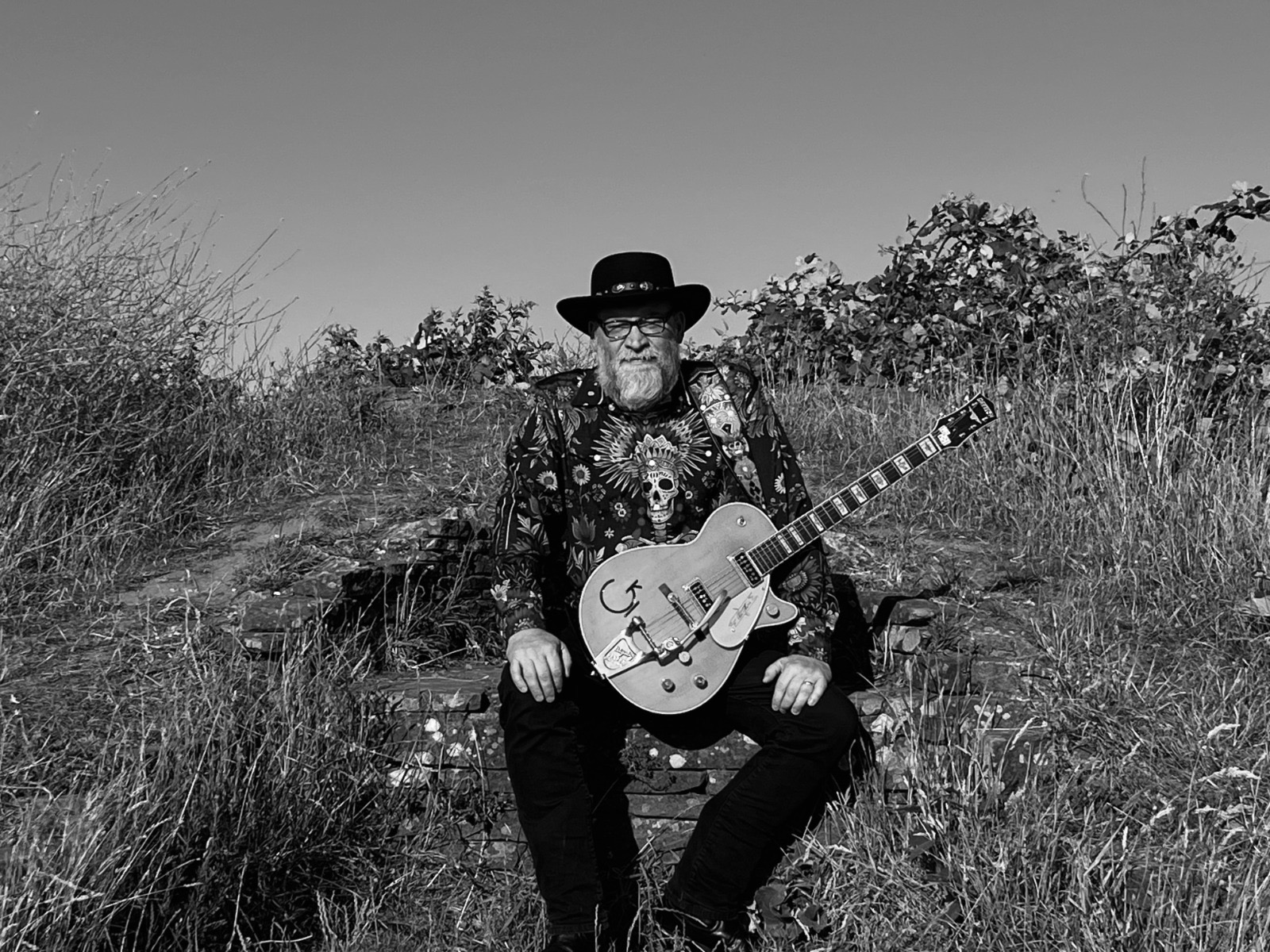
Woods’ vocal performance gives the songwriting an especially personal quality, shifting between conversational storytelling, rapidfire wordplay and more strained, soulful passages. His delivery makes the lyrics sound like an unfolding argument with the political establishment, moving naturally between disbelief, frustration and weary reflection. The line, “You promised us change, and this sure isn’t it,” immediately captures the central tension between political expectations and lived reality, while “You offered us HOPE, but this sure isn’t it” deepens that feeling of disappointment. Sam Woods’ backing vocals provide additional texture around the recurring sections, strengthening the communal quality of the refrain. When Woods repeatedly returns to “The same old shit,” the phrase becomes more than a blunt hook. His delivery gives it the character of an exhausted observation, reflecting the song’s concern with promises that repeatedly give way to familiar outcomes.
The songwriting becomes particularly detailed when Woods turns toward the 2008 financial crisis and its aftermath. Rather than discussing economic hardship in abstract terms, he constructs the narrative around specific political expectations and social consequences. “2008 we had a great debate, about whether to vote for HOPE or for hate” introduces the period through the language of political choice, before the song questions what the promised restoration of the American Dream actually meant. The repeated question, “But just what did that mean?” gives the section an intentionally unresolved quality, allowing the listener to sit with the distance between political rhetoric and the experiences that followed. Elsewhere, references to Wall Street, surveillance, political figures and accountability give the writing a journalistic edge. Lines concerning justice, punishment and political decisions expand the song beyond personal disappointment, turning Woods’ perspective into a broader examination of how economic and political choices can affect an entire society.

The history behind “S.O.S.” adds another layer to its character. Woods explains that he originally wrote the song in 2012, meaning its perspective developed from observations made years before the forthcoming “American Catastrophe” project. His reflections on Barack Obama, the financial crisis and the political developments that followed demonstrate that the song is rooted in a longer period of questioning rather than being written simply as an immediate response to one political moment. His interest in the music and art of the 1930s also informs the historical perspective within the song, particularly its concern with economic inequality, social instability and the consequences that can emerge when public frustration remains unresolved. That background makes the track feel like part of a much larger artistic examination, with Woods using rock music as a way to connect historical patterns with contemporary experience.
S.O.S. Is A Funky, blues rock driven protest song where raw vocals, expressive guitars, persistent grooves, and sharp storytelling confront political disappointment, inequality, accountability, and complacency
~ Faithfulness (Dulaxi Team)
As guitarist, singer and songwriter, Woods brings those ideas together with Joe Hoskin on bass, Steve Roberts on drums and Sam Woods on backing vocals, forming the musical identity of the Electrick Reckoning around a combination of groove, guitar intensity, vocal expression and detailed songwriting. “S.O.S.” ultimately works because its musical construction mirrors the emotional weight of its subject: the funky rhythm keeps the track moving, the guitars introduce tension, the drums maintain persistence and Woods’ voice carries the exhaustion at the heart of the narrative. The song’s humour, particularly in its blunt title and recurring refrain, prevents the seriousness of its themes from becoming overly rigid, while its sophisticated harmonies and genre blending give the recording considerable musical depth. As an introduction to the Electrick Reckoning’s sound and another chapter in “American Catastrophe,” “S.O.S.” presents Ken Woods as a songwriter using groove, grit and pointed storytelling to examine the distance between political promises and the realities experienced by the people those promises were meant to serve.
For more information about Ken Woods, click on the icons below.