
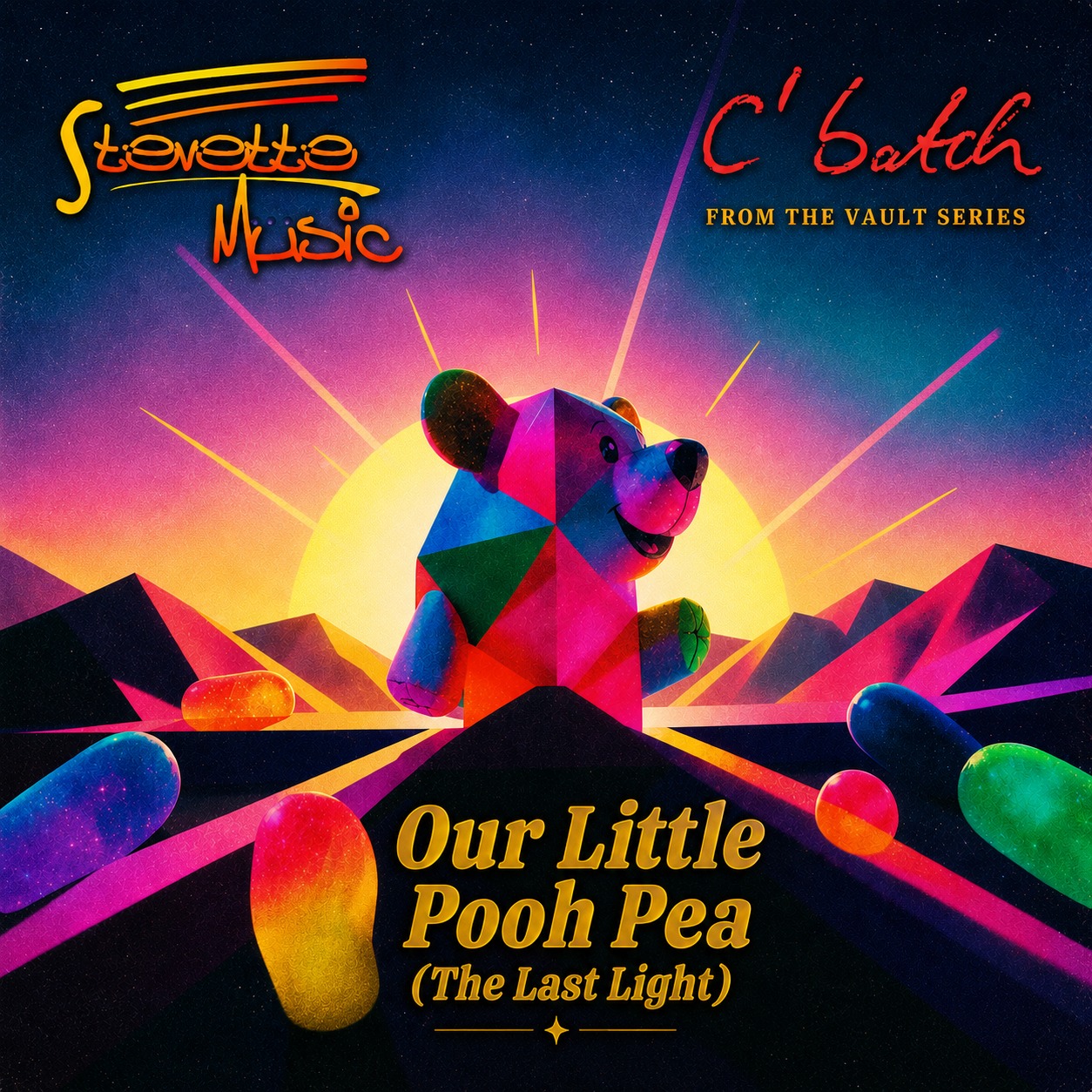
C’batch’s “Our Little Pooh Pea (The Last Light) 4 – Cinematic,” released on 29 August 2026, is an instrumental single that turns an existing electric guitar performance into a new musical statement shaped by electronic, cinematic, dream pop, ambient and experimental influences. The track began with a guitar solo C’batch originally played over his composition “Round & Round,” but instead of leaving that performance within its original setting, he recognised that the guitar could carry a different story when placed against a new arrangement. That decision is central to the identity of the single. There are no lyrics directing the listener toward a fixed interpretation, so the guitar melody becomes the main expressive voice, while piano, bass, drums and additional musical layers establish the setting around it.
The idea behind “The Last Light” also gives the music an open emotional direction. The title suggests the point between darkness and hope, and the listening experience reflects that contrast through a progression that moves through changing emotional states rather than remaining fixed in one mood. Hope and dreams are among the themes associated with the piece, but the lingering feeling is more complicated, with melancholy and emotional release becoming particularly noticeable by the end. This is where the instrumental format becomes important. Without words explaining what the guitar is expressing, the listener has room to interpret its melodies through personal memories, imagined scenes or private emotions.

The instrumental arrangement is richly layered and dynamic without losing the guitar’s central position. Piano, bass and drums are present from the beginning, while the electric guitar carries the melodic material that becomes increasingly expressive as the piece progresses. The bass has a deep, melodic quality, giving the lower register a defined musical role rather than functioning only as background support. The drums are energetic but controlled, maintaining the rhythmic foundation while leaving room for the melodic elements to remain prominent. The piano and other accompanying layers help build the emotional direction, carry melodic material, introduce warmth and provide additional texture. Because the arrangement combines these parts rather than allowing one element to dominate continuously, the song can move between quieter emotional impressions and more intense passages while retaining its central guitar focus.
The most striking section arrives around the 0:55 mark and continues until approximately 1:26, when the electric guitar becomes louder and increasingly charged. This section introduces an instrumental climax, with the guitar’s heavier, driving and melodic qualities becoming more pronounced. The performance feels as though the accumulated emotion of the earlier passages is finally being released through the instrument rather than expressed through words. That change matters because the guitar is not simply carrying a melody at this point. Its increased intensity communicates the tension between restraint and release that runs through the piece. The controlled drums and deep bass continue underneath it, while the piano and accompanying layers help maintain the musical setting around the guitar.
The production is exceptional, and its strength can be heard in how the different instrumental elements are allowed to function together. The electronic and ambient components do not replace the organic quality of the electric guitar. Instead, they place the guitar within a wider setting where its melodic lines can carry both tension and release. The pacing remains relaxed with gradual progression, but the piece is not static. Its changing intensity, particularly around the central climax, creates a clear contrast between the earlier passages and the more forceful guitar performance that follows. This balance is important to the song’s cinematic identity because the arrangement leaves enough room for the listener to imagine a scene while still maintaining a distinct musical direction.
“C’batch Turns A Guitar Performance Into A Cinematic Reflection Where Melancholy, Release And Hope Can Exist In The Same Moment”
~ Tehillah (DULAXI Team).
There is also a larger creative idea behind the recording that makes it particularly interesting within C’batch’s catalogue. The single demonstrates how an older performance can be reconsidered rather than simply preserved in its original form. A guitar solo that began inside “Round & Round” has been given a different setting and a different role, allowing the same performance to communicate through another musical context. That approach connects with C’batch’s wider work as a composer, producer, guitarist and independent recording artist, as well as his practice of revisiting music from his archives through his ongoing Vault projects. His background stretches across R&B, soul, dance, funk, reggae, jazz-influenced music, rock, electronic and cinematic work, and that broad musical history is consistent with a release that does not remain within a single genre. “Our Little Pooh Pea (The Last Light) 4 – Cinematic” instead uses the electric guitar as the connecting element between organic musicianship and contemporary electronic production.