
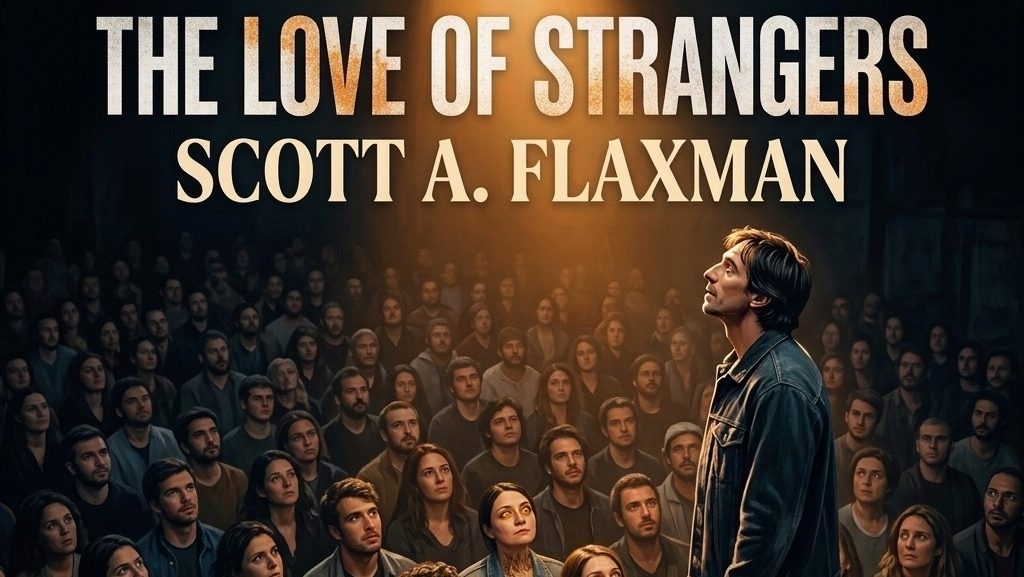
Scott A. Flaxman’s “The Love of Strangers,” released on September 3rd, 2026, is an atmospheric indie rock ballad that turns the experience of creative isolation into a powerful statement about recognition, resilience, and finding validation beyond familiar surroundings. Built around the emotional divide between an artist’s inner vision and the skepticism of those closest to them, the song follows a creator who gradually realizes that meaningful encouragement can sometimes come from people with no personal history or emotional baggage attached to their perception of the work. From its measured opening, the track establishes an introspective atmosphere that allows the narrative to develop naturally. Rather than rushing toward its central message, Flaxman gives the song room to breathe, creating a steady emotional progression from disappointment and frustration toward self-assurance and release.
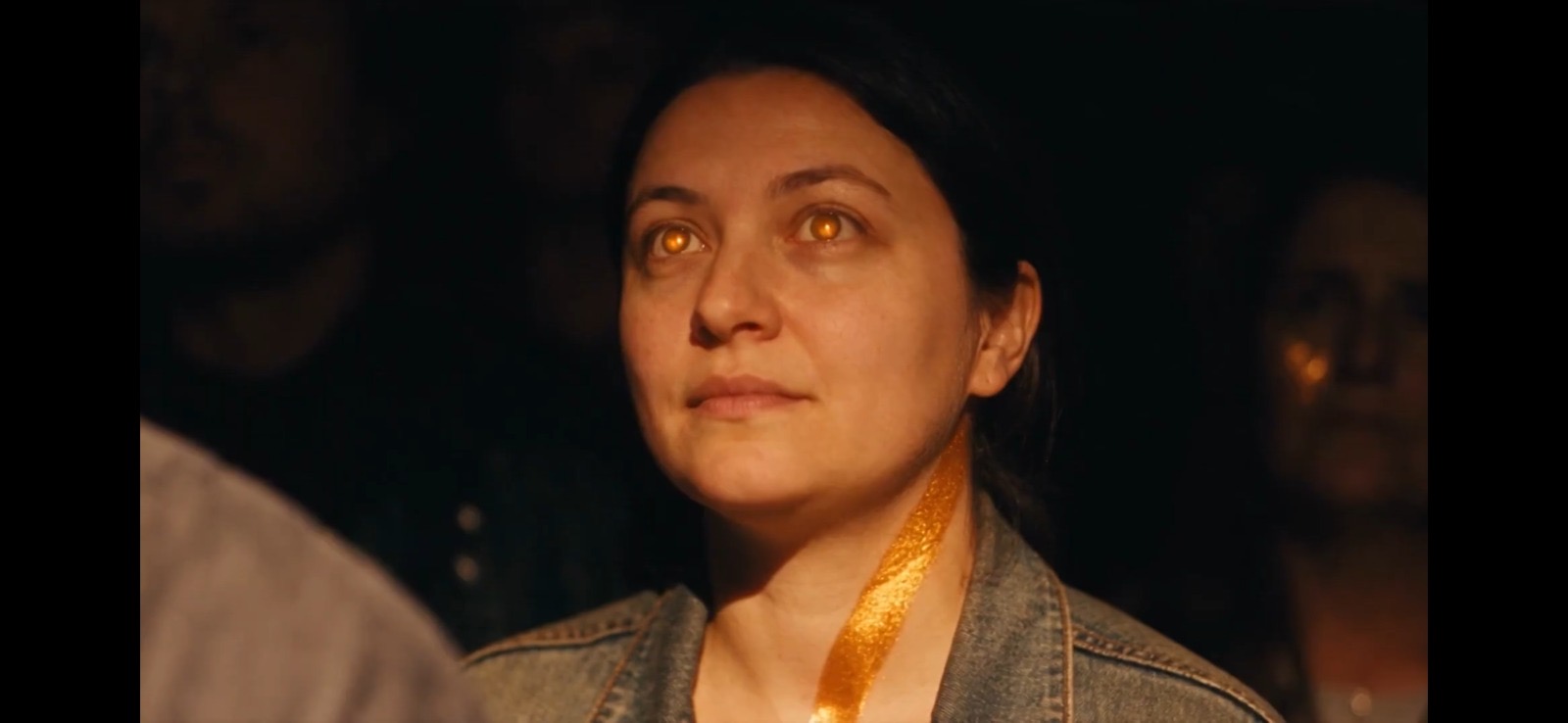
The lyrical storytelling is one of the song’s strongest qualities, particularly in the way Flaxman explores the difference between familiarity and genuine understanding. The creator at the center of the narrative is surrounded by people who appear unable to appreciate the larger vision behind his work, choosing instead to “point at the shortcuts” and “count up the flaws.” This perspective creates a compelling portrait of an artist who feels reduced by the limitations others place around his imagination. The contrast becomes especially vivid in the line, “The dining room is empty, but the theater is packed, and the people in the shadows know exactly how to act.” The image captures the emotional turning point of the song, transforming an apparently lonely situation into evidence that an audience can exist beyond the immediate circle. The “dining room” represents familiar spaces where judgment has become predictable, while the “packed theater” symbolizes the wider world finally recognizing the value of the artist’s vision.
Flaxman’s vocal performance carries this emotional journey with an intimate, conversational quality that gradually develops into something more anthemic. His delivery in the verses feels restrained and observant, allowing the listener to hear the weariness beneath the narrator’s frustration. He sounds like someone reflecting on repeated experiences rather than simply expressing anger, which gives the lyrics a more personal sense of weight. As the song moves toward its larger moments, his voice becomes increasingly assured, giving greater emphasis to the contrast between the “ordinary guy” his critics perceive and the “visionary architect” he knows himself to be. The chorus consequently feels like a moment of emotional liberation, with his delivery rising alongside the conviction of the message. The performance successfully balances vulnerability with confidence, allowing the listener to experience the transition from feeling misunderstood to recognizing that outside approval does not diminish the importance of the original vision.
The production plays an equally important role in expressing that transformation. Flaxman builds the arrangement gradually, using relatively sparse instrumentation during the quieter sections to leave space for his storytelling and vocal phrasing. This restraint gives the early part of the track a sense of emotional isolation, reflecting the enclosed environment described in the lyrics. As the narrative develops, instrumental swells and additional layers broaden the sonic landscape, creating the impression that the world around the narrator is becoming larger. The steady driving rhythm provides continuity while the evolving production mirrors the character’s changing perspective. By allowing the arrangement to grow alongside the emotional intensity, Flaxman makes the music feel inseparable from the story. The movement from sparse verses into fuller, more expansive passages reinforces the transition from an empty room toward the image of a vibrant, captivated theater.
At its heart, “The Love of Strangers” is an anthem for artists, visionaries, and independent thinkers who have discovered that the people closest to them do not always possess the perspective necessary to understand their work. The song does not simply dwell on criticism; instead, it ultimately focuses on the freedom that comes from stepping beyond limiting expectations. The idea of strangers offering a “clean and steady light” provides an especially meaningful contrast to the “baggage of the past” carried by familiar observers. The closing crowd sounds deepen this idea, making the ending feel like the arrival of the audience that the song has been building toward from the beginning. The result is a satisfying sense of resolution, as the narrator no longer needs to convince those who refused to understand. The recognition found elsewhere has become powerful enough to replace the silence of the empty room with the overwhelming presence of a crowd.
The Love of Strangers Is A Powerful Anthem Of Creative Resilience, Finding Validation Beyond Familiar Doubt, And Embracing Audiences Who Recognize The Vision
~ Faithfulness (Dulaxi Team)
This sense of narrative construction reflects Scott A. Flaxman’s broader creative identity as an American songwriter, audio producer, and video director based in Larkspur, California. His background in legal writing has given him a meticulous relationship with language and structure, while his musical work allows that precision to expand into cinematic storytelling. Across his creative projects, Flaxman brings together songwriting, digital audio production, and visual direction, often building specific scenes and environments around his narratives. That multidisciplinary approach is particularly evident in “The Love of Strangers,” where the empty dining room, packed theater, sharp spotlight, and surrounding audience operate almost like scenes from a short film. The song ultimately becomes more than a reflection on artistic rejection; it becomes a declaration of creative independence, with Flaxman reminding listeners that sometimes the most meaningful recognition comes from those who encounter the work without prejudice and simply allow themselves to see its vision.
For more information about Scott A. Flaxman, click on the icons below.