
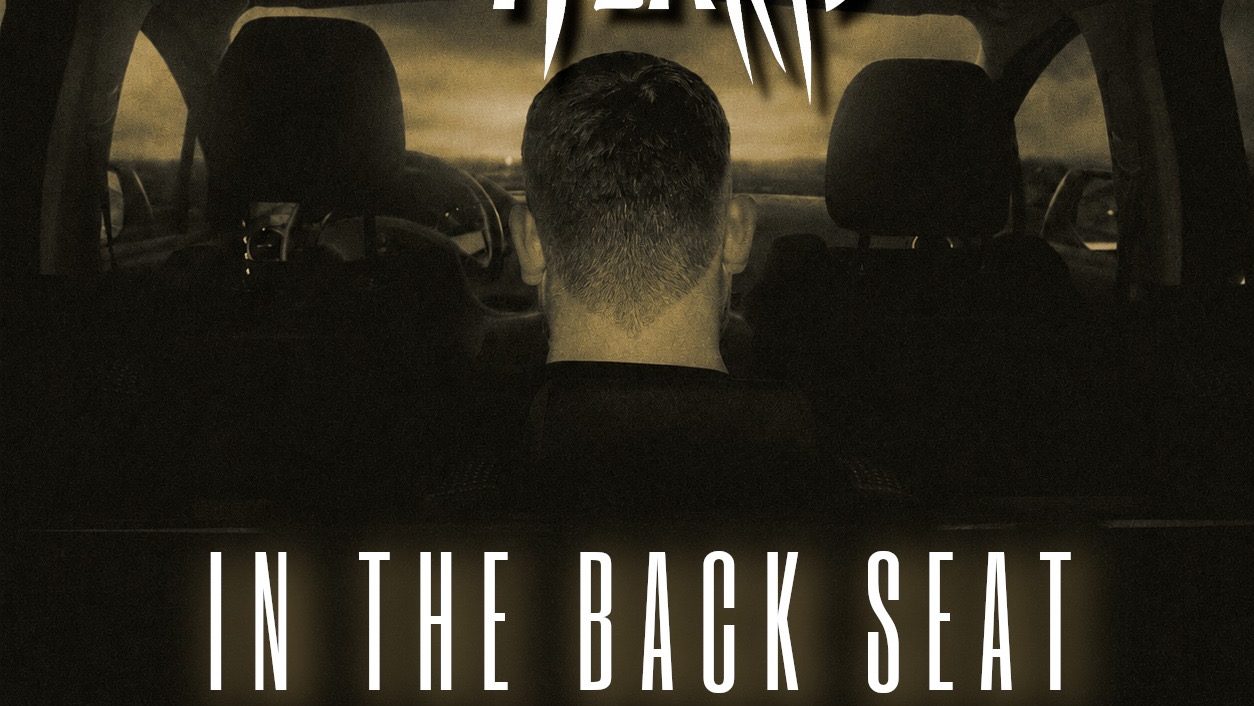
Released on 25th September 2026, “In The Back Seat” presented The Dead Hearts with a dark and emotionally charged alternative rock statement built around the feeling of losing control over the direction of one’s own life. The single, created by the Lublin, Poland band, used the image of being a passenger with no influence over where the journey was heading as its central emotional concept. From the opening moments, the track established an urgent momentum that immediately drew attention, creating the sensation of movement that could not easily be stopped. Its combination of alternative rock and post-grunge textures gave the song a weighty foundation, while the emotional subject matter kept the experience deeply human. Rather than relying solely on heaviness, The Dead Hearts shaped the track around the tension between uncertainty, intimacy, and the desire to regain control.
The instrumentation played an important role in establishing that atmosphere, with thick distorted guitars forming the backbone of the arrangement. The heavy power chords created a broad sonic presence while simultaneously producing a sense of confinement, an effective musical reflection of the song’s title and its passenger metaphor. The guitars carried considerable weight without losing their rhythmic clarity, while the bass maintained a steady and powerful presence underneath the arrangement. Drums added another layer of propulsion, giving the song a persistent pulse that kept the momentum moving forward. Even when the arrangement became more restrained, the rhythm section maintained the feeling of an ongoing journey. This balance between heaviness and movement allowed the track to retain the intensity associated with post-grunge and alternative metal while leaving enough space for its melodic elements to remain prominent.
Vocally, “In The Back Seat” balanced vulnerability with grit, giving the emotional narrative a strong human presence. The lead performance began with melodic verses delivered with a more controlled and intimate quality, allowing the words to sit naturally within the instrumental atmosphere. As the song developed, however, the vocal intensity increased, leading into choruses that carried considerably more force and emotional release. The contrast between the quieter passages and the larger vocal peaks gave the composition a strong sense of progression. The chorus served as one of the song’s most memorable musical moments, providing melodic focus within the heavier production, while the aggressive breakdown introduced an even more visceral dimension. These shifts allowed the vocals and instrumentation to work together rather than compete, with each change in intensity reinforcing the emotional movement of the song.
The lyrical perspective added another layer of meaning by exploring fleeting intimacy alongside the awareness that time and circumstances can gradually pull people apart. The phrase “living love in the back seat” created a particularly vivid image of romance existing within a temporary, enclosed space, capturing both closeness and impermanence. There was an emotional tenderness in the idea, but also an underlying awareness that the moment could disappear. The reference to the “light” slowly fading deepened this atmosphere, suggesting the gradual loss of something that once felt immediate and meaningful. These lyrical ideas gave the heavier musical presentation an emotional center, allowing the track to communicate more than frustration or helplessness. The song became a reflection on holding onto connection while recognizing that life can continue moving regardless of whether someone feels prepared for what comes next.
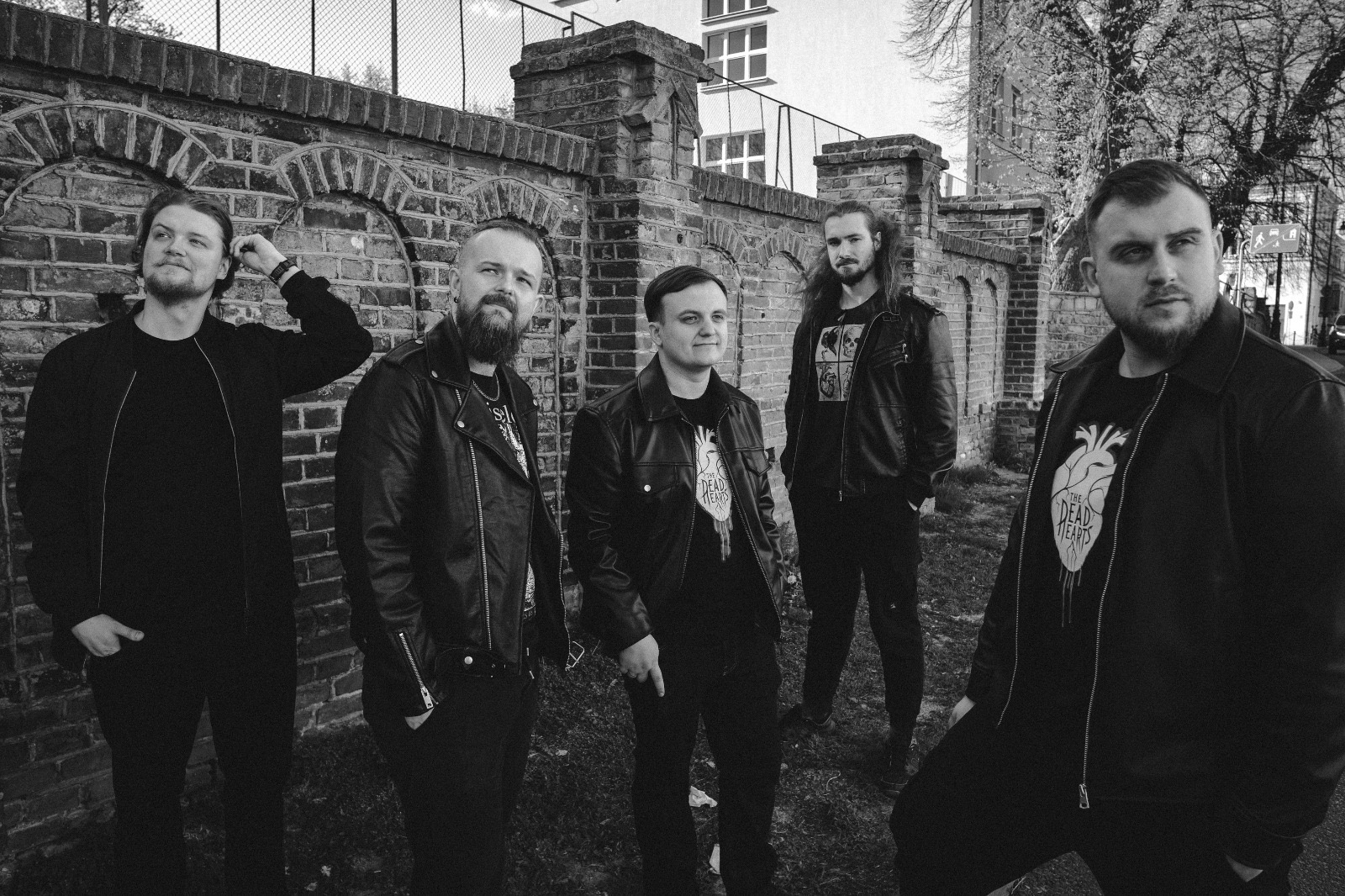
The production also benefited from the band’s ability to create strong contrasts throughout the arrangement. The movement between more restrained sections and wall-of-sound choruses gave “In The Back Seat” a dynamic quality that maintained its intensity without making every moment sound identical. The heavier passages carried the raw energy of a live rock performance, while the melodic sections provided breathing room and emotional perspective. That combination demonstrated the Dead Hearts’ ability to bring together alternative rock accessibility and the darker weight of post-grunge and alternative metal. Formed in Lublin in late 2020 by guitarist Damian Lipiński, the quintet had developed its identity around raw vocals, heavy guitars, and emotionally driven songwriting. Their early path included the 2024 demo “For What May Never Come,” followed by the 2025 single “Enslaved (Break This Cycle)” and their debut album “Plight Goes On,” establishing a foundation for the musical direction heard here.
In The Back Seat Is A Powerful Alternative Rock Journey Through Losing Control, Fleeting Intimacy, Emotional Uncertainty, And The Relentless Passage Of Time
~ Faithfulness (Dulaxi Team)
“In The Back Seat” therefore felt like a natural continuation of The Dead Hearts’ developing artistic journey while also introducing the next chapter following their debut album. Their influences from the late 1990s and early 2000s alternative rock and metal landscape could be felt through the combination of heavy guitar textures, forceful rhythms, melodic songwriting, and emotionally intense vocals, with their sound drawing comparisons to artists such as Breaking Benjamin, Seether, Deftones, and Alter Bridge. Yet the track remained focused on its own central experience: being carried through circumstances that feel increasingly difficult to control while trying to preserve a meaningful connection along the way. The Dead Heartstransformed that feeling into a powerful and atmospheric piece of rock, using heaviness, melody, vulnerability, and cathartic energy to make “In The Back Seat” an engaging expression of uncertainty, emotional attachment, and forward motion.
For more information about The Dead Hearts, click on the icons below.