
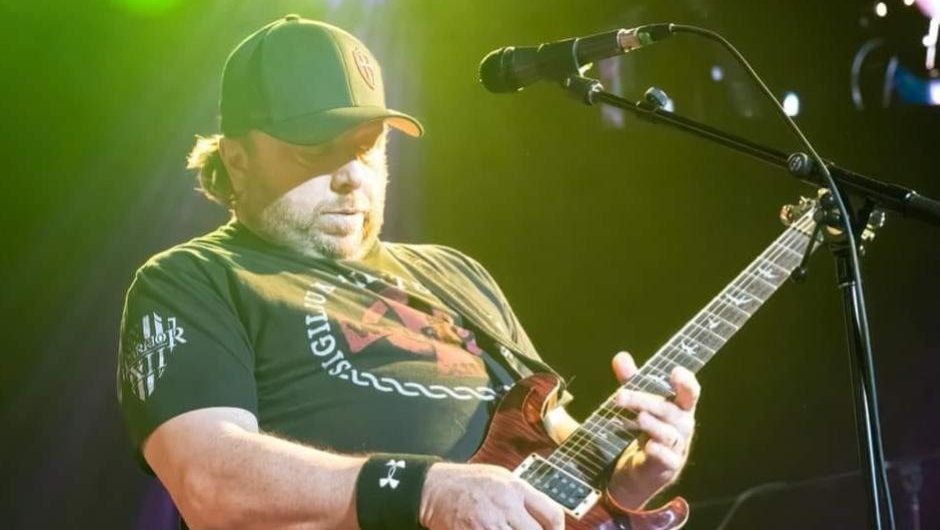
Hi everyone, it’s your host Faithfulness, and today I have with me The Rising Shine Project from Lawrenceville, Pennsylvania, United States. The Rising Shine Project is here to share more about his remarkable musical journey while diving into his latest original single, “Heals All Wounds.” Written from an unimaginably personal place, the song was inspired by the tragic loss of songwriter Henry Stoll’s adopted middle son to a fentanyl overdose just weeks before his twenty-fifth birthday. Through heartfelt lyrics and unflinching honesty, “Heals All Wounds” asks listeners to confront loss, addiction, and the enduring power of love. But can a song born from such heartbreak also become a source of hope for others? Let’s find out.
Welcome, The Rising Shine Project. Before we begin our interview, here is what you need to know about this extraordinary artist. The Rising Shine Project is the creative vision of songwriter Henry Stoll, a Lawrenceville-based musician whose fearless approach to storytelling has distinguished him in today’s evolving music landscape. After more than four decades of performing live, Stoll dedicated himself to an intensive period of songwriting, creating music that transforms deeply personal experiences into universally relatable moments. Influenced by emotionally transparent writers such as Justin Furstenfeld, Travis Meadows, and Steven Wilson Jr., he believes that the most authentic songs are those that allow listeners to discover their own stories within someone else’s truth. By embracing innovative A.I. technology for vocal and instrumental arrangements while remaining grounded in genuine human emotion, The Rising Shine Project continues to forge meaningful connections through music.
Henry Stoll wrote “Heals All Wounds” during one of the darkest chapters of his life. Conceived while driving to work and completed in an emotionally overwhelming session at his home studio, the song became an outlet for the sorrow, anger, and unconditional love of both a father and grandfather. At its heart lies the haunting lyric, “What’s a promise worth, if it remains unspoken? What good’s a house of dreams, with all the windows broken?” a line that Stoll believes arrived through divine inspiration. The Rising Shine Project is more than simply a musical endeavor; it is a vessel for healing, remembrance, and hope, existing to remind those struggling with loss or addiction that they are never truly alone.
Having this brief Introduction, I’m sure new and current fans must be excited about our Interview today.
INTERVIEW
Faithfulness: Henry, after four decades of performing live and now entering a focused chapter of songwriting, what have you discovered about yourself as a storyteller that perhaps took years of experience to fully understand?
Henry Stoll: I have realized that I have taken on the traits of my favorite songwriters, in looking past the details of a story and focusing on how it affects my thoughts, feelings and actions. Looking for what motivates and informs the way I react to the world, and how it’s common to many of us. It’s not that am afraid to speak in public, but why am I afraid. It’s not that I want to be with a certain woman, but what makes me want to be with her. Not what did I do, more about why I did it? Stories are specific, lessons are not!
Faithfulness: The Rising Shine Project feels rooted in honesty and emotional transparency. When did you first realize that vulnerability would become one of the defining characteristics of your songwriting?
Henry Stoll: I believe that the best way to get a story or lesson across to someone, is to let them see the truth in you. So that they can see the commonality we all share. One of the greatest lyrics ever, is from Shawn Mullins, when he wrote “Some sinners need their saints to be survivors of the fall, cuz when you’re down here on your knees most Angels seem to tall.” I never want to lecture, I want to share.
Faithfulness: You’ve spoken about wanting listeners to find their own stories within your songs rather than simply hearing yours. How has that philosophy shaped the way you approach writing and connecting with audiences?
Henry Stoll: If I tell a story about something that happened to me, good or bad, it won’t connect unless the same thing happened to the listener. But if I focus on how that experience made me feel, or how it changed the way I think about life, there’s a better chance it will ring true to others, because the story is specific, the lesson is nearly universal.
Faithfulness: Artists like Justin Furstenfeld, Travis Meadows, and Steven Wilson Jr. have influenced your work. What qualities in their songwriting continue to inspire and challenge you as an artist?
Henry Stoll: HONESTY! When those guys write, there’s no bravado, no facade of “look how cool I am”, it’s more like “look how messed up I am, or how stupid I was! etc…” And then, the best part is the focus on how it changed them and made them see things they had missed before. Justin Furstenfeld in particular, is amazingly candid with expounding on his own failings and weaknesses. That’s why he is a hero to so many, who felt that they were alone in this world, until they heard him admit he was like them!
Faithfulness: Looking back on your musical journey so far, what experiences have most significantly shaped the voice and identity behind The Rising Shine Project?
Henry Stoll: My desire to play pushed me out of my shell, and once I saw the reactions I got to my voice, I was hooked! When I played a show with Nazareth, who were heroes of mine, and I was able to say “I held my own” with these legends, I knew i was on the right path.
Faithfulness: “Heals All Wounds” emerged from an unimaginably painful chapter of your life. When you first decided to transform that grief into music, what emotions were you hoping to process or communicate through the song?
Henry Stoll: All of them! I felt, pain, sorrow, anger, helplessness, fear, love, hope and a sense of obligation. It took 9 years for me to come to a place where i had the emotional maturity to write this song and to do it in a way that I feel could be effective. Mostly, I needed to vent these emotions so that my granddaughter might better understand how much I love her and her father loved her, despite his failings! It is my duty to make sure she has some understanding of who her daddy was, before addiction took him from us, which happened sadly, long before he lost his life to it!
Faithfulness: The song confronts the realities of addiction, loss, and family heartbreak with remarkable honesty. Was there a particular moment during the writing process that felt emotionally overwhelming, yet essential to include?
Henry Stoll: The part about my granddaughter! There’s not a day that I don’t grieve for her, and hope that we can find a way to help her deal with a overcome, the hole left by her fathers absence! And make sure that she knows that she was the brightest light in his life, and that addiction is so all-consuming, that it took him from her….. he didn’t leave her!
Faithfulness: You’ve described the song as arriving almost effortlessly once the ideas began flowing. Did it feel more like writing a song, or documenting something that was already waiting to be expressed?
Henry Stoll: Nine years of feelings, that have taken every form imaginable. Pain, became anger, anger became hate, hate became desperation, desperation became purpose, purpose became hope, and hope became love, again! If this song can reach one single person and lead them away from the path to death and destruction, I’ve won, and my son did something good!
Faithfulness: One of the most striking lines in the song is, “What’s a promise worth, if it remains unspoken? What good’s a house of dreams, with all the windows broken?” What does that lyric mean to you now, having lived with it since writing it?
Henry Stoll: A life wasted, is not just one life wasted, It’s every life that would have been enriched by that person, that was instead diminished by the absence. The broken windows are meant to signify that sometimes it’s the seemingly “little things” that can bring down the best laid plans. What seemed like just partying, became an all-consuming evil! My son could have been a great person and a great father. That is what was lost, his “promise”!
Faithfulness: You recorded the song in your home studio and used A.I. technology to help bring it to life. How did that creative process allow you to preserve the emotional integrity of such a deeply personal story?
Henry Stoll: No time constraints or pressures. No observers, so no fear of falling on your face while trying to get where you want to go. And no monetary cost forcing you to settle for less.
Faithfulness: You’ve mentioned that performing the song yourself remains emotionally difficult. Have listeners shared reactions or personal stories that have changed the way you view the song’s impact since its release?
Henry Stoll: I have heard from a few people how much the song moved them. The song has only been out a few weeks, so I’m hoping for more.
Faithfulness: Beyond honoring your son’s memory, what conversation do you hope “Heals All Wounds” encourages about addiction, loss, and the people who continue living with those wounds every day?
Henry Stoll: I hope that people will feel the pain that a death like this causes, and want to avoid that. Also know that the only thing that can’t be overcome, and turned around, is death. It’s never too late, until it is!
Faithfulness: As you begin putting a band together again and prepare for a return to the stage, what excites you most about this next chapter of your musical journey?
Henry Stoll: Just a way to enjoy music as I always have, and to share the songs that I love, both my own songs and the ones that influenced me so much. Music has been one of the great joys of my life!
Faithfulness: If someone struggling with grief, addiction, or the loss of a loved one hears “Heals All Wounds” years from now, what is the one message you hope remains with them after the final note fades?
Henry Stoll: IT’S NEVER TOO LATE, UNTIL IT IS. EVRYTHING BUT DEATH CAN BE OVERCOME!
Faithfulness: Finally, when people look back on The Rising Shine Project years from now, what do you hope they remember most, not just about the music, but about the heart behind it?
Henry Stoll: All I want is for people to feel that the time they spent with my songs, was time well spent! If my song can bring a memory to mind, then that is the ultimate goal. Music is the soundtrack to our lives!
CHECK OUT THE RELEASE OF ‘Heals All Wounds’
HAVING LISTENED TO ‘Heals All Wounds’, HERE ARE MY HONEST THOUGHTS
“Heals All Wounds” by The Rising Shine Project is a beautifully crafted folk-rock ballad that draws its strength from simplicity and emotional authenticity. Built around warm acoustic instrumentation, the song unfolds with a gentle, measured pace that allows every melody and lyric to breathe naturally. The production remains understated, avoiding unnecessary embellishments and instead relying on subtle layers to create a rich, reflective atmosphere. Henry Stoll’s vocal performance is the centerpiece, delivered with quiet conviction and a raw sincerity that makes every line feel deeply personal. The songwriting balances poetic imagery with direct emotional expression, highlighted by memorable lines that linger long after the track ends. As the arrangement gradually expands, the music mirrors the intensity of its message without losing its intimacy. “Heals All Wounds” stands as a moving example of how honest storytelling and thoughtful musicianship can create a truly lasting emotional impact.
~ Faithfulness (Dulaxi Team)
Finally to our audience, I urge to listen to “Heals All Wounds”, add it to your playlist and be Inspired by it and on behalf of Dulaxi I like to appreciate you all by saying thank you everyone, See you on our next interview.
For more information about The Rising Shine Project, click on the icons below.