
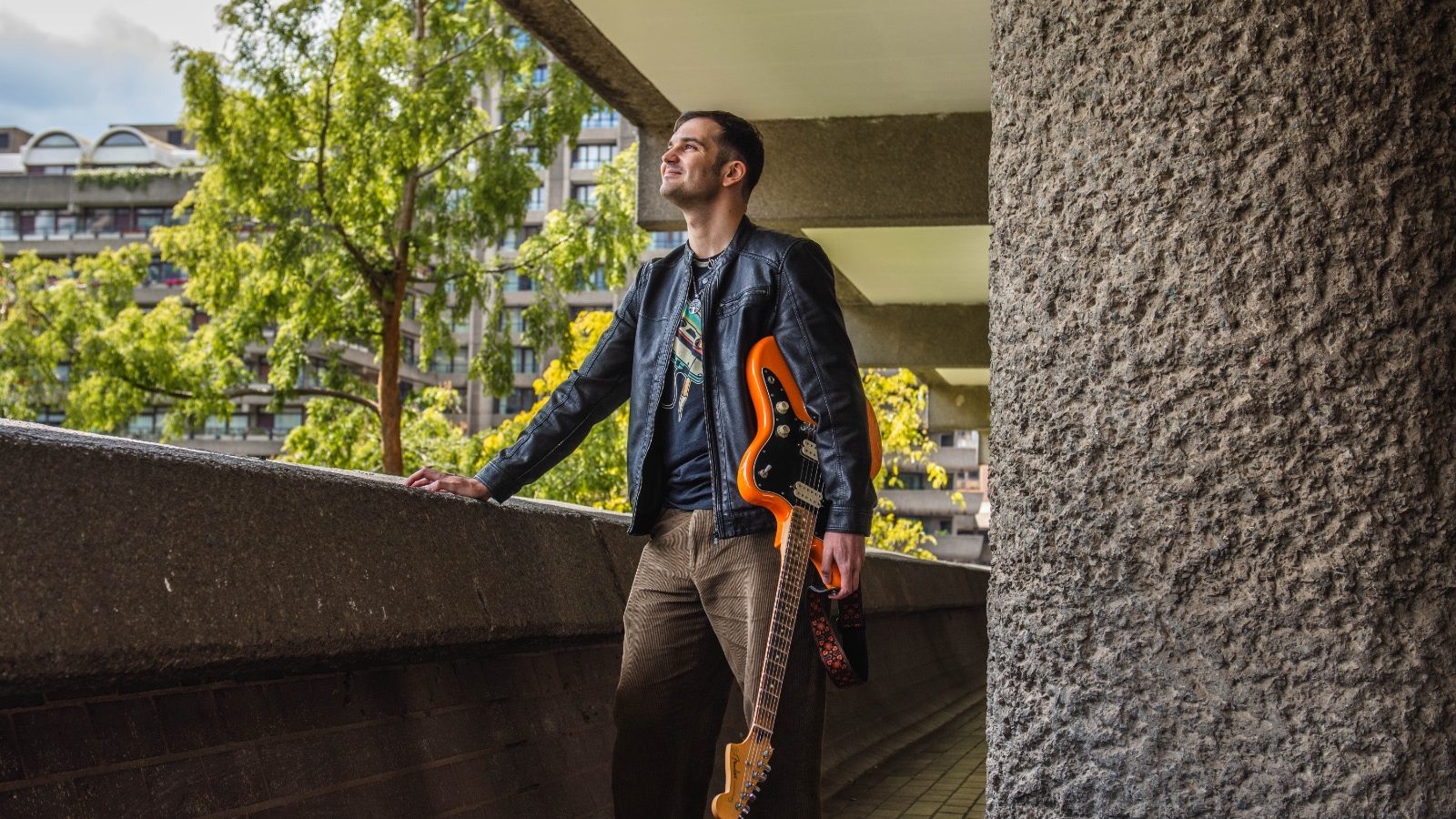
Hi everyone, it’s your host Faithfulness, and today I have with me Joshua Scurfield from Aylesbury, England. Joshua is here to share more light about his musical journey while diving into his latest single, “Digital Poison,” released on May 1, 2026. The track is a troubled and thought provoking reflection on the damage caused by the digital age and the emotional isolation that has become increasingly common in our modern world. Through its evocative title, “Digital Poison” invites listeners to examine the invisible effects of life behind screens, the growing sense of disconnection between people, and the binary way technology often shapes our perception of one another. What inspired Joshua Scurfield to tackle such a pressing and relatable theme? Let’s find out.
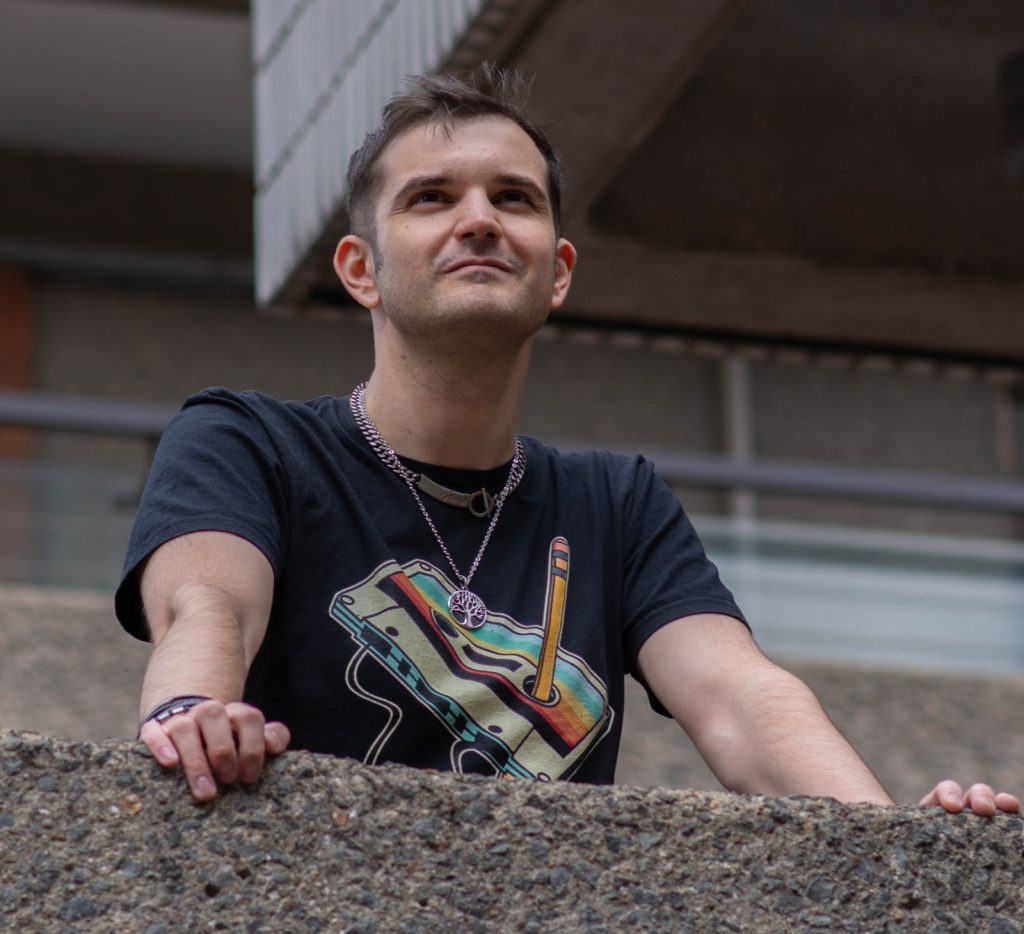
Welcome, Joshua Scurfield. Before we begin our interview, here is what you need to know about this talented artist. Joshua Scurfield is a British self produced rock artist who is steadily reshaping modern guitar music through the lens of analogue memory and contemporary anxieties. Drawing inspiration from Bends era Radiohead, Slowdive, and expansive post rock atmospheres, he blends vulnerability with the grain and warmth of 90s tape sounds. Raised on grunge and Brit rock classics throughout the 2000s and 2010s, his music explores digital loneliness, urban fatigue, and the emotional weight of contemporary life, creating songs that resonate with anyone overwhelmed by the pressures of an increasingly disconnected world.
Produced and recorded entirely by Joshua himself, “Digital Poison” combines long delays, distorted and acoustic guitars, and an intimate vocal performance to create an immersive sonic experience. It is a song about misanthropy, self destruction, and the dehumanising effects of modern technology. As the third release since embarking on his solo career earlier this year, “Digital Poison” marks another important step in Joshua Scurfield’s artistic evolution and paves the way for even more music to come from this compelling new voice in British alternative rock.
Having this brief Introduction, I’m sure new and current fans must be excited about our Interview today.
INTERVIEW
Faithfulness: You grew up surrounded by grunge and Brit rock influences. How did that early sound world shape your identity as a modern artist?
Joshua Scurfield: I think there’s a culture around that kind of music that’s very vulnerable. There’s an artistic stability that makes it sound like home — it’s unafraid to be rock enough that it catches, but bold enough that it stands out.
Faithfulness: At what point did you realize you wanted to move from being a listener of alternative rock into becoming a self-produced creator of it?
Joshua Scurfield: I basically decided I wanted to be a guitarist as far back as I can recall, my earliest memory being about 6 years old, then over time that grew into a passion for writing and performing. I only ever produced anything out of necessity, but became quite good at it over time and now it’s just the easiest and best way to go about it for me!
Faithfulness: Your music often feels rooted in analogue memory. What draws you personally to that texture in a digital era?
Joshua Scurfield: There’s always one word that comes up when people talk about analogue sound: warmth. It’s quite staggering how the qualities of these different sounds reflect the era we live in; analogue is warm, but cloudy and unclear. Digital sound is crystal clear but quite harsh. This an incredible symmetry of our time. The digital age is incredibly harsh and cold, even though we are ironically more connected than ever and can see into each others lives more easily than we ever have.
Faithfulness: As someone based in Aylesbury, England. How has your environment influenced the emotional tone of your songwriting?
Joshua Scurfield: Aylesbury is quite visually stunning. It’s in a valley with a beautiful forest spanning the horizon. This certainly made me constantly want to write about nature, but there’s this heartbreak feeling of being stuck behind screens all the time that makes me want to just run out there and stay in the wilderness all the time! And so my sound ends up being quite yearning.
Faithfulness: When you first started releasing music as a solo artist. What part of your artistic voice felt the most natural to express?
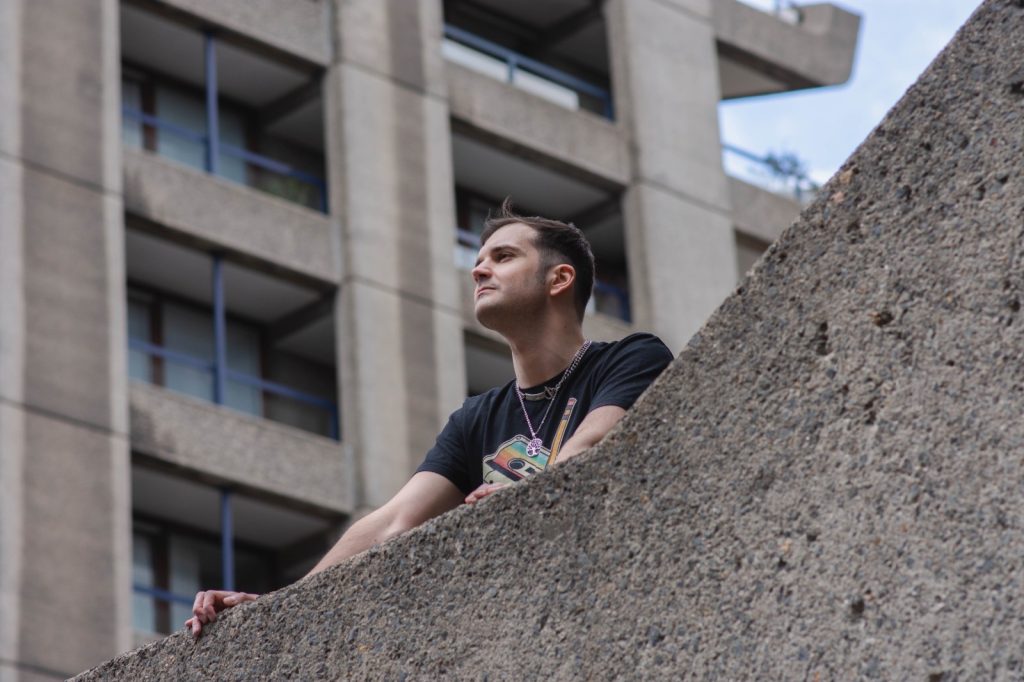
Joshua Scurfield: The ache. There’s an ache of loneliness, of being trapped, of losing things you had. But always, and now, I find the textures of pretty chords the best jumping off point that helps me to capture quite mundane things like the way the light falls across the wall or the way a tree bends in the wind. These two things work with each other in my writing.
Faithfulness: “Digital Poison” reflects on digital isolation and misanthropy. What specific moment or feeling first sparked the idea for the song?
Joshua Scurfield: I’d noticed myself becoming more and more misanthropic over the years as I, like many of us, got stuck on the end of a screen for long periods of time. I noticed how dangerous this stuff is, how our entire worldviews can be rotted by the hyperfocus we have on digital content. It made me really sad that so many people get lost in that stuff.
Faithfulness: The track draws influence from Bends-era Radiohead, Slowdive, and post-rock atmospheres. How did you balance those influences without losing your own identity?
Joshua Scurfield: This is a really good question because I’m often thinking this. I think the answer is incorporating my technical guitar playing. Making sure to get in solos and modal writing, not to show off but to genuinely add my other voice in the form of my guitar playing, and I hope to expand that and continue to make myself unique with it.
Faithfulness: You produced and recorded the song entirely yourself. What was the most challenging part of carrying the full creative process alone?
Joshua Scurfield: After so many years much of it is second nature to a degree. But I definitely struggle when there’s a sharp change in sound, especially when I went towards more varied guitar sounds like now. I used to just do layered distorted guitars then clean reverb. Now I’m trying to use the best number of guitars for a particular part of a song, different kinds of distortion, different kinds of guitar effects in an attempt to best capture each song’s concept. It’s very hard making all of those work together without second guessing myself, but it’s also the most rewarding way I’ve done this in my life.
Faithfulness: The guitars carry both distortion and acoustic intimacy. How did you decide where each texture belonged in the song’s emotional arc?
Joshua Scurfield: This is a really tough thing to know. I think it comes down to how it sounds when I envision it in my head. Some songs immediately come upon you sounding a certain way, others you don’t know how best to house those sounds in the writing. I try to think about what that part of the song, or the song overall, is really trying to do and how to truly bring it to life, and then I go from there.
Faithfulness: The vocal delivery feels intentionally close and personal. What emotional state were you trying to capture in that performance?
Joshua Scurfield: With all the new things I’m writing I’m trying to be unashamed of my voice in all its true nature. And in this song particularly, I’m trying to capture this sort of panic that turns into rage, then just sorrow. I think these are the stages of internet poisoning, you can hear the verses get more desperate, the genuine confusion of trying to figure out who is and isn’t ‘human anyway’. It’s all down to that isolated and internet fuelled mental state.
Faithfulness: The song explores a binary way of seeing the world through digital life. How did you translate that concept into sound rather than just lyrics?
Joshua Scurfield: I think this comes down to the vocal production quite a lot. I had the vocals sent to a huge delay that I allowed to sometimes overcome parts of the track, and a touch of chorus effect as well. This gave it a slightly inhuman sound while also keeping it quite nostalgic. I think when things are nostalgic but alienating at the same time, there’s a whole world of intense emotions that open up, and that’s what I was going for there!
Faithfulness: Compared to your previous releases this year. What does “Digital Poison” reveal about your evolution as a solo artist?
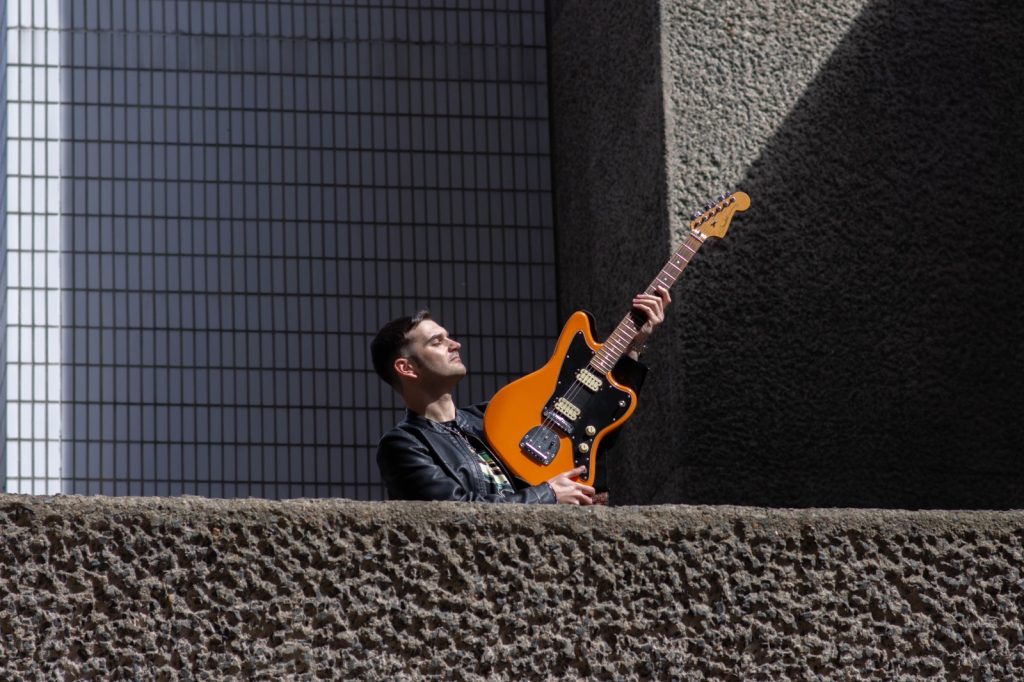
Joshua Scurfield: It’s the part of my journey where I open up with different vocal sounds, trying new textures and also just writing about things that I’ve experienced without being afraid.
Faithfulness: The production feels both modern and nostalgic at once. How did you approach blending 2020s techniques with 90s-inspired sonic aesthetics?
Joshua Scurfield: The 90s sorts of sounds are generally quite familiar to me at this point, it’s all things like bright roomy drums, layered guitars and roomy reverb. But I’m also drawn to modern effects like huge delays and deep reverbs, so from there I just try to keep them balanced and make sure neither one particularly steals the show. Walking that tightrope gives the most unique sound!
Faithfulness: Now that “Digital Poison” is out in the world. What do you hope listeners take away emotionally after sitting with it?
Joshua Scurfield: I hope they see it as a message to everyone about the dangers of the digital age. The internet is amazing, but it’s also massively mentally taxing. It has the power to isolate you and make you hate each other. It can make you not want to speak to other people or trust anyone. We need to adjust to this age of humanity where we are completely able to be fully networked at all times with the ability to look up any perspective on anything 24/7.
Faithfulness: Looking ahead. How does this release shape the direction of what you want to explore next as an artist?
Joshua Scurfield: I think it’s helping me to open up my songwriting to more personal things, things I’ve normally been afraid to write about. I’m being vulnerable as I truly want to express myself and share my real experiences with anyone who will listen.
CHECK OUT THE RELEASE OF ‘Digital Poison’
HAVING LISTENED TO ‘Digital Poison’, HERE ARE MY HONEST THOUGHTS
Joshua Scurfield’s “Digital Poison” thrives on atmosphere, using its musical arrangement to create a deeply immersive alternative rock experience. The track is driven by layered guitar lines that drift through long delay trails, producing a spacious and hypnotic soundscape. Distorted guitars arrive in measured waves, never overwhelming the mix, while delicate acoustic textures add warmth and contrast to the surrounding ambience. The rhythm section maintains a steady, almost mechanical pulse that reinforces the song’s sense of restraint and repetition. Scurfield’s vocal performance is intentionally understated, blending into the instrumentation rather than dominating it, which enhances the track’s introspective quality. The production is equally impressive, balancing post rock expansiveness with modern sonic clarity. Instead of relying on dramatic crescendos, “Digital Poison” captivates through texture, consistency, and carefully crafted sonic detail, showcasing Scurfield’s growing confidence as a self-produced musician.
~ Faithfulness (Dulaxi Team)
Finally to our audience, I urge to listen to “Digital Poison”, add it to your playlist and be Inspired by it and on behalf of Dulaxi I like to appreciate you all by saying thank you everyone, See you on our next interview.
For more information about Joshua Scurfield, click on the icons below.