

Dominic Crane delivers “So Moseley” as a vocal performance shaped by restraint, clarity, and emotional precision, with his voice existing in a delicate space between spoken reflection and melodic phrasing. Released on 30 April 2026, the track stands out immediately for its refusal to exaggerate emotion, instead allowing sincerity to emerge through controlled delivery. His tone remains steady, conversational, and grounded, yet still carefully musical, so each line feels like a thought being gently revisited rather than dramatically performed in the moment. The emotional effect is subtle but persistent, creating a closeness where the listener feels embedded inside the narrator’s memory rather than observing it from a distance. Across the track, this controlled approach becomes the emotional anchor, ensuring the performance communicates feeling through nuance rather than intensity.
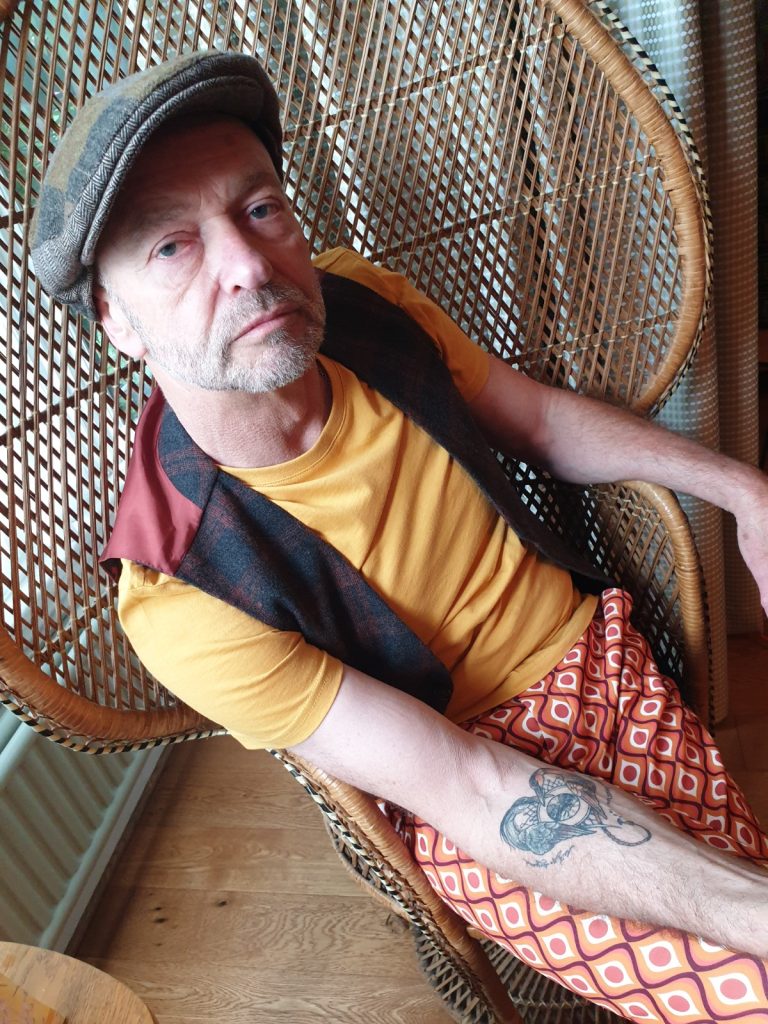
The lyrical and thematic foundation of “So Moseley” is built around transformation through understated human connection, avoiding dramatic arcs in favor of gradual emotional recalibration. The song reflects a real-life encounter in a Moseley shop that becomes a turning point, reshaping the narrator’s perception of identity, environment, and emotional grounding. Rather than framing connection as overwhelming or cinematic in a conventional sense, the lyrics present it as something quietly corrective, an influence that adjusts perspective without forcing change. The message emphasizes how ordinary, unassuming moments can carry deep personal significance, especially when they introduce clarity, authenticity, and a more grounded way of seeing the world. This thematic restraint gives the song a reflective depth, where meaning unfolds gradually rather than being immediately declared.
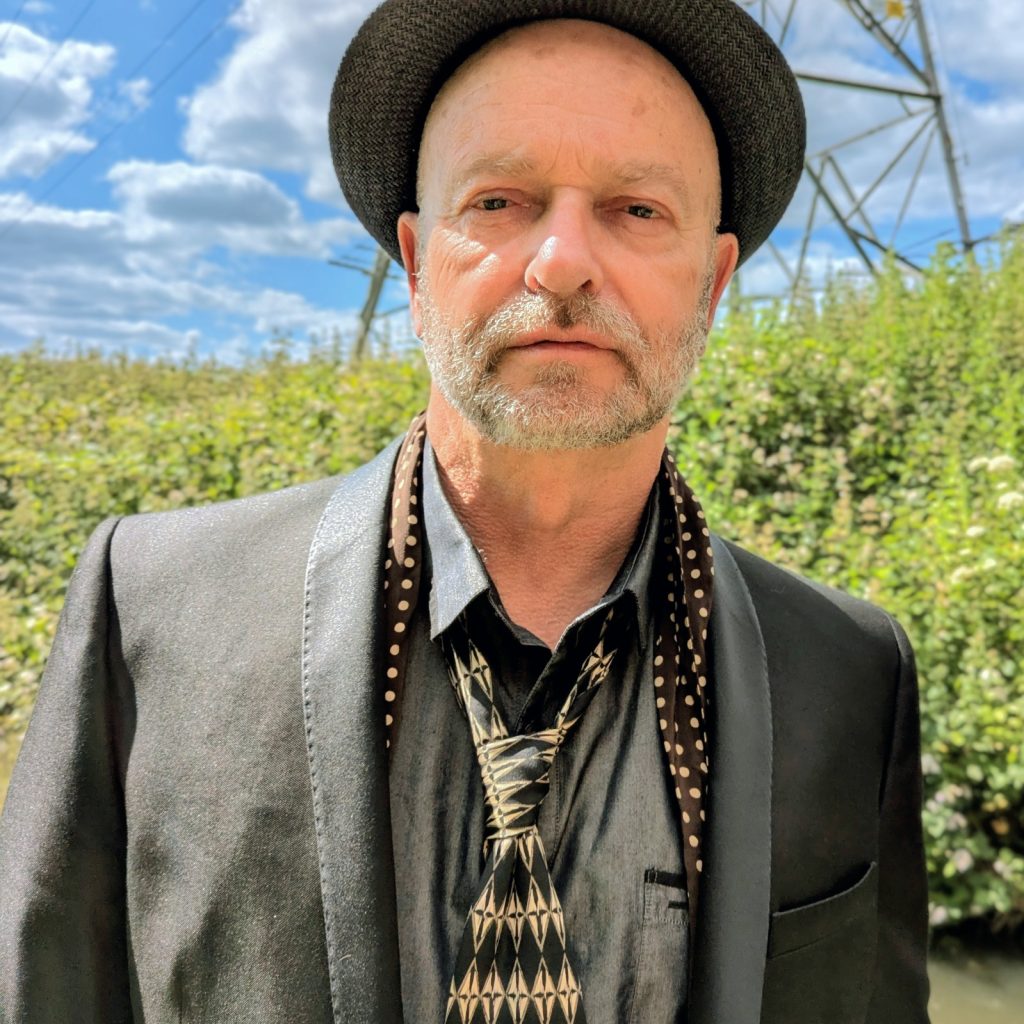
Vocally, Crane maintains a carefully balanced approach that blends emotional transparency with rhythmic control, ensuring the performance never drifts into excess or theatrical exaggeration. His phrasing often sits slightly behind the beat, creating a gentle elasticity that enhances the reflective mood of the song and gives it a naturally human pacing. This subtle timing choice reinforces the impression that the performance is being recalled rather than urgently declared, adding to the song’s introspective identity. Even in moments where emotional intensity subtly rises, the delivery remains measured, relying on tone and nuance rather than volume or strain. The consistency of his vocal texture allows small expressive shifts to carry significant emotional weight, making the performance feel intimate, grounded, and carefully constructed without losing its natural warmth.
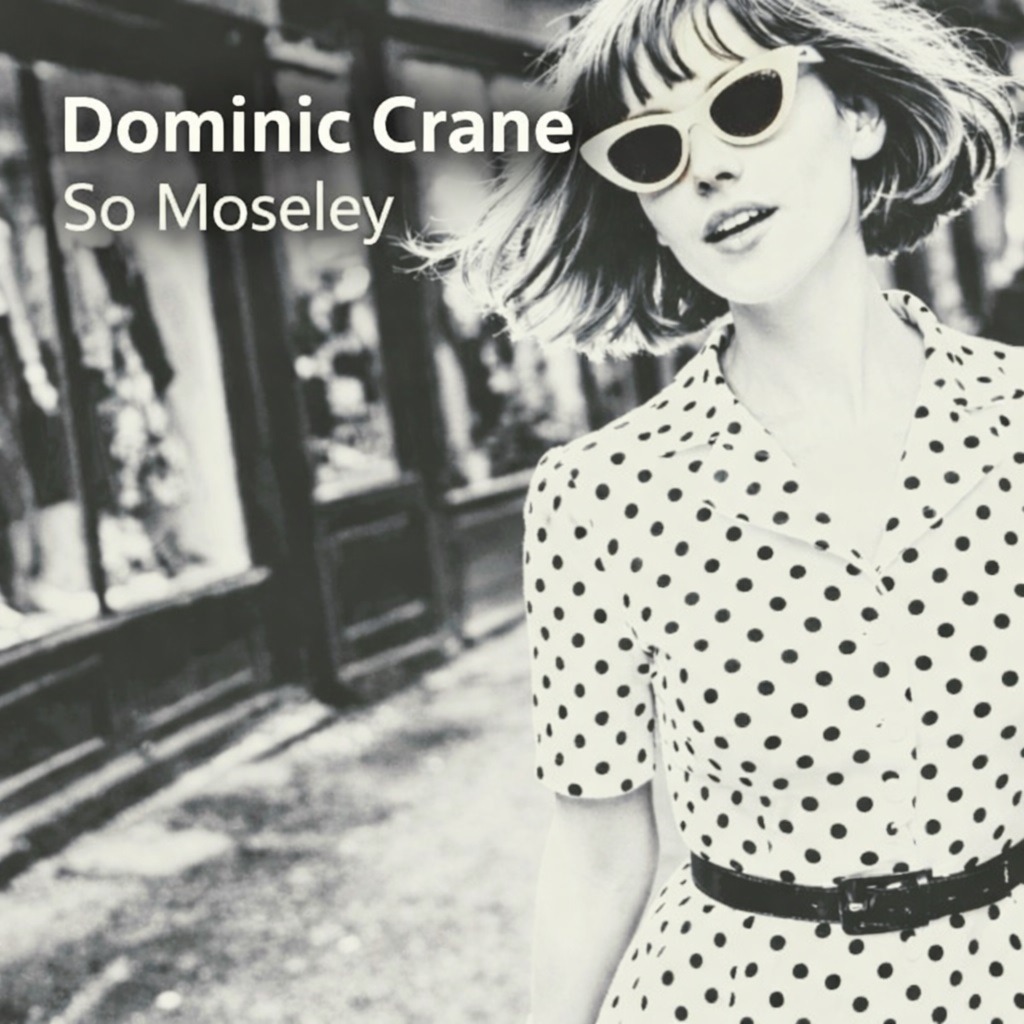
Musically, “So Moseley” is constructed around a refined indie-pop framework that prioritizes atmosphere, groove, and clarity over complexity or density. A melodic bass line serves as the structural backbone, providing both rhythmic propulsion and harmonic warmth that anchors the entire arrangement. Mid-tempo drums add steady movement, characterized by crisp snare articulation and carefully placed kick patterns that maintain a controlled, unhurried energy throughout the track. Surrounding these core elements are airy, layered textures that expand the sonic space, allowing the production to feel open and emotionally breathable. The arrangement frequently shifts between fuller sections and more stripped-back passages, reinforcing the song’s reflective narrative arc. Combined with its understated vocal performance, the instrumentation creates a cohesive sonic identity where simplicity, emotional depth, and atmospheric detail work together to support the track’s central theme of quiet but meaningful transformation.
So Moseley Shows How Quiet Connection Transforms Perception, Turning Ordinary Encounters Into Clarity, Grounding And Subtle Emotional Change Without Dramatic Force Or Spectacle Needed Perspective
~ Daniel (Dulaxi Team)
Dominic Crane brings a deeply rooted musical legacy to “So Moseley,” shaped by decades within the Birmingham music scene and a steady evolution through multiple creative phases. Beginning with The Boatyman, moving through Rumblefish in the early nineties, and later developing the art-pop identity of Low Art Thrill, he built a career that attracted industry recognition from WEA and Island Records, alongside support from US college radio and the BBC. His songwriting experience extends into collaborations with Amy Wadge, Stephen “Tin Tin” Duffy, and Motown legend Edwin Starr, while his melodic contribution to “Baby Blue” later gained renewed life through P.P. Arnold’s performance on Later… with Jools Holland. As a solo artist, he has shared stages with George Ezra, JP Cooper, Mike & The Mechanics, and Sharon Corr, maintaining a craft-driven approach from his Sicknote Studio in North Birmingham. This foundation makes “So Moseley” a refined listening experience, best appreciated with close attention, as its quiet emotional depth and understated storytelling reveal greater impact over repeated plays.
For more information about Dominic Crane, click on the icons below.