
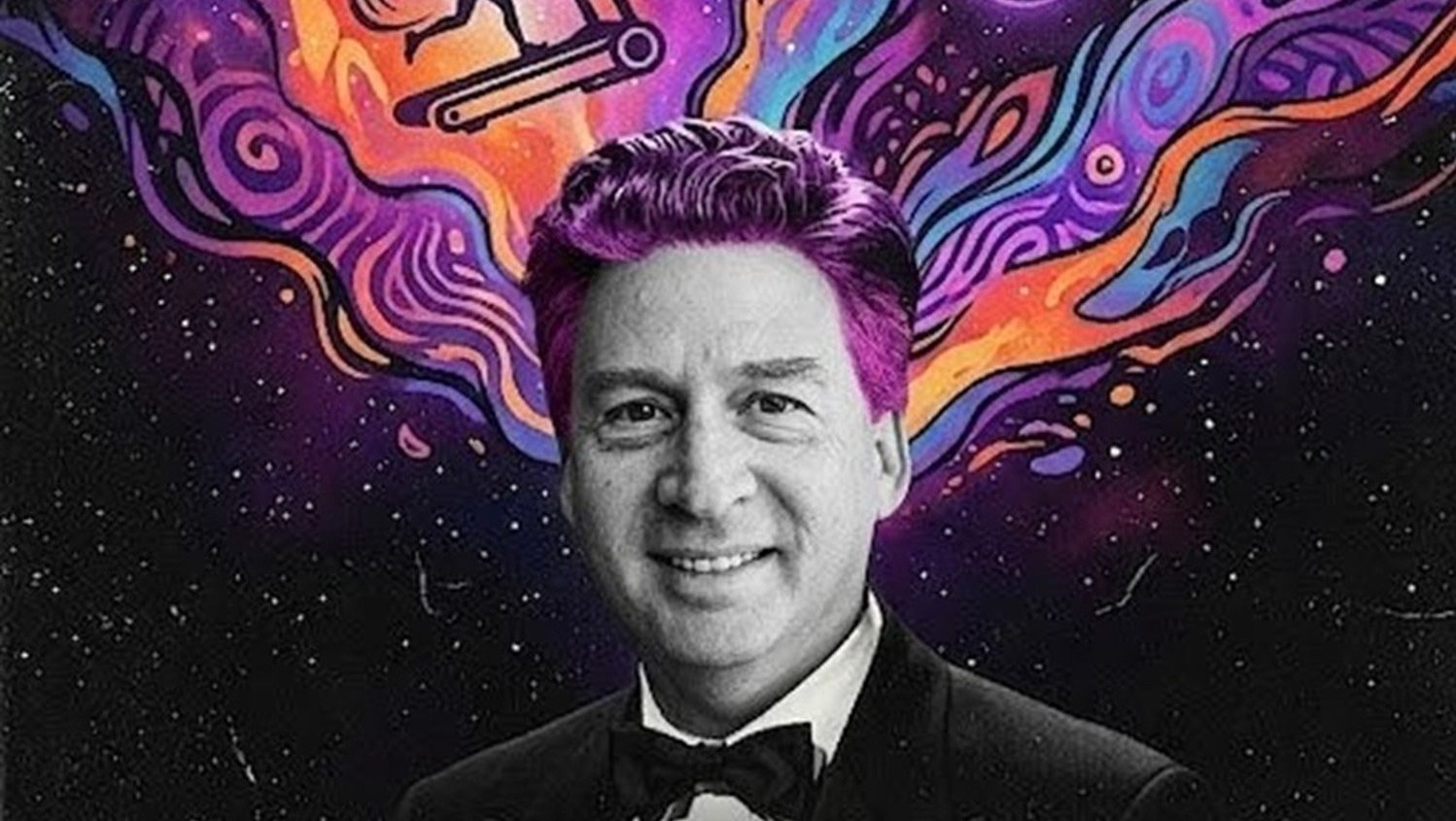
“Maybe I Belong” by Joseph Schwartz, released on April 24th, 2026, is an experimental rock album that constructs a unified emotional narrative centered on identity, self-doubt, and creative resilience. The project presents a continuous psychological arc that reflects the modern artist’s struggle to define artistic legitimacy under pressure. It fuses classical inspiration with contemporary rock structures to create a cohesive experience. The vocal performance serves as the central narrative device, shifting between restrained introspection, strained urgency, and declarative confidence. Rather than prioritizing smoothness, the delivery emphasizes emotional exposure, allowing each phrase to function as both lyrical expression and psychological testimony. This positions the voice as the primary conduit of meaning within the album’s conceptual framework.
Instrumentally, “Maybe I Belong” balances dense rock textures with sparse atmospheric passages that mirror internal instability. The production maintains clarity and cohesion across its runtime, ensuring layered harmonics and shifting intensities support the vocal core. A hybrid mixing and mastering approach reinforces consistency while preserving a raw, human-centered aesthetic. At a thematic level, the album explores existential uncertainty, creative validation, and the tension between self-doubt and confidence. It portrays artistic identity as an evolving negotiation rather than a fixed state, using emotional contrast to reflect the instability of perception and ambition. The result is a cohesive conceptual statement about persistence within modern creative environments. Overall, “Maybe I Belong” stands as a unified artistic statement that integrates performance, production, and concept into a single expressive system, offering a sustained exploration of what it means to seek belonging through music.
Treadmill of Hope:
In “Treadmill of Hope” from “Maybe I Belong”, Joseph Schwartz constructs a vocal performance centered on strained persistence and controlled emotional urgency. The vocals are delivered with a forward-driving intensity that remains constant throughout the track, reflecting a mindset locked into endurance rather than resolution. Each line is articulated with tight phrasing, reinforcing the sensation of effort that never reaches relief. The vocal tone is deliberately pressured, sitting close to breaking point without collapsing, which directly embodies the theme of forced optimism under exhaustion. The chorus sections intensify this effect, with layered vocal stacking that amplifies emotional weight and reinforces the idea of repeating hope as obligation rather than comfort.
The theme of the track is continuous struggle masked as progress. Joseph Schwartz uses vocal repetition and escalating delivery to express a cycle of effort without escape. The message is built into the performance itself: movement exists, but transformation does not arrive. The emotional framing is internal pressure disguised as determination.
Instrumentally, the track supports this vocal narrative with relentless rhythmic motion and dense guitar layering that mirrors the psychological loop described in the lyrics. However, the vocal remains the central narrative driver, anchoring the listener in the emotional reality of persistence. The overall structure reinforces the vocal message by refusing to provide dynamic relief, keeping tension elevated until the end. This creates a unified expression where voice and theme operate as one continuous statement of endurance.
Poison Darts (Remastered):
With “Poison Darts (Remastered), Joseph Schwartz delivers a restrained and emotionally controlled vocal performance that defines the entire track. The voice is soft but precise, with deliberate pacing that places emphasis on each word rather than volume or projection. This vocal restraint becomes the emotional core of the song, portraying harm that is internalized rather than expressed outwardly. The phrasing consistently lingers behind the instrumental pulse, creating a detached emotional distance that aligns with the track’s introspective identity.
The theme centers on emotional wounds that persist silently. Joseph Schwartz uses the vocal delivery to embody lingering psychological impact, where words function as lasting imprints rather than immediate confrontations. The chorus does not explode into intensity; instead, it deepens the emotional weight through subtle repetition and tonal steadiness. This controlled delivery reinforces the idea that emotional damage can exist without outward chaos, becoming more powerful through understatement.
Instrumentally, the track maintains minimal rhythmic activity and soft harmonic layering, but the vocals remain the primary narrative focus. The gentle guitar textures and ambient space act as a frame for the voice rather than a competing force. This balance ensures that the emotional message is carried almost entirely through vocal expression. The remastered clarity heightens every nuance in tone and breath control, making the performance feel intimate and unfiltered. The result is a track where emotional impact is defined by restraint, and the vocals carry the full weight of the theme.

What is Art? (Remastered):
In the track “What is Art? (Remastered)” from the album “Maybe I Belong”, Joseph Schwartz presents a vocal performance built on dual expression: analytical delivery and emotional questioning. The vocals alternate between spoken clarity and melodic phrasing, reinforcing the track’s central inquiry. This shift in vocal approach creates a sense of internal dialogue, where certainty and doubt coexist within the same performance. Each phrase is delivered with intentional control, ensuring that meaning remains central even as emotional tone shifts.
The theme of the track is the search for meaning in artistic creation. Joseph Schwartz uses the vocal structure to embody questioning itself, with phrasing that rises into melodic intensity before retreating into reflective speech-like articulation. This creates a dynamic interpretation of thought in motion, where the voice becomes a tool for exploration rather than resolution. The chorus sections intensify the questioning rather than answering it, reinforcing the idea that artistic identity remains unresolved and continuously evolving.
Instrumentally, the arrangement expands and contracts around the vocal line, but the voice remains the guiding force of interpretation. Sparse beginnings give space for lyrical focus, while later layering supports the emotional escalation of the questioning process. The remastered production enhances vocal clarity, ensuring that every tonal shift and articulation carries conceptual weight. The track functions as a vocal-driven philosophical statement, where meaning is constructed entirely through performance rather than resolution.
Rock Superman (Remastered):
“Rock Superman (Remastered)” showcases Joseph Schwartz delivering a commanding and declarative vocal performance designed around confidence and identity projection. The vocals are powerful, sustained, and rhythmically aligned with the driving instrumental foundation. Each chorus expands in vocal intensity, using elongated phrasing and layered backing vocals to create an anthem-like presence. The voice is positioned at the front of the mix, ensuring that it functions as the dominant narrative force throughout the track.
The theme centers on constructed strength and self-definition through performance. Joseph Schwartz uses vocal delivery to embody a persona of amplified confidence, transforming internal tension into outward assertion. The repeated vocal motifs in the chorus reinforce identity reinforcement, where each repetition strengthens the emotional statement of power and presence. The performance carries a sense of deliberate elevation, where identity is actively shaped through sound.
Instrumentally, the track builds a high-energy arena-rock foundation, but the vocal remains the defining element that shapes interpretation. Guitar layers and steady percussion provide structural support, yet the vocal performance dictates emotional direction. Harmonized backing vocals intensify the sense of scale, reinforcing the “superman” concept as collective reinforcement rather than isolation. The remastered production emphasizes vocal clarity and separation, ensuring that the emotional weight of the performance remains central. The result is a track where voice, identity, and theme are fully unified into a single expressive statement of empowered presence.
Maybe I Belong Captures The Fragile Tension Between Self-doubt And Creative Survival, Turning Internal Conflict Into Sound And Transforming Uncertainty Into A Continuous Act Of Artistic Becoming.
~ Daniel (Dulaxi Team)
Joseph Schwartz is a Chicago-based experimental music architect who operates at the intersection of human creativity and machine-assisted composition, shaping what he terms “Post-Human Arena Rock” and “Neural-Symphonic Pop.” His artistic identity is built on a Hybrid-Human workflow that merges AI-generated sound foundations with meticulous manual refinement, positioning technology not as a replacement for artistry but as an expanded instrument for expression. Working primarily through iterative generation and post-production sculpting, Schwartz refines hundreds of sonic and lyrical variations to extract emotionally precise material, which he then shapes into cohesive compositions through detailed engineering and arrangement. His method is highly structured yet creatively fluid, relying on AI systems for raw sonic “DNA” while preserving authorship through composition, direction, and final sonic design.
Using digital editing environments and proprietary mixing approaches, he emphasizes organic dynamics, emotional clarity, and consistent tonal identity across projects. This approach allows him to merge classical influences, cinematic ambition, and modern rock intensity into a unified aesthetic language that challenges traditional boundaries of authorship and production. Across his body of work, Schwartz consistently explores themes of identity, creative struggle, and technological coexistence, framing AI not as a threat but as a collaborator in artistic evolution. His reputation has been shaped by projects that reinterpret genre conventions while maintaining emotional accessibility and conceptual depth. Ultimately, Joseph Schwartz represents a forward-facing model of digital musicianship where human intent and algorithmic possibility converge. “Maybe I Belong” stands as a key expression of this vision, and listeners drawn to emotionally charged, sonically ambitious, and concept-driven rock will find the album a compelling entry point into his evolving musical universe.
For more information about Joseph Schwartz, click on the icons below.