
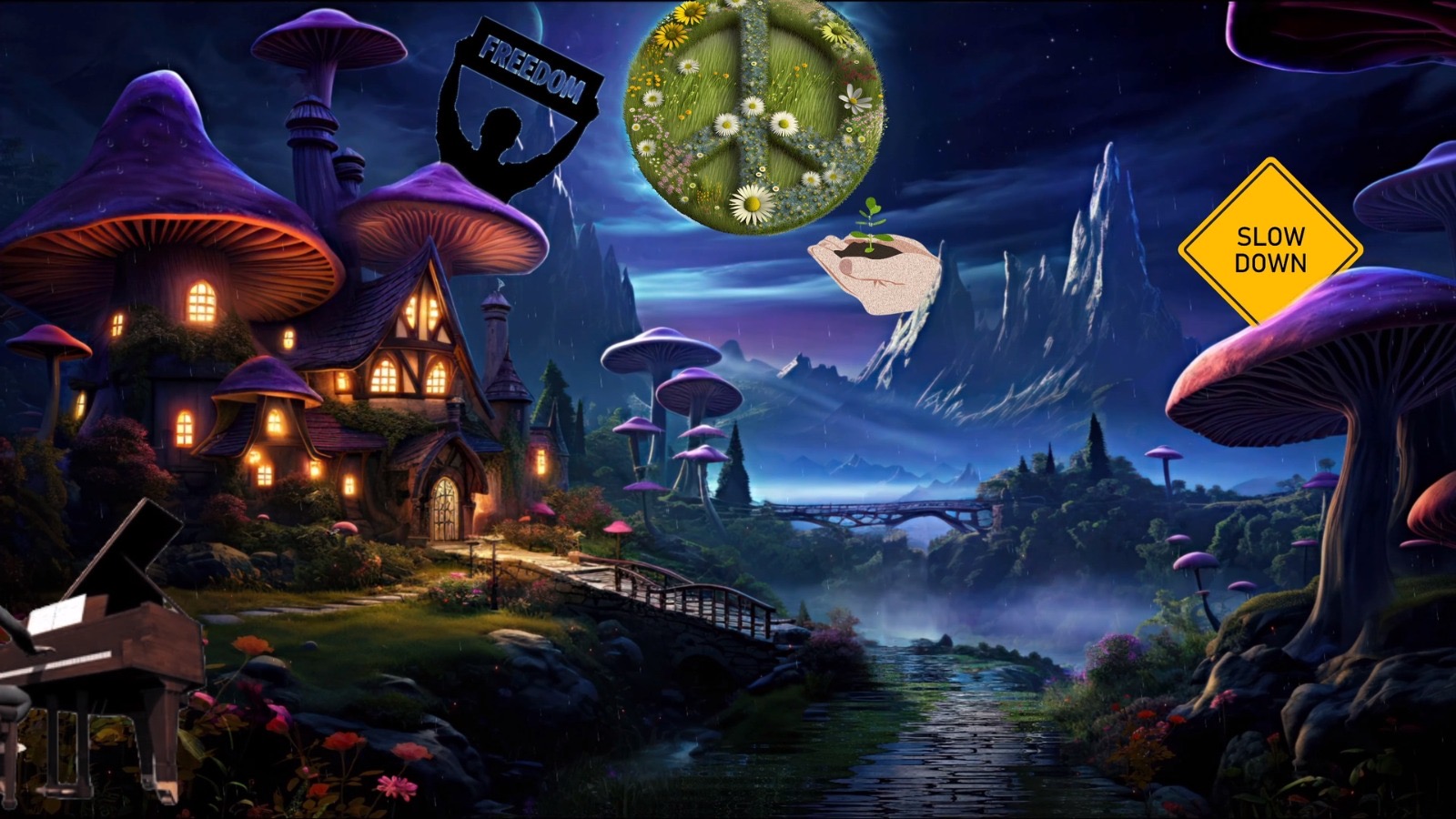
“Romanticism of Psychedelic Customs,” released 10 April 2026 from Leszno, Poland, presents a striking collaboration between composer Tomasz and pianist Benita Rose. The piece positions itself at the crossroads of Romantic-era expressivity and avant-garde sonic experimentation, using the piano as both melodic narrator and atmospheric engine. Rather than adhering to traditional classical form, it unfolds as a shifting soundscape where tonal familiarity dissolves into abstraction. From its opening gestures, the work invites listeners into a meditative yet unsettled space, where emotional warmth is constantly refracted through a prism of psychedelic coloration and modern harmonic instability.
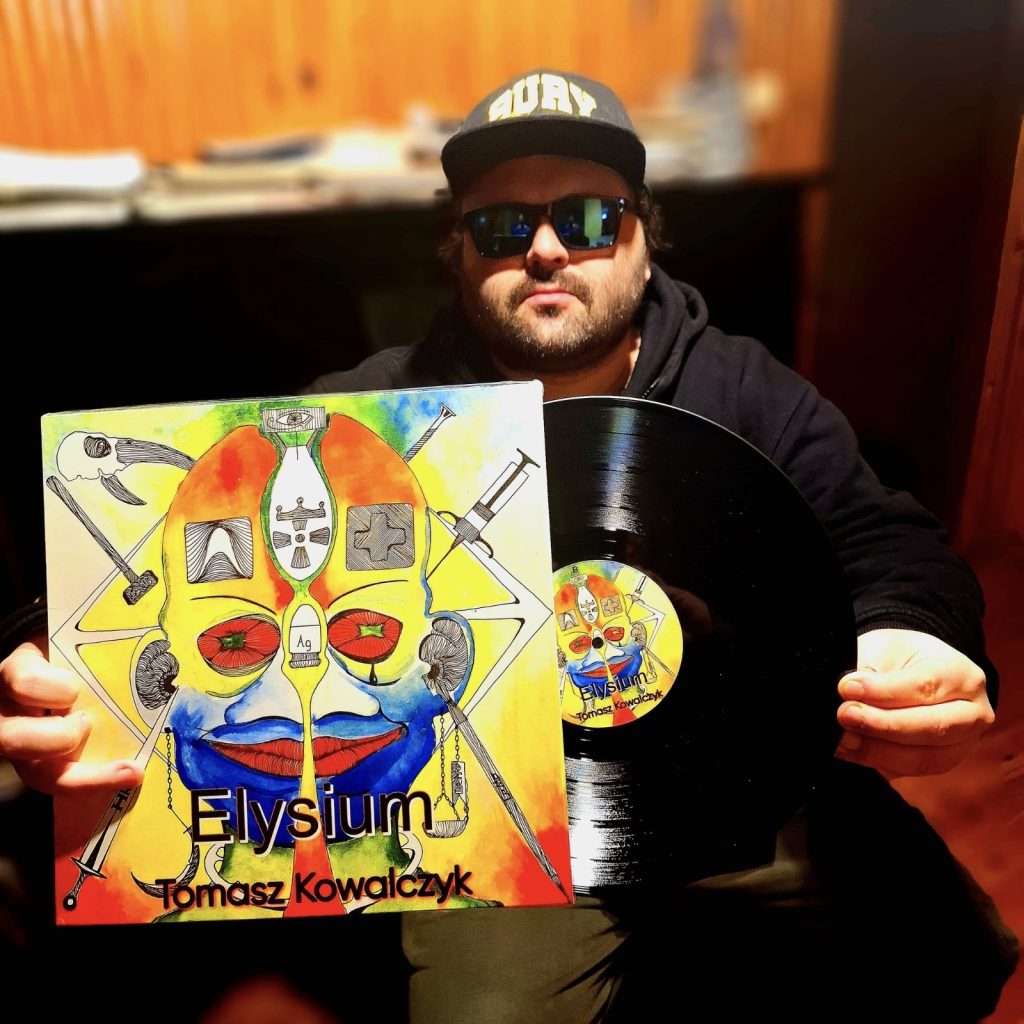
Tomasz’s composition language resists conventional resolution, favoring fluid harmonic motion and suspended tonal centers that drift rather than settle. The piano writing expands across registers, creating layered textures where individual notes behave like particles in motion. Delicate passages emerge with near-impressionistic softness before collapsing into denser harmonic clusters that evoke tension without closure. This tension is not dramatic in a traditional sense but perceptual, relying on shifts in density, resonance, and decay. The “psychedelic” character arises from these constantly morphing sonic perspectives, where repetition is never exact and memory becomes unstable, mirroring the composer’s interest in altered states of listening.
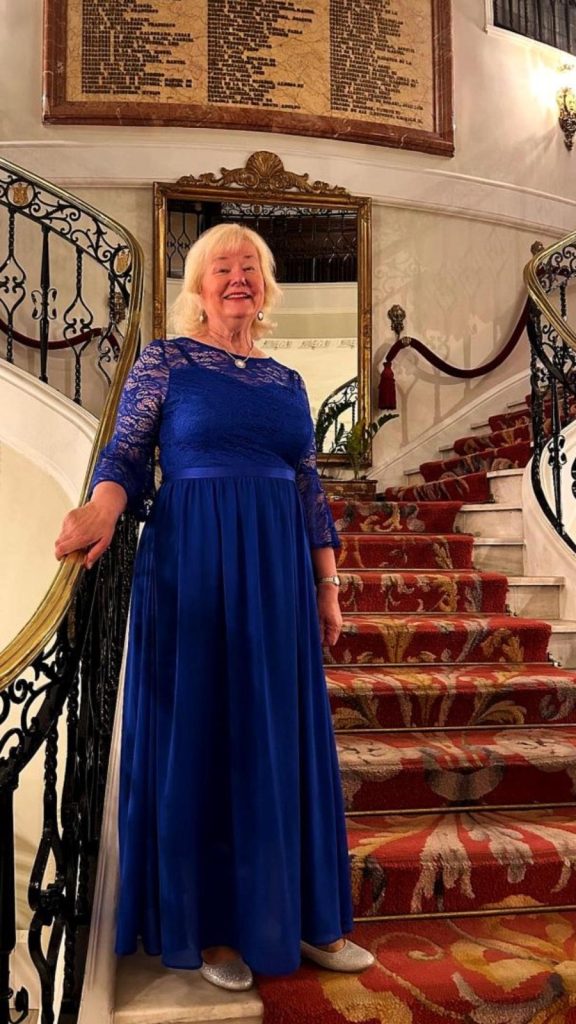
Benita Rose’s interpretation anchors the composition with extraordinary technical control and interpretive intelligence. Her touch navigates the score’s fragile equilibrium between clarity and ambiguity, ensuring that even the most abstract passages retain emotional coherence. She articulates Tomasz’s intricate voicing with a refined sense of polyphonic awareness, allowing multiple musical lines to coexist in balanced conversation. Each phrase is shaped with attention to micro-dynamics, where subtle shifts in pressure and timing alter the perceived emotional temperature. Rose’s performance does not impose structure onto the piece but reveals its latent architecture, allowing the music to expand organically like breath within a vast acoustic space.
Directed by Marcin Pawlak, the visual counterpart enhances the piece’s abstract sensibility through restrained, atmospheric cinematography. The production captures the piano’s resonance with crystalline fidelity, emphasizing the interplay between attack and decay. Close attention is given to sonic spatiality, allowing reverberation to feel almost tangible within the frame. Rather than narrativizing the performance, the visual approach mirrors its openness, reinforcing the music’s refusal of linear storytelling. The result is an immersive audiovisual environment where sound and image coexist as equal interpretive forces.
Tomasz’s broader artistic vision situates the piano as a prism of emotional and metaphysical exploration. His approach treats sound as a spectrum of shifting emotional light, where each note contains both darkness and illumination. This philosophy invites listeners to engage not only with structure but with sensation, dissolving boundaries between composer, performer, and audience. The work becomes an evolving field of perception rather than a fixed composition, encouraging active listening as a form of introspective experience. In this context, Romanticism is not historical reference but a living, adaptive language.
Romanticism Of Psychedelic Customs Is A Sonic Journey Where Classical Elegance Dissolves Into Psychedelic Abstraction And Emotional Light Shifts Through Piano Soundscapes
~ Faithfulness (Dulaxi Team)
Ultimately “Romanticism of Psychedelic Customs” stands as a bold statement in contemporary piano literature, merging compositional experimentation with deep expressive intent. The collaboration between Tomasz and Benita Rose extends beyond technique into shared artistic philosophy, shaping sound into emotional architecture. From Leszno, Poland, Tomasz’s work continues to evolve as a musical prism of pianistic exploration, where every resonance feels like thought made audible. As listeners encounter his sonic world they discover that his music expresses life’s darkest crevices with light.
For more information about Tomasz, click on the icons below.