
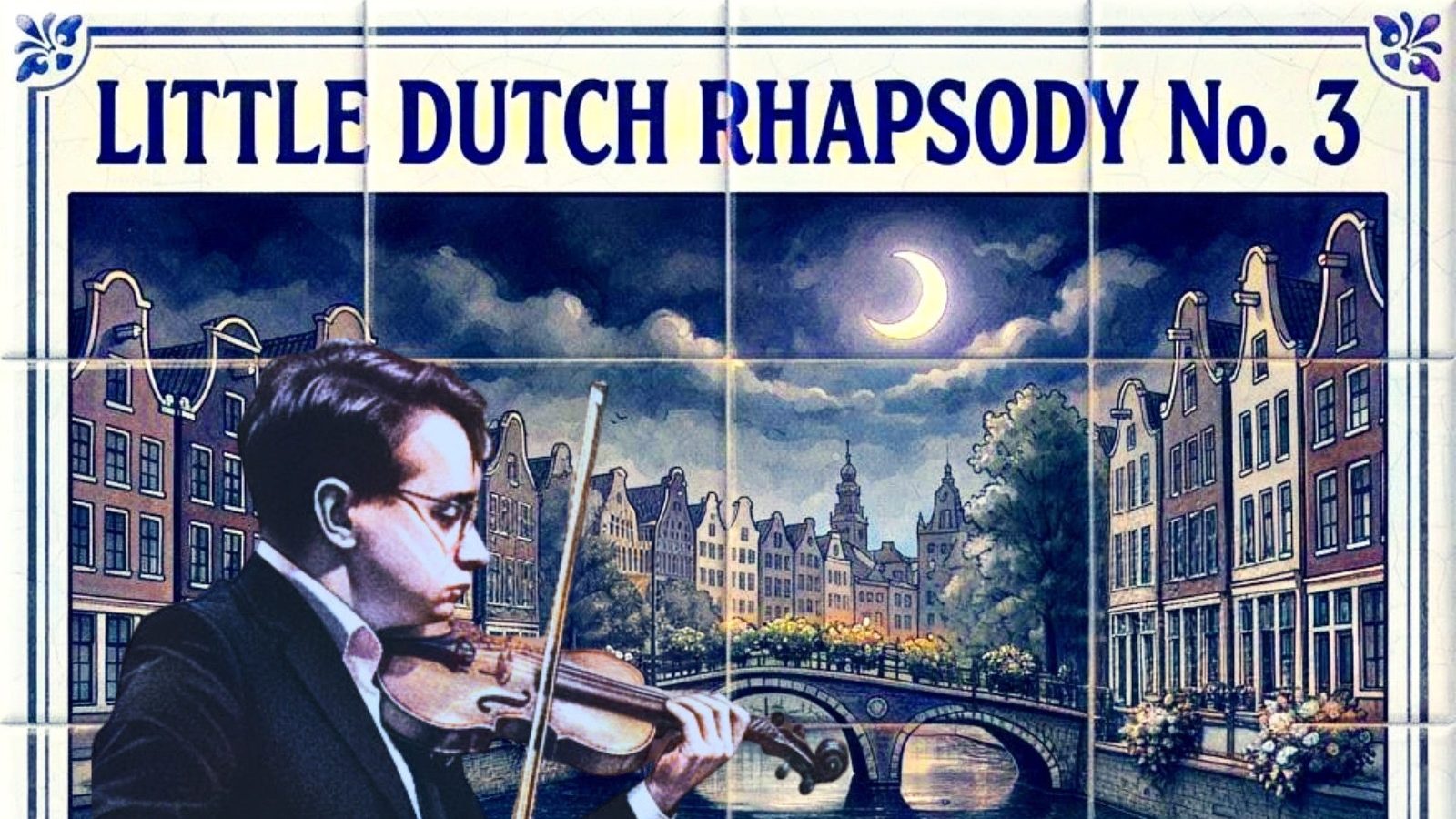
Released on October 2nd, 2026, “Little Dutch Rhapsody No. 3 Capriccio Amsterdam” by Sergiy Bolotny is a vibrant instrumental work that transforms Dutch musical heritage into an expressive showcase for solo violin. At the heart of the composition is Pieter Goemans’ beloved melody “Aan de Amsterdamse grachten,” which Bolotny reimagines through the elegant traditions of Old Viennese violin playing associated with Fritz Kreisler. Rather than simply presenting the familiar theme, he develops it into a virtuosic concert caprice, allowing its nostalgic character to unfold through lyrical phrasing, rhythmic movement, ornamentation, and playful variations. The result is a piece that feels both rooted in cultural memory and freshly interpreted through the voice of a contemporary concert violinist.
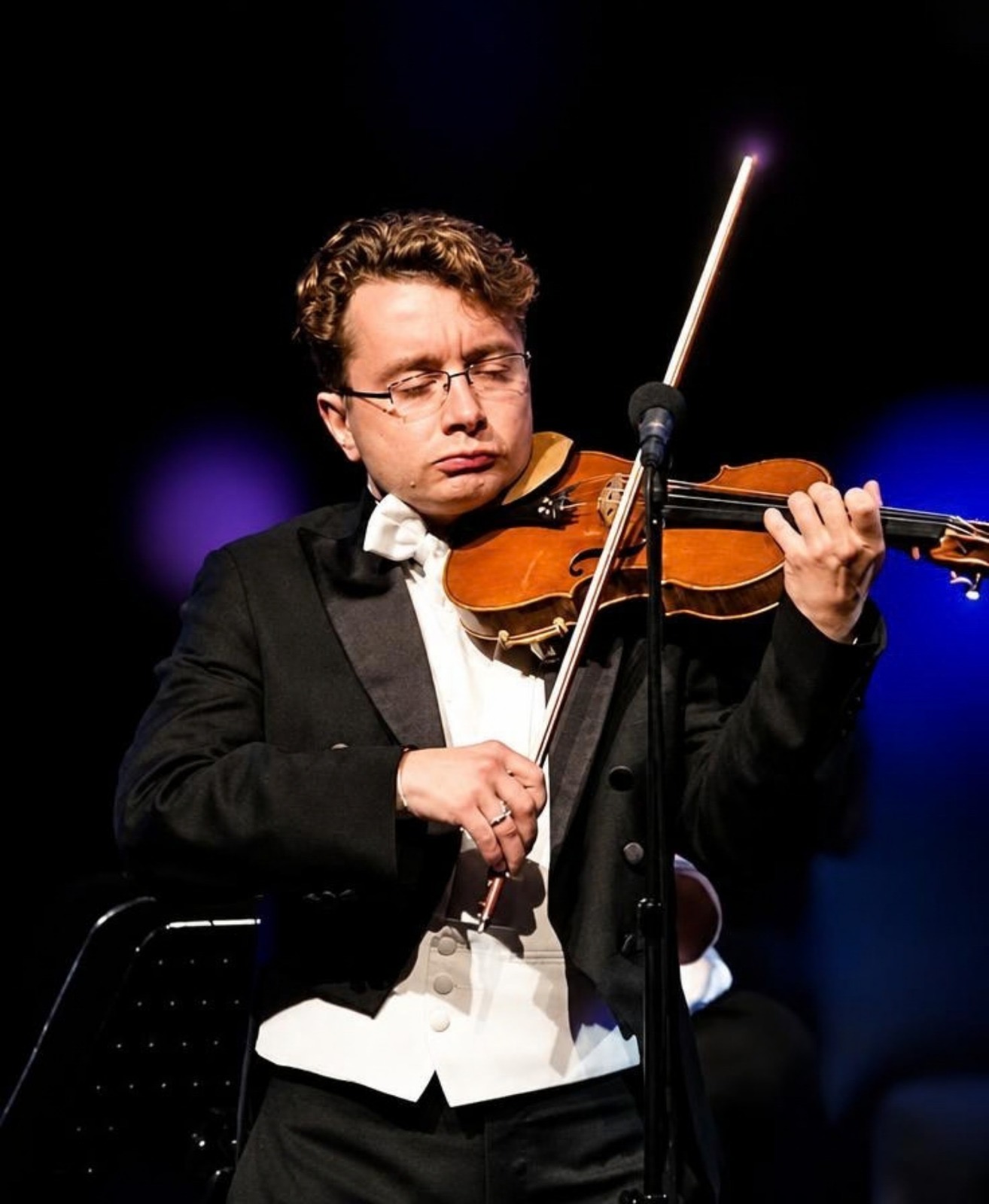
One of the work’s most engaging qualities is the contrast between its lyrical and spirited passages. Bolotnyapproaches the central melody with a vocal quality, using cantabile phrasing and expressive rubato to give the violin an almost singing presence. These gentler moments create an atmosphere of romantic nostalgia, while the more animated sections introduce the lighthearted character suggested by the word “Capriccio.” Rich double-stops add harmonic depth and demonstrate the technical sophistication of the performance, while the variations allow the original theme to continually evolve. The violin moves comfortably between tenderness and agility, creating a musical narrative that feels spontaneous while remaining carefully shaped.
The rhapsodic structure gives “Capriccio Amsterdam” considerable freedom. Instead of relying on a rigid progression, the composition moves through changing moods and episodes, allowing the familiar Amsterdam melody to appear in different expressive forms. Recurring rhythmic ideas provide continuity as the music shifts between introspective passages and more energetic flourishes. There is a playful sense of movement throughout, with the violin carrying the piece through moments of tension, harmonic development, and bright resolution. This balance gives the composition its distinctive character, capturing something of Amsterdam’s historic charm and lively urban spirit without losing the intimacy of a solo violin performance.
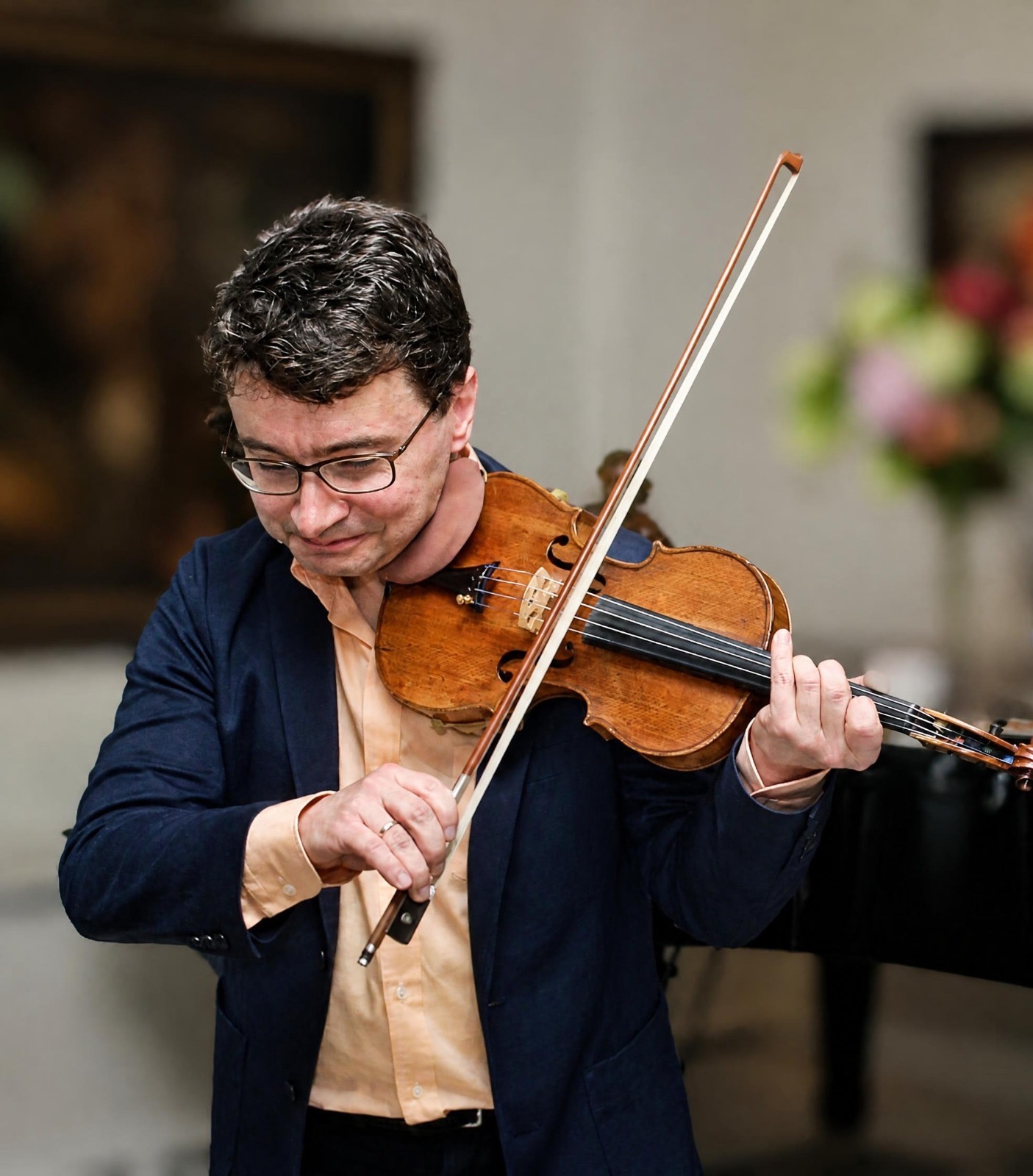
The acoustic presentation is equally important to the experience. Recorded purely acoustically with natural room resonance, the performance preserves the breathing presence of the instrument rather than surrounding it with excessive digital production. Subtle bow friction, natural overtones, resonance, and the spacious quality of the recording contribute to a feeling of immediacy. Every expressive detail remains close to the listener, allowing the warmth of the violin to become part of the composition itself. This transparent production approach complements the musical concept beautifully, because the work depends so strongly on the personality, phrasing, and physical expression of the performer.
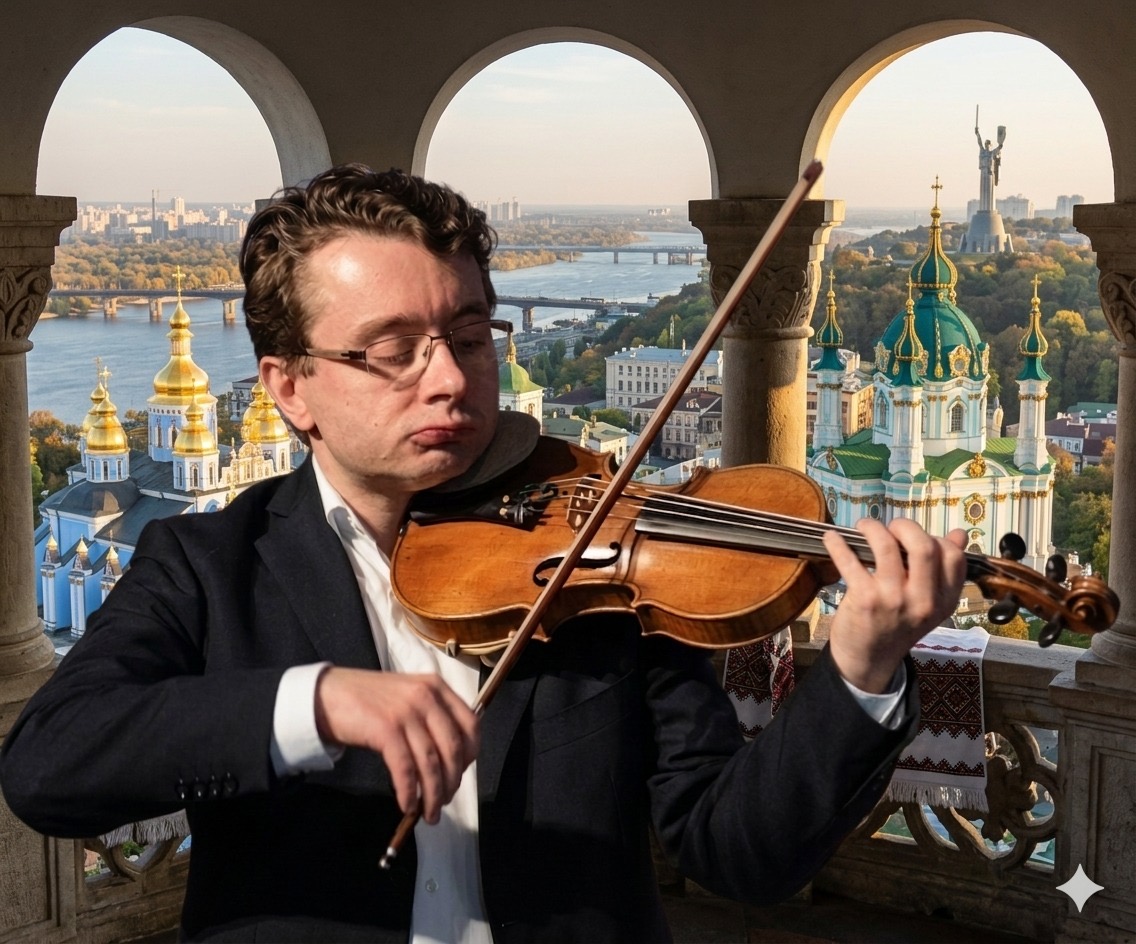
October 2 also became an especially memorable day for Bolotny, as “Capriccio Amsterdam” received a nationwide broadcast in the Netherlands on NPO Klassiek at 15:28, placed directly between music by Nino Rota and Maurice Ravel. Being heard across the country alongside such celebrated composers represents a remarkable milestone and a meaningful recognition of Bolotny’s artistry. The broadcast adds another dimension to a piece already centered on Dutch musical identity, bringing his interpretation of “Aan de Amsterdamse grachten” into a national cultural setting. It is a fitting achievement for a composition that connects Dutch heritage with the refined violin tradition of Vienna.
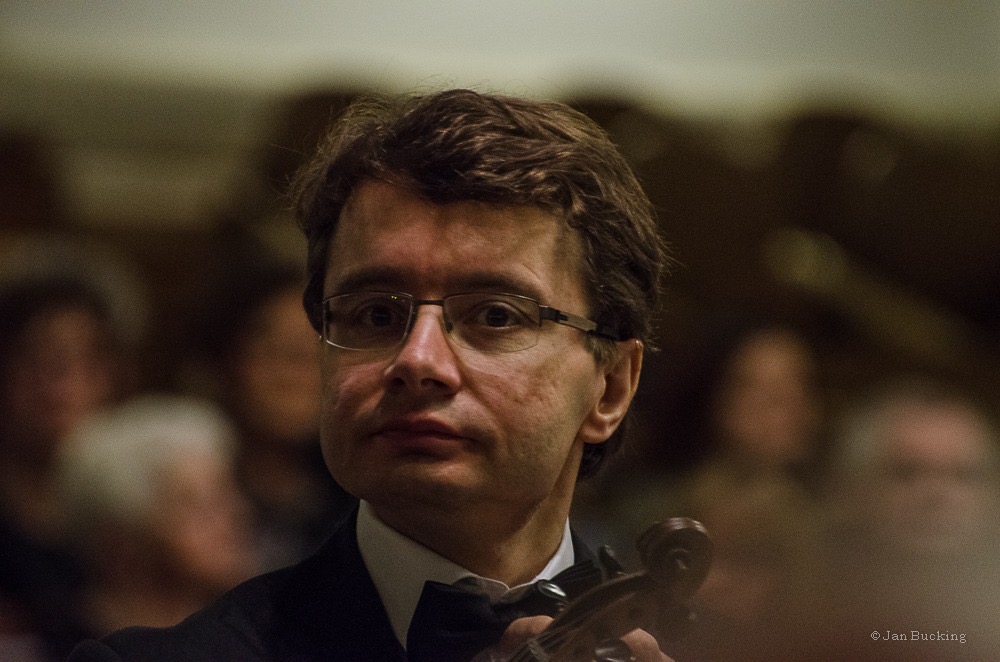
Little Dutch Rhapsody No. 3 Capriccio Amsterdam Is A Lyrical Violin Masterpiece Blending Dutch Heritage, Viennese Elegance, Virtuosity, Nostalgia, And Warm Acoustic Expression
~ Faithfulness (Dulaxi Team)
Born in Ukraine and now based in Groningen, Netherlands, Sergiy Bolotny brings an international musical background to this work. Educated at music academies in Lviv, Kyiv, and Vienna, he has developed a career encompassing symphonic leadership, chamber music, and original solo composition, while serving as Assistant Second Concertmaster with the Noord Nederlands Orkest. His 24 Ukrainian Caprices and Little Dutch Rhapsodies continue his exploration of European musical heritage through contemporary concert writing. With “Little Dutch Rhapsody No. 3 Capriccio Amsterdam,” that exploration becomes particularly vivid, bringing nostalgia, virtuosity, cultural memory, and acoustic warmth together in a graceful portrait of Amsterdam through the expressive voice of the violin.
For more information about Sergiy Bolotny, click on the icons below.