
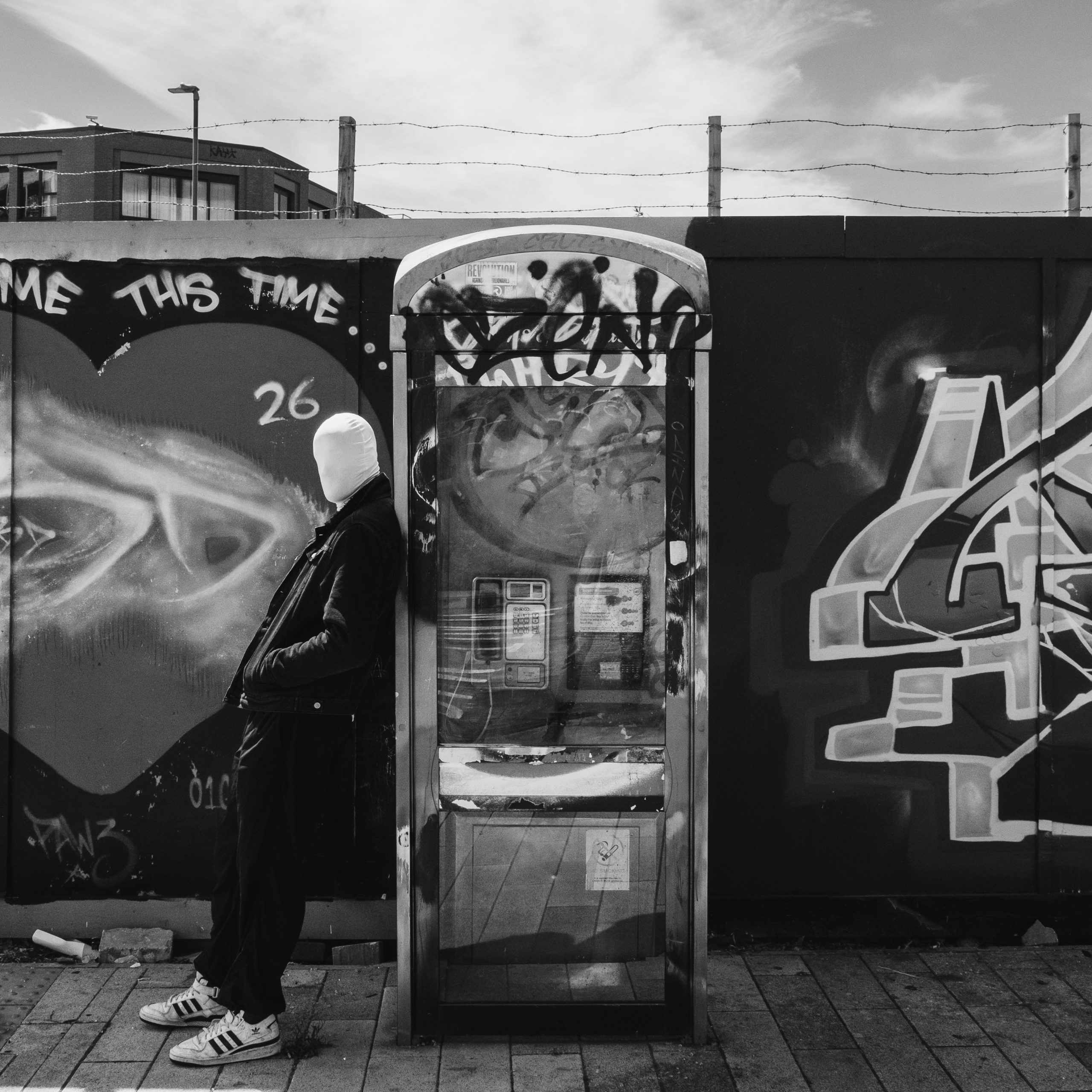
Hello everyone, it’s your host Oliver from DULAXI, and today I’m delighted to be joined by Birmingham-based producer and professional drummer Kai Moa. Working across electronic, experimental, ambient, industrial, techno, dubstep, jazz and alternative pop influences, Kai Moa has developed a musical identity built around experimentation and the freedom to bring contrasting sounds together. His debut EP, Some of My Best Friends Are…Electric Sheep, was released on 28 August 2026, completing a series of singles that began arriving in June.
Before we begin our conversation with Kai Moa, here’s what you need to know about today’s featured project.
About Kai Moa
Based in Birmingham, England, Kai Moa approaches music from a background that stretches well beyond electronic production. He has worked professionally as a drummer across jazz ensembles, post-rock groups and punk bands, while also developing his house music project, Moa Bay, which has been releasing music since 2020. Those different musical environments have given him a broad relationship with rhythm, improvisation, performance and genre, all of which come together in his work as Kai Moa.
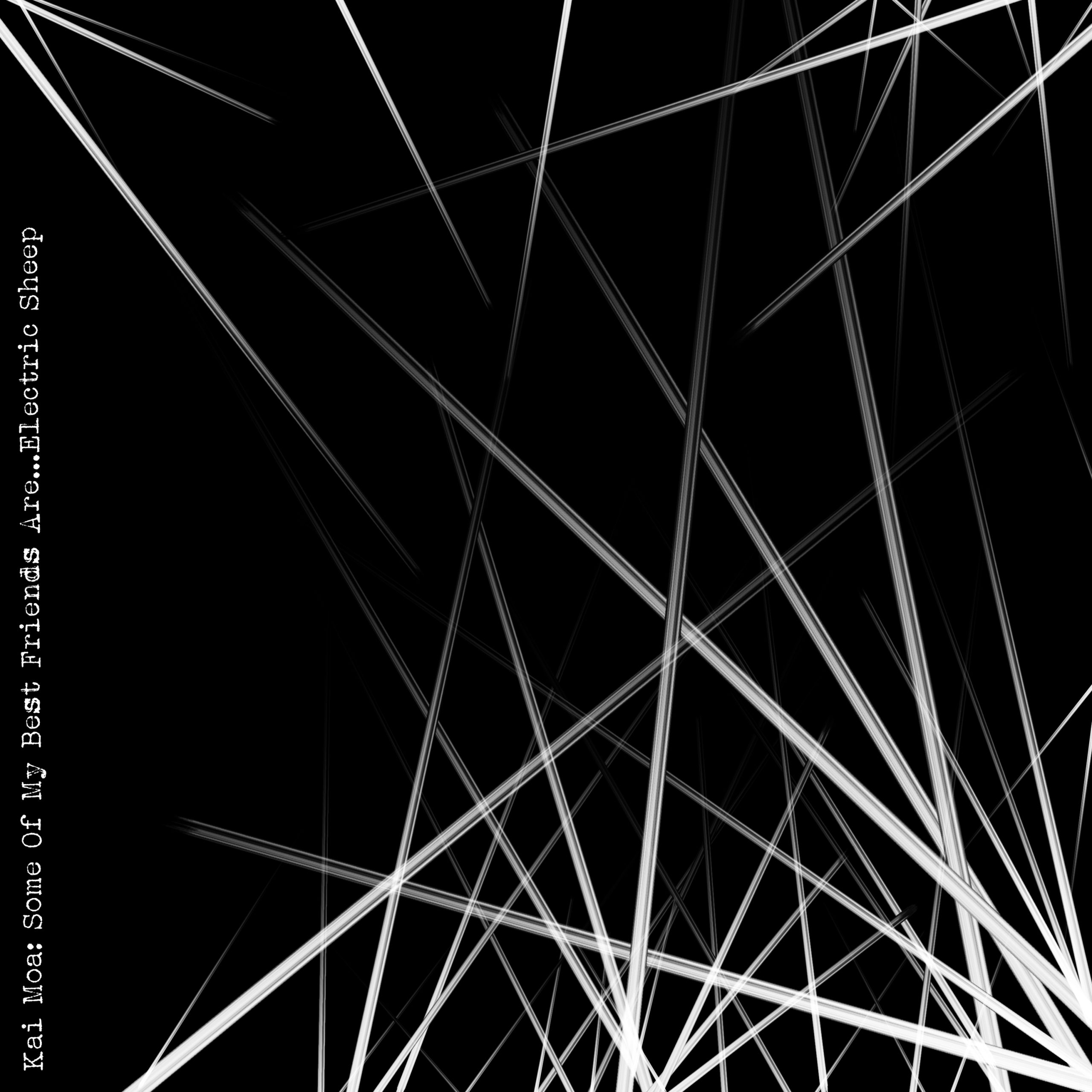
Some of My Best Friends Are…Electric Sheep represents the first EP released under the Kai Moa project and brings together a wide range of sounds and influences without attempting to keep them within conventional genre boundaries. IDM, alternative pop, ambient, industrial music, dubstep, techno and jazz all have a place within the project, creating a deliberately varied musical landscape.
The EP arrived following a run of singles released from June onwards, with its opening track serving as the final piece of the overall project. That track moves through several contrasting musical environments, beginning with an industrial electronic atmosphere before moving towards jazz influenced passages and eventually reaching a darker techno ending. A furious drum solo, performed by Kai Moa himself, becomes a significant part of that progression and reflects the importance of his experience as a drummer to the project.
The EP’s creative process is closely connected to improvisation. Rather than relying entirely on conventional computer-based programming, Kai Moa uses hardware including samplers, sequencers and keyboards to generate ideas and interact with sound physically. His experience as a live drummer also influences the rhythmic side of his production, while electronic tools provide a framework against which live performance and spontaneous ideas can move.
With Some of My Best Friends Are…Electric Sheep, Kai Moa brings together several different chapters of his musical life into one project, allowing rhythm, electronic experimentation, improvisation and contrasting influences to exist side by side. Rather than treating those differences as limitations, the project gives them room to interact.
Having this brief introduction to today’s featured project, I’m sure both new listeners and longtime fans are excited to hear directly from Kai. So, without further ado, let’s begin today’s interview.
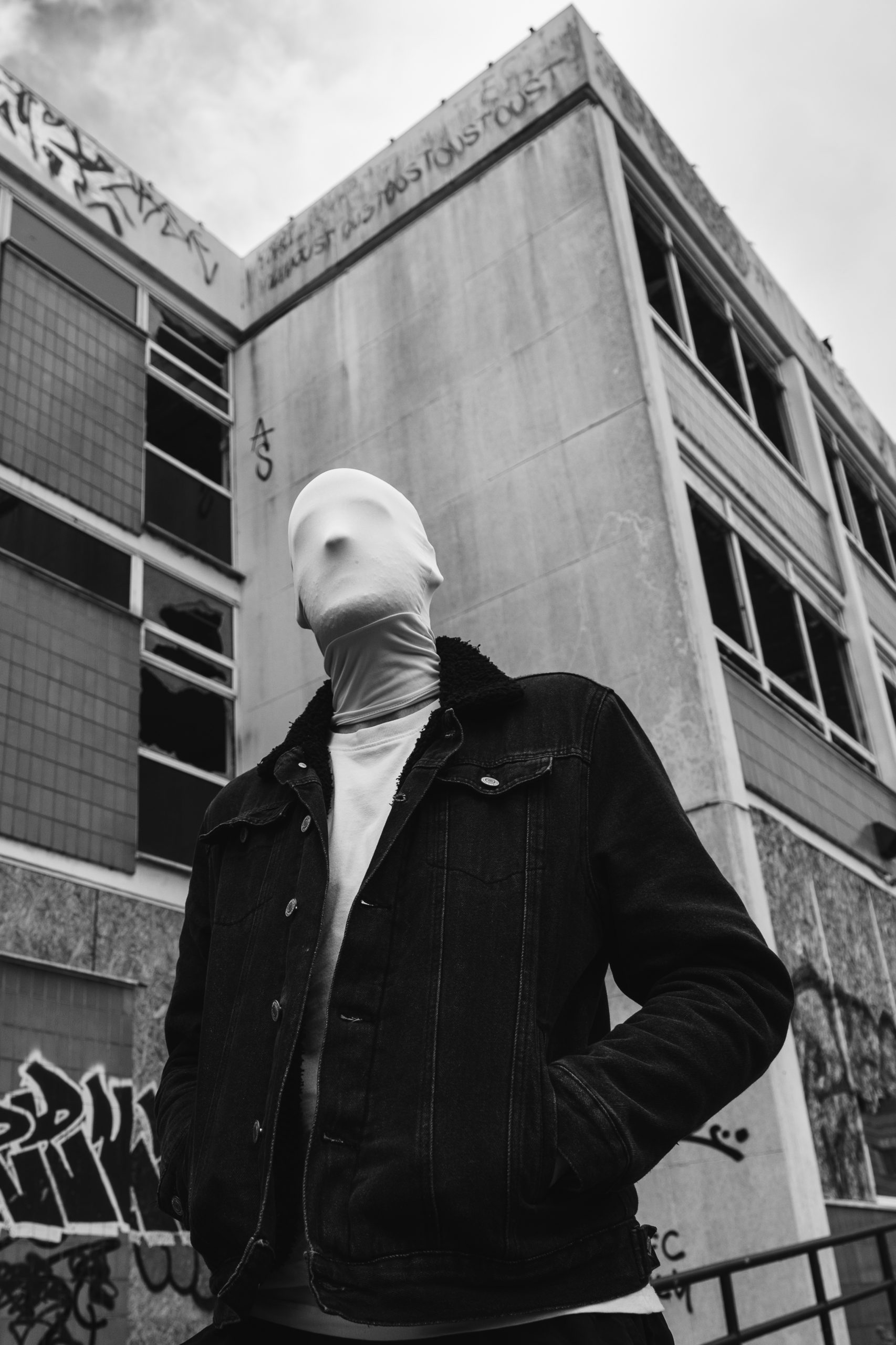
INTERVIEW SESSION
Oliver:
Before we get into the EP, tell us about Kai Moa the person and artist. You have spent years working professionally as a drummer across jazz ensembles, post-rock groups, and punk bands, while also producing house music as Moa Bay. How have those different musical environments shaped the way you think about rhythm, sound, and composition today?
Kai Moa:
Being involved in so many different groups and projects of so many different styles and genres has definitely opened my ear, but I’ve always been interested in new sounds, new genres/fusion-genres, and I reached a point where I wanted to create without boundaries. What happened is what you hear – an inadvertent showcase of my favourite sounds and aesthetics.
Oliver:
Your work brings together IDM, ambient, industrial, techno, dubstep, jazz, and alternative pop without seeming interested in staying within one genre. What attracts you to combining sounds that might traditionally be considered very different from one another?
Kai Moa:
It just feels natural, you know? All these sounds rattle round in my head, it would be disingenuous if I didn’t combine them all into one project. It just feels great to create without boundaries, and I think combining all these genres feels so natural because strict genre boundaries don’t reflect how my brain processes music.
Oliver:
Even the name Kai Moa is connected to the idea of a Chimera, something formed from different elements or sets of DNA. How closely does that idea reflect the way you approach your music and your broader artistic identity?
Kai Moa:
Oh yeah really closely. The name actually came after the music, so I guess it’s more of a reflection of the finished EP than something that I’d considered before I started composing, but we’re all a product of our experience – beings made of many different experiences, both good and bad.
Oliver:
“Some of My Best Friends Are…Electric Sheep” is a particularly intriguing title, and you have suggested that it contains four references for listeners to discover. What can you tell us about the thinking behind the title, and why was it important to leave some of those connections for listeners to uncover themselves?
Kai Moa:
The references in this title are all pretty relevant to either the project itself or, more generally, my own influences. But to be honest, I just love word play. I’ve always loved twisting words and finding hidden meanings. Pretty much all my tracks across my various projects have some kind of reference baked into their names. I think it’s fun for the people who get the references, and for those that don’t? Well, they might stumble across a piece of media they didn’t know existed before.
Oliver:
This EP brings together material that has been arriving through a series of singles since June, with the first track completing the overall picture. What did you learn about the EP as a whole by waiting until this final piece was ready before presenting the complete project?
Kai Moa:
That it’s definitely best listened to as a whole. To me, at least, the tracks don’t really stand out on their own. It’s only when listened to all the way through that it makes sense.
Oliver:
The opening track begins with an industrial, dystopian environment filled with glitches and disjointed rhythms before moving into something closer to cosmic and psychedelic jazz, then eventually arriving at a dark techno section. What inspired such a dramatic progression within one piece?
Kai Moa:
The track basically wrote itself, apart from the techno ending – that came a lot later. I remember trying a bunch of different stuff for the ending, and I knew it had to go back to something frantic, but I just wasn’t sure. Then after festival season last year, that sound was ringing in my ear, and when I realised the bpm was pretty perfect for it, I thought I’d try it out.
Oliver:
The first track feels almost like a sequence of different worlds appearing one after another, with the listener moving from a futuristic city to a more cosmic space and eventually into a dark club environment. When you are composing, do you think in terms of scenes and places like these, or do those associations emerge naturally from the sound?
Kai Moa:
They usually emerge fairly naturally, but I am often at raves, jazz clubs, and I love sci-fi, so it’s fairly understandable that these scenes would crop up in my music.
Oliver:
The piano chords and psychedelic jazz influence create a very different feeling from the industrial opening, before the track erupts into the furious drum solo. What did you want that contrast between delicacy, improvisation, and intensity to communicate?
Kai Moa:
That this world is full of twists, turns, contrasts, and even disagreements, but that doesn’t mean it can’t still be harmonious and work together. Beautiful friction – that’s how you know shit’s working.
Oliver:
As a professional drummer, you have a particularly strong relationship with rhythm and live performance. What was it like to place your own drum solo at such a central point in the first track, and how did your experience as a drummer influence the production of the EP as a whole?
Kai Moa:
Oh it was so fun! I had been hearing that solo for months before I actually got into the studio to record it. It took a few takes because I hadn’t had a chance to rehearse it, so I had to figure out which ideas I should lean into, and which to scrap, but yeah I had a great time with that. My experience as a drummer definitely shifts my focus to more rhythmic ideas rather than harmony/melody – something I’m looking to lean more into moving forward.
Oliver:
Improvisation is clearly important to your musical background, especially through your work with jazz ensembles and other live projects. How much space do you leave for improvisation when producing electronically, and can an improvised idea fundamentally change the direction of a track?
Kai Moa:
Yes – absolutely. I try to “play” when I’m composing. Rather than clicking midi notes in the piano roll, or chopping samples in Ableton, I try to use hardware (samplers, sequencers, and keyboards) to generate ideas. This means I’m constantly messing with ideas and improvising. Usually all the best ideas are accidents.
Oliver:
You have developed a production style that combines detailed electronic programming with organic instrumental thinking. How do you balance the precision of IDM and electronic production with the spontaneity that comes from being a drummer and improviser?
Kai Moa:
I honestly think they balance each other out without me having to do much. Ableton’s grid gives a wonderful cage to push and pull on, especially with the live drums. It’s made me realise I should definitely play with this a little more and possibly record more of my percussion live.
Oliver:
Your influences include artists such as Arca, Squarepusher, Aphex Twin, Boards of Canada, and Autechre, all of whom approach electronic music from very different angles. What qualities in those artists have been most important to your own development, and what have you deliberately tried to do differently?
Kai Moa:
The main reason I list these artists as my influences is because they showed me that I can “just create”. It doesn’t have to be a particular thing, you can just unapologetically create. Don’t get me wrong, I love making house tracks, I love playing jazz and punk, but listening to Arca’s “Kick” series really showed me that you can pour whatever is in your brain out and it’s usually pretty cool.
Oliver:
Across the EP, there is a tension between ambient depth and much more abrasive industrial and techno elements. What role does contrast play in your songwriting, and do you see the EP as being driven more by atmosphere, rhythm, experimentation, or the interaction between all three?
Kai Moa:
I think experimentation is probably the key thing here, yeah, and then atmosphere and rhythm are massive parts of my creative values anyway. I’ve always loved how groups like Synkoke, and A Sunny Day In Glasgow are able to create atmospheric “walls”, and obviously rhythm has always been important to me, but this project was where experimentation really took over.
Oliver:
You have already released a series of singles that helped establish the sound of this project. Looking back at those releases now that the EP is complete, what do you feel you understand about your own artistic identity that you perhaps did not understand when you first started releasing music as Kai Moa?
Kai Moa:
I think I now understand just how much of a reflection of my influences, experience and values the project conveys. As mentioned earlier, I am constantly in scenes which have clearly influenced this EP; it’s almost as if listening to the EP as a whole is like looking through a window into the last five years of my life.
Oliver:
The EP has been described as emotionally raw as well as technically precise. When you are working with such complex sound design and detailed production, how do you make sure the emotional idea behind a piece remains as important as the technical experimentation?
Kai Moa:
Simply by staying emotional. The music has to move you, even while creating it. If it doesn’t, then I’m doing it wrong. If I’m getting lost in the technical side of things to the point that the track stops making me feel something, I’ve lost the path. At this point I usually go for a walk; hear the birds, see some greenery. It always helps bring it back to the emotion.
Oliver:
Your background spans jazz, post-rock, punk, and house music, while Kai Moa explores much more experimental electronic territory. What have those earlier musical chapters taught you about performance, collaboration, and knowing when a piece of music is finished?
Kai Moa:
A piece of music is never finished. You can literally tinker forever, and I was in danger of letting that happen with this EP. It hit a point where I knew if I didn’t push it out, it would stay on my laptop for good. My experience in jazz certainly taught me to take risks, and playing in punk bands has a real “fuck it” attitude. Combine the two, and you get a wonderful, liberating state of mind to perform in.
Oliver:
You have spoken about the importance of live performance and improvisation, and you are considering creating a live version of the EP with the possibility of touring it around the UK. What would you want to change or expand when translating these highly produced tracks into a live performance?
Kai Moa:
Yeah, I mean…we’ll see. It’s been tricky trying to set up a live set, but I’d still love to. In terms of what would change, though, there’ll be more improvisation, drawn out segues, and lots of atmospheric moments. Guest spots – I’d love to get a saxophonist on it, and maybe even get some more vocalists for different tracks.
Oliver:
If the EP is performed live, how important will improvisation be to keeping each performance different, and could the live version eventually become its own creative project rather than simply reproducing the recordings?
Kai Moa:
Oh absolutely. Improvisation will be key, and the live performances won’t be the same as the EP, or even as each other. I can definitely see the live project becoming its own thing.
Oliver:
The EP feels like a culmination of several different creative identities coming together: drummer, electronic producer, improviser, and experimental songwriter. As you look beyond “Some of My Best Friends Are…Electric Sheep,” which side of Kai Moa are you most interested in exploring next?
Kai Moa:
Right now, I’m honestly not looking beyond it. This project felt like something I had to do for me then, and I’m so content with how it’s turned out, as well as the response it’s received.
Oliver:
Now that this debut EP is finally out, what do you hope listeners discover when they spend time with the whole project rather than approaching each track as an individual release, and where do you see Kai Moa developing from here?
Kai Moa:
I just hope they enjoy the journey. I hope they decide to explore music they may not have found before, and I hope they come away from it feeling like they’ve had some kind of experience (good, or bad). With regard to where I see Kai Moa developing from here? I’m not sure…I have other endeavors I want to explore (a potential pivot with Moa Bay into the UK Underground Techno scene…but sssshhhh), so maybe it will rear its head again, but who knows?
“Kai Moa turns a collection of contrasting musical instincts into a world where electronic precision, live rhythm, improvisation and human curiosity can coexist without needing to resolve their differences.”
~ Oliver (DULAXI Team)
EDITORIAL PERSPECTIVE
Kai Moa’s Some of My Best Friends Are…Electric Sheep is shaped by a clear willingness to experiment without sacrificing the physicality of performance. The relationship between live drumming and electronic production gives the project a distinctive rhythmic character, while its shifts between abrasive textures, atmospheric passages and jazz-influenced ideas keep the listening experience in constant motion. What stands out most is the sense that experimentation is not being used as decoration. It is central to how Kai Moa thinks about music, allowing his background, influences and instinct for improvisation to become part of the project’s identity.
~ Oliver (DULAXI Team)
CLOSING
Our conversation with Kai Moa offers a fascinating look into the ideas, experiences and musical instincts behind Some of My Best Friends Are…Electric Sheep. From his years as a professional drummer to his work across jazz, post-rock, punk and house music, those different experiences have clearly contributed to the freedom and experimentation at the heart of the Kai Moa project.
A sincere thank you to Kai Moa for taking the time to speak with DULAXI and for sharing such open insights into his creative process, influences, approach to improvisation and plans for bringing the EP into a live setting.
For listeners discovering Kai Moa for the first time, Some of My Best Friends Are…Electric Sheep is a project designed to be experienced as a complete journey. Take the time to listen through the EP, explore the different sounds and references within it, and discover the contrasts that make up its musical world.
Thank you for spending time with DULAXI. We hope you enjoyed getting to know Kai Moa and the story behind his debut EP. Stay with us for more conversations with artists, producers, musicians and creative voices from across the world.