
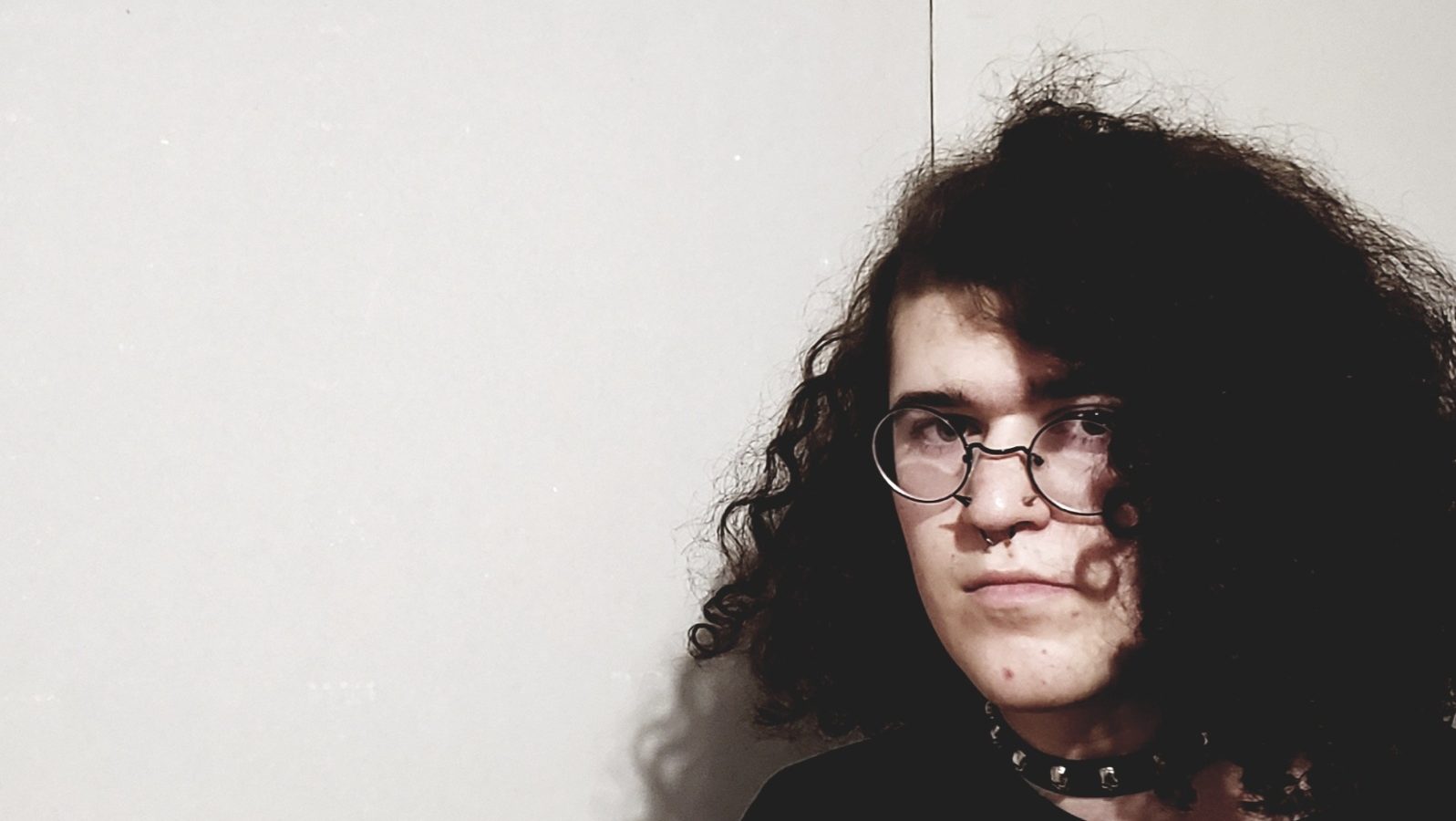
Hello everyone, it’s your host Oliver from DULAXI, and today I’m delighted to be joined by NO IDENTITY, the fiercely independent solo artist behind the uncompromising industrial release Almost Nothing.
Based in Olathe, Kansas, United States, NO IDENTITY has built a creative identity around complete artistic independence, handling every stage of the creative process herself, from songwriting and recording to mixing, mastering, video production, and visual direction. Her latest release, Almost Nothing, arrived on July 3, 2026, presenting listeners with an emotionally intense industrial track that pairs deeply personal storytelling with bold experimental production.
Before we begin our conversation with NO IDENTITY, here’s what you need to know about today’s featured project.
About No Identity
In an era where collaboration has become the norm and technology makes polished perfection increasingly accessible, NO IDENTITY has deliberately embraced a very different path. Every release is built entirely through her own creative vision, allowing each song to exist without compromise from its earliest concept to its final presentation. Writing, recording, mixing, mastering, visual production, and creative direction all remain firmly in her hands, reflecting an artistic philosophy rooted in independence and complete creative ownership.
Working from an office using modest recording equipment and a mid-quality microphone, NO IDENTITY has transformed what many would consider technical limitations into defining characteristics of her music. Rather than fighting against distortion, noise, or imperfect recording conditions, she has learned to incorporate them into her artistic language. Those imperfections have gradually become part of a distinctive sonic identity where raw textures and unconventional production choices communicate emotion just as powerfully as lyrics or melody.
Drawing inspiration from the fearless creativity of Nine Inch Nails, particularly the groundbreaking Pretty Hate Machine, NO IDENTITY has developed an industrial sound that welcomes abrasive textures while remaining surprisingly rhythmic and engaging. Her music frequently balances harsh electronic elements with memorable hooks, layered guitars, and carefully controlled production techniques that prevent the intensity from becoming overwhelming. The result is music that challenges listeners without alienating them, proving that experimentation and accessibility do not have to exist at opposite ends of the creative spectrum.
That philosophy reaches one of its strongest expressions in Almost Nothing, released on July 3, 2026. Both the song and its accompanying music video emerged from an intensely personal chapter shaped by mental illness, relationship anxiety, self-doubt, and internal struggles with identity and self-worth. Rather than presenting those experiences through straightforward confession, the project transforms emotional turmoil into an immersive audiovisual experience where every creative decision supports the psychological landscape behind the story.
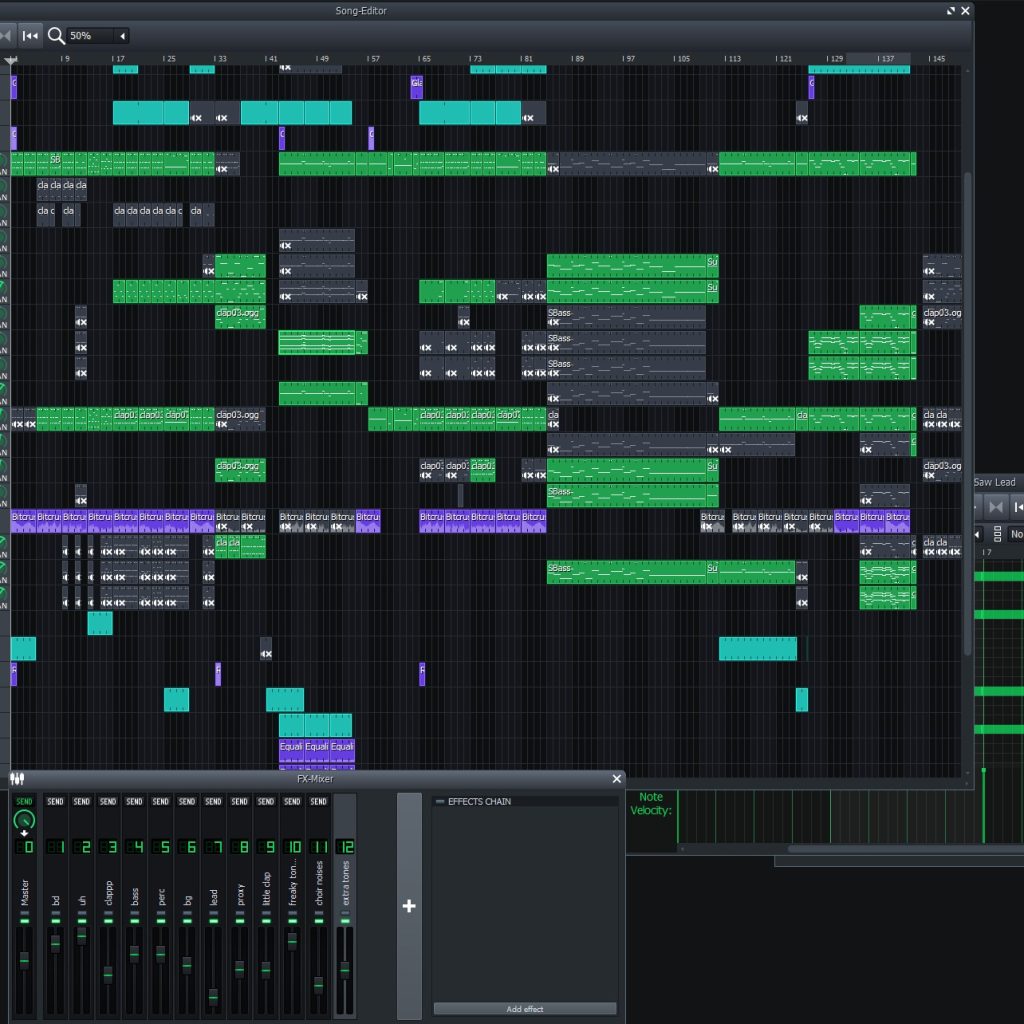
One of the release’s most fascinating creative achievements lies in its unconventional production. At the heart of the track sits a distorted background sound that originally began as nothing more than a recording of someone clapping. Through extensive processing, layering, and experimentation, that ordinary sample evolved into a muddy, aggressive texture that NO IDENTITY memorably describes as sounding like “an electric bass you’d find in a septic tank.” Despite intentionally embracing such abrasive sonic qualities, the production remains remarkably cohesive through careful use of sidechain compression and layered guitar work, preserving both clarity and rhythmic energy.
Reaching that final sound was far from straightforward. After months of work, an entirely completed version of the song was abandoned because it no longer reflected the artistic vision behind the project. Rather than settling for something that felt merely acceptable, NO IDENTITY made the difficult decision to start again, rebuilding the track around the distorted sonic foundation that ultimately became its defining characteristic. That willingness to discard finished work in pursuit of something more authentic reflects the uncompromising creative standards that shape her music.
The visual presentation follows the same philosophy. Instead of functioning as a separate companion piece, the music video was developed alongside the song itself, allowing both mediums to influence one another throughout the creative process. Loud, chaotic, strange, and unapologetically unconventional, the visuals reinforce the emotional tension embedded within the music while remaining true to the project’s broader artistic identity.
Although NO IDENTITY has yet to bring her music to a live audience, her ambitions continue to grow alongside her catalogue. Already looking toward future releases, she is exploring new influences while maintaining the fearless experimentation that defines her work. Whether pushing further into distorted electronic textures or incorporating more punk-inspired elements, her focus remains firmly on creating emotionally powerful art that challenges expectations without sacrificing sincerity.
At its core, Almost Nothing is more than an industrial track built on unusual production techniques. It represents an artist who refuses to separate vulnerability from experimentation, transforming deeply personal experiences into music that is simultaneously confrontational, emotionally honest, and unmistakably original.
Having this brief introduction to today’s featured project, I’m sure both new listeners and longtime fans are excited to hear directly from NO IDENTITY. So, without further ado, let’s begin today’s interview.
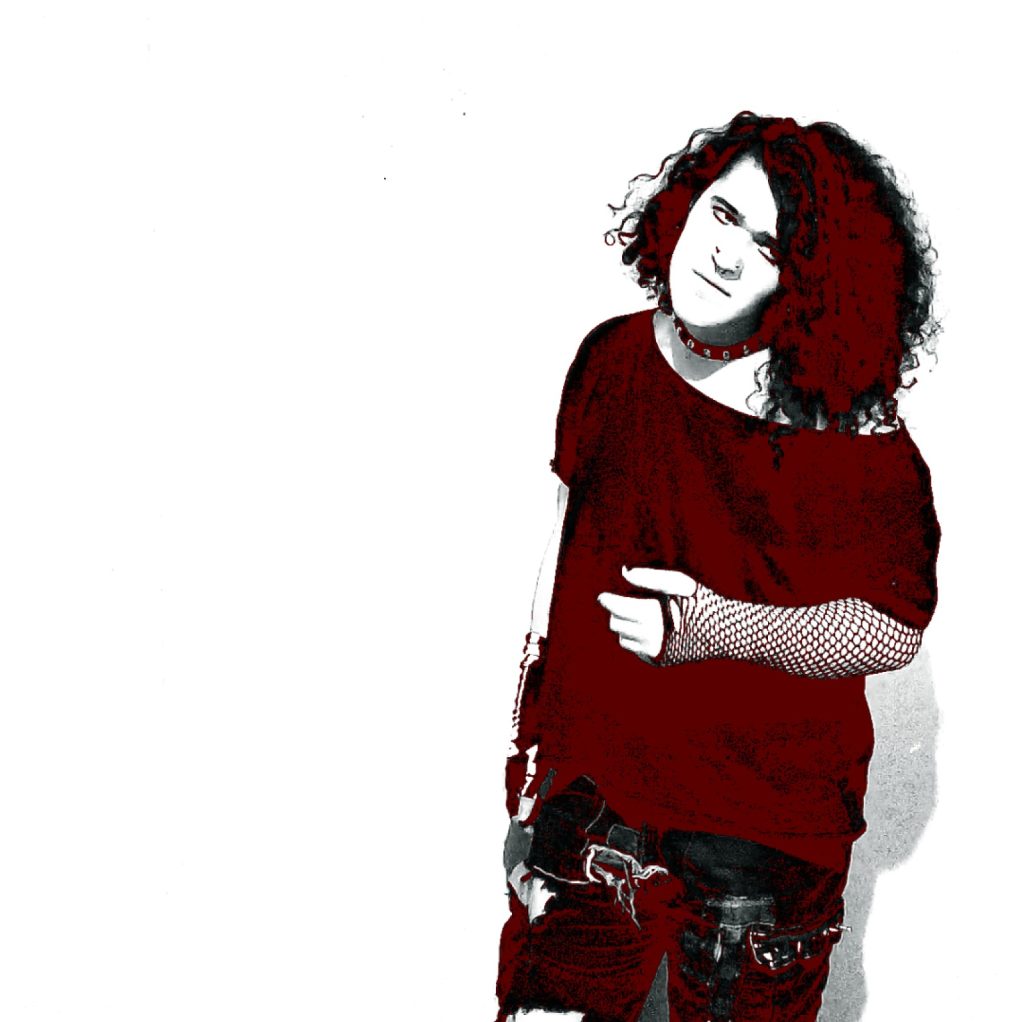
INTERVIEW SESSION
Oliver:
Before NO IDENTITY became an outlet for industrial experimentation and deeply personal storytelling, what was your relationship with music growing up, and were there any defining experiences that made you realize creating music could become an essential part of your life?
NO IDENTITY:
I’ve always loved exploring creative outlets, and I always loved music in particular. I made my first song when I was like 15, and it was a rough one. Back then, I convinced myself that I could never be a musician, and I look back spitefully at that lie I told myself. The first time I realized I actually had a chance was when I was 24, literally last year, when I showed some people my music for the first time. I will never forget that moment. They both immediately stopped talking, looked at the speaker, then looked at me, mouths agape.
Oliver:
Your work feels rooted in complete creative independence, with you handling everything from songwriting and recording to mixing, mastering, and visual production. What originally motivated you to take such a hands-on approach, and how has that shaped your identity as an artist?
NO IDENTITY:
Independence is a core value of mine, especially when it comes to artistic vision. I consider scuffed, DIY quality to be a staple of my identity. I love all kinds of creativity, and therefore love to have control over every aspect. It helps to get across the emotions I try to evoke with my art, but it’s also just fun.
Oliver:
The name NO IDENTITY itself is intriguing because it can be interpreted in many different ways. What does the name represent to you personally, and how does it connect to the themes you explore through your music?
NO IDENTITY:
There’s a story there. Over the past decade, I’d been writing down hypothetical band names in a text document. There were like 100 in there. When I came up with NO IDENTITY, it stood out big time. It’s perfect BECAUSE it carries multiple interpretations. For me, it represents my resistance to being confined to one thing, a detachment from reality and self, and increasingly, it’s taken on a more personal significance as a reference to my own gender and sexuality. Last year, the US government removed references to transgender and bisexual people from the Stonewall National Monument. A friend made the joke “According to the Trump administration, you don’t exist!” That was that moment that the name became final for me. Overall, the name is an ironic statement against those who would seek to erase what makes me myself, whether it be my style, my beliefs, my gender, or anything else.
Oliver:
Much of your artistic journey appears to involve turning limitations into strengths, whether that’s working with modest equipment or embracing imperfections in the recording process. How have those challenges influenced your creative philosophy over the years?
NO IDENTITY:
I learned quickly to lean into such things. Instead of trying to make a muddy recording clear, make it noisy. Instead of making a low-res video sharper, distort the hell out of it. I first discovered this technique when I started making my own clothes. I was bad at sewing straight and I used patchwork repairs all the time, but the end result would look unique and intentional every time. Mistakes and limitations can look very deliberate when you own them, and they contribute to an aesthetic that I’m in love with.
Oliver:
Almost Nothing emerged from a particularly difficult period marked by mental illness, self-doubt, and anxiety within a committed relationship. Looking back now, what made you decide to channel those experiences into music rather than keeping them private?
NO IDENTITY:
I feel as though I’m better at communicating difficult feelings through music than through talking, for one. More importantly, I’ve learned that I can avoid having powerful feelings of self-hatred get intensified by channeling it into art, especially music.
Oliver:
You’ve spoken about struggling with fears of being deceptive and carrying feelings that eventually spiraled into self-loathing and self-created narratives. How difficult was it to revisit those emotions while writing and recording the song?
NO IDENTITY:
It wasn’t near as bad as some of the other songs on the album, but it didn’t feel great at first. It’s never easy turning the ugly voice in your head into something you can listen back too. I often told myself that even making the song at all was invalidating any emotions I was feeling. Like, if I was so bothered, why would I aggrandize it through song instead of having a conversation? Eventually I did bring up my insecurities and it was completely fine. I actually worried that solving the distress that inspired the song might keep me from finishing it, but it didn’t. By the end, it was a very fun track to work on.
Oliver:
One of the most compelling aspects of Almost Nothing is the contrast between deeply painful subject matter and a track that remains energetic, danceable, and engaging. Why was it important for you to balance those opposing elements rather than creating something purely dark or introspective?
NO IDENTITY:
The narrative centers around someone who believes they are awful, and are pretending to be cool about it. So a rough and twisted instrumental that has an energy and rhythm you can dance to felt like the only choice.
Oliver:
The title Almost Nothing feels loaded with meaning, especially considering the emotional themes explored throughout the song and album. What significance does the title hold for you, and how does it reflect the journey listeners experience through the release?
NO IDENTITY:
There’s a dual meaning. One is to describe the feeling of worthlessness inside that stemmed from the flawed reality I had invented. The other is a reference to feeling like nothing is enough. Something, or someone, could feel perfect, like nothing could ever be better, and I would still feel like it was almost nothing. I’m glad I don’t feel that way anymore.
Oliver:
Your goal of creating something intentionally muddy, distorted, and even “disgusting” while still remaining enjoyable to listen to is a fascinating artistic challenge. Where did that idea originate, and what attracted you to exploring that particular tension?
NO IDENTITY:
As I mentioned before, the mix itself is an extension of the theme present. There are definitely songs on the album that are not meant to be enjoyed, but this one needed to be, at least to an extent.
Oliver:
The now-famous distorted instrument at the heart of the track began life as a simple clapping sound before being transformed through extensive processing. At what moment did you realize that unusual sound had become the foundation the song needed?
NO IDENTITY:
I actually started with that sound. The first thing this track had was an arpeggio using the sample as an instrument, no percussion, no other instruments. I thought the sound was powerful and strange in the best way possible. However, when I started to make the rest of the song, it became very clear that it was extremely challenging to work with. Eventually I decided to cut out the “instrument” and just finish the song without it, which I did, and yet I never ended up being satisfied with the end result. So, I started over. The song cannot exist without it.
Oliver:
You made the bold decision to scrap an entirely completed version of the song because it wasn’t achieving the vision you had in mind. What gave you the confidence to start over, and what lessons did that experience teach you about trusting your instincts?
NO IDENTITY:
The scrapped version had been finished for weeks by the time I started over. I had been listening to it often, trying to figure out what it needed. I was actually pretty demoralized about making music for a bit because of it. When I went back to a proof of concept for the music video that used the old version, it all became clear. The distorted, muddy noise is what it needed, both sonically and thematically. It reminded me that in order to achieve something new and worthwhile, you have to take risks and make the decisions someone less bold wouldn’t make. It took a long while to end up with the final result, but it was a very educational journey, and I feel like it was a turning point for my music.
Oliver:
Nine Inch Nails, particularly the Pretty Hate Machine era, played an important role in shaping your approach to vocals and production. What specific qualities from that body of work continue to inspire you as a creator today?
NO IDENTITY:
NIN inspires me in a variety of ways. The fact that Trent Reznor created all that music as a solo artist is definitely inspiring, makes me feel like it’s possible for me to do the same. His incredible vocal control became the foundation of my own singing techniques as well. The album feels very free to me, like he knew he could make whatever music he wanted. Mature themes, noisy yet rhythmic instrumentals, vocals that rest right at the threshold of losing control, these are all aspects that I hoped to incorporate into my own music. Discovering Nine Inch Nails’ music was a formative moment for me as I didn’t even know music could sound like that, and I knew I wanted to put more of it into the world. I hate to sound like a NIN fangirl, but I know that I absolutely am.
Oliver:
You’ve mentioned that you’ve almost developed a preference for lower-quality microphones because of the character and distortion they introduce. How has embracing those imperfections helped you develop a vocal style that feels uniquely your own?
NO IDENTITY:
Well, it’s certainly made touching up vocals easy. I basically do the exact opposite of what people have told me to do. In essence, not to slap a hard limiter or use aggressive compression over the vocals. I think it gives it good character. It was definitely a challenge to make that sound good with the instrumentals, but I got the hang of it eventually.
Oliver:
Creating an entire project alone can be both empowering and isolating. During the months spent developing Almost Nothing, how did you maintain perspective and confidence when there was no creative team sharing the burden or validating your decisions?
NO IDENTITY:
My biggest fear during production was thinking I had something really great when in reality it was trash. Every time I had a new draft of a song, I showed as many friends as possible to get as much feedback as possible. Nearly all of them didn’t have the musical knowledge to tell me specifics, but even just finding out that someone doesn’t like it can help in finding out what’s wrong. It’s still never enough, though. Imposter syndrome is real. This whole project was a painful exercise in self-assurance.
Oliver:
The accompanying video mirrors the same philosophy as the song itself: loud, strange, chaotic, and unapologetically different. How did you approach translating the emotional and sonic identity of the track into a visual experience?
NO IDENTITY:
Unlike every other video I’ve made, the song and the video came about alongside each other. When I figured out how to do that crazy datamoshing effect, I knew I wanted to make a music video with it. I already had the lyrics and a general idea for the song, so I started working. I guess you could say the song was partially inspired by the music video, not the other way around.
Oliver:
Looking back at the completed release, what aspect of Almost Nothing makes you feel most proud, not necessarily as a musician, but as a person who successfully worked through a difficult chapter and transformed it into art?
NO IDENTITY:
I’m proud that I didn’t let it destroy me, and that I continued to work on the song after the self-loathing ended. It’s too easy to fall into that trap where you think you can only make good art if your actively suffering, and that can lead you down a very destructive path. It’s not true, and it’s not worth it.
Oliver:
For listeners who may be struggling with anxiety, self-doubt, relationship fears, or their own internal battles, what do you hope they take away from hearing Almost Nothing and understanding the story behind it?
NO IDENTITY:
Dwelling on perceived flaws will only make you worse. The way you feel about yourself is probably not reality, and there are people around you who will show you that if you let them. Talk to them, reach out for help. It’s a better escape.
Oliver:
Although you haven’t performed live yet, you’ve expressed a determination to do so someday. When that moment finally arrives, what kind of experience would you want audiences to have when they encounter NO IDENTITY on stage for the first time?
NO IDENTITY:
Whiplash! I want it to be unlike anything they’ve seen before, even at a small venue. It will be a lot of pressure since I’m a solo act, so I plan on having things semi-choreographed. Loud, energetic, and confident are the concepts I’d want to embody. I also have the plan to look the most unassuming and girly I ever have, so that when I start screaming everyone does a double take. It’s going to happen.
Oliver:
As you continue building your catalog and refining your sound, what excites you most about the future of NO IDENTITY, and what artistic boundaries are you most eager to push next?
NO IDENTITY:
I’m already exploring a more punk-like sound with my next works, and I want to make many more songs like Almost Nothing. If I could build my brand around crazy distorted dance songs, I would. Ultimately, though, I’m just looking to keep putting out solid pieces of art that bring out the strongest emotions, no conditions. Stay tuned for the next one!
“NO IDENTITY proves that limitations can become instruments of creativity when an artist embraces experimentation without fear. Through distorted textures, personal storytelling, and complete artistic control, Almost Nothing becomes a powerful reminder that the most unexpected sounds can carry the most human emotions.”
~ Oliver (DULAXI Team)
EDITORIAL PERSPECTIVE
NO IDENTITY’s Almost Nothing represents an uncompromising approach to artistic expression, where unconventional production choices and personal storytelling work together as one creative vision. The release demonstrates how distortion, experimentation, and vulnerability can transform technical limitations into defining artistic strengths. Through its intense electronic textures, rhythmic energy, and emotionally honest songwriting, the project captures the unique perspective of an artist committed to creating without boundaries.
~ Oliver (DULAXI Team)
CLOSING

Thank you to NO IDENTITY for taking the time to share the story behind Almost Nothing and for opening up about the creative process, personal experiences, and artistic decisions that shaped this release. This conversation offered a fascinating look into the dedication, experimentation, and vulnerability behind an artist who continues to challenge expectations while remaining completely authentic to her vision.
For listeners discovering NO IDENTITY for the first time, Almost Nothing offers an opportunity to experience a release built from emotional honesty, fearless experimentation, and a willingness to embrace imperfections as part of the artistic journey. We encourage you to explore the music, experience the accompanying visuals, and continue following the evolution of this unique project.
Thank you for spending time with DULAXI. We hope you enjoyed this conversation and gained a deeper understanding of the artist behind the music. Stay connected with us as we continue bringing you more conversations with inspiring musicians from around the world.
Until the next DULAXI interview, keep discovering new sounds and stories.