
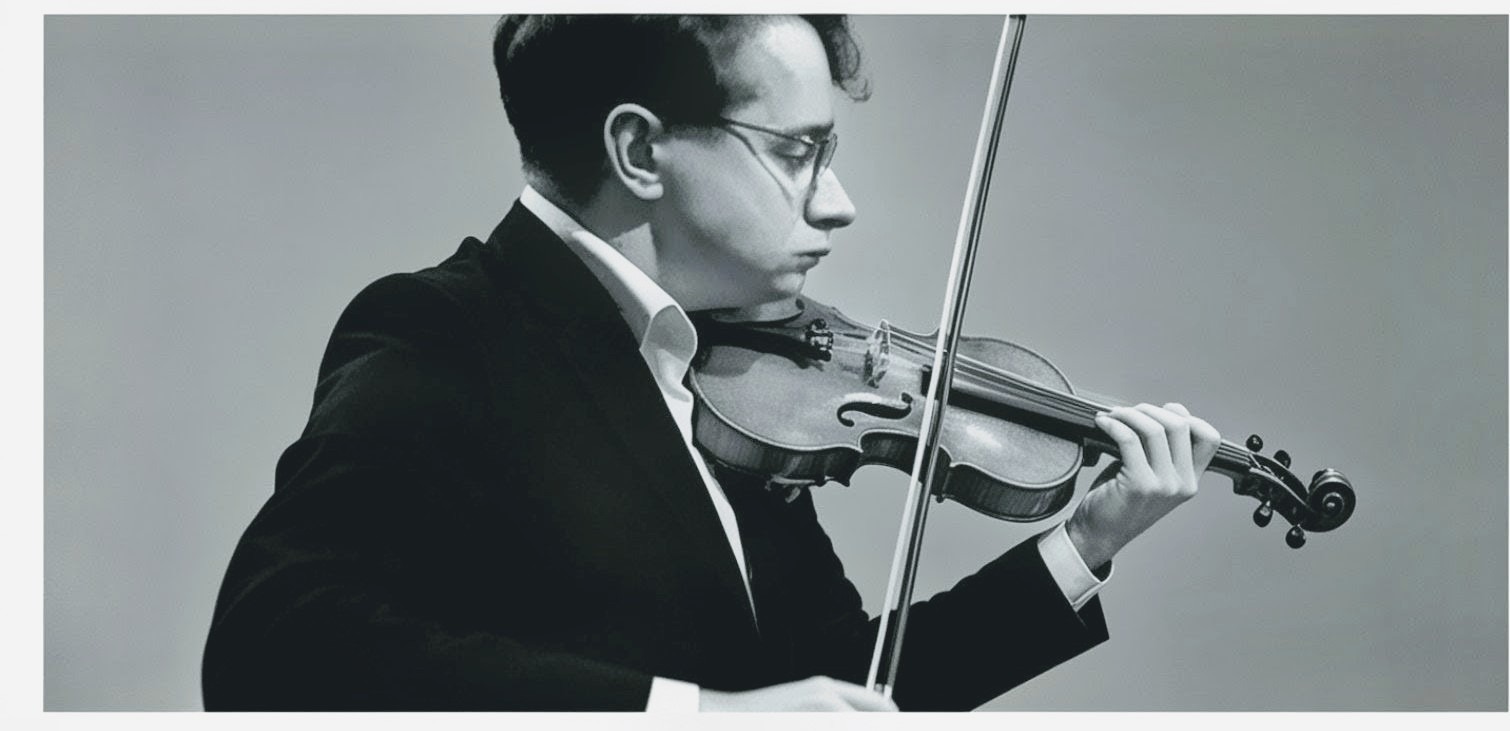
Sergiy Bolotny’s “Ukrainian Caprice No. 4: Sycamore & Burlesque,” released on 21 August 2026, is a solo violin composition that brings Ukrainian cultural heritage into a highly expressive contemporary classical setting. Built around the melancholic poetry of Taras Shevchenko and traditional festive folk dances, the piece is shaped by two strongly contrasting movements, with the reflective character of Sycamore giving way to the spirited energy of Burlesque.
From its opening moments, the violin carries a melancholic melody that immediately establishes an introspective atmosphere, while the gradual sense of curiosity makes the opening feel like the beginning of something that has yet to reveal its full intensity. Rather than remaining within one emotional register, Bolotny allows the composition to move between restraint, tension, excitement and high spirits, giving the single a sense of unpredictability that remains central to its appeal.
The Sycamore section is where the composition first establishes its emotional identity. The opening violin melodies have a slow and steady quality, allowing the melody itself to become the main point of attention. Its intimate, cantabile character and Slavic themes connect naturally with the melancholic nature associated with Shevchenko’s poetry, while the brooding harmonic character adds seriousness to the opening. There is a sense of contemplation here, but the piece does not feel static. The melody creates curiosity about where the composition will go next, especially because the restrained beginning eventually gives way to a dramatic change in pace. This contrast makes the opening important not simply as an introduction, but as the foundation from which the later excitement becomes more pronounced.
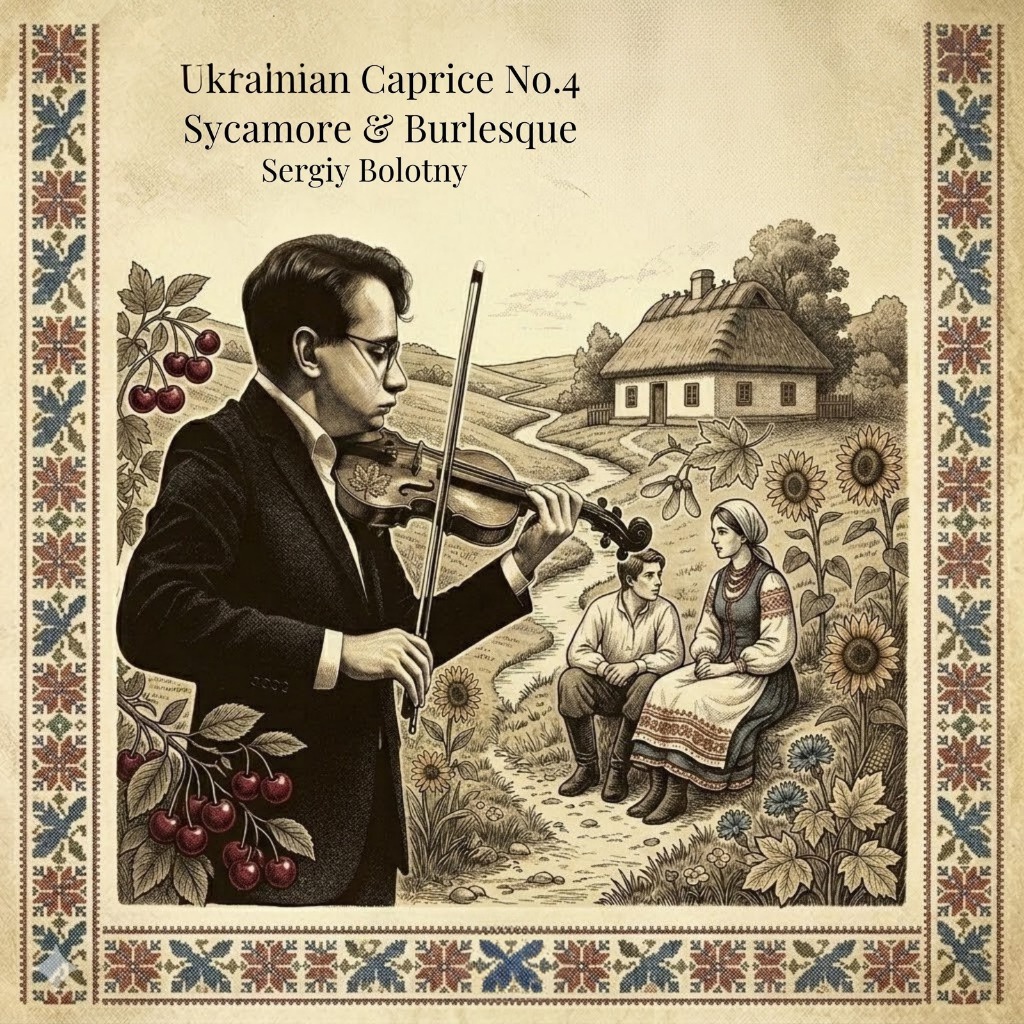
As Ukrainian Caprice No. 4 moves toward Burlesque, its character changes sharply. The slower opening gives way to a much faster pace, with the instrumental becoming increasingly energetic and animated. The rapid spiccato and fiery string crossings give this section an athletic quality, while the playful rhythmic drive brings the spirit of traditional festive dances into the performance. The shift is particularly striking because it arrives after such a reflective opening. Instead of offering a predictable continuation of the mood established by Sycamore, Bolotny introduces a burst of movement and intensity that makes the composition feel almost unpredictable.
The moment around the 1:55 mark stands out as a captivating musical climax, when the instruments pick up pace and the composition moves into a heightened state of energy. This escalation gives the piece one of its strongest surprises and reinforces the feeling that its direction cannot be easily anticipated. The violin carries the melody while its rapid movement contributes to the rhythm and tension, allowing the instrumental performance itself to shape the storytelling. There is also a playful quality within the intensity, preventing the faster section from becoming simply forceful. Instead, the movement has a cheerful and spirited character, with the animated nature of the instrumentation making the performance feel remarkably alive.
The cinematic quality of “Ukrainian Caprice No. 4: Sycamore & Burlesque” is another defining feature. The arrangement is richly layered and dynamic, with orchestral elements helping build emotion, carry melodic ideas, create cinematic moments, add warmth and provide texture. Even as a solo violin work, the composition has a scale that makes its dramatic changes feel larger than the instrument alone might suggest. Its progression from calm to intensity gives the piece a strong sense of movement, while the contrast between its two sections creates several highs rather than relying on one repeated emotional peak. This dramatic flair is especially effective because the music can feel serious and contemplative before suddenly becoming playful, energetic and festive.
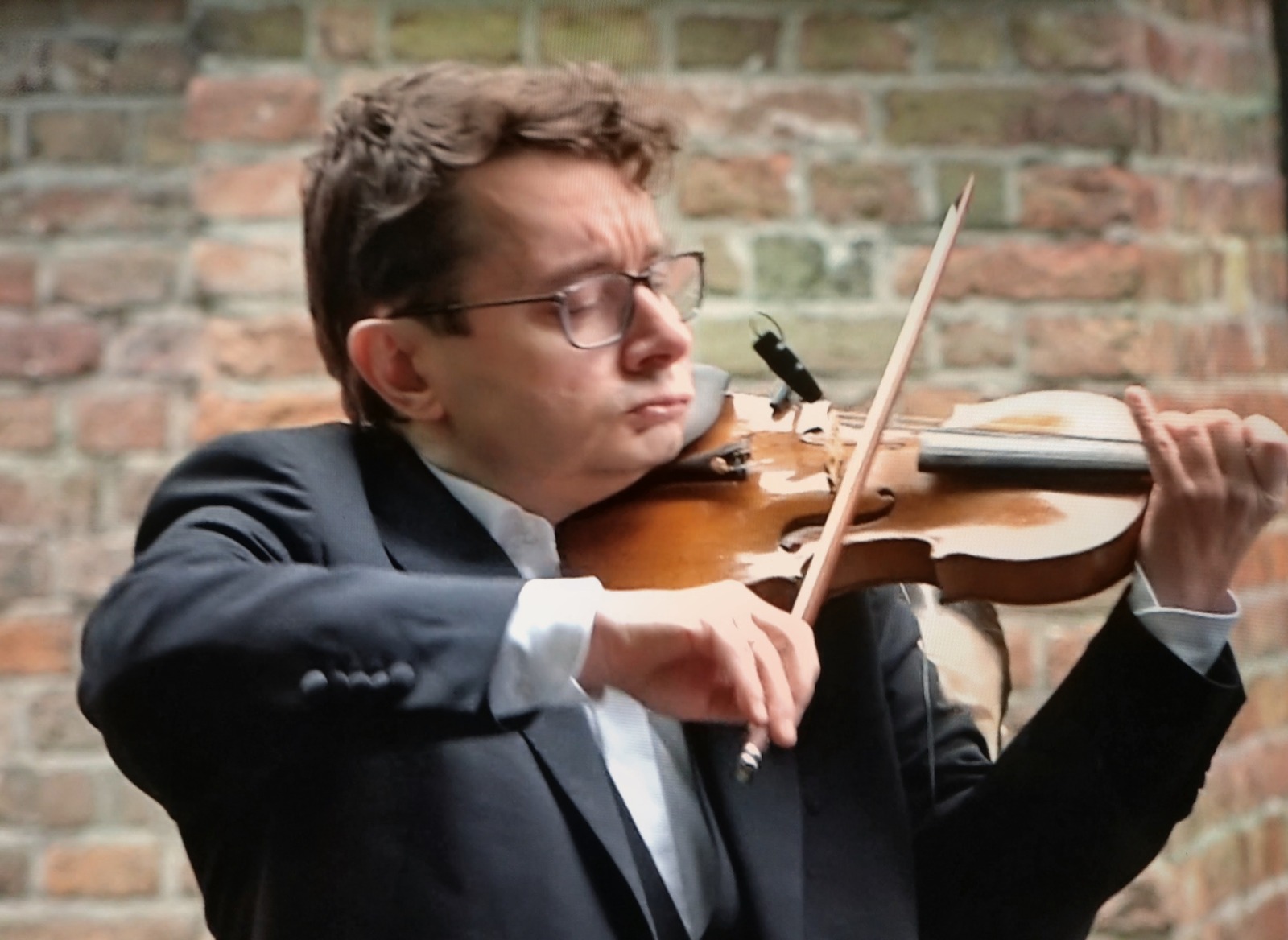
The recording also benefits from a clean and polished presentation that allows the acoustic character of the performance to remain central. Its natural room presence and authentic acoustic resonance support the character of the violin without distracting from the composition itself. Bolotny’s instrumental musicianship, attention to detail and dedication to craftsmanship are particularly apparent in a work that demands both expressive control and technical precision. The rapid passages, rhythmic changes and contrasting emotional qualities require the performance to move convincingly between delicacy and intensity. That combination makes the single especially suited to listeners who appreciate cinematic instrumental music, artistic experimentation and uplifting classical work, while its dramatic shifts also suggest a strong place within live performances and festivals.
“A vivid meeting of Ukrainian heritage and violin virtuosity, where melancholy gives way to a burst of festive energy.”
~ Tehillah (DULAXI Team).
“Ukrainian Caprice No. 4: Sycamore & Burlesque” ultimately succeeds because its contrasts feel purposeful rather than decorative. It begins with melancholy and reflection, then gradually reveals a more animated side before reaching the energetic heights that leave behind a feeling of cheerfulness and high spirits. The composition gives Ukrainian heritage a contemporary concert setting while preserving the contrast between lyrical expression and festive movement at its centre. Sergiy Bolotny’s background as a Ukrainian-born concert violinist and composer, as well as his role as Assistant Second Concertmaster with the Noord Nederlands Orkest in the Netherlands, places the release within a wider body of classical performance and original composition. Educated in Lviv, Kyiv and Vienna, Bolotny continues to connect European folk heritage with solo string virtuosity through projects including his Ukrainian Caprices and Little Dutch Rhapsodies cycles. This single stands as a lively example of that artistic direction, balancing cultural reference, technical musicianship and a dramatic sense of musical surprise.