
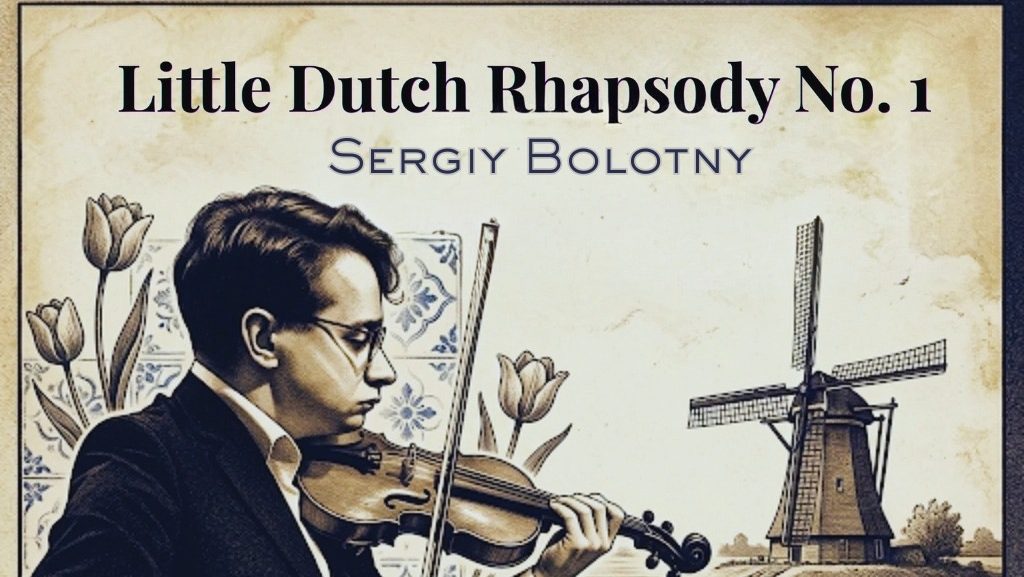
“Little Dutch Rhapsody No. 1” by Sergiy Bolotny, released on 31 July 2026, is an engaging meeting point between Dutch folk tradition and the expressive possibilities of solo violin. Inspired by the historic Groningen folk tune “Ain boer wol noar zien noaber tou,” the composition takes a humorous rural story and reshapes it into a spirited concert work. At the heart of the traditional tale is a farmer setting out to visit his neighbour while wearing only one shoe or clog, an amusing image that gives the piece its playful foundation. Rather than simply reproducing the melody, Bolotny approaches the material with imagination, transforming its character through variation, rhythmic movement, and contemporary classical expression. The result presents Dutch cultural memory through a fresh musical perspective.
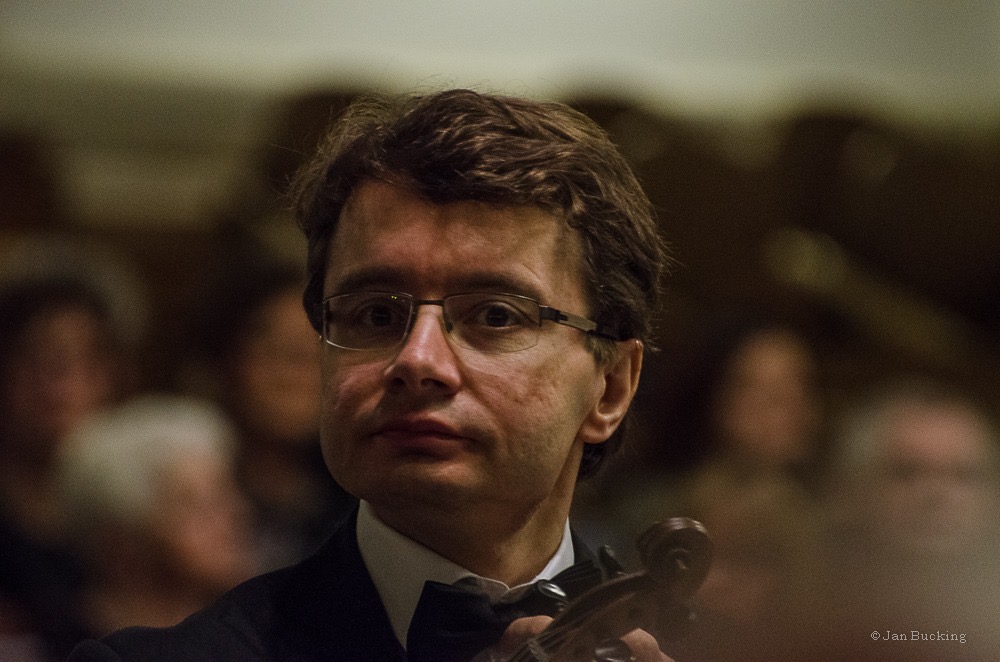
The violin carries the entire personality of the composition, giving the piece a strong sense of movement while allowing its folk origins to remain recognizable. Bolotny combines spirited dance rhythms with rapid string crossings and contrasting lyrical passages, creating a musical conversation between energy and reflection. The technical demands placed on the instrument become an important part of the work’s identity, as the violin moves through passages that highlight agility, precision, and expressive control. These elements give the rhapsody a sense of virtuosity without separating it from the warmth of its folk source. The humorous spirit behind the original tune remains present, while the expanded arrangement gives the material the scale and expressive freedom associated with concert repertoire.
One of the most appealing qualities of “Little Dutch Rhapsody No. 1” is the way it connects different periods of musical history. The traditional Groningen melody carries the atmosphere of an older cultural landscape, while Bolotny’s treatment introduces neo-romantic violin writing and progressive variation. This creates a piece that feels rooted in heritage while also communicating through the language of contemporary classical performance. The rhythmic character brings liveliness to the composition, while the lyrical sections provide moments of warmth and contrast. Through these shifts, the work captures humor, resilience, and rhythmic verve, allowing the original folk narrative to remain central even as it is presented through a more elaborate musical framework.
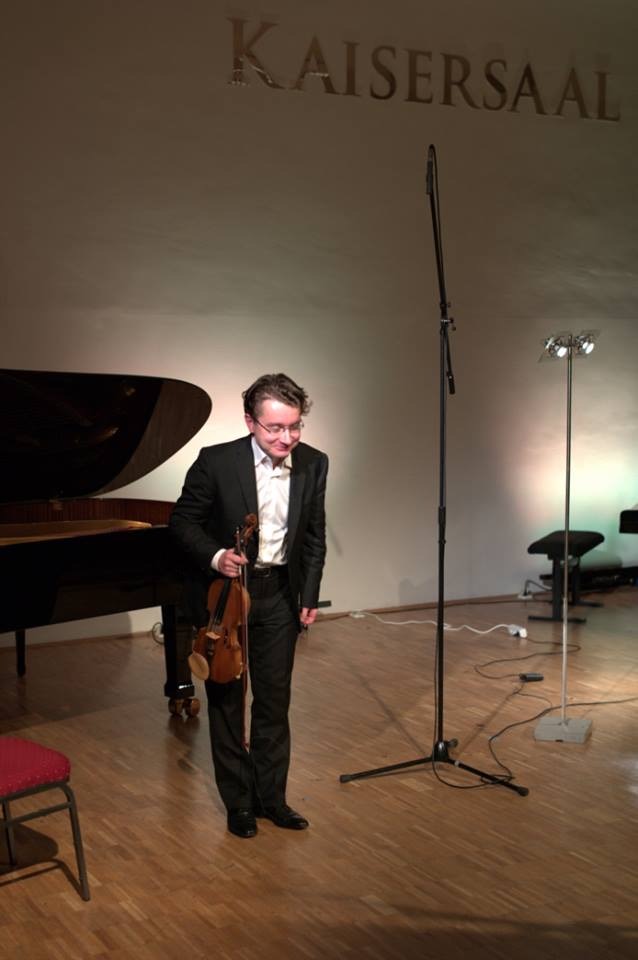
The recording approach also contributes to the character of the piece. Bolotny chose to preserve natural acoustic resonance, allowing the violin to speak with an unvarnished presence rather than surrounding it with heavily processed production. This choice places the listener close to the instrument and makes its physical qualities part of the experience. The bowing, articulation, rapid changes of register, and resonance of the strings can therefore contribute directly to the musical storytelling. There is an appealing sense of immediacy in hearing the instrument occupy its acoustic space, particularly in a work whose purpose is to demonstrate the dialogue between centuries old folklore and concert level violin technique.
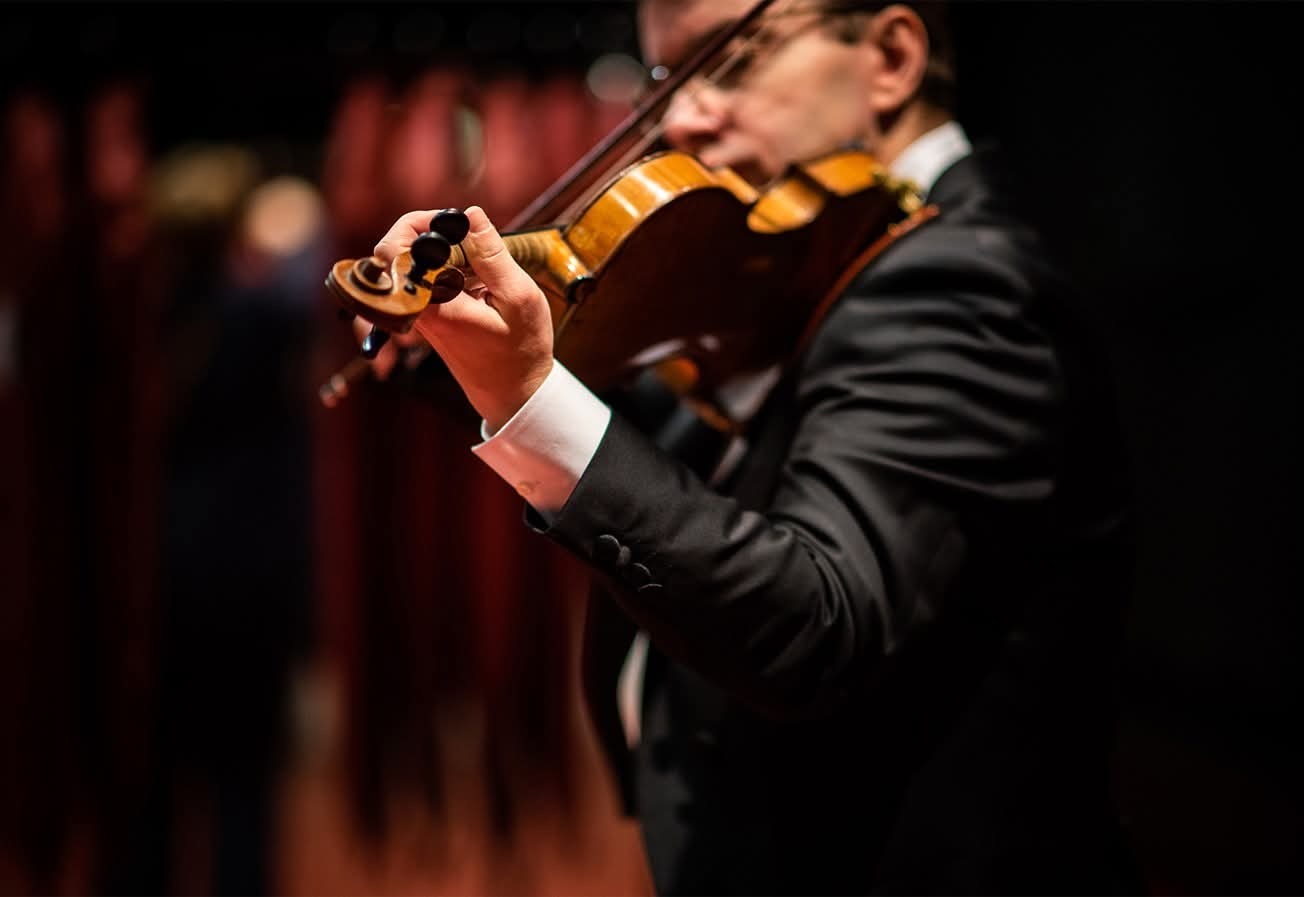
Beyond its musical qualities, the composition represents a meaningful cultural exchange. Bolotny was born in Ukraine and later made his home in the Netherlands, and the “Little Dutch Rhapsodies” form part of his exploration of Dutch folklore through his perspective as a classical musician. His connection to Groningen gives the project an especially natural setting, while his Ukrainian background adds another layer to the idea of approaching cultural heritage from a personal and international viewpoint. Instead of placing the folk tune behind glass as a historical artifact, he gives it movement and renewed performance life. “Little Dutch Rhapsody No. 1” consequently feels like both a tribute and a creative continuation of a musical tradition.
Little Dutch Rhapsody No. 1 Is A Spirited Fusion Of Folk Heritage, Virtuosic Violin Writing, Rhythmic Energy, And Cultural Storytelling, Bringing Groningen Tradition Into Contemporary Concert Music
~ Faithfulness (Dulaxi Team)
This perspective reflects Sergiy Bolotny’s wider artistic journey as a Ukrainian born concert violinist, composer, and Assistant Second Concertmaster with the Noord Nederlands Orkest. His education at music academies in Lviv, Kyiv, and Vienna has supported an international career encompassing orchestral performance, chamber music, and original compositions. Alongside the “Little Dutch Rhapsodies,” his ongoing “Ukrainian Caprices” cycle demonstrates his interest in bringing historical folk heritage into the world of concert music. With “Little Dutch Rhapsody No. 1,” that interest takes a particularly lively form, preserving the humor and identity of a Groningen folk story while allowing the violin to carry it into a new artistic setting.
For more information about Sergiy Bolotny, click on the icons below.