
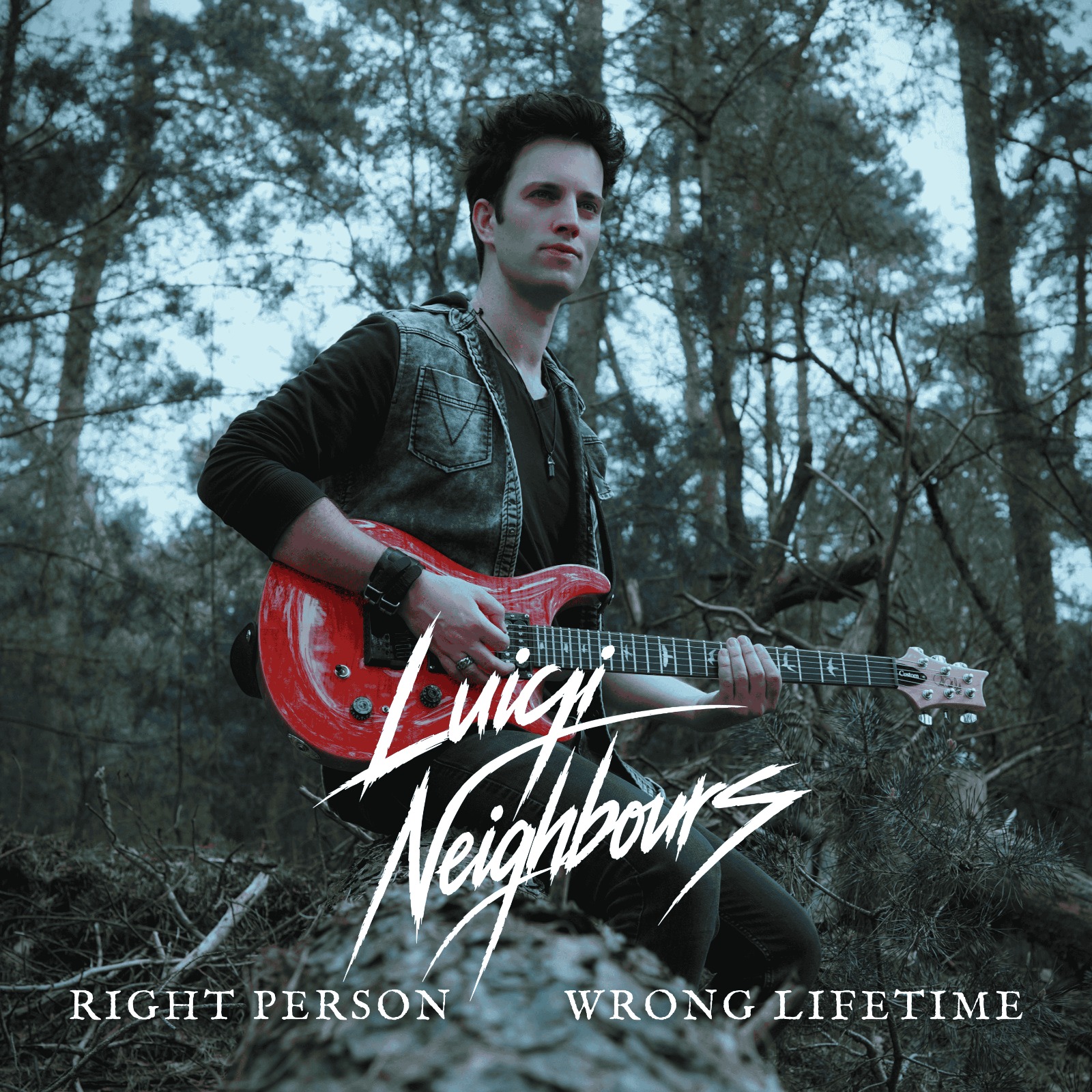
Hello everyone, it’s your host Oliver from DULAXI, and today I’m delighted to be joined by Dutch artist Luigi Neighbours, the artist behind the emerging Heartgrunge project and debut EP Right Person, Wrong Lifetime. Based between his Netherlands roots and a transformative period in London, Luigi brings together Y2K-style rock, post-grunge, emo undertones, pop hooks and cinematic romanticism to create a sound he calls Heartgrunge. His debut EP, Right Person, Wrong Lifetime, is released today, October 2, 2026.
The six-song release explores love, grief, loneliness, longing, hope and the complicated ways timing can shape our lives. It also represents a deeply personal turning point for Luigi, following the unexpected loss of his father in 2024 and the realization that life does not always give us the luxury of waiting for the perfect moment.
Before we begin our conversation with Luigi Neighbours, here’s what you need to know about today’s featured project.
About Luigi Neighbours
For Luigi Neighbours, Right Person, Wrong Lifetime is the musical beginning of a chapter that grew from profound personal change, years of creative hesitation, and a decision to finally pursue the artist he had spent much of his life imagining.
Music had already been part of Luigi’s life for many years. The sound of the early 2000s, particularly the rock music that first made him fall in love with songwriting, remained an important influence as he continued writing, recording, performing and collaborating across different projects. But despite maintaining a relationship with music, he had not fully committed to building the artist project he wanted for himself.
That changed after the unexpected passing of his father in 2024. His father had been one of his biggest supporters, and losing him forced Luigi to confront how quickly circumstances can change. That realization took Luigi beyond the familiar. He began traveling alone and writing songs in Norway before eventually leaving the Netherlands and moving to London.
It was also during this period that Luigi returned to the musical world that had shaped him. The emotional directness and powerful rock songwriting associated with the 2000s, including the influence of bands such as Nickelback, Daughtry, Lifehouse and The Goo Goo Dolls, became important reference points. Rather than simply recreating that era, however, Luigi began combining those influences with his own experiences and a broader visual and emotional world.
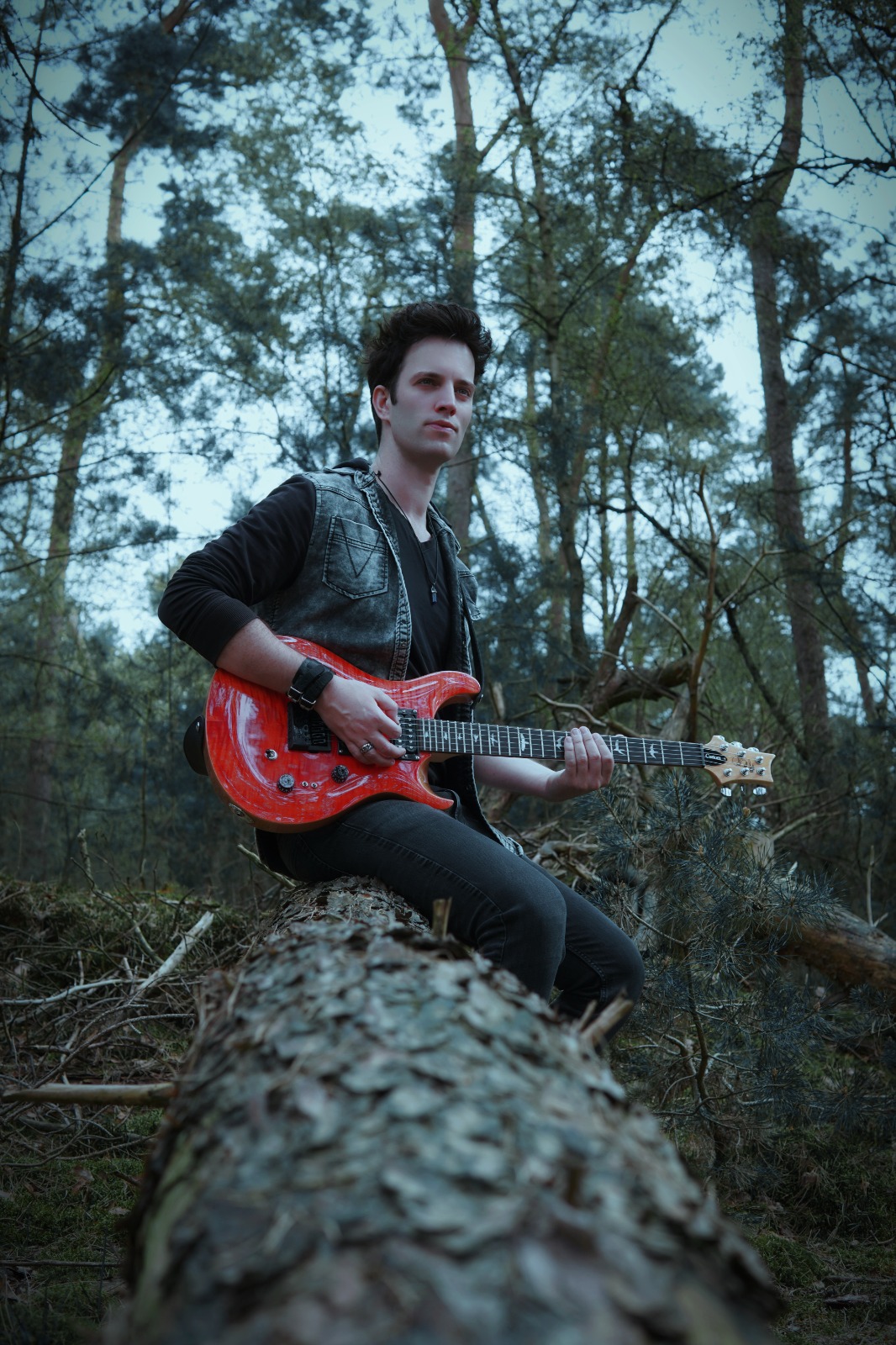
The result is Heartgrunge, Luigi’s self-coined description for a sound that brings together Y2K-style rock, post-grunge, emo undertones, pop hooks and cinematic romanticism. The music exists alongside imagery of forests, moonlight and supernatural worlds, reflecting Luigi’s fascination with nature, romance, fantasy and the emotional intensity that runs through his songwriting.
Right Person, Wrong Lifetime brings six songs together: “Supernatural,” “Out Of Tune,” “Romance Isn’t Dead,” “Thank You,” “Surrogate You” and the title track. Each explores a different expression of love and loss. Some emerge from romantic experiences, while others deal with grief, loneliness, hope and the people or relationships that change us even when they cannot remain in our lives permanently.
Having this brief introduction to today’s featured project, I’m sure everyone is excited to hear directly from Luigi. So, without further ado, let’s begin today’s interview.
INTERVIEW SESSION
Oliver:
Before Right Person, Wrong Lifetime and the world you are now building around Luigi’s Neighbourhood, there was a much more personal story unfolding in your life. When you look back at the person you were before this chapter began, what experiences and moments shaped your relationship with music and eventually led you toward becoming the artist you are today?
Luigi Neighbours:
Music has been a big part of my life for a very long time. I started playing instruments, writing songs and falling in love with making music in my early teens. Music became a way to process emotions that I had a hard time expressing. It was the early 2000s back then, and the sound of the rock bands from that era is still the biggest influence on my music today. They showed me that music could be emotional but also powerful and intense.
For a long time though, music existed alongside other responsibilities and expectations. I always kept writing, recording & performing with various bands over the years. I also wrote for different artists and collaborated with DJs a lot, but I never fully committed to building the artist project I dreamed about. Looking back, I think I spent years waiting for the right moment, the right circumstances or the right amount of certainty. The irony is that life eventually taught me that certainty doesn’t exist. The experiences that shaped this chapter weren’t just musical. They were personal. Loss, change, loneliness, travel, starting over and realizing that time is far more fragile than we like to believe. All of those things pushed me toward becoming the artist I am today because they forced me to stop asking, “What if?” and start asking, “Why not now?”
Oliver:
Losing your father unexpectedly in 2024 became a moment that changed the way you looked at time, music and the decisions you were making with your life. He was also one of the people who believed strongly in your music. How did experiencing that loss change the way you understood your own ambitions and the things you no longer wanted to leave for another day?
Luigi Neighbours:
Losing my father was the moment that changed how I looked at life. It was the realization that life can change in a single phone call. One day someone is there and the next day they’re not, without a chance to say goodbye. We all know that intellectually, but when it happens to someone close to you, it becomes real in a completely different way.
Both my mom and dad have always supported my music dreams, fortunately, and I’m very grateful for that because I know that is not always the case. As I said, I had been doing music for quite a while, but looking back, I always kinda had one foot in and one foot out. After his passing, I started looking at my own life differently. I realized I was still carrying dreams that I kept postponing because I thought there would always be more time. It forced me to confront a difficult question: If not now, then when?
That question became the foundation of everything that followed. The move to London. The songs. The EP. The decision to stop waiting until I was “ready” and start building the life I actually wanted.
Oliver:
There is something particularly personal about creating a new chapter that your father believed in but never had the opportunity to see. As you have built this project since his passing, how has your relationship with his memory influenced the way you approach your music, your choices and the future you are trying to create?
Luigi Neighbours:
His absence reminds me every day how valuable time is. Whenever I find myself hesitating, doubting myself or wondering whether something is worth the risk, I often think about how quickly life can change. I wish he could have seen this project come to life. I wish he could have heard the finished songs, seen the visuals and experienced the release. But at the same time, his memory became one of the reasons I finally decided to pursue it wholeheartedly. I think the greatest way I can honor him isn’t by staying stuck in the past or in grief. It’s by living fully and making the most of the opportunities I still have, as he would’ve wanted me to.
Oliver:
The realization that “someday isn’t promised” appears to have become much bigger than an idea attached to one record. How has that realization changed the way you make decisions now, particularly when it comes to taking risks, leaving familiar situations behind and pursuing the life you actually want?
Luigi Neighbours:
It changed my entire mindset. I used to approach life from a more cautious place. Now I approach it from a place of possibility. That doesn’t mean acting recklessly. It means understanding that waiting for perfect timing is often just another form of fear. Most of the meaningful experiences I’ve had over the last two years happened because I said yes before I felt completely ready. Moving abroad. Traveling alone. Releasing music independently. Building a live band. None of those things came with guarantees. But I’d rather take the risk and fail than spend the rest of my life wondering what could have happened if I’d tried.
Oliver:
You began traveling alone and writing songs in Norway before eventually leaving the Netherlands and starting a new chapter in London. What did being alone in unfamiliar places reveal to you about yourself that you might not have discovered if you had remained within the life and surroundings you already knew?
Luigi Neighbours:
Being somewhere alone comes with a whole new set of challenges. When you’re in a place where nobody knows you, there’s nowhere to hide. You can’t rely on your routines, your social circle or people’s expectations of who you’ve always been. And that frees you to reinvent yourself in a way. But it also builds a sort of trust in yourself that you can handle whatever comes your way.
Norway was especially important because it was the first place I set out to after my dad’s passing. I wrote several songs there with songwriter friends Erik Rønneberg and Ben Tenison, and the songs that came out of those sessions reconnected me with parts of myself that I hadn’t tapped into for years. They ended up being the catalyst for this chapter I’m in now, as they really got me reevaluating what direction I wanted to go in with my own artist project. I guess sometimes you have to step outside your normal environment before you can clearly hear your own voice again.
Oliver:
Moving from the Netherlands to London represented a significant personal and creative change, and you spent a year writing songs there before returning home to continue the story. What did London give you creatively, and how did living there influence the person and artist who emerged through this period?
Luigi Neighbours:
London gave me a new perspective. For the first time in my life, I was living somewhere completely new, surrounded by people from all over the world. It challenged me creatively and personally. There’s just so much music in the city, and so many musicians. Music just feels alive there. It was incredibly inspiring to be surrounded by that.
London also gave me permission to reinvent myself. Nobody there knew who I had been before. That freedom allowed me to reconnect with the music I truly loved and start building the foundations of what eventually became Heartgrunge and Luigi Neighbours. On top of that, there were far more opportunities to play live there, which I did more than I ever had before. And that truly shaped and elevated me as a performer. When I returned home, I wasn’t the same person or artist who had left.
Oliver:
You have returned to the sound of the 2000s and the bands that originally made you fall in love with music, including Nickelback, Daughtry, Lifehouse and The Goo Goo Dolls. What was it about that era of rock that still felt emotionally relevant to you, and why did revisiting those sounds make sense for the story you were trying to tell?
Luigi Neighbours:
I’m sure there’s a big element of nostalgia to it haha. But what I always loved about that era and those bands was their sincerity. Those songs weren’t afraid to be emotional. They were direct, vulnerable and melodic, but still had big guitars and hard-hitting drums.
The themes they explored like love, loss, hope, loneliness & resilience, are timeless. Twenty years later, those emotions are still relevant because people are still experiencing them. So I wasn’t trying to recreate the past. I was trying to reconnect with the sound and feeling that made me fall in love with music in the first place, because it is part of my identity as a person and musician.
Oliver:
Rather than simply recreating the music you grew up loving, you created the term Heartgrunge to describe your combination of Y2K-style rock, post-grunge, emo undertones, pop hooks and cinematic romanticism. What were you hearing or feeling in your own music that made you realize it needed a name of its own?
Luigi Neighbours:
At some point I realized I wasn’t fully fitting into any existing label. There were elements of post-grunge, pop rock, emo and alternative rock, but there was also this strong romantic and cinematic side running through everything. The songs felt nostalgic but not retro. Emotional but not hopeless. Heavy in places but still melodic and poppy. Heartgrunge felt like the best way to describe that combination. Music with the energy of rock but the emotional core of a love letter. It just felt like a new name for a sound that describes me.
Now, I’m pretty sure true grunge fans will think my music has nothing to do with the grunge bands of the ’90s haha! And I would agree for the most part. But most of my favorite bands and biggest influences are classified as post-grunge, a genre that took inspiration from grunge but made it more polished and poppy. So that’s where the grunge in Heartgrunge comes from!
Oliver:
Heartgrunge is not only built around distorted guitars and rock songwriting, but also forests, moonlight, supernatural imagery and the unapologetic sincerity of a hopeless romantic. How do those visual and emotional elements work together to define the identity of Luigi Neighbours beyond the sound itself?
Luigi Neighbours:
I think they all represent different parts of who I am. The distorted guitars and big drums are the energy and intensity, while the romantic side is where the vulnerability comes in. Then the forests and supernatural imagery create this almost otherworldly setting for those emotions to exist in. I’ve always been a hopeless romantic, and I’ve never really been afraid of sincerity in music. I like songs that wear their heart on their sleeve. Love, heartbreak, longing, grief. Those emotions can feel enormous when you’re experiencing them, almost bigger than everyday life. I think the cinematic and supernatural elements reflect that feeling really well.
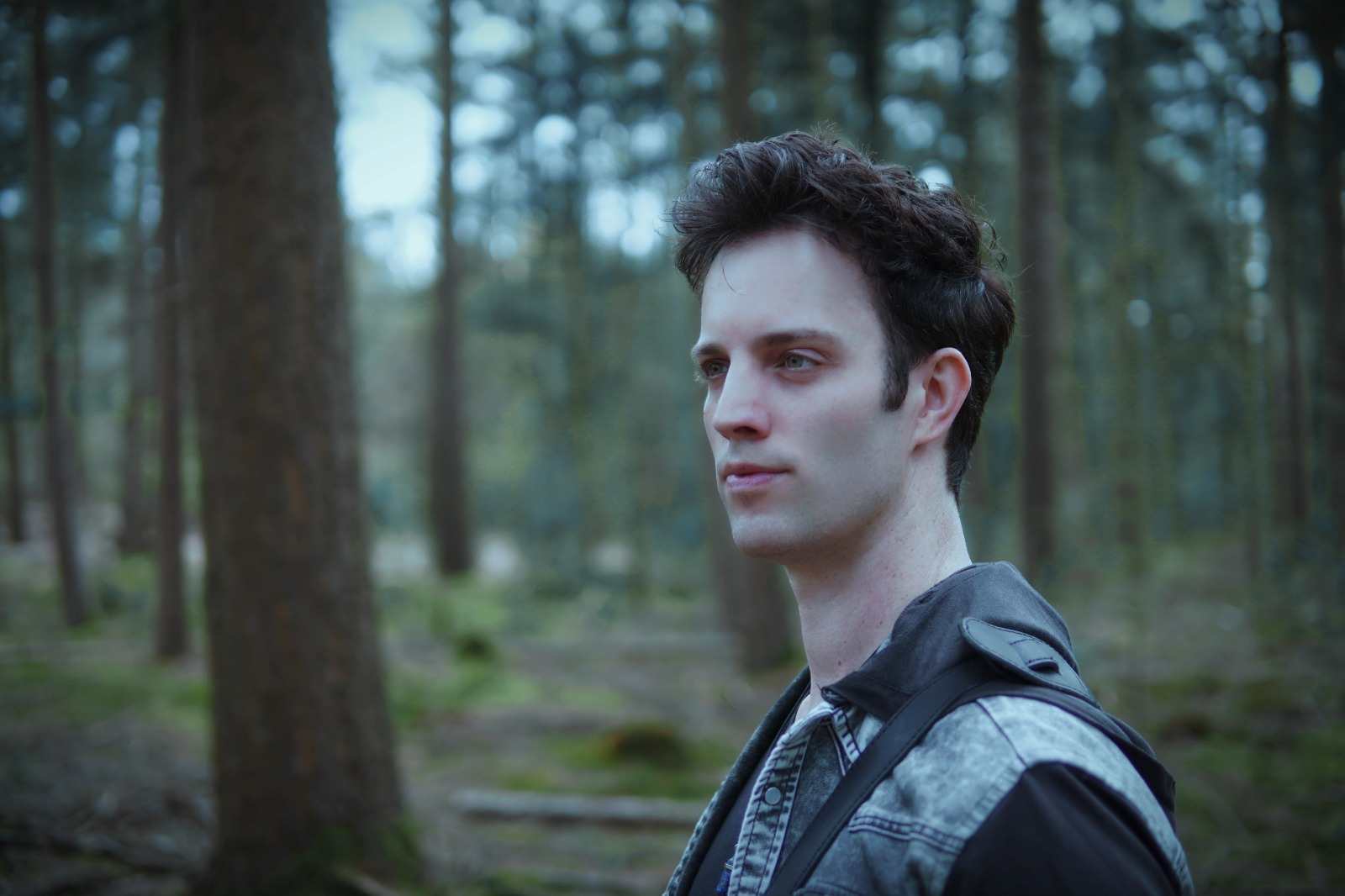
Nature is a little different because that’s also genuinely where I feel most at home. The forest is where I go to clear my head, reflect and find inspiration. So none of these things were really chosen because I thought they would make a cool aesthetic. They’re all things I already loved or connected with, and eventually I realized they belonged in the same world.
That’s probably what Heartgrunge and Luigi Neighbours are becoming to me: a place where you can have loud guitars and vulnerability, darkness and hope, reality and fantasy, all existing next to each other. It’s basically all the things I love thrown into one universe haha!
Oliver:
Right Person, Wrong Lifetime brings together Supernatural, Out Of Tune, Romance Isn’t Dead, Thank You, Surrogate You and the title track, with each song exploring a different form of love, grief, loneliness, longing or hope. When you listen to the six songs together, what emotional connection do you hear between them that makes them feel like one chapter rather than simply six separate songs?
Luigi Neighbours:
To me, they are six songs exploring the different faces of love: finding it, losing it, holding onto it, letting it go and wondering what could have been. Some songs are romantic. Some are about grief. Some are about hope. Some are about loss. But at the center of all six songs is the same question: How do we continue opening our hearts when life keeps reminding us how fragile everything is?
Oliver:
The title Right Person, Wrong Lifetime immediately suggests a relationship where the connection may be genuine but the circumstances are not right. Beyond its romantic interpretation, what does that idea represent for you personally in relation to timing, missed opportunities, grief and the choices that brought you to this point in your life?
Luigi Neighbours:
To me, it’s about timing. Not just in relationships, but in life. It’s about opportunities that arrive too early or too late. People (or pets, in the case of ‘Thank You’) who change us but can’t stay. Dreams we postpone. Conversations we never get to have. The title reflects the bittersweet reality that some things can be meaningful even if they aren’t permanent.
Oliver:
There is a strong tension throughout this project between nostalgia for the music that shaped you and the desire to create something that belongs entirely to the present. How did you make sure the influence of 2000s rock became part of your identity rather than simply becoming an exercise in looking backward?
Luigi Neighbours:
By using the past as inspiration rather than a destination. The influences are obvious, but the experiences are mine. I’m not writing about what it felt like to be seventeen. I’m writing about grief, starting over, finding purpose and navigating life in my thirties. The sound may be inspired by the music I grew up with, but the stories belong to who I am today and what shaped me.
Oliver:
The EP deals openly with love and loss while still holding onto the belief that genuine connection is worth pursuing, even when sincerity can feel difficult to express. When you were writing these songs, how did you decide which emotions and experiences needed to be confronted directly and which ones were better left open to interpretation?
Luigi Neighbours:
I think songwriting has always been a way for me to express things that I sometimes find harder to say in a normal conversation. So when I write, I usually start from something very real. An emotion, a person, a loss or an experience that genuinely affected me. I don’t really sit down and consciously decide how vulnerable I’m going to be. If something feels important enough to write about, I try to be honest about it. At the same time, I don’t necessarily want to explain every detail. I think there’s something powerful about leaving space between the lines. A song might have a very specific meaning to me, but once I release it, I want someone else to be able to hear their own story in it. Sometimes being too specific can take that away.
‘Thank You’ is probably one of the more direct examples on the EP, because that song came from losing my dog Chico, and I wanted it to feel like a genuine goodbye and celebration of the time we had together. Other songs leave more room for interpretation, even though there are very real experiences behind them. I think that balance is important to me: being vulnerable enough that people can feel that I mean what I’m singing, without telling them what they’re supposed to feel. If someone connects one of my songs to a completely different person or moment in their own life, then the song has become part of their story too. And I think that’s one of the most beautiful things music can do.
Oliver:
Your songs place personal experiences alongside a wider visual world of supernatural imagery, moonlight and romance, creating a space where real emotions can exist alongside something almost otherworldly. What role does that imagery play in helping you express feelings that might be difficult to communicate through straightforward storytelling alone?
Luigi Neighbours:
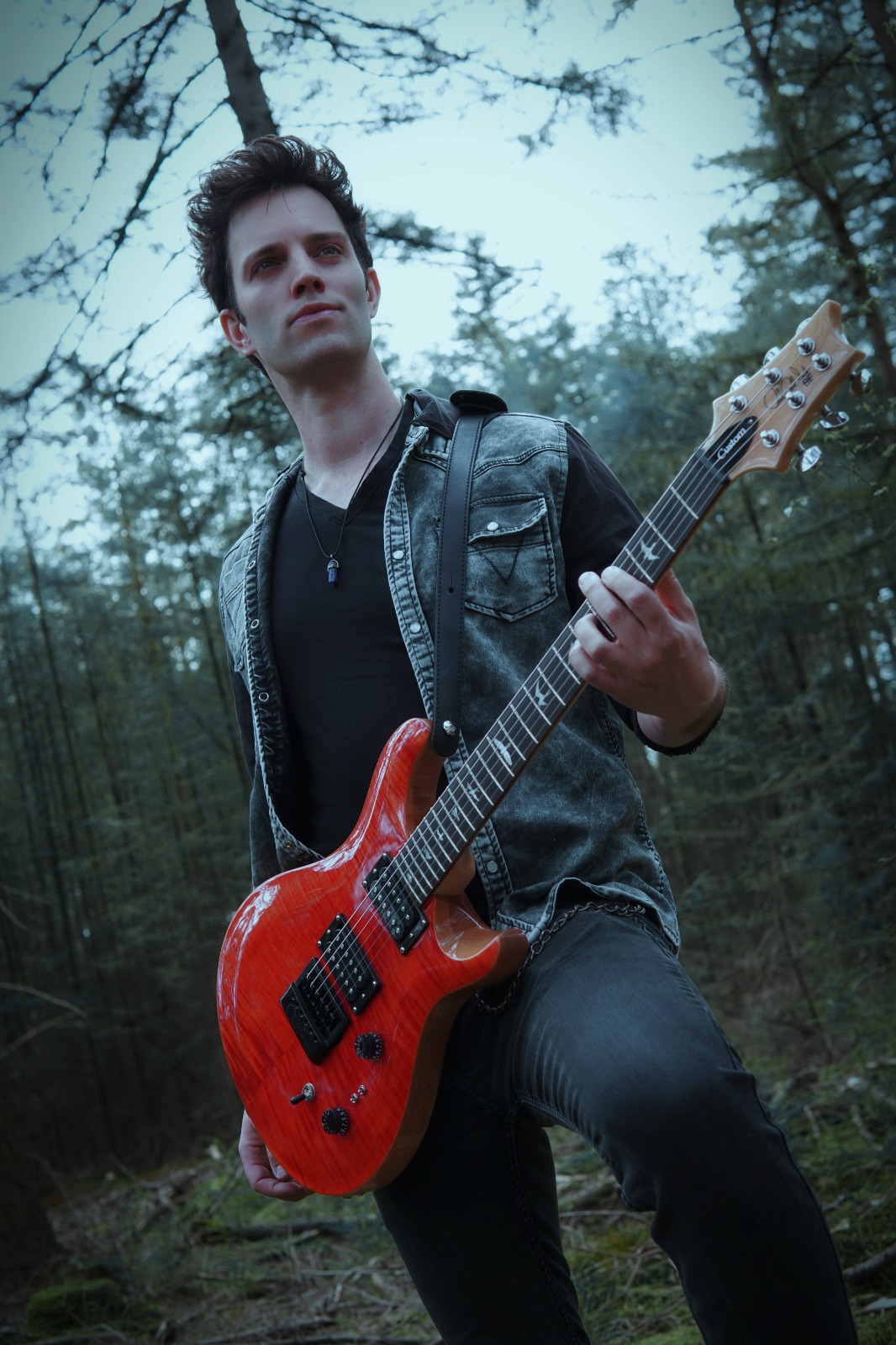
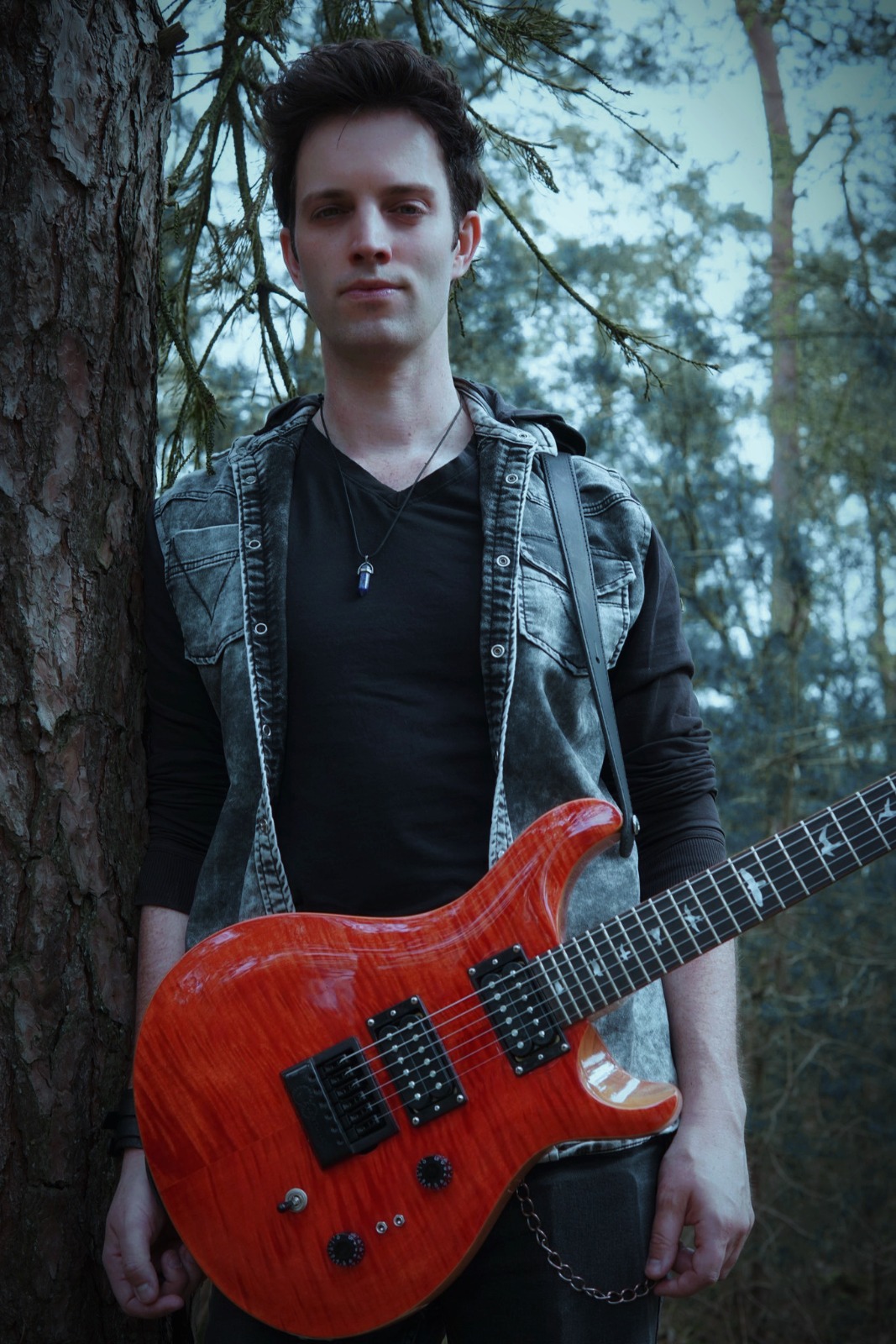
Forests are one of my favorite places to go. They’re my go-to place for reflection, to find stillness and inspiration. Ever since I was young, I have loved birdwatching, and being surrounded by trees and listening to birdsong brings me a sort of serenity unlike anything else. So, as nature is a big part of who I am, it was only natural that it became part of my identity as an artist. And the forest ties in perfectly with the vampire vibe of the 2000s, which I love as well, as I’ve been told a lot of times that I look like someone from Twilight or The Vampire Diaries haha!
Now, me looking like one is not the only reason I like those movies and series. I’ve always been drawn to stories that feel larger than reality while still being deeply human. The forests and supernatural themes create a world where emotions become amplified. They allow heartbreak, longing, and hope to feel almost otherworldly. A lot of my favorite stories do that. They use fantasy, romance, or supernatural elements to explore very real human experiences. I love all these things, so that’s what I wanted to represent in the visual world of Luigi Neighbours.
Oliver:
With Luigi’s Neighbourhood now becoming part of the project’s identity, the music is beginning to exist within a wider world rather than only as individual songs. What does Luigi’s Neighbourhood represent to you personally, and what kind of place do you want listeners to feel they are entering when they discover this project?
Luigi Neighbours:
Luigi’s Neighbourhood is more than a name for the fanbase. It’s the idea that nobody should have to walk through life alone. The music is part of that, of course, but the conversations, shared experiences and stories matter just as much. When people enter Luigi’s Neighbourhood, I want them to feel understood. I want it to feel like a place where sincerity is welcomed rather than hidden. Where they can truly be themselves and connect.
Over the last few years, I’ve learned how powerful human connection can be and that, in the end, it’s really the most important thing in life. Losing people has also made me cherish the loved ones who are still around me that much more, and be grateful for every day I get to spend with them. My mom, my family, my friends and all the people I get to meet through music and my adventures.
Oliver:
You are now building the project around a live band as well as a visual identity and a clearer sense of purpose. How has thinking about these songs as live performances changed the way you hear them, and what are you hoping to communicate onstage that a recorded version cannot fully capture?
Luigi Neighbours:
A recording captures a moment. A live show creates one. When people stand in a room together and sing the same words, something happens that can’t be replicated through a recording alone. I want audiences to leave feeling more connected than when they arrived. Also, the interaction and seeing in the moment how the music touches people is something unique that you can’t get from just recording the music.
Oliver:
Looking at the person who began this chapter after losing his father, traveling alone, writing in Norway and eventually moving to London, what do you think that version of yourself has learned about courage, uncertainty and waiting for the “right” moment?
Luigi Neighbours:
That courage isn’t the absence of fear. It’s moving forward despite it. The “right moment” is usually a myth we tell ourselves because we’re afraid of making the wrong choice. Most of the things that changed my life happened when I stopped waiting and started moving. I think a lot of people look for safety and certainty in life, but ultimately, I think those are illusions. Nothing is certain, and the safe choice can still end up being the wrong one.
Oliver:
Right Person, Wrong Lifetime marks the beginning of the artist you had spent years trying to become, but it arrived because you stopped waiting for perfect circumstances. As you continue writing and building Luigi’s Neighbourhood, what parts of your artistic identity do you feel are only beginning to emerge now?
Luigi Neighbours:
I think I’m only scratching the surface of what I can become. The music is evolving, the world around it is evolving, and the live show is just beginning. For the first time, I feel like all the different pieces of who I am are finally beginning to align. A songwriter, storyteller, dreamer and performer. And I’m excited to see where it’ll all go from here.
Oliver:
When you think about the future of Luigi Neighbours, Heartgrunge and the world of Luigi’s Neighbourhood, what do you want to explore next, and what kind of lasting connection do you hope people will have with the music and the story you are building?
Luigi Neighbours:
More than anything, I hope people feel less alone. If someone hears these songs while they’re grieving, healing, falling in love, starting over or chasing a dream they’ve been postponing, I hope they feel understood. And if there’s one message I hope people carry with them after listening to Right Person, Wrong Lifetime, it’s this:
Someday isn’t promised. Tell people you love them. Take the trip. Start the project. Follow the dream. Because we never really know how much time we have.
And lastly, welcome to Luigi’s Neighbourhood.
“Right Person, Wrong Lifetime feels like the sound of someone finally giving himself permission to stop waiting. What makes Luigi’s story compelling is the way personal loss, nostalgia and a renewed sense of purpose have converged into a musical world that looks backward for inspiration while remaining firmly rooted in the life he is living now.”
~ Oliver (DULAXI Team)
EDITORIAL PERSPECTIVE
What stands out about Luigi Neighbours is the connection between his songwriting and the wider world he has built around it. The music draws from a recognizable era of rock, but the emotional material comes from a very different point in his life. That contrast gives Right Person, Wrong Lifetime its own context. Heartgrunge is not presented simply as a genre label, but as a meeting point between rock energy, romantic vulnerability, nostalgia and cinematic imagination. Luigi’s conversation also makes clear that the project is as much about human connection as it is about sound.
~ Oliver (DULAXI Team)
CLOSING
Our conversation with Luigi Neighbours offers a thoughtful look into the personal experiences behind Right Person, Wrong Lifetime, from the loss that changed his perspective on time to the travels, songwriting and creative decisions that eventually brought Luigi Neighbours and Heartgrunge into focus.
Thank you to Luigi for taking the time to share his story, the experiences behind the EP and the ideas shaping Luigi’s Neighbourhood with us. Right Person, Wrong Lifetime is now available from October 2, 2026, giving listeners the opportunity to experience the six-song chapter for themselves and discover the world Luigi has been building around it.
As Luigi continues developing the music, live band and visual identity surrounding the project, we look forward to following where this new chapter leads.
Thank you for spending time with DULAXI, and thank you once again to Luigi Neighbours for joining Oliver for today’s conversation. Until the next DULAXI interview, keep listening, keep discovering and keep making room for new stories.