
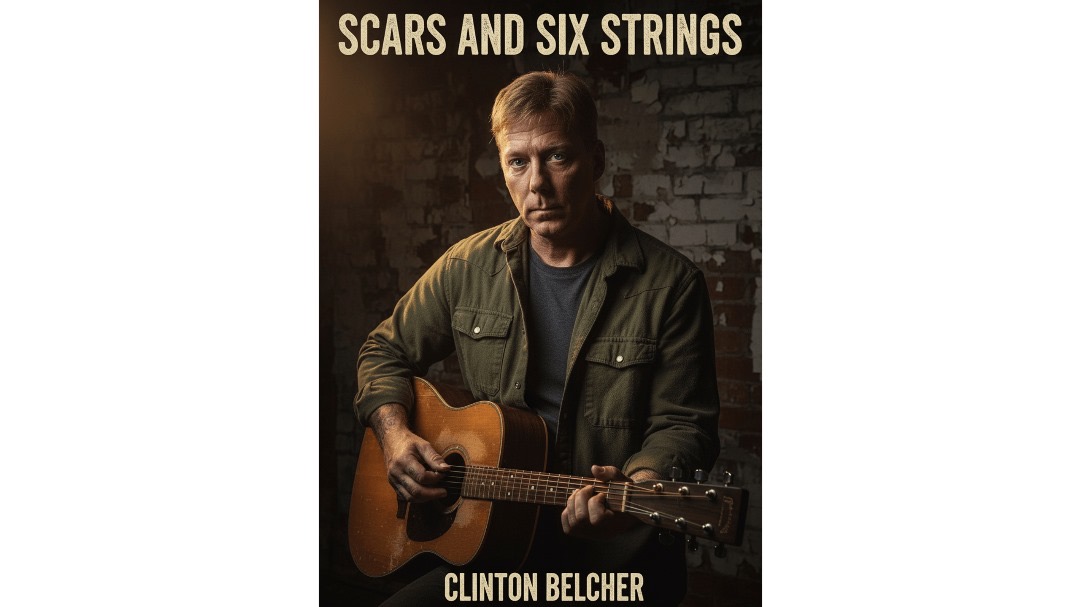
Clinton Belcher is an American Country Rock artist whose music lives at the intersection of grit, soul, and storytelling. A true troubadour of modern Americana, he crafts songs that speak to the human condition with unfiltered honesty and raw emotion. His artistry draws from the heartland traditions of Johnny Cash and the electric edge of Elvis Presley, translating those influences into something wholly his own. With albums such as Last Call Blues, Highways & Heartaches, and River to Redemption, Clinton has built a catalog that chronicles the American experience through heartfelt lyrics, rugged guitars, and a voice that carries both the scars and the spirit of the road. Based in Pikeville, United States, and performing under his label cbelchermusic, he continues to shape his own path in the Country Rock landscape. His music has become synonymous with authenticity and independence, embodying the strength of an artist who writes, performs, and produces his truth without compromise.
Released on October 17th, 2025, Clinton Belcher’s “Scars and Six Strings” stands as a bold and deeply personal declaration of independence, defiance, and rebirth within the Country Rock genre. From the first resonant chord, the track commands immediate attention through its sheer authenticity and emotional force. There is a palpable sense that every note, every lyric, and every vocal inflection has been forged through lived experience. What separates this song from much of today’s polished country is its raw soul and unapologetic grit. Belcher does not seek to fit into radio formulas or sonic expectations. Instead, he uses “Scars and Six Strings” to redefine what it means to merge tradition with innovation, embodying the ethos of a true outlaw artist who walks his own path. The song becomes not just an anthem but a personal creed that celebrates imperfection, resilience, and the creative power born from pain.
Instrumentally, “Scars and Six Strings” opens with an assertive guitar tone that feels both weathered and alive, instantly setting the emotional temperature of the track. The lead guitar riff burns with intensity, channeling the roots of blues while carrying the rhythmic swagger of southern rock. Clinton Belcher’s production choices ensure that every layer of sound carries purpose and depth. The rhythm guitar forms a steady backbone with earthy strumming patterns that keep the track grounded, while the lead guitar injects melodic storytelling through bends, slides, and growling overtones. Beneath this lies a bassline that hums with purpose, anchoring the arrangement with a warm yet commanding presence. The percussion does not dominate but instead works dynamically, emphasizing Belcher’s commitment to musical storytelling rather than mere technical display. Each drum hit and cymbal shimmer feels deliberate, building emotional tension as the song unfolds.
The song’s production process is particularly notable for its self-sufficiency and innovation. Clinton Belcher produced, arranged, mixed, and mastered “Scars and Six Strings” entirely within his personal studio in Earlsboro, Oklahoma, utilizing AI tools as creative collaborators. This fusion of human expression and technological precision results in a sonic landscape that feels remarkably balanced. Rather than allowing technology to overshadow emotion, Belcher uses it as an extension of his own artistry, shaping textures and tones that serve the song’s emotional narrative. The production has clarity without sterility and rawness without chaos, achieving an equilibrium that many modern artists struggle to find. Every element, from the resonance of the acoustic layers to the grit of the electric tones, reflects Belcher’s meticulous attention to detail and his unyielding pursuit of honesty in sound.
Lyrically, “Scars and Six Strings” is an unflinching reflection on struggle, survival, and self-discovery. The song’s central metaphor equates emotional wounds with the strings of a guitar, implying that both pain and art are inseparable parts of human expression. The line “The devil tried to silence me, but the voice will not fade” crystallizes the song’s defiant message. It speaks to an inner battle, not only with hardship but also with self-doubt and fear of failure. Belcher’s words are simple yet profound, written with the straightforward poetry of classic Americana storytelling. He writes not from a place of despair but from acceptance, turning his scars into sources of creative strength. Every lyric carries weight and intention, woven together to tell a story that is both personal and universal. It is a song for anyone who has ever been knocked down but found a way to rise again through music, resilience, or sheer willpower.
Vocally, Belcher delivers one of his most powerful performances, combining grit and tenderness in equal measure. His voice feels like an instrument in itself, layered with warmth, gravel, and hard-earned emotion. There is a sincerity in his phrasing that cannot be manufactured; it feels lived, not performed. He allows his imperfections to shine, using subtle rasp, dynamic range, and breath control to express vulnerability and strength simultaneously. When he hits the chorus, there is an undeniable cathartic surge, a sense of release that mirrors the lyrical themes of liberation and reclamation. His vocal delivery never overreaches for effect but instead relies on emotional authenticity to draw the listener in. The result is a performance that is both intimate and commanding, inviting the audience to not just hear the song but feel it in their bones.
The interplay between the vocals and instrumentation in “Scars and Six Strings” forms one of the track’s most compelling features. The guitars do not merely accompany the voice; they converse with it. Each riff feels like a response to Belcher’s confessions, each solo like an echo of his inner dialogue. The blending of human expression with technical precision creates a sense of emotional dialogue within the music itself. The drums rise subtly during moments of lyrical revelation, and the bass deepens during introspective lines, giving the song a breathing quality. Even the reverb and space within the mix are used intentionally, adding a cinematic layer that enhances the song’s sense of depth and reflection. This intricate balance transforms the track into more than just a performance; it becomes a full-bodied experience that encapsulates Belcher’s life philosophy and artistic journey.
One of the most fascinating aspects of “Scars and Six Strings” lies in its sonic duality. On one hand, it carries the weight of tradition, grounded in the raw energy of Country Rock and Blues. On the other, it embraces the possibilities of modern technology through AI-assisted production. This blend of old and new gives the song a distinct identity that feels both classic and cutting-edge. The outlaw influences of Waylon Jennings and the emotional gravitas of Chris Stapleton coexist seamlessly with the forward-thinking mindset that defines Clinton Belcher’s artistry. He has managed to create something that honors the roots of American music while pushing it into the future. The result is an anthem that feels timeless, built on principles of authenticity and freedom that transcend genre boundaries.
Scars and Six Strings is Clinton Belcher’s Unfiltered Cry Of Freedom, Turning Pain Into Purpose Through Powerful Vocals, Gritty Guitars, And A Fearless Blend Of Country, Rock, And Soul
Ultimately, “Scars and Six Strings” stands as a defining statement in Clinton Belcher’s career. It captures the essence of his musical philosophy: that true art is born not from perfection but from perseverance. Every layer of this song, from the emotional depth of its lyrics to the precision of its production, reinforces the belief that pain can become power when it is transformed through creation. It is both a personal confession and a universal rallying cry for anyone who has fought to reclaim their voice. The track’s self-produced nature, its integration of AI innovation, and its commitment to emotional truth mark it as one of the most significant independent releases in recent Country Rock history. In the end, “Scars and Six Strings” is more than a song, it is a testimony of survival, artistry, and the unbreakable bond between a musician, his instrument, and the scars that shaped them both.
For more information about Clinton Belcher, click on the icons below.