
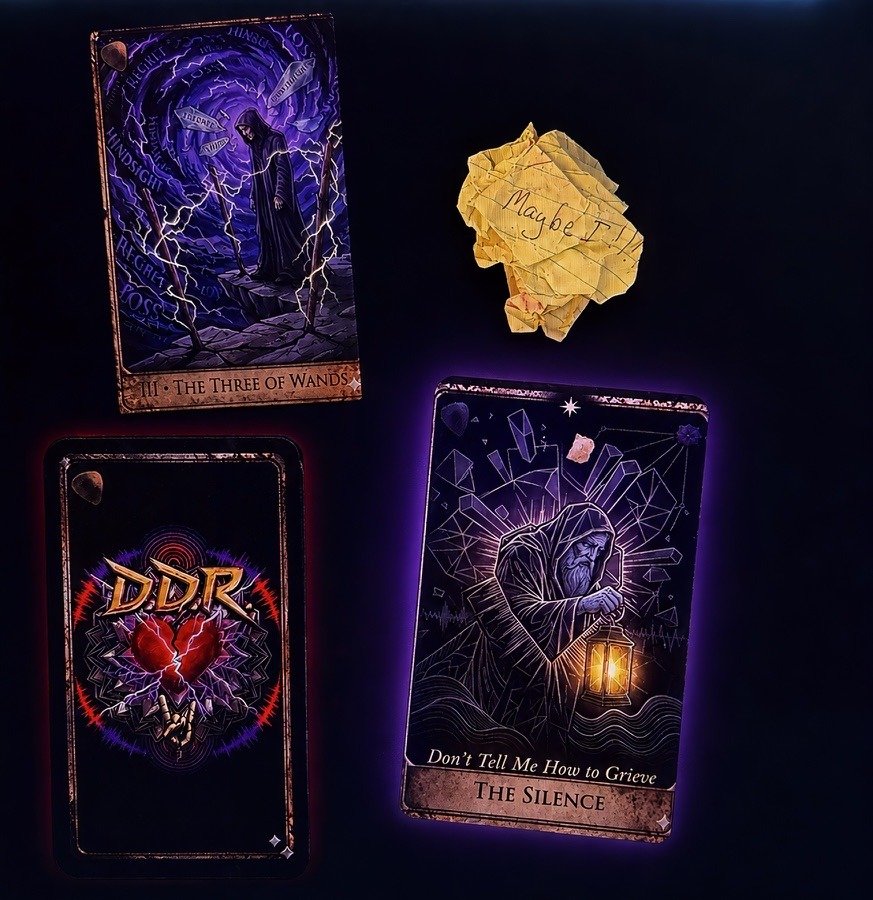
D.D.R.’s “Blinded By the Blonde: Chapter One,” released on September 4, 2026, closes the first chapter of Stephen Paul’s songwriting project with seven songs that trace relationships, betrayal, loss, grief and the difficult decision to begin feeling again. Built around the guitar-driven spirit of classic arena rock, the collection brings together big melodies, strong hooks and personal storytelling while allowing each song to approach its subject from a different emotional position. The project does not simply present seven separate releases gathered under one title. Its sequencing gives the songs a broader narrative connection, beginning with broken promises and fractured relationships before reaching the grief of “Don’t Tell Me How to Grieve” and eventually arriving at the possibility of moving forward through “Make Me Feel Again.”
Paul’s idea of “universal specificity” is particularly relevant to the way the collection approaches its stories. The writing is rooted in personal experiences and specific emotional situations, yet the subjects are familiar enough for listeners to recognise their own relationships, arguments, disappointments and losses within them. That storytelling focus also reflects Paul’s background as a novelist and songwriter, while D.D.R.’s musical identity draws from the melodic rock tradition associated with Bon Jovi, Warrant, Def Leppard and Journey.

Blinded By the Blonde: Chapter One EP Tracklist
Sleeping With the Enemy
“Sleeping With the Enemy” immediately establishes a forceful side of D.D.R.’s rock identity, opening with guitar, bass and drums before the vocal enters with an infectious energy. The song centres on romantic betrayal, moving from the recognition that a relationship was not what it appeared to be toward the painful realisation that the person trusted was effectively an enemy. The writing is especially effective when it turns that betrayal into a story of misplaced intimacy. The lines about the woman playing her part, breaking down the narrator’s defences and becoming permanently attached to his heart reveal how thoroughly trust had been given before it was broken. The vocal performance matches that conflict with a rich, bright and full-bodied tone, delivered with confidence, passion and dramatic flair. Rather than treating the subject as a quiet confession, the performance makes the betrayal feel immediate and confrontational.

The instrumental arrangement keeps that intensity moving through electric guitar, deep and driving bass, and powerful drums. The song is fast-paced and energetic, with the guitar work providing a rhythmic and driving presence while the bass and drums keep the rhythm forceful underneath the vocal. The chorus serves as the vocal and musical climax, allowing the dramatic delivery to become more pronounced. One of the strongest structural choices arrives around the 2:38 mark, when the instrumentation falls away and leaves the vocal exposed in a passionate passage that feels almost a cappella. The return of the energetic instrumental at approximately 2:51 makes the contrast particularly noticeable, because the sudden reduction in instrumentation puts the emotional intensity of the voice alone under the spotlight before the full arrangement returns. That contrast prevents the song from relying on constant volume and instead gives its most vulnerable moment a distinct place within the rock arrangement.
Just 10 Minutes In
“Just 10 Minutes In” approaches romantic conflict from a different perspective, focusing on a couple caught in an argument where neither person is prepared to surrender their position. The song’s storytelling captures the stubbornness that can turn an ordinary disagreement into something much larger, particularly when both people become convinced that they are right. The chorus expresses that refusal to back down through opposing declarations, with each side strengthening their own version of events rather than finding common ground. The vocal performance carries the story with a rich, deep and full-bodied tone, combining expressive phrasing with a dramatic pronunciation that makes certain words stand out. There is confidence and energy in the delivery, but the performance remains connected to the tension of the situation rather than simply presenting the song as a straightforward rock performance.
The arrangement reinforces that conflict through electric guitar, bass, drums and additional keyboard textures that bring warmth and texture to the broader sound. Sharp guitar riffs are particularly important to the song’s character, while the deep, driving bass and tight, powerful drums maintain its energetic pace. The instrumental is balanced despite being richly layered, allowing the different elements to support the vocal while also building tension around the story. Rather than depending on one isolated climax, the song contains several moments that feel like peaks, reflecting the repeated escalation of the argument itself. The guitar solo around the three-minute mark is especially striking, as the vocal disappears and the guitar takes over with sharp, tense and emotional riffs. That instrumental break gives the conflict a musical release without resolving it, leaving the listener with the sense of an argument that has become too entrenched for either person to easily step away.
Make Me Feel Again
“Make Me Feel Again” brings the EP’s central emotional arc toward a more vulnerable conclusion, focusing on what happens after someone has spent too long trapped in memories and old mistakes. The song addresses romantic love, healing and personal growth through a narrator who has become disconnected from the feelings he once experienced and now wants to risk feeling again. The writing presents this state through images of repetition and confinement, particularly in the description of being lost in yesterday and reliving mistakes like an old record repeatedly playing. The final song therefore shifts attention away from the immediate causes of pain and toward the decision to stop remaining trapped by them. The vocal performance is intimate, passionate and expressive, with a rich, deep tone carrying a slight grit underneath it. The chorus becomes the emotional peak because the delivery becomes more urgent, turning the desire for feeling into something that sounds almost desperate rather than casual.
The instrumental arrangement supports that progression through electric guitar, bass and drums, with guitar work that is heavy, rhythmic, driving and emotional. The bass remains deep but comparatively subtle, while the drums combine energetic playing with control, allowing the song to move between more intense passages and calmer moments. The opening begins with guitar and bass before the arrangement gradually draws the listener further into the song, while the rhythm and surrounding textures establish an intimate setting before the intensity rises. The most striking lyrical moment comes when the narrator pleads, “bring me laughter, bring me tears, shock my heart with adrenaline, make me love, make me hurt, I don’t care, just make me feel again.” The force behind those words makes the central desire unmistakable. This is not simply a request for happiness. It is a willingness to accept pain as part of being emotionally alive again.
The three songs examined most closely here also show how widely the EP can approach its central concerns. “Sleeping With the Enemy” confronts the discovery that love and trust have been placed in the wrong person, while “Just 10 Minutes In” stays inside the friction of a relationship where neither side is willing to retreat. “Make Me Feel Again” looks beyond the immediate conflict toward the difficult process of becoming willing to experience life again. Together, these songs connect betrayal, conflict and recovery without presenting them as identical experiences. Their musical differences also help separate those emotional positions. The first track discussed here relies on sustained rock energy and a sharp contrast between full instrumentation and exposed vocals, “Just 10 Minutes In” uses tense guitar work and multiple points of intensity to reflect an escalating argument, while “Make Me Feel Again” balances heavier guitar passages with quieter moments of reflection.

That storytelling approach is central to D.D.R.’s identity. Stephen Paul combines his work as an Indiana-based novelist and songwriter with a songwriting project shaped around classic melodic rock, allowing the words to remain as important as the guitars and hooks. The recordings on “Blinded By the Blonde: Chapter One” were created at different stages in the project’s development, with vocalists and musicians working through Musiversal alongside musicians involved in earlier Songbay productions. The collection therefore represents not only a set of songs about relationships and loss but also the closing statement of D.D.R.’s first era. Its title comes from a lyric in “Sleeping With the Enemy,” while the cover artwork uses tarot-inspired imagery connected to upheaval, introspection, hope and the fractured perspective associated with the end of a relationship.
D.D.R.’s “Blinded By the Blonde: Chapter One” Turns Betrayal, Grief And Heartbreak Into A Reckoning With The Past And A Decision To Feel Again
~ Tehillah (DULAXI Team).