
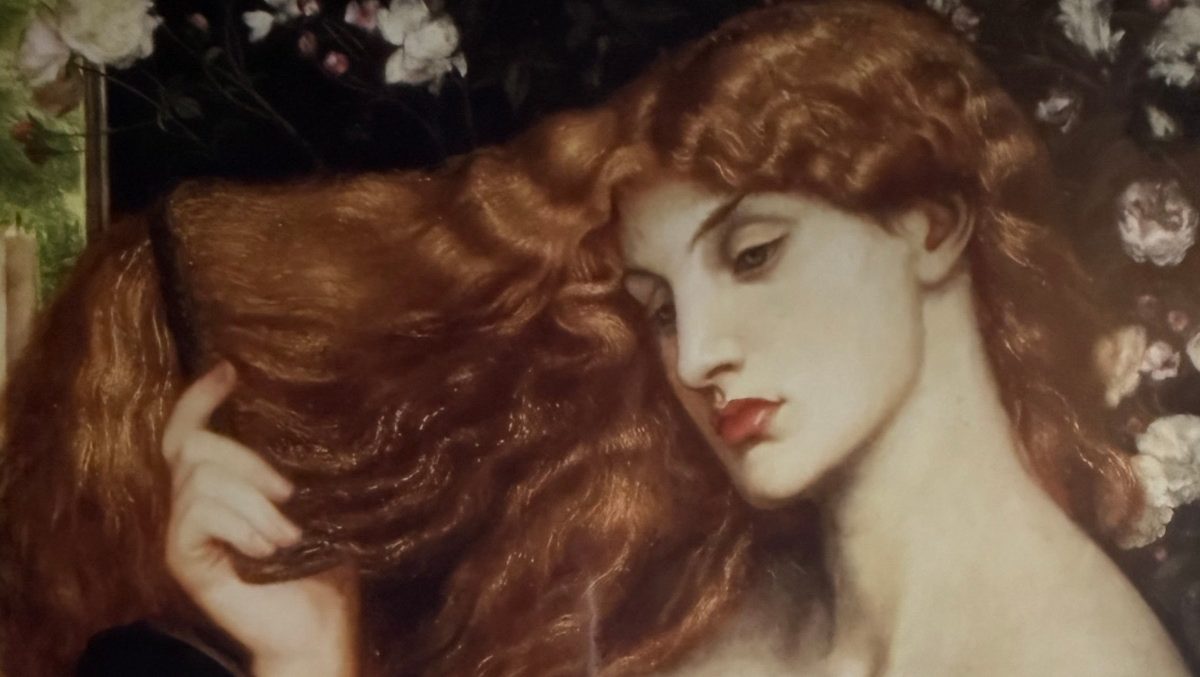
Released on 28th August 2026, “Burn The Witch” by herbie the rabbit emerged as a dark and atmospheric single that examined the unsettling consequences of conformity, misinformation, and collective judgment. The song placed the listener inside a disturbing scene, surrounded by a crowd that has accepted a narrative without stopping to question whether it is true. From this perspective, the track became more than an exploration of moral panic. It became an invitation to consider how easily fear, social pressure, inherited beliefs, and the desire to belong can influence personal judgment. Its central question remained deeply uncomfortable: what happens when people surrender their ability to think for themselves and simply follow the crowd? The song approached that question with sardonic wit and a quietly furious perspective, creating an atmosphere that felt both catchy and ominous.
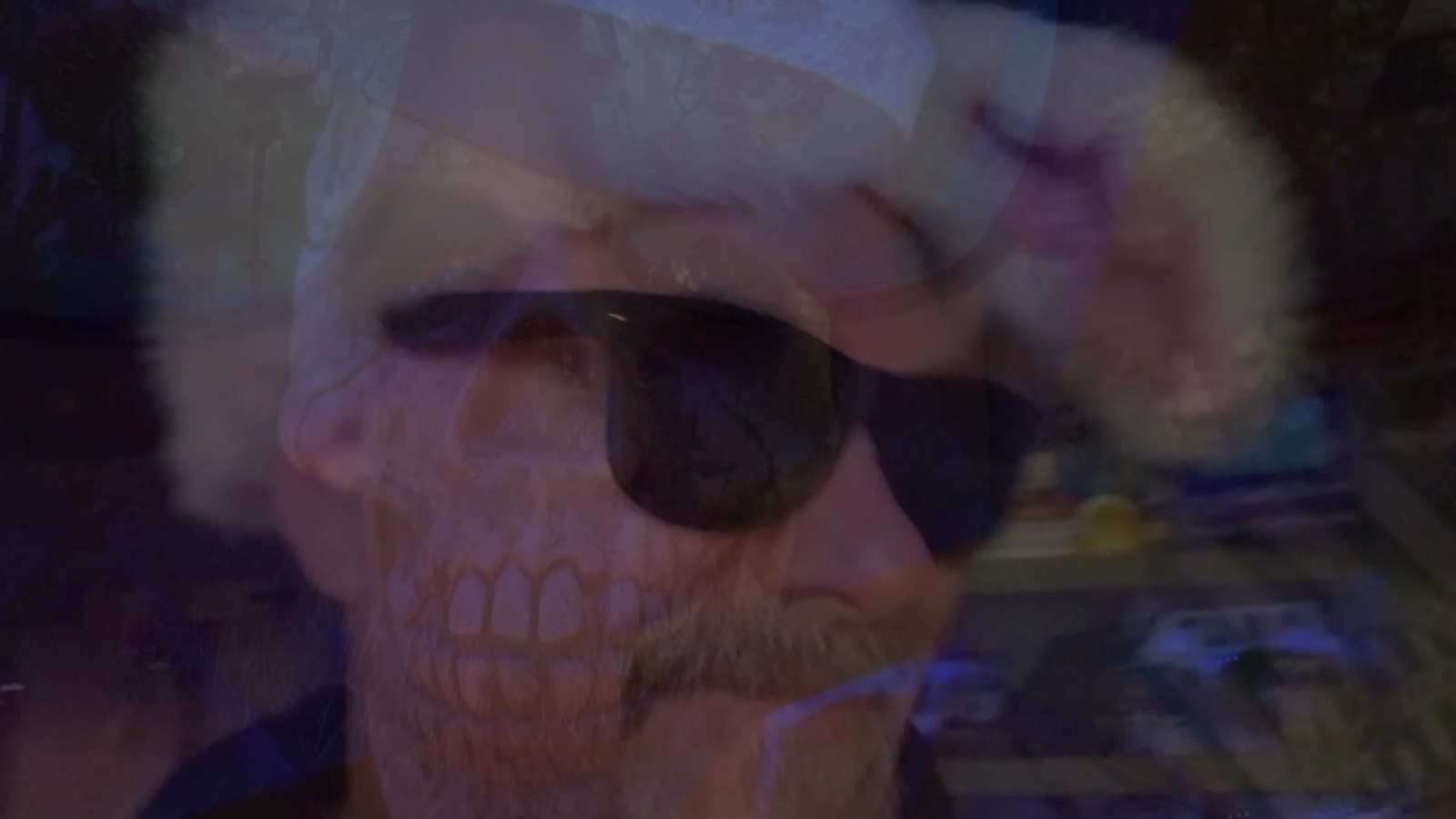
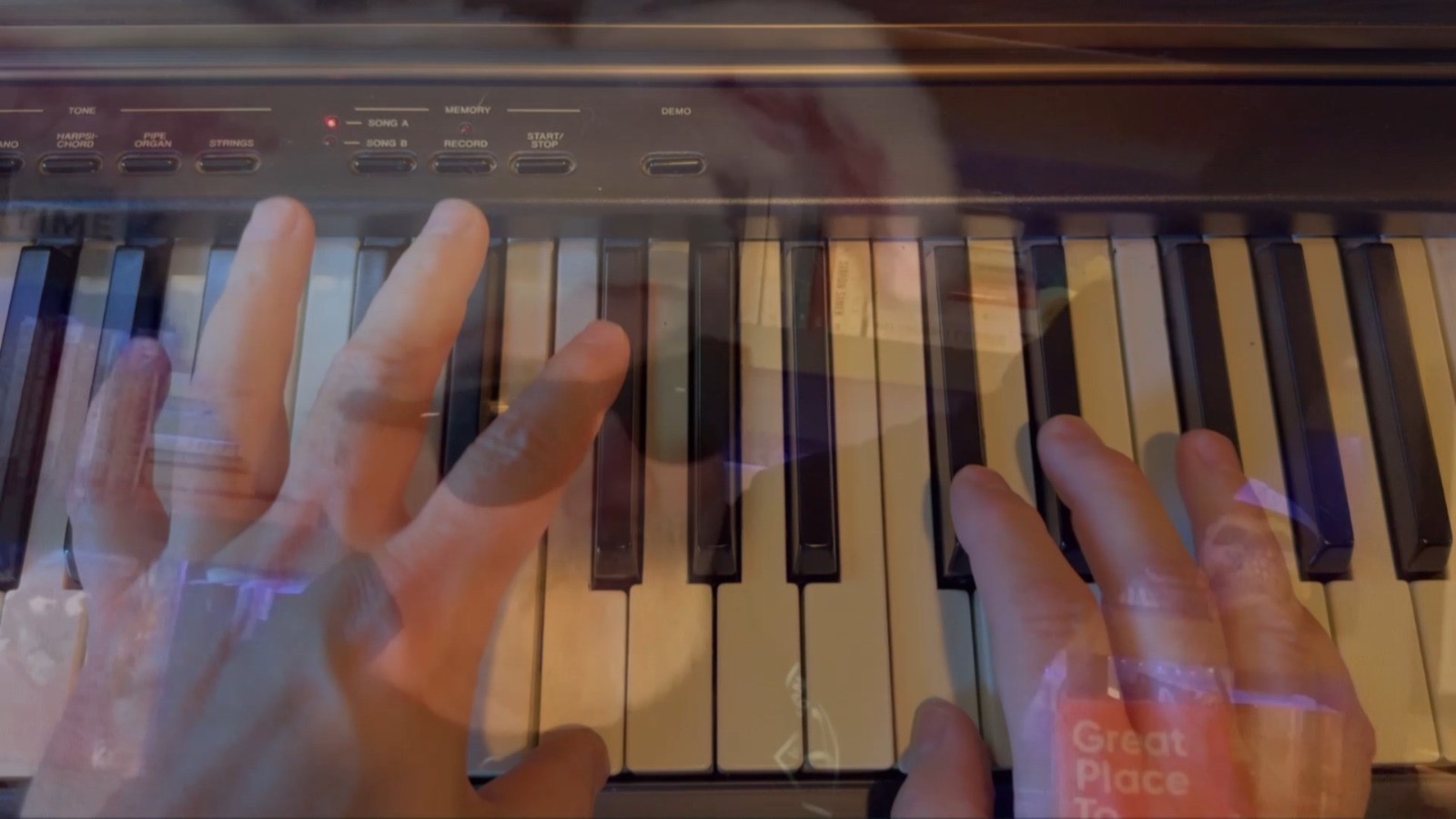
The production reinforced this sense of unease through a minimalist yet driving arrangement. A steady relationship between bass guitar and drums established the song’s pulse, giving the track a persistent rhythmic foundation while subtle piano lines and programmed synthetic textures moved around it. Rather than filling every available space, the production allowed the individual elements to maintain their character, creating a cold and precise sonic environment. The repetition became an important part of the experience, drawing the listener deeper into the song’s central idea of collective behavior. As the arrangement gradually gathered intensity, it maintained a controlled quality that made the atmosphere feel increasingly claustrophobic. Behind the boards, Jordan Lawlor of M83 helped shape this unsettled sound, giving the track a production style capable of carrying its darker themes without overwhelming the songwriting.
At the heart of “Burn The Witch” was its examination of complicity. The song questioned what responsibility people carry when they accept a version of events simply because everyone around them appears to believe it. The lyric, “someone told you a version of a story that wasn’t true,” immediately placed that responsibility in focus, while the question of whether someone should be blamed for failing to discover the truth added another layer to the narrative. The recurring refrain about burning the witch and hanging the guy sky high transformed these ideas into a stark picture of mob mentality. Its repetition gave the words an almost ritualistic quality, reflecting how destructive beliefs can become normalized when they are repeated often enough. Rather than presenting the listener with easy answers, the song created a space where questions about truth, obedience, fear, tradition, and consent could remain deliberately unresolved.
The imagery surrounding the single deepened its exploration of defiance and persecution. The cover drew from Dante Gabriel Rossetti’s “Lady Lilith,” connecting the song with the story of Lilith and the enduring cultural image of the witch. Within the mythology referenced by the project, Lilith represented forbidden knowledge, independence, and an unwillingness to accept submission, qualities that later became associated with the figure of the hunted witch. This connection gave the song another dimension, transforming its central character into a symbol of the person who becomes condemned because they stand outside accepted expectations. The song therefore moved between ancient ideas and contemporary concerns, connecting the fear of the outsider with the modern dangers of misinformation and unquestioned consensus. Its dark humor made the subject more approachable while preserving the seriousness underneath the storytelling.
Vocally, the performance remained detached and observational, creating the feeling of an interrogation rather than an emotional outburst. That restraint gave the lyrics additional weight because the narrator appeared to be watching the crowd while simultaneously questioning the listener’s position within it. The result was a performance that encouraged reflection instead of simply telling the audience what to think. This approach also established the tone for the wider herbie the rabbit project, where strong narration, dark wit, and memorable melodies provide a framework for introspective writing. The music transformed complicated inner and social experiences into character driven storytelling, allowing the songs to function almost like modern folk tales with psychological depth. “Burn The Witch” carried that identity particularly well, pairing an accessible musical pulse with ideas that lingered long after the refrain had ended.
Burn The Witch Is A Dark, Atmospheric And Sardonic Song That Questions Conformity, Misinformation, Collective Judgment, Complicity, And The Dangers Of Following Crowds Without Thinking For Yourself
~ Faithfulness (Dulaxi Team)
As the solo project of Dan Marsh, herbie the rabbit represented an important new chapter following his years fronting Ubiquity Machine, a project that built more than 10,000 followers on Spotify. This time, Marsh created the music entirely on his own, bringing experiences connected to ADHD, autism, and C PTSD into a body of work concerned with dissociation, hypervigilance, perception, and complicated feelings of blame. Those personal influences became part of the project’s distinctive storytelling language, turning internal experiences into dark characters and wider social observations. With “Burn The Witch” serving as the first release in a planned run of singles leading toward an album over the coming year, herbie the rabbit introduced itself through a song that was catchy on the surface and deeply questioning underneath. It was a confident beginning to a solo journey built around finding the courage to stand alone, think independently, and tell the story without hiding behind the crowd.
For more information about herbie the rabbit, click on the icons below.