

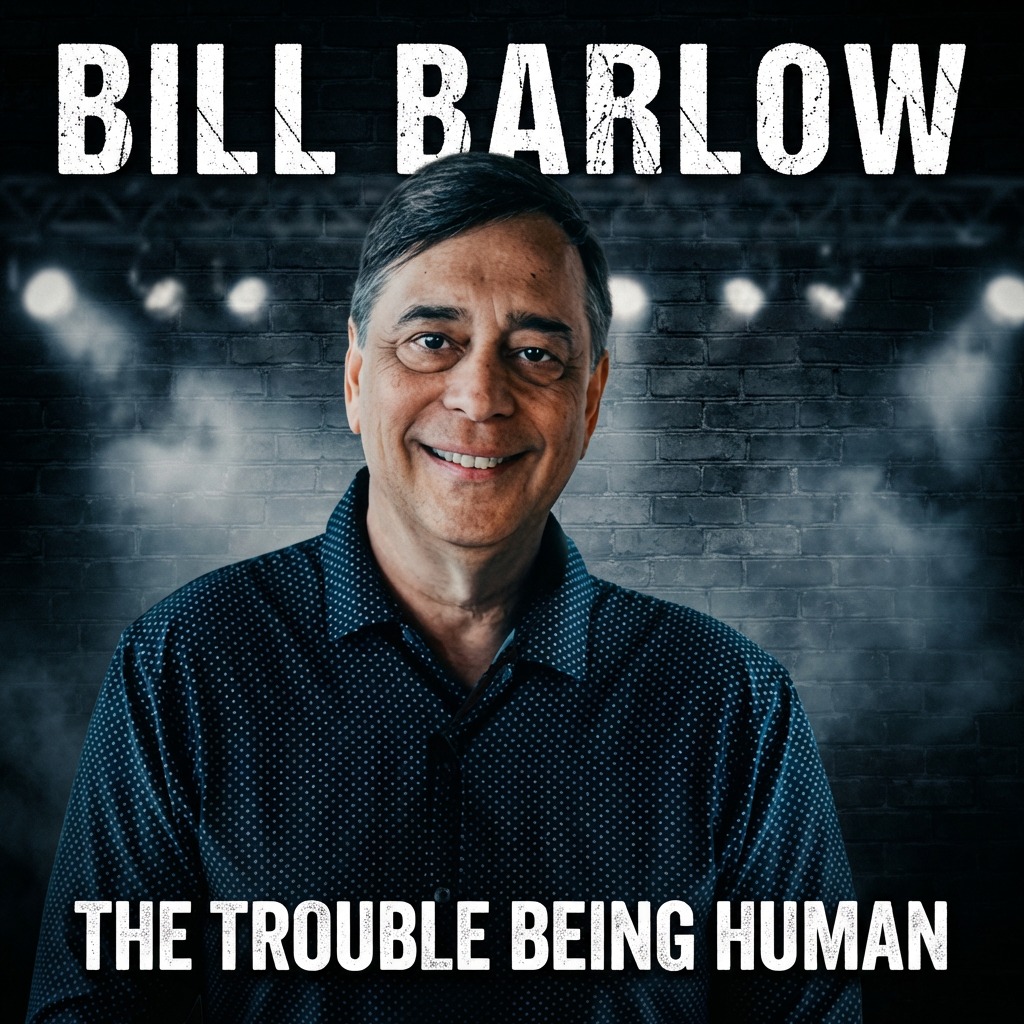
Released on April 17th, 2026, Bill Barlow’s “The Trouble Being Human” is a deeply introspective and emotionally resonant album that examines the complexities of identity, emotional survival, and human connection in an age increasingly shaped by technology and emotional detachment. Across eighteen tracks, the album unfolds as a cohesive and reflective journey that explores vulnerability, exhaustion, authenticity, resilience, and the fear of losing individuality in a rapidly evolving modern world. Rather than relying on surface-level commentary, Bill Barlow approaches these themes with remarkable emotional openness, transforming uncertainty and personal reflection into a compelling artistic statement that feels both intimate and universally relatable. Musically, the album thrives through its seamless fusion of Pop, Rock, Folk, Blues, and R&B influences, creating a rich and textured sonic landscape filled with warm analog production, atmospheric layering, melodic fluidity, and emotionally immersive arrangements.
Every element of the production serves the emotional weight of the songwriting, allowing the album to maintain a powerful sense of cohesion from beginning to end. Bill Barlow’s vocal performances remain consistently authentic throughout the project, carrying warmth, frustration, fragility, and introspection with striking sincerity, making each moment feel emotionally lived-in rather than performative. The album’s greatest strength lies in its ability to balance philosophical depth with emotionally accessible storytelling, giving listeners both intellectual substance and genuine emotional connection. “The Trouble Being Human” ultimately stands as a thoughtful and profoundly human body of work that confronts modern anxieties without losing sight of compassion, honesty, and the enduring need for real emotional connection in contemporary life.
The Trouble Being Human:
In “The Trouble Being Human,” Bill Barlow delivers one of the most emotionally gripping performances on the album “The Trouble Being Human,” using a weary and contemplative vocal tone to embody the anxiety of existing in an increasingly automated society. His voice carries a fragile humanity that perfectly reflects the song’s existential themes, communicating emotional exhaustion, uncertainty, and vulnerability with remarkable authenticity. Bill Barlow’s vocal phrasing emphasizes the fear of irrelevance in a world where technology increasingly dominates creative and professional spaces, making every line feel deeply personal rather than detached social commentary. Thematically, the track explores the growing conflict between human individuality and technological advancement, focusing on the emotional consequences of living in a culture driven by algorithms, automation, and artificial intelligence. The message centers on the uncertainty surrounding humanity’s future role within an AI-dominated world and questions whether people are adapting or gradually losing their sense of purpose. Musically, the song blends atmospheric synth textures with warm guitars and restrained percussion, creating a sonic contrast between mechanical precision and emotional authenticity. The production gradually intensifies without overshadowing the emotional vulnerability at the heart of the composition. Through reflective songwriting, layered instrumentation, and emotionally exposed vocals, Bill Barlow transforms “The Trouble Being Human” into a haunting meditation on identity, relevance, and emotional survival in the digital age.

Dream Girl:
In “Dream Girl,” Bill Barlow reveals a softer and deeply affectionate side of his artistry on the album “The Trouble Being Human,” delivering a warm vocal performance filled with sincerity, admiration, and emotional devotion. His voice moves smoothly across the melodic structure with calm tenderness, perfectly complementing the romantic atmosphere that defines the track. Bill Barlow’s vocal delivery feels personal and genuine, emphasizing emotional fulfillment and appreciation in a way that allows the listener to fully connect with the intimacy of the narrative. Thematically, “Dream Girl” revolves around love, emotional comfort, and the transformative effect of meaningful companionship. Bill Barlow presents his partner as a source of inspiration, security, and happiness, highlighting how genuine emotional connection can bring stability and light into everyday life. The message celebrates the emotional richness that comes from sharing life with someone who creates both excitement and peace simultaneously. Musically, the song embraces polished pop influences with smooth guitar textures, steady percussion, and melodic hooks that create an inviting and emotionally uplifting atmosphere. The restrained production allows the sincerity of Bill Barlow’s vocals and songwriting to remain central throughout the composition. Through romantic honesty, melodic warmth, and emotionally grounded storytelling, “Dream Girl” becomes one of the most heartfelt and emotionally comforting moments on “The Trouble Being Human,” balancing accessibility with genuine emotional depth.
Chillin’ in Zanzibar:
In “Chillin’ in Zanzibar,” Bill Barlow delivers a relaxed and sun-drenched vocal performance that perfectly captures the peaceful atmosphere of escape and shared adventure presented throughout the album “The Trouble Being Human.” His voice carries a conversational warmth that makes every moment feel intimate, immersive, and emotionally genuine. Bill Barlow’s vocal delivery remains light and soothing throughout the track, emphasizing gratitude, presence, and emotional connection rather than dramatic intensity. Thematically, the song functions as both a celebration of Zanzibar’s beauty and a meditation on the importance of slowing down and appreciating life’s simplest experiences. Through vivid storytelling centered around beaches, local culture, nature, and travel, Bill Barlow transforms the song into an emotionally refreshing journey that highlights the joy of meaningful companionship and shared discovery. The message focuses on finding peace, clarity, and emotional fulfillment through presence, exploration, and temporary escape from everyday pressures. Musically, “Chillin’ in Zanzibar” blends airy guitars, laid-back percussion, and spacious production to create an atmosphere that feels cinematic while remaining deeply personal. The instrumentation flows naturally with effortless elegance, allowing the track’s calming mood to remain uninterrupted from beginning to end. Through immersive storytelling, warm vocals, and atmospheric musical textures, Bill Barlow crafts one of the most transportive and emotionally refreshing songs on “The Trouble Being Human,” balancing escapism with heartfelt emotional sincerity.
Don’t Stop:
In “Don’t Stop,” Bill Barlow delivers one of the most emotionally explosive vocal performances on the album “The Trouble Being Human,” shifting between melodic vulnerability and raw, impassioned intensity to embody the desperation and emotional pressure described throughout the song. His voice carries exhaustion, frustration, determination, and resilience simultaneously, making the emotional turmoil within the narrative feel painfully authentic. Bill Barlow’s performance mirrors the psychological breaking point explored within the track, capturing the emotional instability that accompanies prolonged hardship and internal struggle. Thematically, “Don’t Stop” centers on perseverance during life’s darkest moments, confronting emotional collapse while refusing to surrender to hopelessness or despair. The message encourages listeners to continue pushing forward despite suffering, emphasizing that difficult experiences are temporary chapters rather than permanent definitions of one’s life. Bill Barlow frames adversity as a painful but transformative process capable of building emotional strength, endurance, and personal growth. Musically, the gritty production, aggressive percussion, and driving guitar work create relentless momentum that perfectly supports the emotional intensity of the vocals. The arrangement maintains constant pressure while allowing moments of melodic vulnerability to shine through the heavier instrumentation. Through cathartic vocal delivery, motivational themes, and emotionally charged production, “Don’t Stop” stands as one of the most powerful, inspiring, and emotionally resonant moments on “The Trouble Being Human.”
The Trouble Being Human Captures The Fragile Struggle To Remain Emotionally Authentic, Creatively Relevant, And Deeply Connected Within A World Increasingly Consumed By Technology And Disconnection.
~ Daniel (Dulaxi Team)
Bill Barlow is a Tampa-based digital composer and observational songwriter whose artistry is defined by emotional honesty, thoughtful storytelling, and an impressive ability to transform everyday human experiences into deeply resonant musical narratives. Recognized for his genre-fluid sound and sharp lyrical perspective, Barlow has steadily built a reputation for creating music that feels intellectually reflective while remaining emotionally accessible to listeners from different backgrounds. His ability to merge Rock, Pop, Folk, Blues, and atmospheric textures into a cohesive artistic identity has allowed his music to stand out for both its sonic richness and emotional sincerity. Following the critical acclaim of his genre-bending project “Out of Obscurity,” Bill Barlow returned with “The Trouble Being Human,” an album that further expands his artistic vision while reinforcing the emotional authenticity that defines his songwriting. What makes Barlow particularly compelling as an artist is his refusal to separate vulnerability from creativity, allowing his music to confront fear, uncertainty, emotional fatigue, and modern disconnection with remarkable openness and clarity. “The Trouble Being Human” ultimately feels like the work of an artist fully committed to meaningful expression rather than trend-driven execution. For listeners who appreciate emotionally intelligent songwriting, immersive production, and deeply human storytelling, this album is a rewarding and thought-provoking experience that deserves full attention from beginning to end.
For more information about Bill Barlow, click on the icons below.