

Hello everyone it’s your host Daniel from Dulaxi, and today I have with me the exceptional metal project, The Lazz from San Diego, United States. And The Lazz is here to discuss their recent original single “Observer” which was released on April 4th, 2026. So, welcome, The Lazz! But before we begin our interview, to our audience; here is what you need to know about this artist.
Emerging from San Diego, United States, The Lazz is a visionary high-concept modern metal project led by veteran composer, guitarist, and multimedia artist Ben Lazzaro, whose musical journey spans more than four decades since 1982. Built upon authentic human-performed guitars, bass, and deeply intentional songwriting, The Lazz stands at the intersection of legacy musicianship and cutting-edge technology, creating an immersive sonic and cinematic universe that explores identity, transformation, transcendence, shadow work, and the hidden depths of the human psyche. Drawing heavily from the analytical psychology of Carl Jung, the project is structured as a multi-act conceptual experience centered around the process of individuation, where themes of Shadow and Persona are transformed into powerful modern metal narratives filled with emotional weight and philosophical depth. What makes The Lazz particularly distinctive is Ben Lazzaro’s fusion of artistic disciplines; beyond being a seasoned musician, he is also a formally trained visual artist with an Associate of Science in Visual Communication and over 13 years of experience as a professional 3D Digital Artist in the video game industry, allowing every release to function as a complete high-fidelity multimedia experience. Through a unique “Hybrid-Human” production engine that combines live instrumentation with AI-assisted vocals, drums, effects, and sonic enhancement, The Lazz redefines how technology can coexist with authentic artistry rather than replace it. This creative philosophy reaches a monumental peak in the project’s expansive single “Observer,” released on April 4th, 2026, a cinematic and philosophically charged metal anthem that follows a seeker standing at the edge of reality, shedding fear, illusion, and limitation in pursuit of higher consciousness. Driven by crushing riffs, soaring vocals, melodic lead guitars, massive choruses, and an atmosphere that balances heaviness with emotional and spiritual depth, “Observer” serves as the third chapter in an ambitious four-part conceptual series that showcases The Lazz’s dedication to storytelling, world-building, and meaningful artistic expression. More than simply a metal project, The Lazz represents a bold artistic mission dedicated to reviving decades of dormant compositions through innovation, intellectual honesty, and a relentless pursuit of music that challenges both the mind and the soul.
Having this brief Introduction about The Lazz, I’m sure new and current fans must be excited about our Interview today.
INTERVIEW SESSION
Daniel: The Lazz is built around a fusion of cinematic storytelling, heavy music, and psychological exploration. What originally inspired you to create a project with such a deep conceptual identity rather than a traditional metal act?
The Lazz: The Lazz was inspired by the idea that music could function like cinema or mythology rather than just a collection of songs. I’ve always been drawn to artists and storytellers who create immersive worlds, and I wanted to bring that same depth into heavy music.
Psychology, especially Jungian concepts like the Shadow and the Observer, became a natural foundation because they deal with transformation, identity, and the hidden parts of human nature. Heavy music already carries emotional intensity, so it felt like the perfect medium to explore those themes.
Instead of building a traditional metal act around a single sound or image, I wanted The Lazz to feel like an evolving conceptual universe where the music, lyrics, and visuals all serve the same larger narrative.
Daniel: With over four decades of performance experience, how has your journey as both a musician and visual artist shaped the creative universe behind The Lazz?
The Lazz: Spending decades in both music and visual art naturally pushed me toward worldbuilding rather than simply songwriting. As a musician, I learned how emotion, dynamics, and atmosphere affect people. As a visual artist and 3D digital artist, I learned how imagery, symbolism, and cinematic presentation can deepen that emotional experience.
The Lazz became the point where those two worlds merged. I don’t really separate the music from the visuals or the concepts, they’re all part of the same creative language. Songs like “Observer” are designed to feel immersive, almost like stepping into a psychological or cinematic landscape rather than just listening to a track.
Daniel: Your work bridges human musicianship with AI-assisted production in a very intentional way. What do you feel people misunderstand most about the role of technology in your music?
The Lazz: I think one of the biggest misconceptions is that people assume technology replaces creativity, when for me it’s the opposite. The core ideas, the songwriting, themes, arrangements, guitar work, emotional direction, and overall vision, still come from a very human place.
I view AI and modern production tools the same way artists once viewed new recording technology, synthesizers, or digital art tools: as extensions of the creative palette. The technology helps me build larger cinematic worlds and experiment faster, but it doesn’t replace intent or artistic identity.
With The Lazz, the goal was never to hide the use of technology. It was to intentionally explore the space where human expression and evolving creative tools intersect.
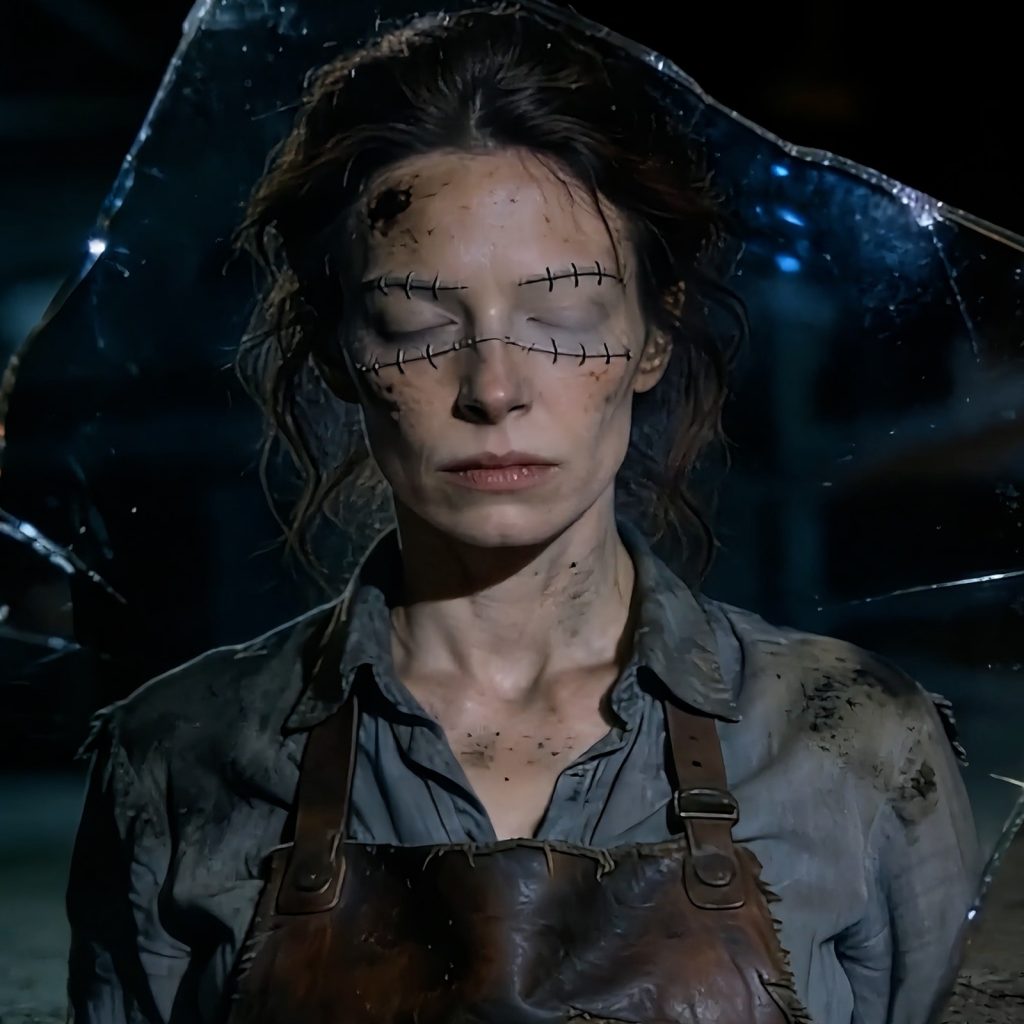
Daniel: “Observer” feels like a spiritual and philosophical ascent wrapped inside modern metal intensity. What was the core message you wanted listeners to walk away with after hearing the song?
The Lazz: At its core, “Observer” is about transcending fear, ego, and the illusions we build around identity. The mountain in the song is symbolic, it represents the internal climb toward clarity and self-awareness.
I wanted the listener to feel that moment where the struggle between self and universe starts to dissolve, where you stop seeing yourself as powerless or disconnected and realize you’re part of something much larger. The “Observer” becomes the consciousness that can step outside fear and division long enough to truly see.
Even though the song is heavy and intense, the underlying message is ultimately one of transformation and awakening rather than destruction.
Daniel: The imagery of standing “at the edge of reality” while stripping away fear and illusion is incredibly vivid. What does that setting symbolize within the larger narrative of the track?
The Lazz: That setting represents the threshold between the constructed self and a deeper state of awareness. Throughout the song, the mountain climb is both physical and symbolic, every step upward strips away fear, identity, attachment, and illusion.
By the time the narrator reaches “the edge,” reality itself starts to feel unstable because the normal boundaries of the ego are dissolving. The universe stops feeling separate from the self. That’s why the imagery becomes cosmic and abstract near the end of the track.
Within the larger narrative, it’s the moment of transformation where the character stops being a passive observer of existence and becomes consciously connected to it.
Daniel: “Observer” explores awakening into a higher state of awareness. Was there a personal experience, realization, or philosophical influence that helped shape that theme?
The Lazz: Jungian philosophy was definitely a major influence, especially the idea of the “Observer” self, the part of consciousness that can step back and witness thought, fear, and identity rather than being controlled by them. Concepts like the Shadow, ego dissolution, and transcendence all shaped the emotional core of the song.
On a personal level, I think age and experience naturally change the way you look at existence. After enough years, struggles, losses, and reinvention, you start questioning what is actually real versus what’s conditioned or constructed. “Observer” came from that space of reflection.
The song isn’t meant to preach a specific belief system, though. It’s more about the universal human search for meaning, awareness, and transformation.

Daniel: Your lyrics often revolve around Jungian ideas like Shadow and Persona. How does “Observer” fit into the broader psychological journey unfolding across this four-part conceptual series?
The Lazz: “Observer” represents the moment of transcendence within the larger arc. Earlier songs in the series deal more with conflict between the Shadow and the Persona, the masks we wear, the fractured self, fear, repression, and identity. “Observer” is the point where the character begins moving beyond that internal division.
Psychologically, it’s about stepping outside the ego long enough to witness reality without the usual filters of fear or illusion. That’s why the song feels more expansive and spiritual compared to some of the earlier tracks in the cycle.
Within the four-part narrative, “Observer” acts almost like the threshold before the final transformation, the realization that consciousness itself may be larger than the identity we normally cling to.
Daniel: Were there any particular lyrical moments or lines in “Observer” that you personally feel capture the emotional and philosophical heart of the song most powerfully?
The Lazz: One line that really captures the core of the song for me is: “I stop the struggle, I silence the breath / To witness the life in the center of death.” That moment represents surrender, not in a hopeless sense, but in letting go of fear and ego long enough to perceive something deeper.
Another important line is: “I am the Observer, the architect’s soul / Dividing the nothing to make it the whole.” That’s essentially the philosophical center of the track. It touches on the idea that consciousness doesn’t just experience reality passively, it participates in shaping meaning and existence itself.
Those lines together reflect both sides of the song: the inner stillness required for awakening, and the transformation that follows once that awareness is reached.
Daniel: Musically, “Observer” balances crushing riffs, soaring melodies, and cinematic atmosphere with remarkable precision. How did you approach structuring the song to make those elements feel cohesive rather than overwhelming?
The Lazz: The key was treating the song more like a cinematic progression than a constant wall of intensity. I wanted the heavier sections, melodic lifts, and atmospheric moments to feel like different emotional states within the same journey rather than competing ideas.
A lot of the arrangement was built around dynamics and pacing. The verses stay more grounded and tense, which gives the chorus room to open up emotionally and feel expansive. Then the bridge shifts into something more forceful and confrontational before the song resolves back into that larger, almost transcendental atmosphere.
Daniel: Your “Hybrid-Human” production process combines live instrumentation with generative technology. What was the most creatively challenging part of blending those worlds together while maintaining emotional authenticity?
The Lazz: The biggest challenge was making sure the technology never became the identity of the music. It’s very easy for generative tools to create something technically impressive but emotionally hollow. I was constantly asking myself whether the song still felt human underneath the production process.
That meant keeping the core creative direction grounded in real emotion and intentionality, the themes, arrangements, guitar work, dynamics, and overall atmosphere all had to serve the emotional narrative first. The technology became a tool for expanding the cinematic scope, not replacing the artistic voice.
I think emotional authenticity comes from human decision-making. The tools can generate possibilities, but the meaning, restraint, and final vision still have to come from the artist.

Daniel: The scale of “Observer” feels almost visual in the way it unfolds. Did your background in visual communication and 3D artistry influence the pacing, dynamics, or sonic architecture of the track?
The Lazz: Absolutely. My background in visual communication and 3D artistry had a major influence on how “Observer” was constructed. I tend to think in scenes, environments, and emotional transitions rather than just riffs or song sections.
A lot of the pacing came from that cinematic mindset, knowing when to create tension, when to widen the atmosphere, and when to let the song “breathe” visually and emotionally. Even the dynamics were approached almost like lighting or camera movement, where certain moments are meant to feel intimate and grounded while others suddenly expand into something massive and panoramic.
I think that’s why the track feels so visual. In my head, “Observer” was never just audio, it was always a world unfolding in motion.
Daniel: You mentioned that many of these compositions existed in dormant form for years before being revived. What has it been like emotionally to finally bring decades of unreleased ideas into the world?
The Lazz: Honestly, it’s been both surreal and deeply rewarding. Some of these ideas existed as fragments for years, riffs, concepts, themes, unfinished visions, but I never felt I had the tools or the creative framework to fully realize them the way I imagined.
What’s emotional about it is that these songs carry pieces of different stages of my life. When I revisit certain compositions now, I can still feel the mindset or experiences that originally shaped them, but I’m finishing them with decades more perspective and artistic clarity.
In a way, The Lazz became the vehicle that finally allowed all those dormant ideas to connect into a larger universe instead of remaining isolated sketches or unfinished material.
Daniel: You were initially skeptical about AI-generated music before eventually embracing it as a creative tool. What changed your perspective, and how did that shift redefine your artistic process?
The Lazz: What changed my perspective was realizing that the technology itself wasn’t the art, it was what the artist chose to do with it. Early on, I think a lot of people, myself included, viewed AI music as something artificial or creatively detached. But once I started experimenting with it, I saw that it could function more like a collaborative instrument or creative catalyst rather than a replacement for musicianship.
For me, the breakthrough came when I stopped treating it as a shortcut and started treating it as part of a larger artistic workflow. I could take older compositions, unfinished concepts, visual ideas, and thematic material I’d carried for years and finally expand them into fully realized cinematic works.
It completely changed the speed and scale of what was creatively possible, but it also forced me to become even more intentional as an artist. The technology can generate options endlessly, the real challenge becomes having a strong enough artistic identity to shape those possibilities into something meaningful and emotionally authentic.
Daniel: After spending so many years in music and creative industries, what continues to motivate you to push boundaries and evolve artistically rather than staying within familiar territory?
The Lazz: I think creativity starts to stagnate the moment you become too comfortable repeating yourself. After spending decades around music and art, what still excites me is exploration, discovering new ways to express ideas, emotions, and experiences that I couldn’t have created ten years ago.
A big part of that is curiosity. Technology evolves, perspectives evolve, and as a person you evolve through experience. I’ve never wanted to approach art as something fixed or nostalgic. I’d rather take risks and keep growing creatively, even if that means stepping into unfamiliar territory.
Daniel: The mission of The Lazz emphasizes intellectual honesty and self-discovery. How has creating this project challenged or transformed you personally?
The Lazz: The project forced me to become much more honest about what I actually wanted to express artistically instead of what was expected stylistically or commercially. When you build something this personal and conceptual, there’s really nowhere to hide behind trends or formulas.
It also challenged me to embrace uncertainty and experimentation more openly. Blending philosophy, cinematic storytelling, traditional musicianship, and emerging technology meant stepping outside familiar creative boundaries and accepting that not everyone would immediately understand it.
At the same time, The Lazz became incredibly liberating because it unified so many parts of who I am creatively. Instead of separating music, visual art, psychology, and technology into different worlds, the project allowed them to coexist as one evolving artistic identity.
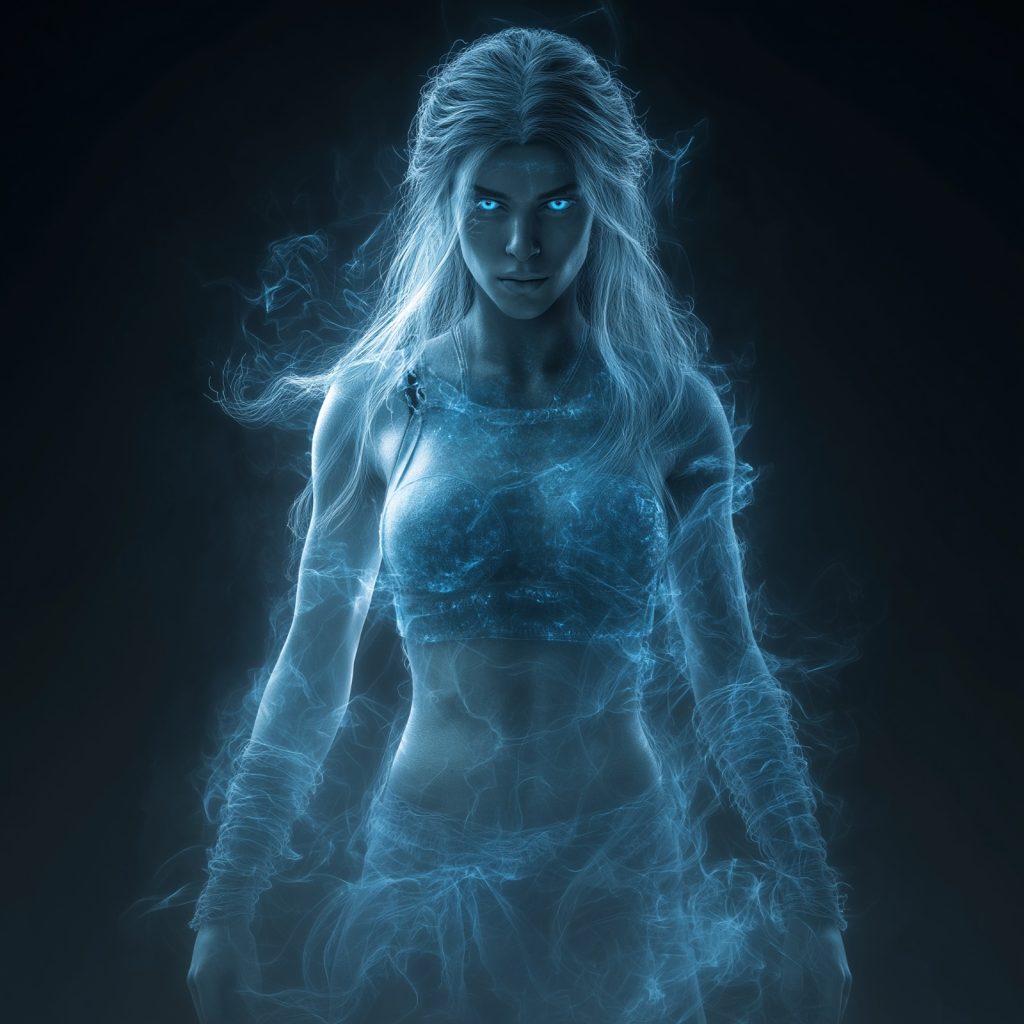
Daniel: Many artists speak about legacy later in their careers. When you look at The Lazz as a long-term body of work, what kind of legacy or impact are you hoping it leaves behind?
The Lazz: More than anything, I hope The Lazz leaves behind the idea that art can still be ambitious, introspective, and emotionally honest in an age that often pushes toward speed and superficiality. I wanted the project to encourage people to think, reflect, and maybe confront parts of themselves they normally avoid.
I also hope it shows that technology and human creativity don’t have to exist in opposition. The Lazz was built around the belief that evolving tools can still produce deeply personal and meaningful art when guided by a strong human vision.
Ultimately, if people walk away feeling like the music gave them not just entertainment, but an experience or a moment of self-reflection they carry with them, then I think the project accomplished what it was meant to do.
Daniel: Listeners who connect with “Observer” often seem drawn to both its emotional intensity and philosophical depth. What kinds of reactions or conversations from fans have resonated with you the most so far?
The Lazz: The reactions that resonate with me most are the ones where people connect to the song on a personal or introspective level rather than just describing the music itself. I’ve had listeners talk about feeling like “Observer” captured experiences of isolation, transformation, grief, awakening, or searching for meaning during difficult periods in their lives.
What’s especially rewarding is when people engage with the philosophical side of the song and bring their own interpretations to it. Some approach it through psychology, others spiritually, and others simply through emotion. I never wanted the music to dictate a single meaning, I wanted it to create space for reflection.
Those conversations mean a lot to me because they show the project is functioning the way I hoped it would: not just as entertainment, but as something immersive and thought-provoking that people can genuinely connect with on a deeper level.
Daniel: The Lazz creates music that challenges listeners mentally as much as emotionally. Have you noticed audiences engaging with the themes of self-awareness and transformation in the way you envisioned?
The Lazz: I think so, and honestly that’s been one of the most rewarding parts of the project. What surprised me was how many people connected with the themes emotionally first, then started exploring the deeper psychological or philosophical layers afterward.
I’ve had listeners reach out about concepts like the Shadow, identity, transformation, and self-awareness in ways that felt very personal to them. Some interpret the songs through Jungian psychology, others through spirituality or life experience, but the common thread is that they’re engaging with the music beyond the surface level.
That was always the goal with The Lazz, to create something that could hit with emotional intensity immediately, while still rewarding deeper reflection for listeners who want to explore further.
Daniel: “Observer” is part of a much larger conceptual universe. What can listeners expect from the remaining chapters of this four-part series and the future evolution of The Lazz?
The Lazz: The remaining chapters continue expanding both the psychological and cinematic scope of the series. “Observer” represents the threshold of awakening, but the later material explores what happens after that transformation, the conflict between transcendence, identity, power, and the darker aspects of human nature that still remain unresolved.
Musically, the project also evolves quite a bit. Some of the upcoming material becomes heavier, more aggressive, and rhythmically intense, while still keeping the melodic and atmospheric foundation that connects the larger universe together. “Observer” is part of Act 2, The Synchronicity chapters. Act 3 includes the songs “The Blackening”, “Iron Scale”, and “The Descent” (still recording this one). I’ve always wanted each chapter to feel distinct emotionally while still belonging to the same mythology.
More broadly, the future of The Lazz is about continuing to push the fusion of music, visual storytelling, philosophy, and hybrid-human production further. The goal is to keep building something immersive and evolving rather than staying confined to a single style or formula, thus why Act 3 is much darker and more aggressive than the first 2 acts.
Daniel: Looking ahead, are there any upcoming releases, visual projects, live concepts, or long-term ambitions you’re especially excited to bring to life under The Lazz’s name?
The Lazz: Right now, I’m working on finishing the music video for “The Blackening”, then I will start the video for “Iron Scale”. Both of these songs have been released. I’m also working on recording the 3rd song in Act 3 “The Descent”. You can find the concept for Act 3 on my website at thelazzmusic.com.
I’m especially excited about continuing to expand The Lazz into a fully immersive multimedia experience rather than limiting it to audio releases alone. The visual side of the project is becoming increasingly important, cinematic music videos, interconnected imagery, and narrative-driven visuals that deepen the mythology surrounding the songs.
Musically, the upcoming material pushes further into heavier and more dynamic territory while still maintaining the melodic and atmospheric identity of the earlier chapters. There’s also a stronger emphasis on duality and contrast in some of the newer work, both emotionally and vocally.
Long-term, I’d love for The Lazz to evolve into something that feels closer to a living artistic universe, where music, philosophy, visual storytelling, and emerging creative technology all continue evolving together. The goal has never been to stay static. It’s to keep building and exploring new creative territory with each release.
Having Had A Close Listen To This Philosophically Charged And Cinematic Metal Journey, Here Are My Thoughts On “Observer”.
Listening to “Observer” by The Lazz feels like entering a cinematic ascent where modern metal intensity merges with philosophical awakening and emotional transformation. From a personal perspective, the song unfolds as a journey set on a mountain at the edge of reality, where a seeker sheds fear, illusion, and ego to reach higher consciousness, and this narrative is carried powerfully through every musical and lyrical layer. The vocals stand out for their duality, shifting between gritty, grounded restraint in the verses and expansive, almost transcendent power in the choruses, mirroring the transition from internal struggle to spiritual clarity. Lyrically, the track explores deep metaphysical ideas of identity and creation, especially in lines like “I stop the struggle, I silence the breath… To witness the life in the center of death,” which reframes existence as something that must be consciously observed to be truly understood, while declarations such as “I am the Observer, the architect’s soul” emphasize the message of human agency within the universe. Instrumentally, the song balances crushing, distorted guitar-driven heaviness with melodic lift and cinematic atmosphere, where rhythmic bass weight and sharp percussion create a dense foundation that never loses emotional direction. The production enhances this scale with precise layering and subtle ambient textures, allowing the track to feel both vast and intimate at once, ultimately leaving a lasting impression of transformation, awareness, and creative power emerging from chaos.
~ Daniel (Dulaxi Team).
Finally to our audience, I urge to listen to “Observer”, add it to your playlist and be inspired by it and on behalf of Dulaxi I like to appreciate you all by saying thank you everyone, See you on our next interview.
For more information about The Lazz, click on the icons below.