
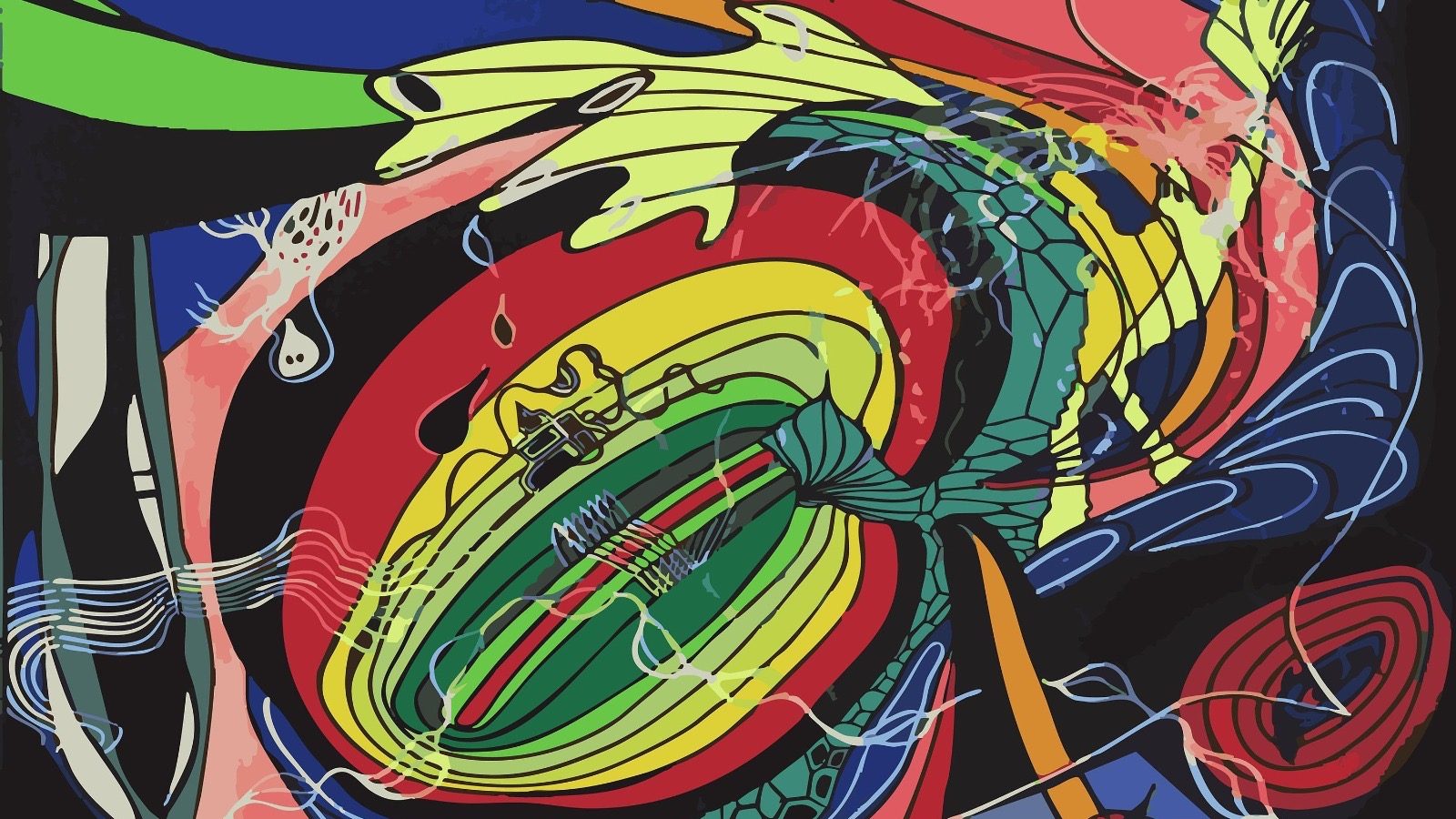
Hello everyone, it’s your host Oliver from DULAXI, and today I’m delighted to be joined by I Plead Irony, the England-based alternative rock project formed by long-time friends Rauf Jordan, Paul McDonald and Lawrence Arnold. Blending alternative rock with fringes of punk and blues, the band has spent more than two decades developing a musical relationship built around instinct, collaboration and a shared determination to make the best music they can. Their third album, This Monologue Conversation, was released on 4th September 2026 after an extraordinary ten-year journey from its beginnings to completion.
Before we begin our conversation with I Plead Irony, here’s what you need to know about today’s featured project.
About I Plead Irony
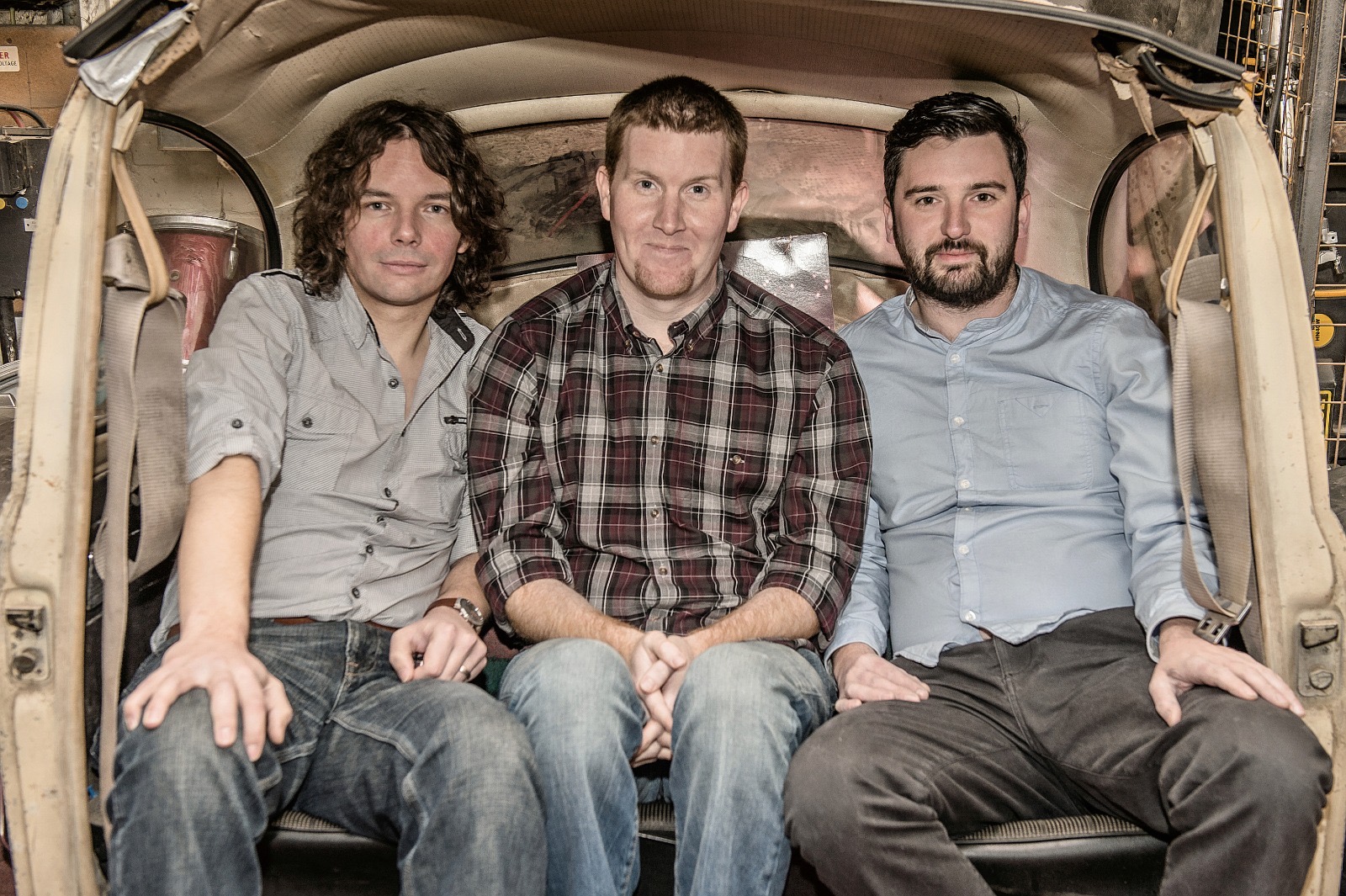
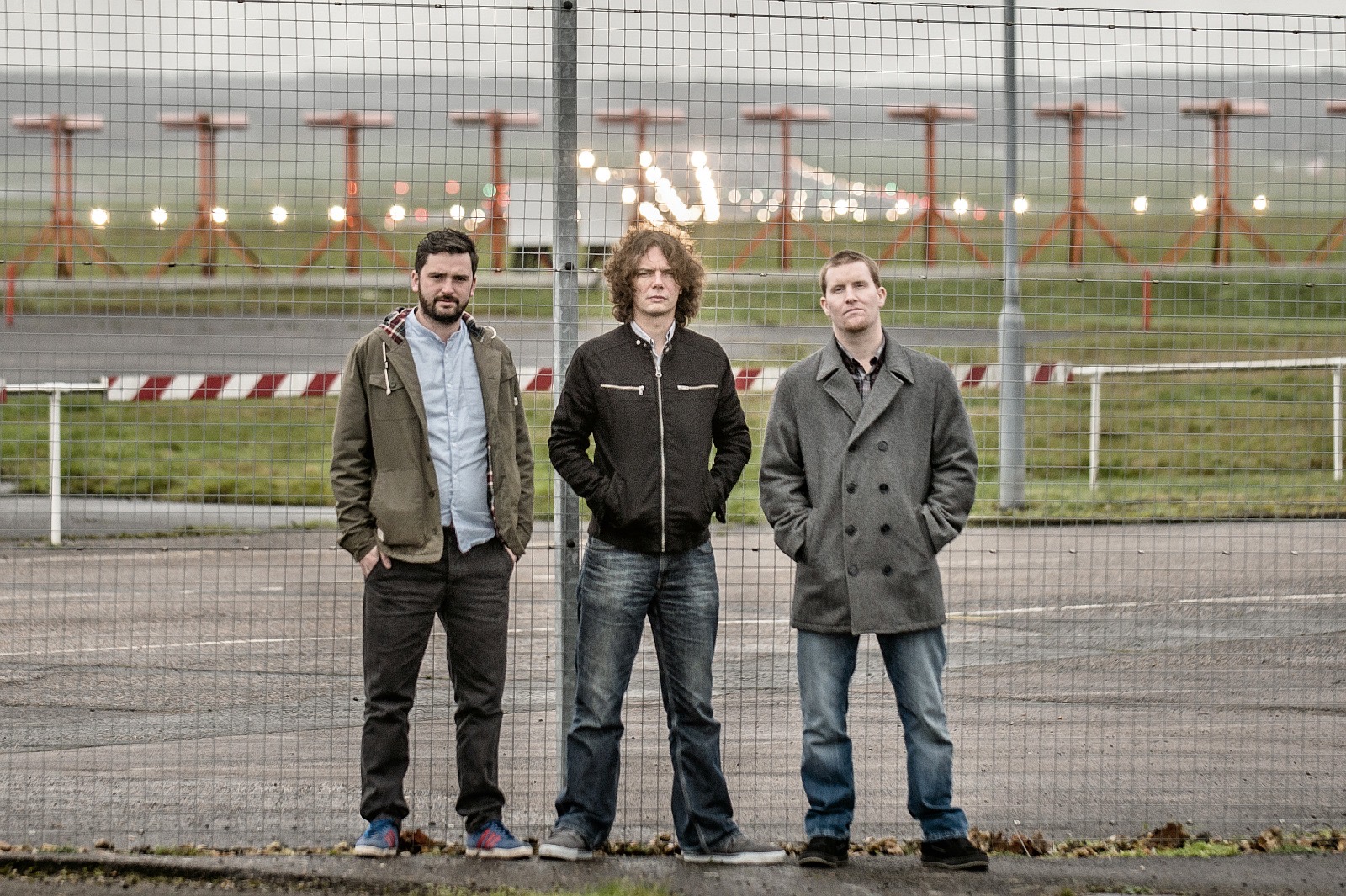
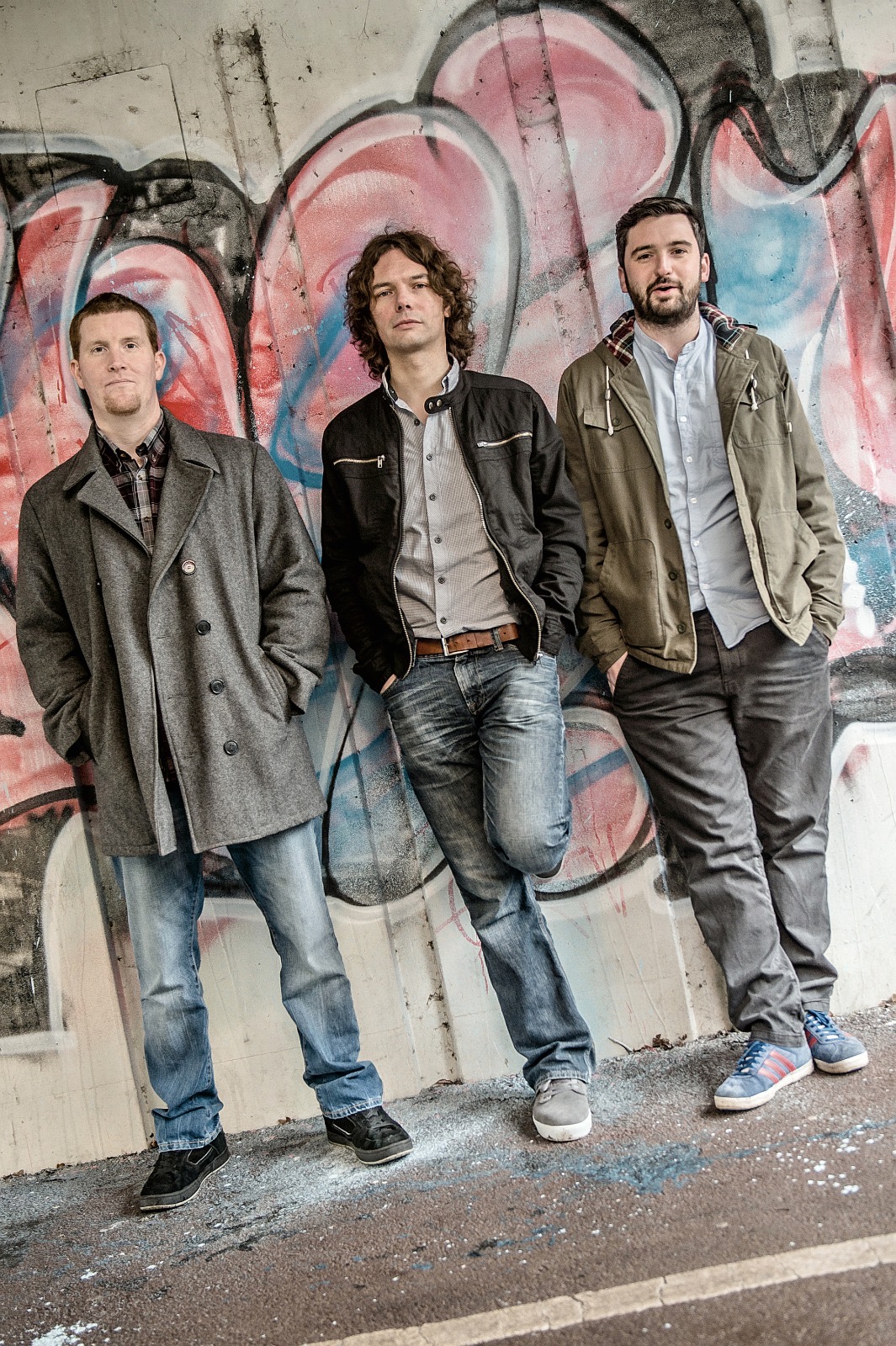
I Plead Irony is built around Rauf Jordan on bass and vocals, Paul McDonald on guitar and backing vocals, and Lawrence Arnold on drums and backing vocals. The three friends have been making music together in various forms since around 2004, including their time in The Fins, Ipanema and Atomic Garden, before I Plead Irony became the first band consisting entirely of the three of them.
Their approach to music has remained remarkably straightforward despite the depth of ideas that eventually find their way into the songs. An idea may arrive as little more than a verse and chorus before being taken into the rehearsal room, pulled apart, experimented with and rebuilt. The three musicians rely heavily on instinct and on a musical shorthand developed through years of playing together. If an idea does not excite them enough to return to it at the next rehearsal, it usually does not survive. The songs that remain become I Plead Irony songs.
That combination of friendship and creative instinct is particularly important to This Monologue Conversation, the band’s third album and their most prolonged recording journey so far. Following This Statement Is False and The Solution Is The Problem, the ambition for the new record was uncomplicated: make a better album than the previous one. For a while, that plan seemed to be working.
The band recorded drums, bass and some guitars with Guillaume Doussaud at Swan Sound Studio in France, while additional recording continued at Rauf’s home. Most of the album was completed, but backing vocals, overdubs, additional guitar parts and other finishing details remained. Then life changed the circumstances around the record. Lawrence began a new position involving extensive travel, making it harder for the band to get together, and the arrival of the pandemic eventually brought I Plead Irony to an extended pause.
The passage of time also changed the way some of the album’s songs were understood. Lyrics that had originally been written from personal perspectives began to take on wider meanings after the experiences of the pandemic. Inside The Lines, for example, had explored the constraints people create for themselves and how those limitations can become destructive. Returning to the song years later brought a new awareness of conformity, boundaries and liberty. History, meanwhile, had emerged in a more instinctive way, with its ideas around progress and repetition becoming increasingly striking as time passed.
These themes are central to This Monologue Conversation. Fear, conformity, ego, anxiety, self-imposed limitations and self-destruction appear throughout the record, but I Plead Irony rarely approaches them from a position of simply blaming others. There is an awareness that individuals can also contribute to their own limitations, making the album’s darker ideas more personal as well as social.
By 2025, Paul and Lawrence had been encouraging Rauf to finally complete the album. A separate recording experience with a fellow musician during 2024 helped bring some of the enjoyment of making music back, and the final pieces of This Monologue Conversation were eventually completed. Guillaume Doussaud then mixed and mastered the album, bringing recordings made across different periods and locations into a cohesive final record.
The eleven-track album also contains a final turn towards hope. Falling Upwards, the last song written for the record, deliberately moves away from some of the darker ideas that come before it. Its central idea is that progress does not always have to come through force or heroic effort. Sometimes love, connection and another person can provide the lift.
Having this brief introduction to today’s featured project, I’m sure both new listeners and longtime fans are excited to hear directly from I Plead Irony. So, without further ado, let’s begin today’s interview.
INTERVIEW SESSION
Oliver:
Rauf, Paul, and Lawrence have been making music together in different forms since around 2004, and I Plead Irony eventually became the first band built entirely around the three of you. After more than two decades of friendship and music, what has kept this particular relationship together, both creatively and personally, through all the changes in your lives?
I Plead Irony:
Real ale probably!…But seriously I think we have spent enough time together to know who we are and what our priorities are. But also to be able to lean into each other’s strengths and recognise what works and what doesn’t. I suppose you could say we don’t take ourselves too seriously, but we do take our music seriously.
Oliver:
You describe the band almost like a social club, where three friends can get into a room, set up, start playing, and rely on a musical shorthand developed over many years. What happens in those sessions that makes the chemistry between the three of you so difficult to reproduce with anyone else?
I Plead Irony:
We show up, we set up, we play and make music. There may be “sides” but they are irrelevant to the goal of making the best music possible. We understand exactly why we are in the room and what we need to do. AND we have fun…Because it is really just playing.
Oliver:
Your songwriting process seems deliberately instinctive rather than overly structured. An idea might arrive as little more than a verse and chorus, and you then pull it apart, experiment, jam, and rebuild it until it either becomes an I Plead Irony song or disappears. How do you know when a song has reached that point where you should stop changing it and trust what you have created?
I Plead Irony:
For a song that survives, we just know. Three people in a room, each of us not getting in the way of the other, it’s much easier when you aren’t doubling up on the instruments or sonic footprint. We all focus on what we can do with each of our skills to get the finish line. After all this time we know how to not get in each other’s way and I think we also know how to get to the point too. If no one mentions a song to work on in the next rehearsal, we know it doesn’t make the cut.
Oliver:
There is also a very democratic quality to the way you work, with little hierarchy or ego between the three of you. How important has that lack of ego been to the band’s longevity, and have you learned over the years how to challenge each other’s ideas without damaging the friendship underneath the music?
I Plead Irony:
We just try things out, really. If someone has an idea, we try it. We record all of our rehearsals so we can go back and listen to see if things work. In fact, it is probably over-engineered, as we mic up the bass, guitar and have a stereo mic for the drums. We also take a feed from the mixing desk for the vocals. It is not “studio quality,” but it helps. I have so many rehearsals on my computer at home; I imagine normal people going insane listening to those recordings…But it helps us, and it helps make sure we don’t forget things that happened and to see if it’s going to help the songs. The mistakes seem to always help to lead you on too.
Oliver:
The band’s name, your previous albums This Statement Is False and The Solution Is The Problem, and now This Monologue Conversation all revolve around contradiction and paradox. Why has contradiction become such a persistent part of the band’s identity, and what does it allow you to explore about people and the world that a more straightforward approach might not?
I Plead Irony:
The band’s name was a throwaway line from our tour bus driver when we were on tour with another band. He just came up with the line. I think he meant to say “I plead ignorance,” but he said “I plead irony” instead, and here we are. The first album name came from a conversation I was having with my brother about Gödel’s incompleteness theorem. He is much smarter than I am, but it got me thinking about the classic liar paradox and it just seemed to fit what the band was doing and how nothing is really ever fully provable; we are all just trying to make some sense of it all in our own way. Oddly, I feel that is even more apparent now after the events of the last few years and even more when considering the looming AI slop mountain.
Oliver:
This Monologue Conversation took ten years to complete, beginning as an almost-finished record before distance, Lawrence’s travelling commitments, and the pandemic effectively brought I Plead Irony to a halt. Looking back now, how strange is it to hear songs that began in one period of your lives after so much time has passed and so much has changed around you?
I Plead Irony:
What is strange is how something written over 10 years ago seems to have the same, if not more, resonance now. I like to think that we write songs that aren’t stuck in one period of time or phase, and I guess that we had to wait 10 years to see if that was true. Some things and feelings that we all experience are always there and always have been, I suppose.
Oliver:
The pandemic did more than interrupt the practical process of finishing the album. Watching the fear, hostility, and division that emerged during that period also led to a darker reflection on whether humanity has really progressed as far as we like to believe. How did that period change the way you understood the world, and how did that change affect the way you heard the songs you had already written?
I Plead Irony:
Personally, it just made me realise that what we have in the civilisation that we have now is very much taken for granted. It’s much more fragile than we think. That makes you think…It also makes you want to go to the pub.
Oliver:
“Inside the Lines” was originally written from a personal perspective about the constraints people create for themselves and the ways those limitations can become destructive. After the pandemic, those same lyrics seemed capable of describing conformity, boundaries, and liberty on a much larger scale. What was it like to realize that the meaning of a song could expand so dramatically simply because the world around it had changed?
I Plead Irony:
I guess it just goes to show that music is much larger and more mysterious than we know. Again, something we shouldn’t take for granted.
Oliver:
“History” appears to have taken a very different route into existence, almost writing itself rather than being deliberately constructed. When a song arrives with that kind of unusual sense of inevitability, how do you approach it as musicians, and what do you think allowed “History” to emerge in that way?
I Plead Irony:
It’s a strange one. The first verse is almost a reflection on how we are all stuck in a kind of history loop. What’s funny is how the band shaped the music on the second verse and choruses with subtle variations that just felt right. And then there is the middle- who doesn’t want to rock out? But to answer your question, I think it’s all just a matter of letting the music do the talking and getting out of the way of it.
Oliver:
Across the album, themes such as fear, conformity, ego, anxiety, self-imposed limitations, and self-destruction repeatedly appear, but the writing does not simply blame other people or society. Why is it important for I Plead Irony to turn the criticism back towards yourselves and acknowledge the ways in which individuals can also participate in their own limitations?
I Plead Irony:
Ultimately, I think the best thing we can do is realise that the only thing we can even half control is ourselves. Unfortunately, doing that is pretty damn hard. But in the end its more rewarding to make yourself a better person than just blaming anything and everything else forever. You have to pick yourself up and carry on.
Oliver:
The album was recorded across different places and different periods of the band’s life, with drums, bass, and some guitars recorded with Guillaume Doussaud at Swan Sound Studio in France and additional work completed at Rauf’s home. How did recording the album across those different environments affect the way the record developed, and what did Guillaume bring to the final version when he mixed and mastered it?
I Plead Irony:
Guillaume is a GENIUS! He has mixed all of our albums and I am so glad he did because they all sound fabulous because of it. Album 3 was the first time we actually met in person. We travelled to his studio in France and stayed there for a few days tracking stuff. It was a great experience that seems like a million years ago… Well, 8 years, I guess! I have always recorded the vocals at home…I thank my neighbour’s endless patience! Guillaume just seems to know what to do to make it work. It’s so comforting to know that you can hand everything over to him and you know it’s going to sound great!
Oliver:
There was a long period when the album was essentially finished except for backing vocals, overdubs, additional guitar parts, and the kind of small details that can keep a record in progress indefinitely. Why do you think this particular album became so difficult to finish, even though the core of it was already there?
I Plead Irony:
I think I just lost my faith in everything after 2020. Perhaps it was a type of depression, but it was more like a “what is the point?” of all this.
Oliver:
By 2025, Paul and Lawrence were pushing Rauf to finally complete the record, and the realization eventually came that the album might never exist publicly if you did not finish it. What finally changed at that point, and was there a particular moment when you collectively decided that these songs had waited long enough?
I Plead Irony:
Thankfully, a fellow musician friend asked me to do some recording for him over the course of 2024 and that helped pull me back into the fun of the music. Then it was just a matter of time to get the finishing touches. Paul and Lawrence had been nagging me for ages!
Oliver:
You have said that the simplest reason for finishing the album was that the songs were good and deserved to be heard. After spending so many years with these eleven tracks, what makes you believe they still represent something worth hearing now, rather than simply being a record from an earlier chapter of the band’s life?
I Plead Irony:
I think the songs are as fresh as the day they were written. That is the way any good songs should be.
Oliver:
The title This Monologue Conversation came from a phrase used by a whisky vlogger, and its literal contradiction immediately made sense for the band. How often do ideas, phrases, or contradictions that you encounter completely outside music find their way into the band’s creative world, and what made this particular phrase feel like the perfect title for this album?
I Plead Irony:
All the time! Writing lyrics is only fun when you have crazy word ideas to try and make sense of. Ralfy, that YouTube whisky vlogger, is quite a character in the whisky scene and he and whisky are great for inspiration! It just fit perfectly.
Oliver:
“Falling Upwards” was the final song written for the album and introduces a sense of hope after much of the record’s darker subject matter. The idea of falling upwards suggests that the change does not come from heroic effort or forcing yourself towards redemption, but from love and connection providing the lift. What does that idea mean to each of you, and why did you want the album to end with that particular kind of hope?
I Plead Irony:
Well, the song just before that, “Death by Internal Combustion,” literally ends on a musical heart attack, and I didn’t want that to be the last thing that anyone took away from the album. Falling Upwards is probably one of the most “out of our comfort zone” songs that we have ever written. The Mariachi band in the middle was Paul’s idea, although thinking about it now, he also mentioned that it should have some kind of bird of prey “kaaaw” noise at the end of that section. I think he was joking. But yes, I just felt we needed something to lift the album up at the end.
Oliver:
There is something fitting about an album that spent a decade being delayed ultimately becoming a record about progress, reversal, constraints, and the possibility of changing direction. Do you feel that the long journey of making This Monologue Conversation has actually become part of what the album means, rather than simply being something that happened around it?
I Plead Irony:
I suppose it’s impossible to say no. Certainly for the band there is no question. It has all been about the journey.
Oliver:
After making music together for more than twenty years, what have you learned about yourselves as individuals and as a band that you could not have understood when you first started playing together in The Fins, Ipanema, and Atomic Garden?
I Plead Irony:
In Paul’s words: After more than twenty years, I think one of the biggest things you realise is just how much you change as a person. Who you are when you first start playing together isn’t who you’re going to be twenty years later. Life happens, you go through different stages and experiences, and all of that inevitably finds its way into the music you make, not just in the sound that comes out, but in the way you work together as a band.
Twenty years is a long time, and people change. I think we’ve learned a lot about patience and perspective along the way, both individually and with each other. You get a better understanding of everyone’s strengths and of when to push something and when to just let it be.
Personally, I’ve learned to play to my strengths. If you’re good at something, embrace it and keep developing it rather than worrying too much about what you think you “should” be doing. Progress is important and you should always be looking for new ideas, but I’ve also learned that the most technical thing isn’t necessarily the best thing.
I might play a riff that’s only two notes, but if those two notes work better for the song than a riff with ten, I’ll take the two notes every time. Sometimes less really is more. When I was starting out, I don’t think that thought would even have entered my head.
Oliver:
Now that This Monologue Conversation has finally crossed the line from an almost-finished record into a completed album, what does the next chapter of I Plead Irony look like, and what would you like the band to still be exploring when the three of you eventually look back on this stage of your story?
I Plead Irony:
We are hoping to tour next year; we have three new songs for the potential album 4. I think the best thing for us to explore is not waiting so long next time!
“This Monologue Conversation feels like the sound of three friends refusing to let time, distance or unfinished business have the final word on music they still believed in.”
~ Oliver (DULAXI Team)
EDITORIAL PERSPECTIVE
There is something particularly compelling about hearing an album whose history is almost as long as the period between its beginning and completion. This Monologue Conversation carries the personality of musicians who have spent years learning when to push an idea, when to leave it alone and when to simply enjoy playing. Its contradictions are not limited to its title. Serious reflections sit beside humour, darker ideas meet moments of warmth, and a record delayed for years ultimately finds its way forward. The result feels closely connected to the friendship and creative trust at the centre of I Plead Irony.
~ Oliver (DULAXI Team)
CLOSING
Our conversation with I Plead Irony offers a fascinating look at what can happen when friendship, patience and a shared belief in the music survive a remarkably long creative journey. This Monologue Conversation is not simply a record that took ten years to complete. It is a snapshot of three musicians continuing to find meaning in making music together, even when life makes that process more difficult.
A sincere thank you to I Plead Irony for taking the time to speak with DULAXI and for sharing the stories, ideas and experiences behind the album. Their conversation adds another dimension to a record shaped by contradiction, reflection, humour, persistence and an enduring connection between three friends.
For readers discovering I Plead Irony for the first time, This Monologue Conversation offers an opportunity to experience the music alongside the story that brought it into existence. We encourage you to spend some time with the album and continue following the band’s journey as they look towards touring and the possibility of a fourth album.
Thank you for spending time with DULAXI and joining us for another artist conversation. We look forward to bringing you more interviews with musicians and creators from around the world.