
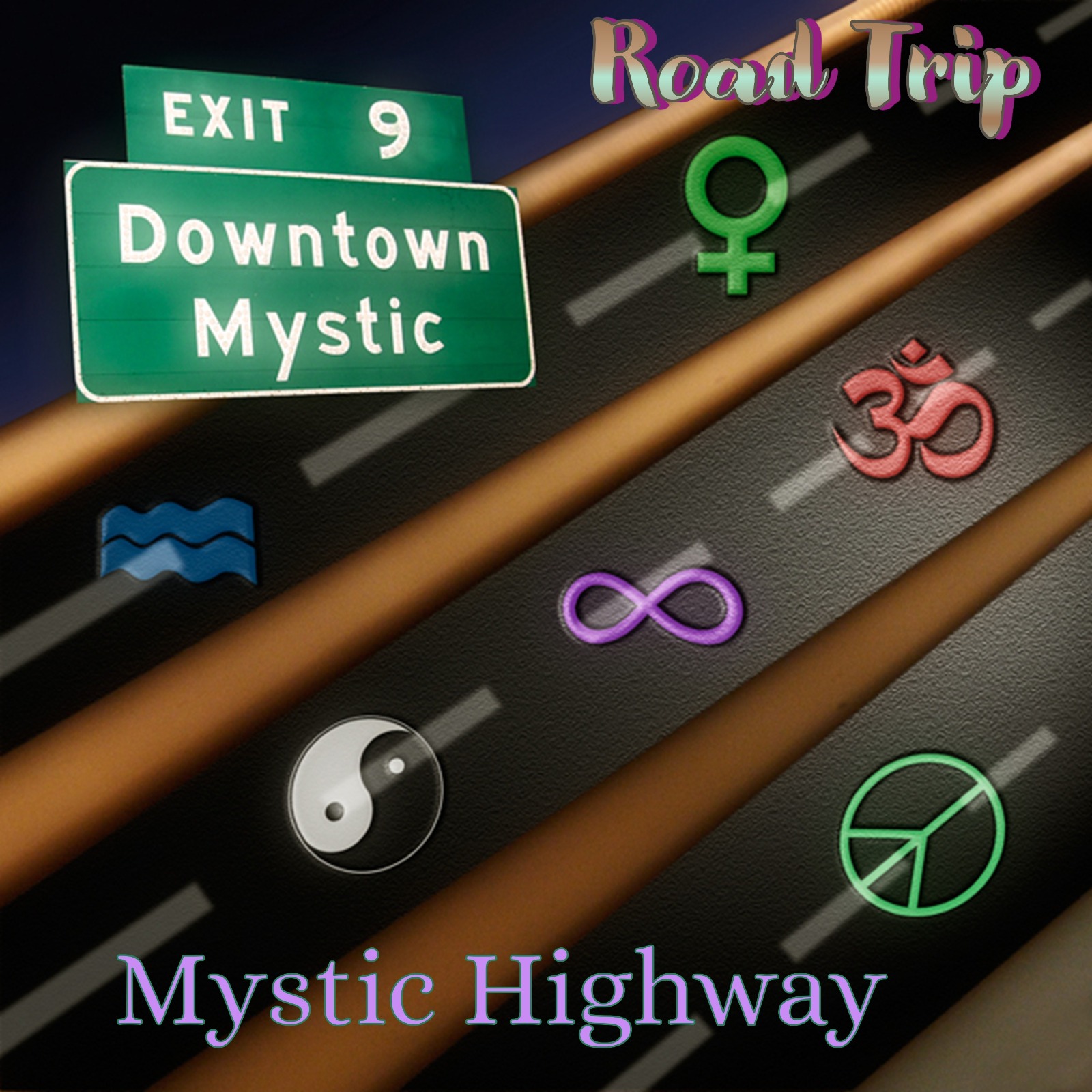
Hello everyone, it’s your host Oliver from DULAXI, and today I’m delighted to be joined by American rocker Robert Allen, the creative force behind DownTown Mystic, a project rooted in American rock and roll, roots rock, and classic rock traditions. Based in Toms River, United States, DownTown Mystic has developed a distinctive musical identity built around storytelling, vintage recording character, guitar-driven arrangements, and a contemporary sense of energy. Today, we are discussing the new EP, Mystic Highway Road Trip, released on July 10, 2026.
The six-track EP continues an exceptionally active period for DownTown Mystic, following releases including The Wish, Mystic Highway, and On E Street Remix. It also carries an unusual story behind its creation. The idea for Mystic Highway Road Trip came directly from reviewers who repeatedly described Mystic Highway as an ideal soundtrack for a road trip. Rather than simply accepting that observation as a compliment, Robert Allen turned it into the concept for an entirely new release.
Before we begin our conversation with Robert Allen, here’s what you need to know about today’s featured project.
About DownTown Mystic
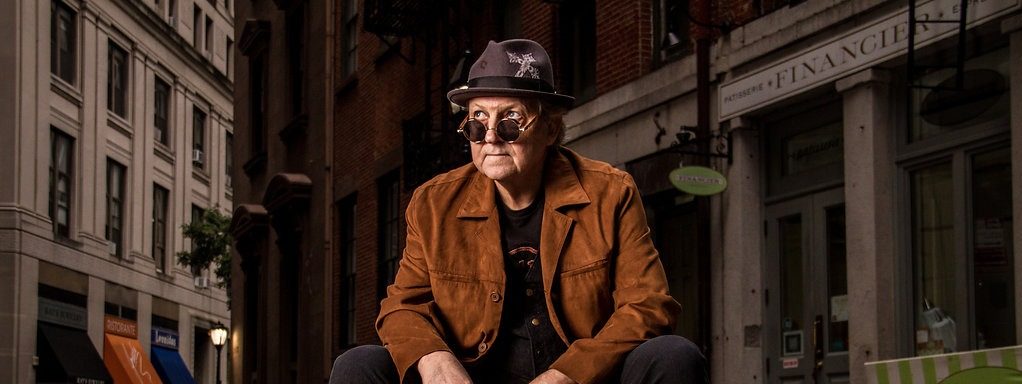
DownTown Mystic is the creative identity of American rocker, songwriter, and producer Robert Allen, whose approach to rock and roll is shaped by a deep appreciation for the records that first inspired him. Growing up with music constantly playing around him, Allen developed an early fascination with the energy, songwriting, performances, and sonic character of classic records. That foundation continues to influence the way he writes and records today.
His musical philosophy is built around a simple but demanding standard: quality. For Allen, a great record requires quality songwriting, quality performances, quality vocals, and a sound that immediately draws the listener in. That commitment has helped shape the “vintage yet modern” identity associated with DownTown Mystic. While the songwriting and musical influences come from the traditions of American rock and roll, the finished recordings are designed to exist in the present rather than simply imitate the past.
The music draws from the broader traditions of rock, roots rock, Americana, blues, and singer-songwriter music, with influences ranging from The Beatles and Buffalo Springfield to the wider legacy of artists such as Tom Petty and Bruce Springsteen. Allen’s fascination with classic records also extends into the recording process itself, where vintage equipment, analog techniques, and carefully considered production contribute to the character of the music.
DownTown Mystic’s recordings have also benefited from the contributions of an accomplished group of musicians. Mystic Highway Road Trip features drummer Steve Holley and bassist Paul Page, musicians with extensive experience working alongside major names in rock music. The wider DownTown Mystic catalogue has also included Max Weinberg and Garry Tallent of Bruce Springsteen’s E Street Band, further connecting the project to the lineage of American rock and roll.
The new EP brings together six songs designed as a complete listening experience. Among them are “Live,” featuring harmonica player Jerry Fierro, and “Losing My Mind,” featuring guitarist Lance Doss. The release also includes the previously unreleased unedited version of “Somebody’s Always Doin’ Something 2 Somebody,” featuring keyboard player Jeff Levine. “Superstar (To Sir Elton With Love Mix)” takes another unexpected turn, with a piano part inspired by Elton John’s distinctive rock and roll keyboard style.
DownTown Mystic’s music has also achieved considerable exposure through sync licensing, with the catalogue appearing in more than 250 television shows and films. Yet Allen’s creative process remains focused primarily on making the music he wants to make. That independence is central to the project’s identity and helps explain why the music can carry familiar rock traditions while still developing its own character.
Having this brief introduction to today’s featured project, I’m sure both new listeners and longtime fans are excited to hear directly from Robert. So, without further ado, let’s begin today’s interview.
INTERVIEW SESSION
Oliver:
Before DownTown Mystic became known for blending vintage rock traditions with a modern edge, there was Robert Allen growing up surrounded by the records and sounds that would later shape his creative identity. What were some of the earliest musical experiences that left a lasting impression on you and ultimately set you on this path?
DownTown Mystic:
The radio was always on in the house, so I was hearing music all the time from my earliest memories. The music would change. That change would be something called rock’n’roll. There was something new that was happening over the airwaves. It was like going from black and white to color. There was this energy that seemed to be everywhere. I loved it and soaked it in. I was singing in the street with my friends, teaching them background parts! LOL
Oliver:
You’ve often spoken about your deep appreciation for classic records and old-school recording techniques. What was it about those albums and artists from your formative years that continues to influence the way you approach music today?
DownTown Mystic:
Those records are all classics and they were the mainstream of the day. There was no underground. It was all music and the artists tried to be different from each other. They wanted their own sound. The records they made had to compete with everything out there, so it was the quality of their songs that would set them apart. That influenced the way I approached my music. I needed to find my own voice as a songwriter, and when I started recording, I needed to find my own sound.
Oliver:
Across decades in music, industry trends have constantly shifted, yet you’ve remained committed to creating songs rooted in authentic rock and roll craftsmanship. What personal values have helped you stay true to your artistic vision throughout that journey?
DownTown Mystic:
I realized that the thing that separated the “great” from the “good” was quality. There was the quality of the sound of the record. There was the quality of the song and the quality of the performance. The more I listened, the more I listened for all that in a record. The singer’s voice and delivery had to be immediate for me, otherwise I wasn’t invested. These are the things I’ve carried forward with my own recordings.
Oliver:
The phrase “vintage yet modern” has become closely associated with the DownTown Mystic sound. How would you personally define that balance, and why has it become such an important part of your musical identity?
DownTown Mystic:
I’m the guy who came up with that phrase to describe my music in 3 words. My style is “retro” because of my background, but the sound of my records is right now—vintage yet modern. The sound is deliberate because it separates me from the pack, which is not easy to do in this day and age. All those records that I listened to set a high bar and I try to be equal to them. That’s a bit crazy but why not? The quality of my records is constantly lauded by the reviewers, so that high bar has paid off.
Oliver:
Your influences seem to draw from the storytelling traditions of American rock while embracing the energy of artists like Tom Petty, Bruce Springsteen, Buffalo Springfield, and Rockpile. Which elements from those musical legacies resonate most strongly with you as a songwriter?
DownTown Mystic:
I’ve been a Beatles fanatic since I first heard them. They constantly evolved and took the rest of the music world with them. Can you imagine hearing Rubber Soul, Revolver and Sgt. Pepper when they were released? My mind was blown with every release. Their records also sounded amazing. So The Beatles were it for me and I judged everything I heard against them. When I heard Buffalo Springfield, I was taken by how good their records sounded. I compared them to The Beatles and as far as I was concerned, these guys (Stephen Stills, Neil Young, Richie Furay) could compete. I mean I loved The Stones, but the sound of their records was 2 nd class. The songwriting in Buffalo Springfield was strong and that made an impression. For some reason, I never thought of them as an LA band, like The Byrds.
Oliver:
One of the most fascinating aspects of Mystic Highway Road Trip is that the idea reportedly grew out of insights shared by reviewers who repeatedly described your music as the perfect soundtrack for a road trip. What was your reaction when you realized listeners were experiencing your music in a way you had never originally envisioned?
DownTown Mystic:
I thought it was really cool and it made sense. I did call the release Mystic Highway, right? The cover shows an exit sign on a highway, so it’s all there. But I was still surprised by the consistency of the road trip idea in the reviews and that made me realize how much playlists dominate listening habits today. The reviewers were saying it was a great playlist for a road trip and that was an eye opener for me. Why not create a summer playlist for a road trip?
Oliver:
Rather than simply repackaging existing material, Mystic Highway Road Trip feels like a celebration of freedom, movement, optimism, and classic summer adventures. What story or emotional experience were you hoping listeners would have as they journey through the EP?
DownTown Mystic:
I wanted to give them something to think about. If you’re on a road trip driving in your car, you have time to listen and think, right? I’m making music for the time we live in, and not a lot of the music out there gives you something to think about. I want to give out a positive vibe, so that on a subconscious level, the listener gets a good feeling. Maybe it makes them want to hear it again and pay closer attention to the lyrics. Rock’n’roll is a great medium to do that. It has to groove so that the listener can’t help but react to it. There’s an energy there. It’s my energy and I want the listener to feel it.
Oliver:
The title itself instantly creates vivid imagery of open roads, endless horizons, and music playing through car speakers. What does the phrase Mystic Highway Road Trip represent to you on a deeper personal level?
DownTown Mystic:
It’s something out of the ordinary. Mystic Highway sounds like a place where the material and the spiritual co-exist. That sounds like a description of the reality I exist in. With the Mystic Highway release last year, I created a sound and environment I could visit on a regular basis. If you ride on the Mystic Highway you will experience things you weren’t expecting. That’s exciting to me.
Oliver:
Several tracks on the EP carry messages of hope and positivity during uncertain times. In a world that often feels divided and overwhelming, why is it important for you to continue creating music that encourages optimism and connection?
DownTown Mystic:
Because we’re all in this together. I know that the people who need to hear this music will. I also know that I’m putting something in the universe that’s from positive energy and that creates Good Karma for me.
Oliver:
Songs like Live and Losing My Mind bring different emotional textures to the project while still fitting naturally within its overall atmosphere. How did you approach selecting the six tracks that would ultimately define this particular release?
DownTown Mystic:
One of the main reasons for the release was Losing My Mind. I wanted to put it out to coincide with the 250 th birthday of the USA. It could be considered a political song but I didn’t want to highlight it that way. I just wanted people to hear it and make up their own mind. Again, the idea of a playlist hit me, and I wanted to make something with a rhythm to it. Superstar is a great opener, being up-tempo and Live brings it down a notch. The rest of the songs follow that pattern. The overall theme is about the things we all experience along with a certain optimism in the face of that.
Oliver:
Your songwriting has always balanced strong narratives with memorable melodies. When developing material for Mystic Highway Road Trip, how did you ensure the songs would work both as individual stories and as part of a larger listening experience?
DownTown Mystic:
Most of the songs were written during the covid pandemic and there’s an uncertainty about them. Uncertainty is something we all face. As I said earlier, I want to give the listener something to think about. We all think about ourselves and that’s what these songs are about. Listeners can’t help but relate the lyrics to themselves. I try to infuse them with something positive so listeners can feel something good. I think it helps to cut through a bit of the uncertainty, and on a subconscious level, allows the listener to relax and get more into the music.
Oliver:
The EP features contributions from an impressive lineup of musicians, including Steve Holley, Paul Page, Lance Doss, Jerry Fierro, and Jeff Levine. What did each of these collaborators bring to the sessions that helped elevate the final recordings?
DownTown Mystic:
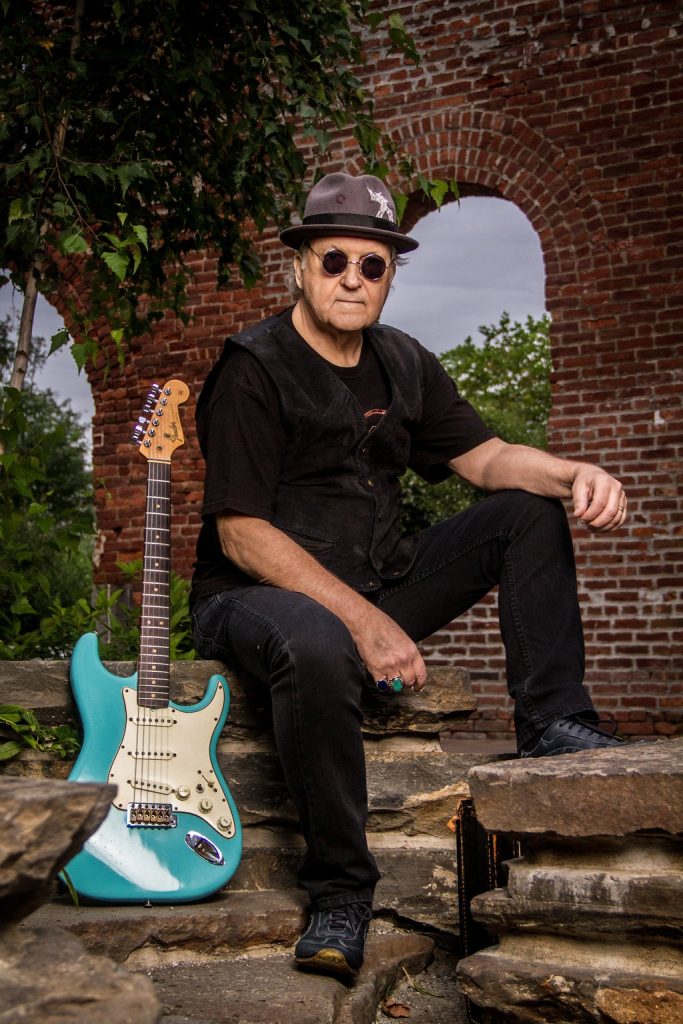
They’re all great musicians and each one brings their own style of playing and experience. I know what I’m looking for from each of them. I’ve worked with Steve Holley and Paul Page for years and I know what they’re going to bring to the studio. I’m counting on it! Steve Holley is one of the great drummers of all time, period! We butt heads from time to time but who better to do that with? He’s such a lovely cat. His playing partner, Paul Page, is a great bass player. He brings a certain energy to a session. He’s very upbeat and excited to show me his ideas for the songs. Paul and Steve are like a single organism when they play together. I love watching them. How lucky am I?
I knew I wanted a killer harmonica part for Live, so Jerry Fierro was my choice because I know what he’s going to give me, and he delivered like the champ he is (Jerry’s won numerous harp championships). On Losing My Mind I needed a guitar part to carry most of the load and I was lucky to have Lance Doss to do it. He’s a guitar player’s kind of player and he delivered big time for me. I had not worked with Jeff Levine before, but Steve Holley had when they were backing Joe Cocker. When I was looking for a keyboard player, Steve recommended Jeff.
Putting a piano on Superstar was an afterthought. He was putting his organ part down on Somebody’s Always Doin’ Something 2 Somebody and then his moog bass line. I asked if he wanted to try a piano part, so he goes out into the studio and starts playing a Leon Russell kind of style, which I love! He lays down a few parts and now I’m thinking about Superstar. It was always a guitar song, but I was listening to Steve Holley’s drums to start the solo part and Elton John popped into my head. So I ask Jeff to try a piano part on Superstar and think Elton’s Saturday Night’s Alright For Fighting. Jeff does a great Elton type of piano and by the time I’m done mixing, I had no choice but to call it the To Sir Elton with Love Mix.
Oliver:
Recording at the legendary Shorefire Studios with Joe DeMaio and later having the project mastered by Leon Zervos created a team filled with experience and musical pedigree. What were some of the most memorable moments from the recording and production process?
DownTown Mystic:
I started at Shorefire when Garry Tallent was a co-owner. I had moved from North Jersey and was only a half hour away from the studio. Why not give it another shot? They still had some of the mics I had given to Garry when I was working with him and Max. Joe DeMaio bought the studio after Garry left for Nashville. It was an interesting experience working with Joe. The engineer is a big deal when you’re recording. Probably the biggest deal. He can make or break the session. Joe’s an old pro who knows what he’s doing. I knew I was in good hands. Plus, he’s also a guitar player, which I like in my engineer.
The most memorable time was on Shadow Walk. I wasn’t quite sure about what I wanted to add to the track. There was a solo and I didn’t really have something for it. I asked Joe if he could create a slide part for the solo and he said he could. I get an email with an MP3 of his part after he records it to get my input. It sounds great! Solo solved, but there’s the whole outro I need to put together. I took my 1968 Gibson SG into the studio with me because I just had it set up. It’s very similar to the one that Eric Clapton played in his Cream Days. I’m putting some tracks down and I need something to take the song out on. I handed the guitar to Joe, and he starts playing Clapton riffs ala Cream. It sounds great and I said even Clapton doesn’t play like that anymore. Joe laughs and nods. I told him to try something like that, and he took it from there. He totally nails it!
Oliver:
As someone whose passion for analog recording borders on obsession, how do you navigate the balance between preserving the warmth and character of traditional recording methods while still delivering music that feels relevant to contemporary audiences?
DownTown Mystic:
I think it’s all about quality…the quality of the songs, the performance, the sound, the whole package. I never think about traditional or modern recording. I just do what I do and let the engineer get the sound. It just happens that I have vintage equipment and the studio is loaded with it, so there will be a vintage sound. I let the music do the talking and that’s what I deliver to the audience. They decide if they like it or not.
Oliver:
The previously unreleased unedited version of Somebody’s Always Doin’ Something 2 Somebody offers listeners a different perspective on a song they may already know. What made this the right moment to share that version with the world?
DownTown Mystic:
I had been waiting for a good time to release the full version. Since the single had been on Mystic Highway it felt like the right time to do it.
Oliver:
Following releases such as The Wish, Mystic Highway, and On E Street Remix, how do you feel Mystic Highway Road Trip reflects your evolution as a writer, producer, and artist compared to previous chapters of your career?
DownTown Mystic:
For me it’s the obvious evolution of everything I’ve been doing. It takes my kind of rock in a slightly new direction from where I’ve been. You can hear the music evolving with each release, particularly the production. I can hear it and I think the reviewers certainly hear it as well as College Radio. Things just seem to keep getting better with each release.
Oliver:
Your music has appeared in more than 250 television shows and films, making you one of the most successful sync-licensed artists in rock. How has that achievement influenced your understanding of songwriting and the universal qualities that help songs connect across different mediums?
DownTown Mystic:
I’m not sure because I’m not writing for something specific like a film or TV show. The songs are what they are. I think it’s been my production that’s changed and evolved into something larger which feels cinematic. I don’t think sync-licensing had anything to do with it.
Oliver:
Listener feedback played an unexpected role in inspiring this release. What have you learned over the years about the relationship between artists and audiences, and how important is that dialogue to your creative process?
DownTown Mystic:
I think an artist should be open to their audience. It’s always great to hear their feedback. As far as the creative process goes, I agree with Rick Rubin. He says the artist should only make the music they want to make, without any consideration for an audience or marketplace. That’s what attracts the audience in the first place. I know that when I’m working in the studio, I’m only thinking about what I want to do, making the music I want to make without any outside consderations.
Oliver:
When someone finishes listening to Mystic Highway Road Trip from beginning to end, what do you hope stays with them long after the final song fades out?
DownTown Mystic:
I always try to create a vibe with my music and that’s what I hope the listener gets when they listen. I want them to feel the music in their body. When they finish listening to Road Trip, I hope I’ve given them some things to think about, and it leaves a positive effect on them. This way they’ll keep coming back to it.
Oliver:
Looking ahead, what new roads are you excited to explore creatively, and what kind of legacy would you like DownTown Mystic to leave within the tradition of American rock and roll?
DownTown Mystic:
Looking ahead, I‘ve got some new things that might surprise some people. I don’t think they’re what people might expect, but at the same time, it’s definitely DownTown Mystic. As far as a legacy goes, I hope that I contributed to keeping the spirit of American rock’n’roll alive. It would be great to have been an inspiration for the next generation to carry it forward. How cool would that be?
“Mystic Highway Road Trip turns an unexpected observation from the reviewing community into something much more personal: a musical journey where classic rock instincts, restless curiosity, and a genuine belief in positivity meet on the open road.”
~ Oliver (DULAXI Team)
MY EDITORIAL PERSPECTIVE
What stayed with me most about Mystic Highway Road Trip is the sense that Robert Allen is less interested in recreating a particular era than in carrying forward the standards that made those records matter to him in the first place. The arrangements leave room for the musicians to contribute personality, while the production gives the songs a defined sonic identity. More importantly, the conversation reveals an artist who still approaches rock and roll with curiosity, discipline, and a desire to make listeners feel something beyond the immediate moment.
~ Oliver (DULAXI Team)
CLOSING
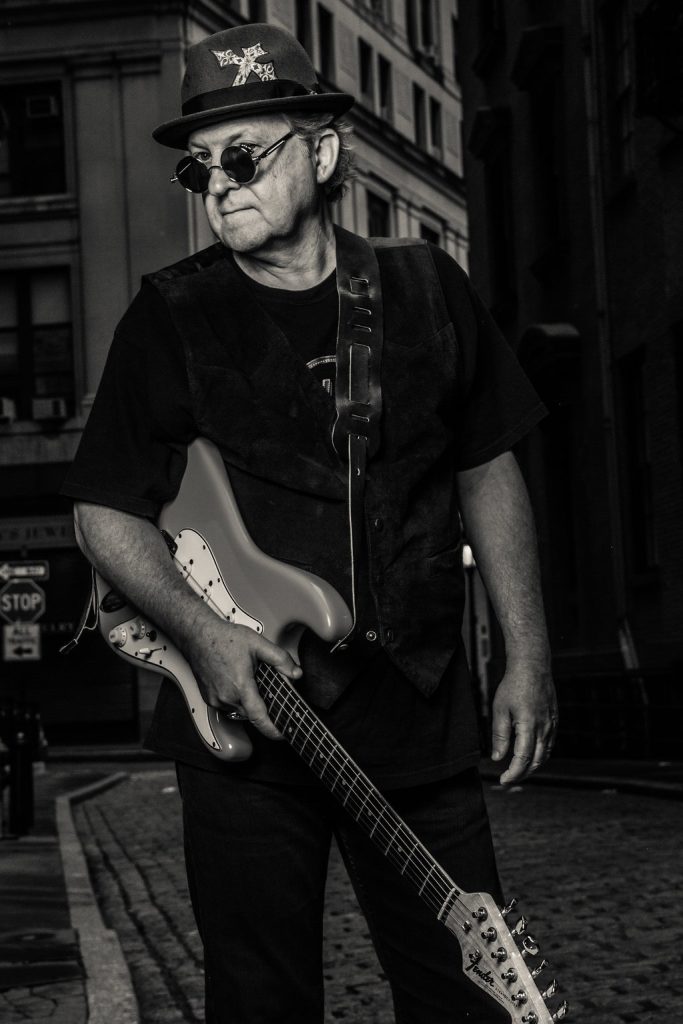
Our conversation with DownTown Mystic offers an insightful look into the creative mind behind DownTown Mystic and the ideas that shaped Mystic Highway Road Trip. From the unexpected influence of reviewers to Allen’s lifelong relationship with classic records, the EP emerges from a creative process that values quality, individuality, musicianship, and the freedom to follow an idea wherever it leads.
There is also something fitting about an EP inspired by the idea of a road trip becoming a reflection on life itself. DownTown Mystic’s songs leave room for listeners to bring their own experiences, questions, memories, and emotions to the journey. Whether experienced from beginning to end or discovered one track at a time, Mystic Highway Road Trip offers another chapter in DownTown Mystic’s continuing relationship with American rock and roll.
Thank you to Robert Allen for taking the time to speak with DULAXI and for sharing such detailed insight into his music, collaborators, recording process, influences, and creative philosophy. We encourage readers to spend some time with Mystic Highway Road Trip and discover the journey for themselves.
And to everyone reading, thank you for spending part of your day with DULAXI. We hope this conversation gave you a deeper understanding of the person and creative vision behind the music. Until our next interview, keep listening, keep discovering, and keep following the artists who continue to give music new places to go.