
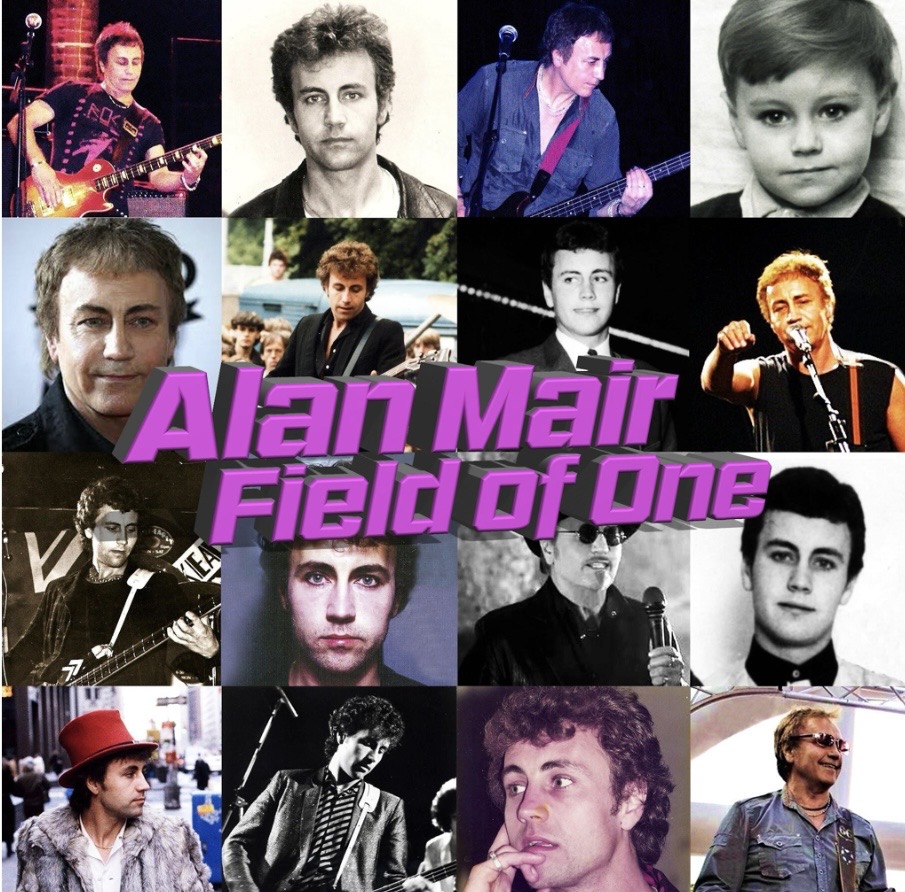
Alan Mair’s “FIELD OF ONE,” released on 03 Aug 2026, brings together classic rock instincts, alternative songwriting, and contemporary production across a twelve-song album shaped by reflection, regret, personal choices, and the turning points that define a life. Written, sung, and produced by Mair, the record places his distinctive voice and musicianship at the centre while drawing additional colour from Zal Cleminson’s lead guitar and Paul Rabigar’s keyboard contributions on selected tracks.
FIELD OF ONE Album Tracklist
Nothing Is Impossible
“Nothing Is Impossible” introduces a brighter side of the album with an uplifting arrangement built around a clean, infectious guitar motif, crisp acoustic rhythm guitars, buoyant basslines, and a lively drumbeat. Mair’s vocal performance is especially warm and melodic here, moving into higher registers with smooth transitions that reinforce the song’s encouraging tone. Paul Rabigar’s organ-style keyboard pads add an organic classic rock quality, while the bass remains active beneath the guitars and drums.
As the track progresses, layered harmonies, bass counter-melodies, bright guitar fills, tambourine accents, and ringing acoustic chords steadily increase the rhythmic energy. The production keeps these elements clearly separated, allowing the individual details to remain audible without overcrowding the arrangement. The joyful vocal refrain and energetic rhythmic crescendo give the track a celebratory finish, making it a particularly hopeful moment within the album.
Stairway To Hell
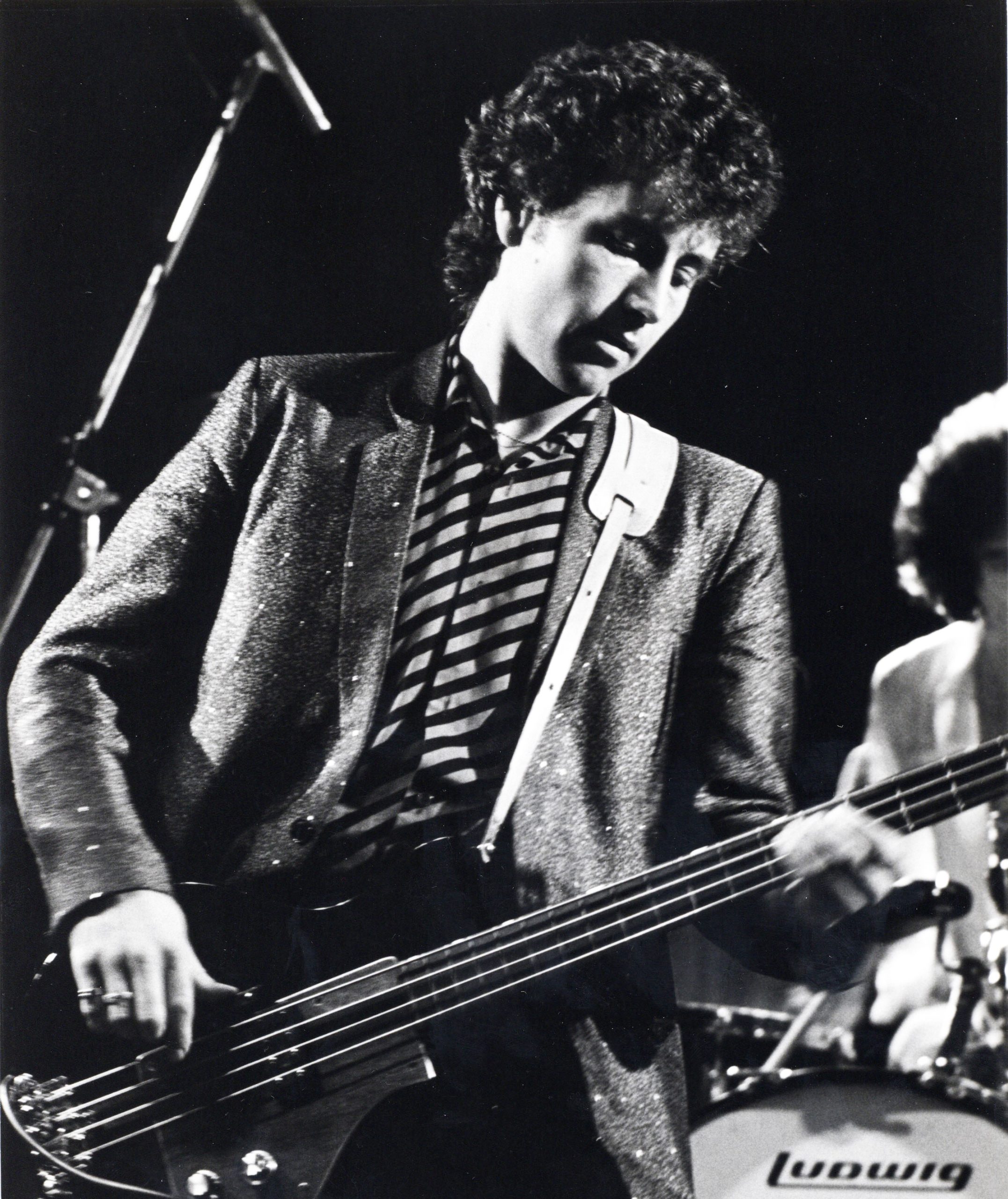
“Stairway To Hell” takes the record into darker territory, using historical narrative and intense commentary to shape its musical identity. It opens with an ominous acoustic guitar riff in a minor key before heavier distorted guitars enter alongside Mair’s punchy bass and precise drumming. His crisp, resolute vocal delivery gives the verses a firm narrative quality, while the bass provides a strong melodic presence beneath the steady, marching rhythm.
Zal Cleminson’s guitar becomes increasingly prominent as the arrangement progresses, shifting from rhythmic support into soaring lead passages marked by sustained notes, expressive pitch bends, and blues-rock phrasing. Subtle synthesizer elements sit behind the core instrumentation, while the contrast between restrained acoustic passages and full-band amplification creates pronounced changes in intensity. By the conclusion, the percussion, bass, and fiery guitar work converge with considerable force.
How Could I Let This Happen
“How Could I Let This Happen” is one of the album’s most introspective performances, beginning with a subtle bass drone and steady brushwork that leave considerable space around Mair’s low, deliberate, near-spoken vocals. Muted guitar swells and sparse lower-register piano chords gradually surround the vocal, reinforcing the song’s sense of disbelief and regret without distracting from the central performance. The restrained opening gives Mair’s delivery an intimate authority.
The arrangement eventually expands into a more forceful rock section, with Zal Cleminson introducing sharp, blues-infused guitar lines against the pulsating bass. Layered vocal harmonies and sustained electric chords broaden the chorus, while the rhythm maintains the song’s hypnotic quality. Rather than offering a complete resolution, the closing section fades through a repetitive rhythm and lingering guitar feedback, leaving the regret at the heart of the song deliberately unresolved.
Four Winds
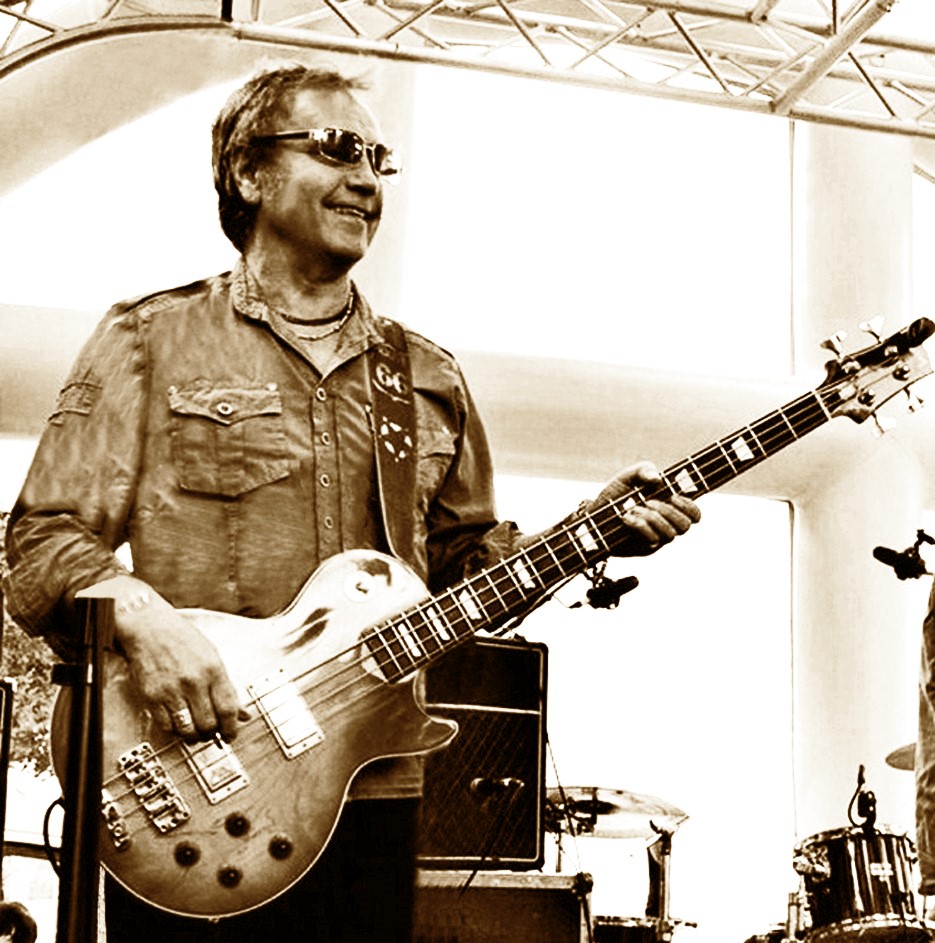
“Four Winds” brings a folk-rock warmth to the album’s closing stages, opening with layered 12-string acoustic guitars whose intricate fingerpicking establishes a rolling rhythmic pattern. Mair’s close-miked vocal sits naturally within the arrangement, delivering poetic storytelling with a gentle, resonant quality. Minimal percussion, soft cymbal sweeps, and restrained kick-drum taps preserve the openness of the introduction while allowing the guitars to remain central.
Subtle bass, keyboard pads, and ambient electric guitar lines gradually broaden the arrangement, with shifts between minor and major cadences reflecting ideas of nature, time, and transition. The instrumentation builds toward an expansive finale, where soaring guitar fills intertwine with Mair’s melodic vocals before the record returns to its solitary acoustic pattern. That circular ending provides a peaceful resolution to the album’s final track.
Across FIELD OF ONE, Mair’s vocal delivery remains one of its defining strengths. He moves naturally between low, conversational passages and soaring upper registers, with vocal harmonies adding further variation to the arrangements. The record repeatedly contrasts darker, brooding sections with brighter major-key moments, while wide stereo separation, subtle vocal delays, and carefully placed room reverb keep the instrumentation and vocals clearly defined.
The bass is particularly important to the album’s identity, functioning not simply as rhythmic support but as a melodic driving force alongside punchy kick drums and industrial-tinged percussion. Guitars alternate between heavy crunching riffs, sharp rhythmic phrases, clean electric arpeggios, and resonant 12-string acoustic parts. Cleminson’s lead contributions provide another important dimension through sustained solos, expressive pitch bends, and retro blues-rock phrasing, while Rabigar’s keyboard work adds organ, synth, and cinematic qualities where used.
“FIELD OF ONE turns life’s regrets, choices, and turning points into a deeply personal alternative rock statement about looking back, moving forward, and accepting the moments that shape who we become.”
~ Oliver (DULAXI Team).
Ultimately, “FIELD OF ONE” reflects Alan Mair’s enduring relationship with rock while presenting a distinctly personal solo statement. His history with The Beatstalkers and The Only Ones provides important context, but the album places his own songwriting, vocals, bass playing, production, and multi-instrumental work firmly at the forefront. With Zal Cleminson’s expressive lead guitar and Paul Rabigar’s selected keyboard contributions complementing that foundation, Mair creates a record that connects classic rock craftsmanship with reflective alternative songwriting.