
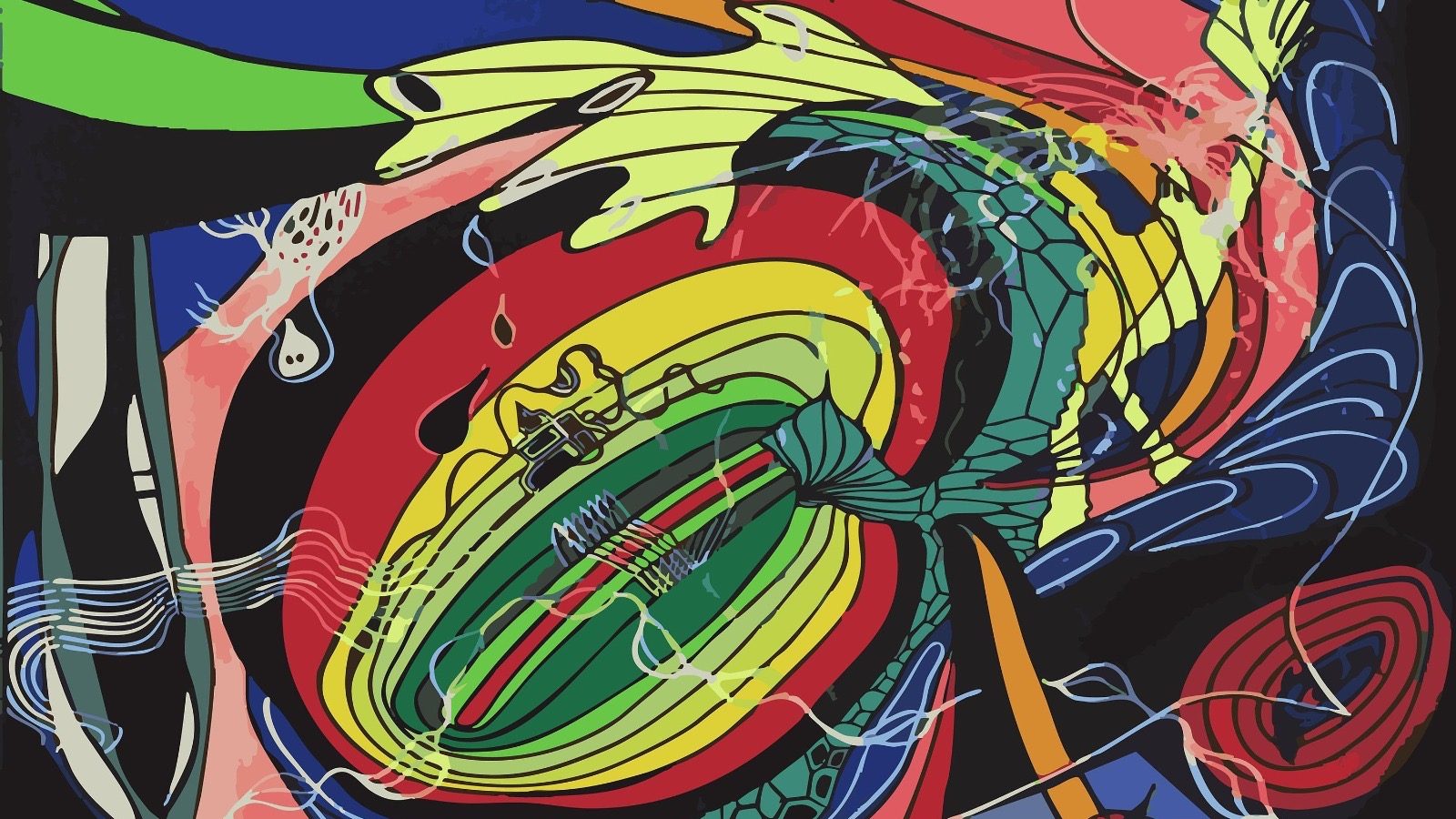
Released on 4th September 2026, “This Monologue Conversation” marked the third album from England-based alternative rock band I Plead Irony. Ten years in the making, the record represented a long-awaited return for three musicians whose friendship, creative instincts and shared love of music carried them through distance, a pandemic and years of unfinished work. Across eleven tracks, the album explored the contradictions of human existence, balancing darker reflections on fear, conformity and self-destruction with dry humour and moments of unexpected hope. The album’s title continued the band’s fascination with paradox, presenting a phrase that deliberately challenged its own meaning.

I Plead Irony approached alternative rock with punk and blues influences, creating a sound that allowed serious ideas to coexist with an unmistakable sense of personality. Their music drew strength from the tension between weighty subject matter and the band’s playful outlook. Rather than presenting its themes with unnecessary solemnity, “This Monologue Conversation” embraced irony as both a creative identity and a way of examining the world. The record explored personal limitations, identity, ego and the uneasy relationship between progress and reversal. “Inside the Lines” reflected on the constraints people create for themselves and how those boundaries can become destructive, while “History” considered humanity’s progress and the possibility of repeating past behaviours. These themes gave the album a thoughtful depth, encouraging listeners to consider both personal responsibility and wider human experiences.
This Monologue Conversation Album Track Reviews:
Architect Effect:
“Architect Effect” opened I Plead Irony’s “This Monologue Conversation” with a powerful display of raw energy and instrumental chemistry. Rauf Jordan’s heavy, gnarly bassline established a dark foundation, while Lawrence Arnold’s aggressive kick-and-snare patterns drove the rhythm forward. Paul McDonald’s jagged, distortion-heavy guitar riffs added alternative rock crunch and a sharp punk edge, creating an engaging instrumental atmosphere. As the track progressed, its arrangement balanced intense bursts with moments of melodic restraint. Jordan’s gritty lead vocals delivered the verses with commanding presence, while McDonald’s backing harmonies added texture to the chorus. The song’s shifting dynamics moved between tight, riff-driven passages and expansive sections filled with feedback-tinged guitar textures. The closing climax brought the trio’s chemistry into full focus, with volatile drumming, throbbing bass and a searing, blues-infused guitar solo. Its abrupt ending, followed by lingering amplifier hum, left a striking introduction to the album.
Inside The Lines:
“Inside The Lines” offered a dynamic exploration of self-imposed limitations and societal conformity, beginning with Arnold’s distinctive shuffling drum pattern. Jordan’s low, moody vocals entered over a brooding bassline, creating an intimate atmosphere while McDonald’s subtle guitar textures supported the rhythm. As the song developed, its restrained opening gradually gave way to a powerful chorus. Heavy guitars swelled alongside the rhythm section, while Jordan shifted from low-register crooning into passionate melodic belting. McDonald’s thick, overdriven chords and crisp backing harmonies added further strength to the hook. The closing instrumental breakdown highlighted the trio’s chemistry, with Arnold introducing syncopated drum accents while Jordan maintained a heavy bass pulse. McDonald’s atmospheric guitar lines, shaped by pitch-bending and delay effects, created additional depth before the arrangement gradually returned to its central groove. Its fading conclusion preserved the song’s underlying tension, leaving a lingering impression of restraint, release and musical connection.
History:
“History” delivered a hook filled and restless exploration of human progress and historical repetition. McDonald’s fuzz drenched guitar riff immediately established a memorable post punk swagger, while Arnold’s thumping kick drums and open hi hats created an infectious forward motion. Jordan’s bassline ran alongside the guitar, adding a thick, resonant low end that strengthened the track’s energetic foundation. In the verses, the arrangement became slightly leaner, allowing Jordan’s rhythmic vocals to take the spotlight. His urgent delivery gave the song’s questioning perspective a direct quality, while McDonald’s sharp rhythm guitar accents and subtle backing vocals added texture. Rhythmic octave jumps in the bass kept the momentum moving beneath the song’s serious subject matter. The bridge and final chorus expanded the sound dramatically, layering brooding guitars, aggressive snare rolls and crashing cymbals. Jordan and McDonald’s vocals rose into a gritty ensemble performance before the song resolved with a punchy instrumental chord, leaving a powerful final impression.
Falling Upwards:
“Falling Upwards” provided an emotional conclusion to “This Monologue Conversation,” shifting the album’s darker frustrations towards connection and hope. The track opened as an elegant vocal led ballad, with Jordan and McDonald sharing soft harmonized melodies over a warm, lightly chorus affected acoustic guitar pattern. With percussion initially absent, the arrangement created a delicate and vulnerable atmosphere. As the song developed, the trio gradually expanded its instrumental foundation. Arnold introduced gentle rim shot patterns and swelling cymbals, while Jordan’s melodic walking bassline added movement beneath the vocals. McDonald’s transition to amplified electric guitar brought rich sustain and warm overdrive, allowing the intimate ballad to evolve naturally into a fuller rock arrangement. The finale transformed the song into a celebratory crescendo. Arnold’s driving beat and heavy tom fills propelled the arrangement forward, while Jordan’s resonant bass supported McDonald’s soaring guitar lead. The dual vocal harmonies remained central as the instrumentation reached its emotional peak, before a sustained guitar chord provided a warm, cathartic ending to the record.

Musically, the album’s alternative rock foundation provided room for its punk and blues fringes to emerge naturally. Bass, guitar and drums formed the essential framework, while backing vocals, additional guitar parts and carefully developed arrangements contributed to a fuller sound. The recording process involved work at Swan Sound Studio in France with Guillaume Doussaud, followed by further sessions at Rauf Jordan’s home. Doussaud eventually mixed and mastered the album, bringing recordings created across different periods and locations into a cohesive final production. The result reflected the band’s instinctive approach to songwriting, where ideas were explored, reshaped and developed through collaboration. The production preserved the significance of the songs while allowing the different stages of their creation to become part of the album’s character.
One of the album’s most meaningful moments arrived with “Falling Upwards,” the final song written for the record. Its darker thoughts and internal reflections gave way to a movement towards hope, with love and connection providing the force behind that change. The song’s central contradiction captured the spirit of the entire album: progress did not always require a heroic struggle, and sometimes another person could provide the lift needed to move forward. This idea offered a fitting emotional resolution to a collection shaped by uncertainty, self-examination and persistence. The album’s darker themes therefore existed alongside a sense of warmth, reminding listeners that even difficult experiences could lead towards renewed connection.
This Monologue Conversation Is A Powerful Alternative Rock Album Where Dark Themes, Sharp Contradictions, Punk Energy And Hopeful Moments Create A Compelling Musical Journey Of Endurance
~ Faithfulness (Dulaxi Team)
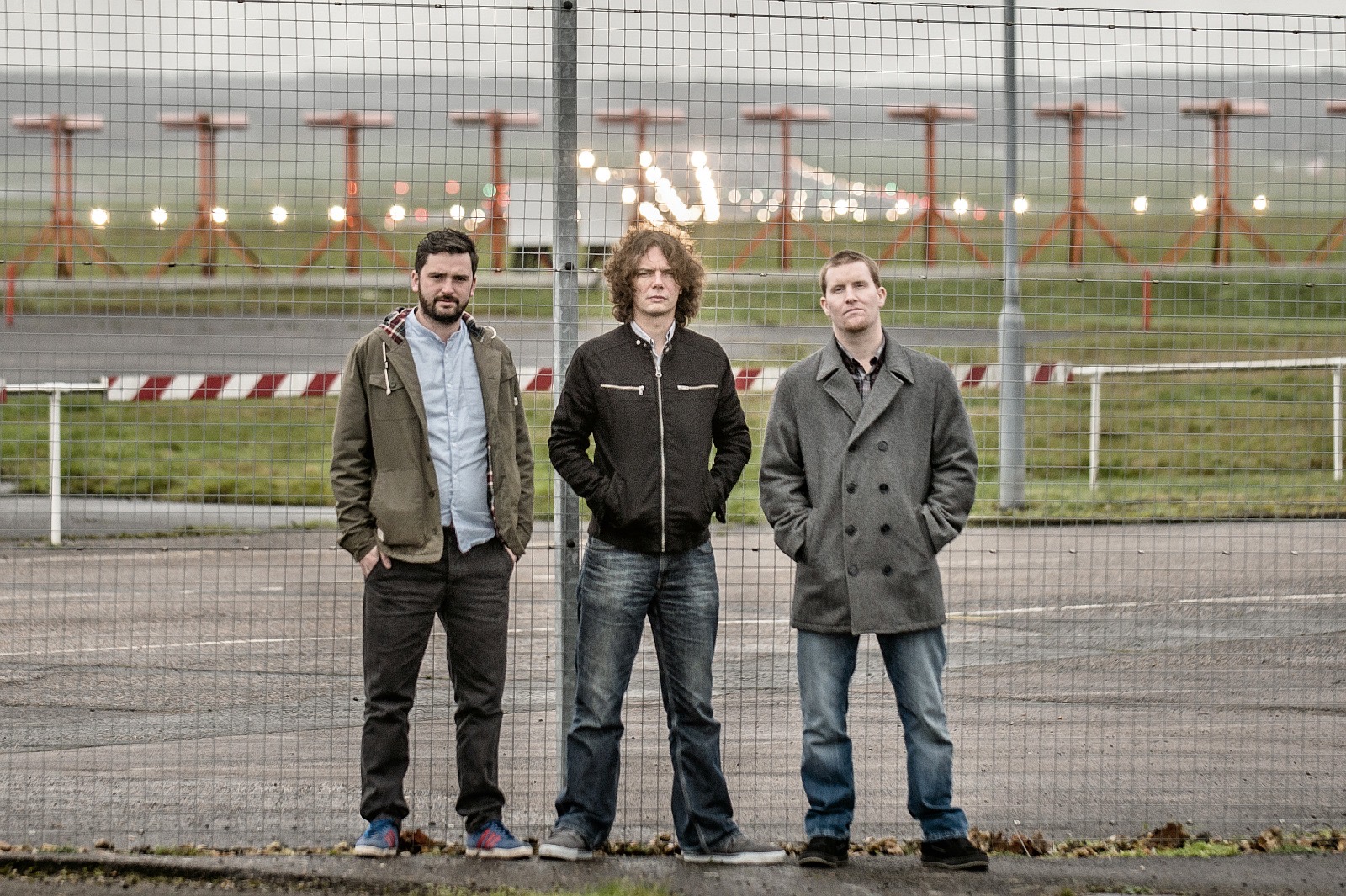
The story behind “This Monologue Conversation” was inseparable from the people who created it. Rauf Jordan handled bass and vocals, Paul McDonald contributed guitar and backing vocals, while Lawrence Arnold played drums and backing vocals. The three friends had been making music together in various forms since around 2004, including their time in The Fins, Ipanema and Atomic Garden. Their shared musical shorthand and relaxed, ego-free collaboration remained central to I Plead Irony’s identity. After years of postponement, they returned to the album because the songs still mattered and deserved to be heard. In that sense, “This Monologue Conversation” became more than a difficult third album. It was a celebration of friendship, creative endurance and the enduring power of music to bring people together.
For more information about I Plead Irony, click on the icons below.