
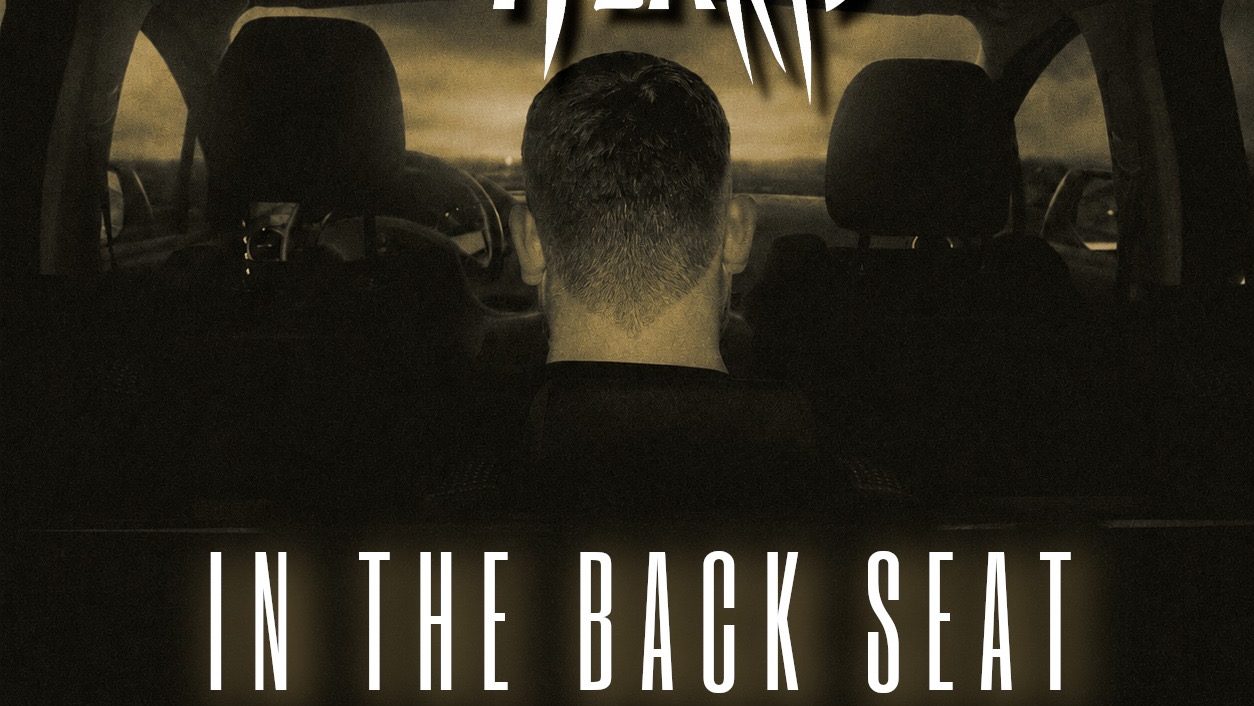
Hello everyone, it’s your host Oliver from DULAXI, and today I’m delighted to be joined by The Dead Hearts, an alternative rock and post-grunge band from Lublin, Poland, to discuss their latest single, “In The Back Seat,” released on 25 September 2026. Blending heavy guitars, melodic vocals and emotionally intense arrangements, the five-piece explores the unsettling experience of feeling powerless over the direction of one’s own life. In our conversation, we explore the band’s journey, the story behind the single, their creative process, and what they hope to achieve in this new chapter. Before we begin our conversation with The Dead Hearts, here’s what you need to know about today’s featured project.
About The Dead Hearts
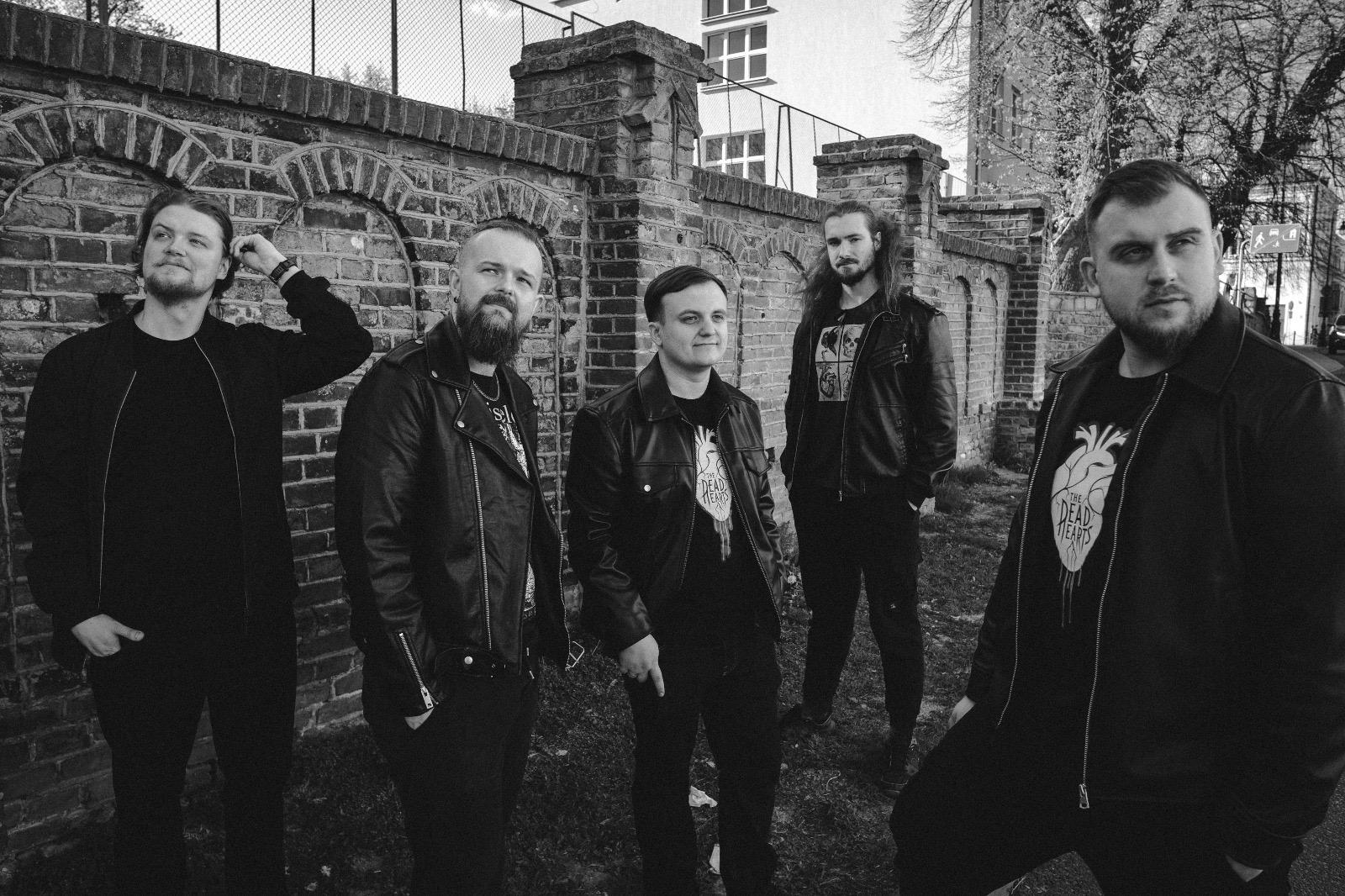
Formed in Lublin, Poland, in late 2020 by guitarist Damian Lipiński, The Dead Hearts are a five-piece band whose music combines alternative rock, post-grunge and alternative metal. Their sound brings together heavy guitar work, raw vocals, melodic choruses and emotionally driven songwriting. Although their music is often associated with the late 1990s and early 2000s rock and metal scene, the band explains that this resemblance is a natural result of its members bringing different musical backgrounds together rather than a deliberate attempt to recreate a particular era. Their influences have been compared to artists such as Breaking Benjamin, Seether, Deftones and Alter Bridge.
The road to establishing the current lineup was not straightforward. The band experienced several lineup changes, with the pandemic and the challenge of finding musicians in Lublin making it difficult to maintain a stable group. Their early development involved a number of musicians coming and going before the members eventually found their way back to the project. A three-track demo, For What May Never Come, released in January 2024, helped communicate their musical direction and played a part in bringing members back into the lineup. By early 2024, the band had established the formation that continues to perform together today. Their first concert followed in October 2024, marking an important step from developing songs in the rehearsal room to discovering their identity as a live act.
In January 2025, The Dead Hearts released “Enslaved (Break This Cycle),” followed by their debut album, Plight Goes On, in 2025. The album became an important milestone, eventually helping the band gain radio and television exposure and secure a support slot. Their experience also gave them a clearer understanding of the demands of balancing songwriting, recording and live performances. Rather than treating music solely as a pursuit of recognition, they continue to create because they value the opportunity to make music together, while hoping to reach more listeners through their work. Their approach to songwriting remains open to experimentation, with the members discussing ideas, testing arrangements collectively and finding solutions when creative disagreements arise.
Released on 25 September 2026, “In The Back Seat” begins the band’s next chapter following their debut album. The single explores the feeling of losing control over the direction of one’s life, using the image of a passenger who cannot decide where the journey leads. Originating from an idea by Damian, the song presents a narrator who has spent a lifetime feeling trapped in hopelessness. Its arrangement moves between heavy riffs, more restrained verses, melodic choruses and an aggressive breakdown that serves as the emotional climax. The band also released an official music video, combining performance footage with a visual interpretation of the song’s central metaphor. Through this release, The Dead Hearts continue to develop their blend of heaviness and melody while leaving room for listeners to connect the lyrics to their own experiences.
Having this brief introduction to today’s featured project, I’m sure both new listeners and longtime fans are eager to hear directly from the band about their experiences, creative decisions and ambitions. So, without further ado, let’s begin today’s interview.
INTERVIEW SESSION
Oliver:
The Dead Hearts were formed in Lublin in late 2020 by guitarist Damian Lipiński. Before we get into the current chapter of the band, what was happening in your individual lives and musical journeys around the time The Dead Hearts first came together, and what made you feel that forming this band was something worth pursuing?
The Dead Hearts:
Damian had always wanted a band and was looking for people to play with. For a while, he, Filip and Grzegorz were working together, but between the pandemic and the difficulty of finding musicians locally in Lublin, no line-up seemed to stick. Various musicians came and went, including our current drummer, Czarek, who initially had to step away from music to focus on his studies. Eventually, Filip stopped seeing a future in it and left, leaving Damian and Grzegorz to keep things going.
Mateusz joined through an online advert in early 2023. After a break caused by family difficulties, he had decided it was time to get back to playing regularly. He initially joined as a second guitarist in what was, at that point, essentially a complete line-up. Two rehearsals later, the drummer and bassist left, so Mateusz switched to bass. We then spent a very long time looking for another guitarist and a drummer.
We decided to record a three-track demo so we could give people on social media a clearer idea of what we wanted to do. That worked. Damian asked Filip whether he would consider returning, and hearing the recordings and seeing some progress convinced him to give it another go.
Something similar happened with Czarek in early 2024. Damian asked if he wanted to come back. He had finished his studies by then, liked the demo, and that became the line-up we still have today.
So, before the current line-up came together, Mateusz had mostly been focusing on his family and playing guitar only occasionally with another band, Filip was developing his solo project, and Czarek was studying. It took a while for everything—and everyone—to fall into place.
Oliver:
Your music brings together alternative rock, post-grunge and alternative metal, with influences reaching back to the late 1990s and early 2000s. What was it about that era of rock and metal that first connected with you, and how have those influences shaped the kind of band you wanted The Dead Hearts to become?
The Dead Hearts:
The reference to the ’90s is really just a way of describing the end result. We actually come from very different musical worlds, and what happens when we put them together simply ends up sounding closest to rock and metal from around the turn of the millennium: heavy, almost modern-sounding guitars, melodic vocals in a higher register, and occasional screams.
It wasn’t a case of us sitting down and deciding to recreate a particular era. That’s just the closest description of what comes out.
Oliver:
Looking back at the journey from your 2024 demo For What May Never Come to the 2025 single “Enslaved (Break This Cycle),” what do you feel has changed most about The Dead Hearts as musicians, songwriters and a band?
The Dead Hearts:
First of all—a stable line-up!
“Enslaved” was essentially our way of putting something online to say, “We exist.” By then, we had several songs and could play a short set—our first concert was in October 2024—but it’s difficult to build relationships with other bands when you have nothing recorded for them to hear.
Looking back, 2024 was a great period, and we probably romanticise it quite a bit: around eight months in the rehearsal room, working on songs and dreaming about what might happen, followed by our first test on stage and the realisation that we genuinely enjoyed being in this line-up together.
Everything changed. We weren’t just developing the material—we also had to learn how to feel comfortable on stage and actually be a live band.
Oliver:
There is often a personal story behind why musicians are drawn to heavier music. What have the more aggressive and emotionally intense sides of rock and metal given you personally that you may not have found in other forms of music?
The Dead Hearts:
That’s difficult to answer. For several of us, rock and metal were simply the music we grew up with, although that isn’t everyone’s story.
We all listen to other things too: pop, EDM, jazz, even sea shanties. Heavier music just makes our hearts beat a little faster!
Oliver:
“In The Back Seat” uses the image of being a passenger in a car with no control over where it is heading to explore the feeling of losing control over your own life. Where did that particular idea come from, and was there a specific experience or period that made that feeling especially real to you?
The Dead Hearts:
The original idea for the song and its lyrics came from Damian. He’s a very accommodating, calm and sensitive person.
We never discussed one particular event as the source of the song. Situations that leave you feeling powerless happen from time to time, and the message here is broader than any single experience.
Oliver:
The idea of being unable to influence where you are going can carry very different meanings depending on the listener. When you were developing “In The Back Seat,” were you thinking more about personal circumstances, relationships, wider life pressures, or the broader feeling of being trapped in a situation you cannot control?
The Dead Hearts:
We want people to find whatever speaks to their own lives in our songs. It doesn’t matter whether being “in the back seat” is a temporary feeling, something they recognise across a much longer period, or something they experienced in the past.
When we were developing this song, though, we approached the story from the perspective of a narrator who has spent their entire life feeling trapped in hopelessness.
Oliver:
The song moves between heavy, driving guitars, melodic vocals, a memorable chorus and a more aggressive breakdown. How did you decide where those contrasting elements needed to appear, and what did you want each change in intensity to communicate emotionally?
The Dead Hearts:
To be honest, the structure didn’t change much in rehearsals after Damian brought in the original draft. A heavy riff, a quieter verse, a melodic chorus, back to the riff, another verse and chorus, then a heavy breakdown before the final chorus and riff—that’s a familiar way of shaping a song and balancing its emotions.
Damian had already arranged it that way, and we didn’t have many objections because it worked well with the lyrics. The verses express pain and sorrow, the chorus is about fighting back, and the breakdown is the final release of rage—a scream of anguish about the narrator’s life.
Oliver:
The chorus is one of the elements that gives “In The Back Seat” a strong melodic centre despite the song’s heavier character. When you were writing it, how did you approach making the central idea emotionally direct while still keeping the weight and identity of The Dead Hearts intact?
The Dead Hearts:
We didn’t have to force it. Everyone in this band wants our songs to have a distinctive vocal melody. Grzegorz also sees the vocals as the centre of a song, so we’re all on the same page there.
He wants to sing, experiment with his voice—and show off what he can do a little!—and the rest of us want a strong melody. Simple.
Oliver:
Your sound has been described through the combination of raw vocals, heavy guitars and emotional intensity, with influences such as Breaking Benjamin, Seether, Deftones and Alter Bridge. When you are writing a new song, how do you balance those influences with the need to make sure the final music still sounds unmistakably like The Dead Hearts?
The Dead Hearts:
Those lists of influences are mainly shorthand for the media and online descriptions. You could just as easily add Queen, Whitesnake, Gojira or Machine Head, and everyone would imagine that mixture differently.
We don’t think about our favourite bands while writing. We’re not trying to sound like something else, but we’re not deliberately avoiding potential comparisons either. If we have an idea for a song, we make it happen.
That said, we sometimes borrow a technique or a stylistic touch from an artist we love, simply because it happens to fit.
Oliver:
The heavier breakdown introduces a more aggressive side of the song after the melodic sections. What role does that moment play in the story of “In The Back Seat,” and was it always part of the song or did it emerge during the arrangement and recording process?
The Dead Hearts:
As we mentioned earlier, it was there from the beginning and was always meant to be the climax. The only thing that changed was who would deliver the vocals.
Damian wanted screams in that section from the start, but Mateusz initially struggled to play the technically demanding bass riff and scream at the same time. Grzegorz took over the vocal part for a while. Then, at one rehearsal, Mateusz simply managed to do both, so we returned to the original idea.
That furious scream fits the lyrics perfectly at that moment.
Oliver:
With “In The Back Seat” marking the beginning of what you describe as a new chapter following your 2025 debut album Plight Goes On, what did you learn from making that album that influenced the way you approached this new material?
The Dead Hearts:
Making the album taught us that we’re doing this mostly—90%, we’d say—for ourselves. Most people don’t give a damn about us, and reaching listeners is hard work.
We also learned that, for us, writing songs and making albums while regularly playing shows just isn’t realistic. There physically isn’t enough rehearsal time to run through everything we need for the concerts and still give composing the attention it requires.
Oliver:
Releasing music as a five-piece requires several creative voices to find a common direction. When a song is being developed within the band, how do you handle differences in ideas, and what usually tells you that a song has finally reached the point where everyone feels it represents The Dead Hearts?
The Dead Hearts:
We don’t really think in terms of a song “representing The Dead Hearts.” This isn’t a brand. Whatever we create is TDH—it could just as easily be an ’80s-style power ballad as something closer to Periphery-style djent.
We do argue quite a lot! It often starts online, with discussions about the structure or whether an idea is any good in the first place. Then we play it together and discover all sorts of things: a section turns out to be boring, there’s too much happening, or the vocal part sits too high.
Our process is usually, “Okay, let’s try it.” We play the proposed change and then vote. If it doesn’t resolve the disagreement, we keep looking for a solution. Sometimes we end up going back to the songwriter’s original idea.
Oliver:
“In The Back Seat” deals with a feeling that many people experience but do not always know how to express: knowing that something in your life is moving in a direction you did not choose. What do you hope someone going through that kind of situation takes away from the song?
The Dead Hearts:
Ideally, we’d like them to think, “Wow, this song fucking rules!”
Seriously, though, if someone identifies with the lyrics, we hope the song gives them some kind of push towards making a change.
Oliver:
Your official music video accompanies the single and gives you another way to present the world of the song. What did you want the visual side of “In The Back Seat” to add to the meaning of the track, and how did you approach translating its central feeling into a video?
The Dead Hearts:
The original idea was a literal translation of the metaphor onto the screen. A character would ride around the city, looking through the car window at places that triggered flashbacks to painful events—situations in which they had no control over what happened.
At the same time, we really wanted to shoot a classic metal performance video in a hangar. We combined those two ideas, removed the flashbacks because they would have been difficult to film, and eventually dropped the idea of hiring actors too.
We ended up with the band playing and our vocalist taking the lead role. On his way to band rehearsal, he sits in the back seat of a taxi, singing about being in the back seat.
Simple and effective, we think.
Oliver:
Since forming in 2020, you have moved from a demo to singles, a debut album and now the beginning of another chapter. Which moment in that journey has made you stop and realise that The Dead Hearts had grown beyond the band you originally imagined?
The Dead Hearts:
Probably early 2026, while we were promoting the album. We started moving in circles that included journalists, promoters and people involved in putting on bigger shows.
The album was originally meant to be something to look back on, and a recording people could check out before coming to see us live. It turned out that the material connected strongly enough for us to get radio and TV exposure and land a support slot.
After a few shows, we also realised that we were actually a good live band. Our concerts aren’t elaborate stage spectacles, but the standard of playing is high. Somehow, we ended up not coming across as amateurs—even though the original plan was just to play music together and do the occasional gig!
Oliver:
Coming from Lublin, Poland, how has your local environment influenced your identity as a band, and what does being part of the Polish alternative rock and metal scene mean to you?
The Dead Hearts:
Life in eastern Poland feels tougher than in the west. That naturally feeds into the lyrics and gives us the drive to play.
As for what being part of the Polish alternative rock and metal scene means to us—honestly, we don’t really have an answer to that.
Oliver:
As you move forward from “In The Back Seat,” what do you want this next chapter of The Dead Hearts to explore that you have not fully explored before, either musically, lyrically or personally?
The Dead Hearts:
We have a very long list of songs in the pipeline. We’re hoping one of them really catches on and helps us reach a wider audience.
Oliver:
If you look further ahead, beyond individual singles and releases, what kind of band do you ultimately want The Dead Hearts to become, and what do you hope people will remember about the music and story you built together?
The Dead Hearts:
A well-known one! Enough for people to talk and write about us, and to come to our shows. But not so famous that being rock stars takes away the lives we have now. We’re not ready for that.
As for what people should remember—simply that we were here. Or still are.
“The Dead Hearts turn the uncertainty of everyday life into a meeting point between heavy riffs, melodic expression and unfiltered frustration. What makes their story particularly interesting is that behind the intensity lies a band that values the act of creating together as much as the possibility of reaching a wider audience.”
~ Oliver (DULAXI Team)
EDITORIAL PERSPECTIVE
“In The Back Seat” brings together the weight of alternative metal and the melodic instincts of post-grunge without losing sight of the human experience at the centre of the song. The movement from restrained verses to a forceful chorus and an aggressive breakdown gives the arrangement a clear emotional progression. Our conversation with The Dead Hearts also reveals a band willing to approach its music without strict expectations about genre or identity. Their focus remains on writing songs that feel right to the people creating them, while leaving listeners free to discover their own meanings within the lyrics.
~ Oliver (DULAXI Team)
CLOSING
A sincere thank you to The Dead Hearts for taking the time to speak with DULAXI and share the story behind “In The Back Seat.” From the challenges of building a stable lineup to the experience of finding their feet as a live band, this conversation has offered a closer look at the determination and creative freedom behind their music.
For listeners who have ever felt that life was moving in a direction they did not choose, “In The Back Seat” offers an opportunity to connect with that experience through heavy guitars, melodic vocals and an intense musical climax. We encourage you to listen to the single, watch its official music video and explore the band’s earlier releases as they continue developing their sound.
Thank you to everyone who has spent time with this DULAXI interview. Your continued support allows us to bring more artists, stories and musical perspectives to our readers. I’m Oliver, and we look forward to welcoming you back for more conversations with the artists shaping today’s music scene.