
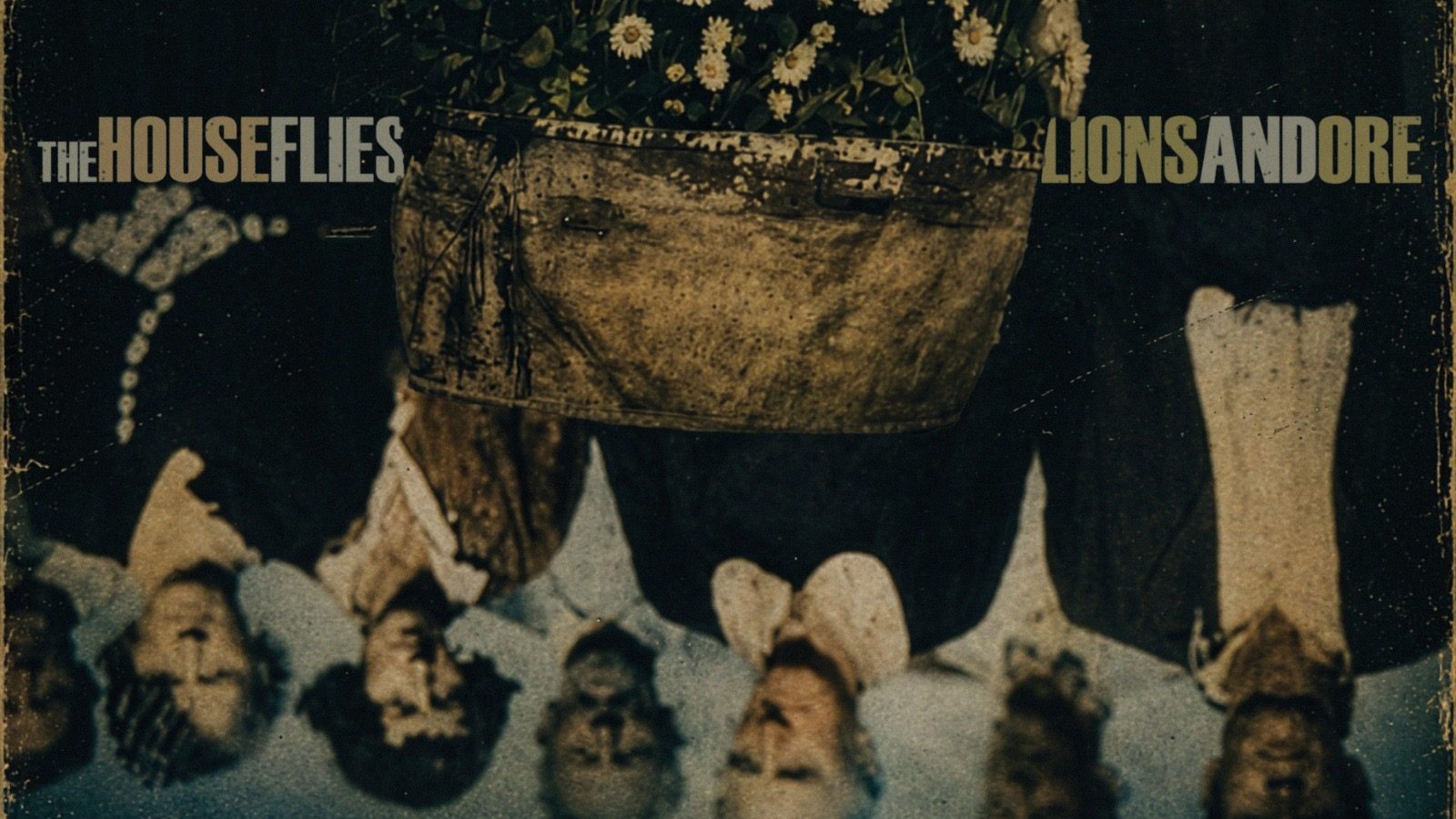
The House Flies’ second full-length album, “Lions and Ore,” released on November 6th, 2026, finds the Illinois-based four-piece exploring the expressive possibilities of post-punk and goth-influenced guitar music. Across seven tracks, the album brings together atmospheric passages, persistent rhythms and heavier guitar arrangements, creating a sound that moves between restraint and intensity. Drawing from shoegaze, grunge and melodic alternative rock, the record allows these influences to coexist within a distinctive sonic identity. Its arrangements give equal attention to the spaces between sounds and the moments when the instrumentation becomes more forceful, establishing an immersive musical experience that gradually unfolds.
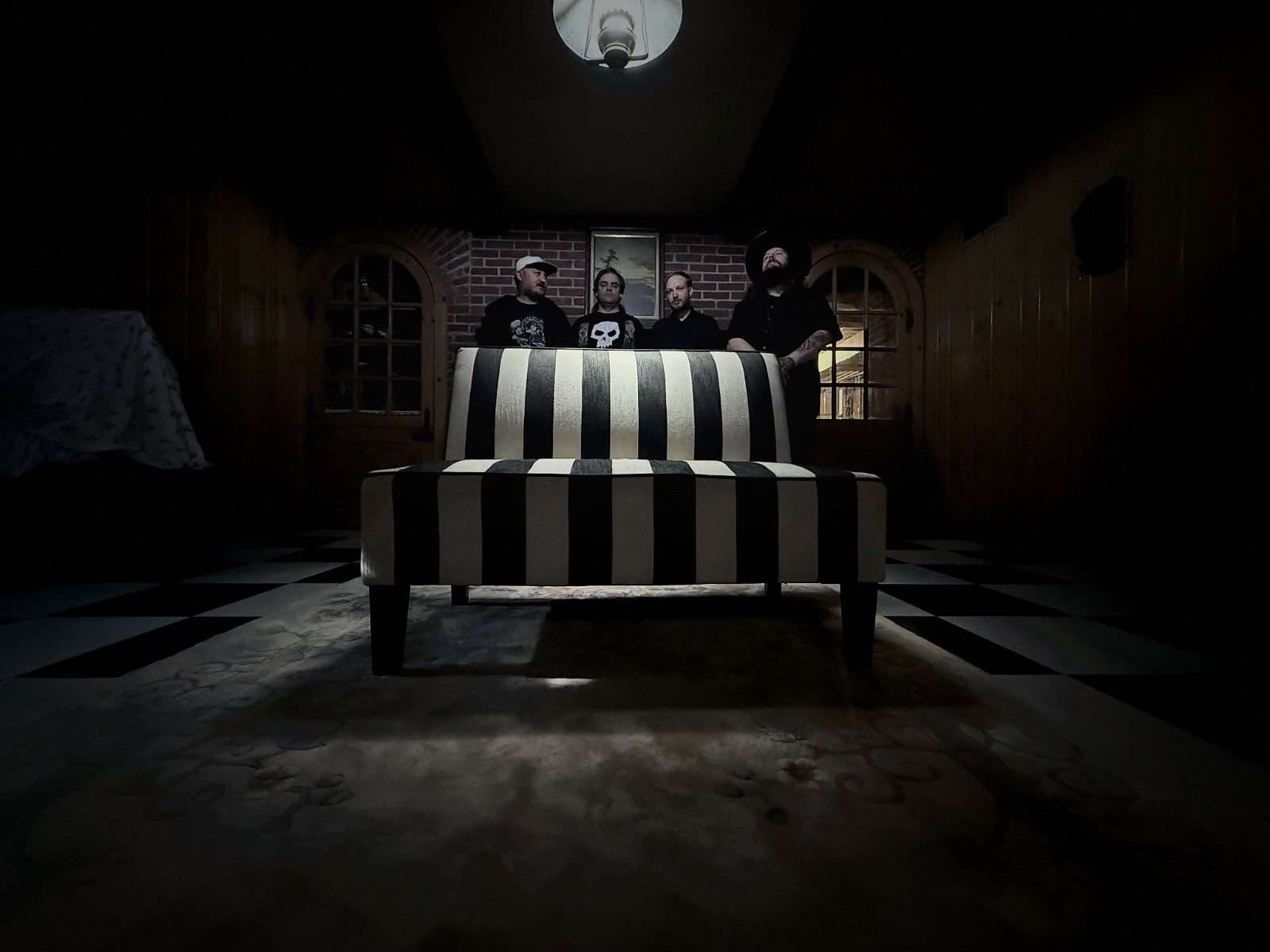
One of the album’s defining characteristics is its use of recurring imagery and interconnected moods. Houses, fields, heat, sleep and things left behind appear throughout the record, giving the seven songs a shared sense of place without necessarily connecting them to one continuous narrative. These images contribute to the album’s contemplative character, bringing rural surroundings and personal reflection into its musical world. The songwriting embraces longer arrangements, allowing individual ideas to develop gradually. Quiet repetition becomes an important part of this approach, establishing patterns that give the heavier transitions greater presence. The two released singles, “Derelict Crawl” and “Lost Literature,” capture different sides of this musical direction. The former highlights the album’s weightier guitar passages and persistent rhythms, while the latter introduces a more melodic dimension, demonstrating the band’s ability to balance intensity with engaging melodic sensibilities.
Lions and Ore Album Track Reviews:
Goodnight, Goodnight, Lover Dear:
“Goodnight, Goodnight, Lover Dear” explores a quieter and more intimate side of The House Flies’ album, “Lions and Ore,” embracing delicate instrumentation and understated emotional expression. Built around a lo-fi acoustic arrangement, the track creates a warm, personal atmosphere that draws attention to the natural character of its instrumentation. Its production allows subtle sonic details to remain present, giving the composition an organic texture that complements its nocturnal and reflective mood. Rather than relying on elaborate musical arrangements, the song finds its strength in restraint, allowing each instrumental element to contribute to its gentle progression. The vocal performance further deepens this atmosphere through a hushed, conversational delivery, with breathy phrasing that brings sincerity to the melody. Exploring themes of love, separation and quiet resignation, “Goodnight, Goodnight, Lover Dear” captures the tenderness of an intimate farewell, offering a beautifully reflective moment within the album’s broader musical landscape.
Lost Literature:
“Lost Literature” sees The House Flies embrace atmospheric minimalism, building a haunting composition around layered textures, swelling instrumentation and persistent repetition. Rather than following conventional melodic structures, the track develops through extended ambient passages that gradually shift in intensity, creating a soundscape filled with tension and unease. Its instrumental arrangement moves through waves of rising and receding sounds, evoking the sensation of increasing heat while establishing a claustrophobic yet immersive atmosphere. The production places considerable emphasis on space, allowing individual sonic details to unfold without overcrowding the composition. Vocally, the performance remains deliberately restrained, with sparse phrases functioning as rhythmic accents within the broader instrumental landscape. This approach gives the surrounding textures room to breathe while maintaining the track’s hypnotic progression. Lasting three minutes and fifty-five seconds, “Lost Literature” demonstrates the band’s ability to communicate through atmosphere and repetition, delivering a deeply absorbing listening experience that lingers beyond its final moments.
Count Us Down:
“Count Us Down” finds The House Flies exploring isolation, longing and emotional uncertainty through a haunting blend of atmospheric rock and minimalist electronic elements. The track moves between sparse, contemplative verses and a pulsating instrumental foundation that gradually develops into a hypnotic wall of sound. Its deliberately cold and restrained production reinforces the themes of nighttime stillness and detachment, creating an atmosphere that feels both immersive and deeply introspective. Vocally, the performance maintains an understated conversational quality, allowing vulnerable questions such as “Did you call me over?” and “Did your heart stand still?” to establish an intimate emotional connection. These expressions of uncertainty give the composition a human perspective, placing the listener within its narrative of longing and restless thoughts. As the arrangement progresses, the song eventually returns to its opening narrative, with the closing lines offering a gentle sense of comfort and release. “Count Us Down” beautifully captures the tension between emotional restlessness and the desire for belonging.
The Glass, The Orchard:
“The Glass, The Orchard” stands as a captivating centerpiece on The House Flies’ album, “Lions and Ore,” showcasing the band’s ability to create expansive soundscapes through atmospheric instrumentation and gradual musical development. The track moves between delicate acoustic passages and powerful instrumental swells, establishing a dynamic contrast that keeps its progression engaging. Melodic guitar work provides the harmonic foundation, while subtle rhythmic elements maintain a steady pulse beneath the shifting arrangements. Its unexpected chord progressions introduce feelings of longing and wonder, complementing the evocative atmosphere suggested by its title. The production allows each musical layer to develop naturally, giving the composition a patient, cinematic quality. Vocally, the performance carries a raw emotional presence that adds depth to the surrounding instrumentation without overwhelming its textures. Through its gradual transitions and expressive musical details, “The Glass, The Orchard” becomes an immersive listening experience that highlights The House Flies’ talent for balancing atmospheric experimentation with heartfelt musical expression.
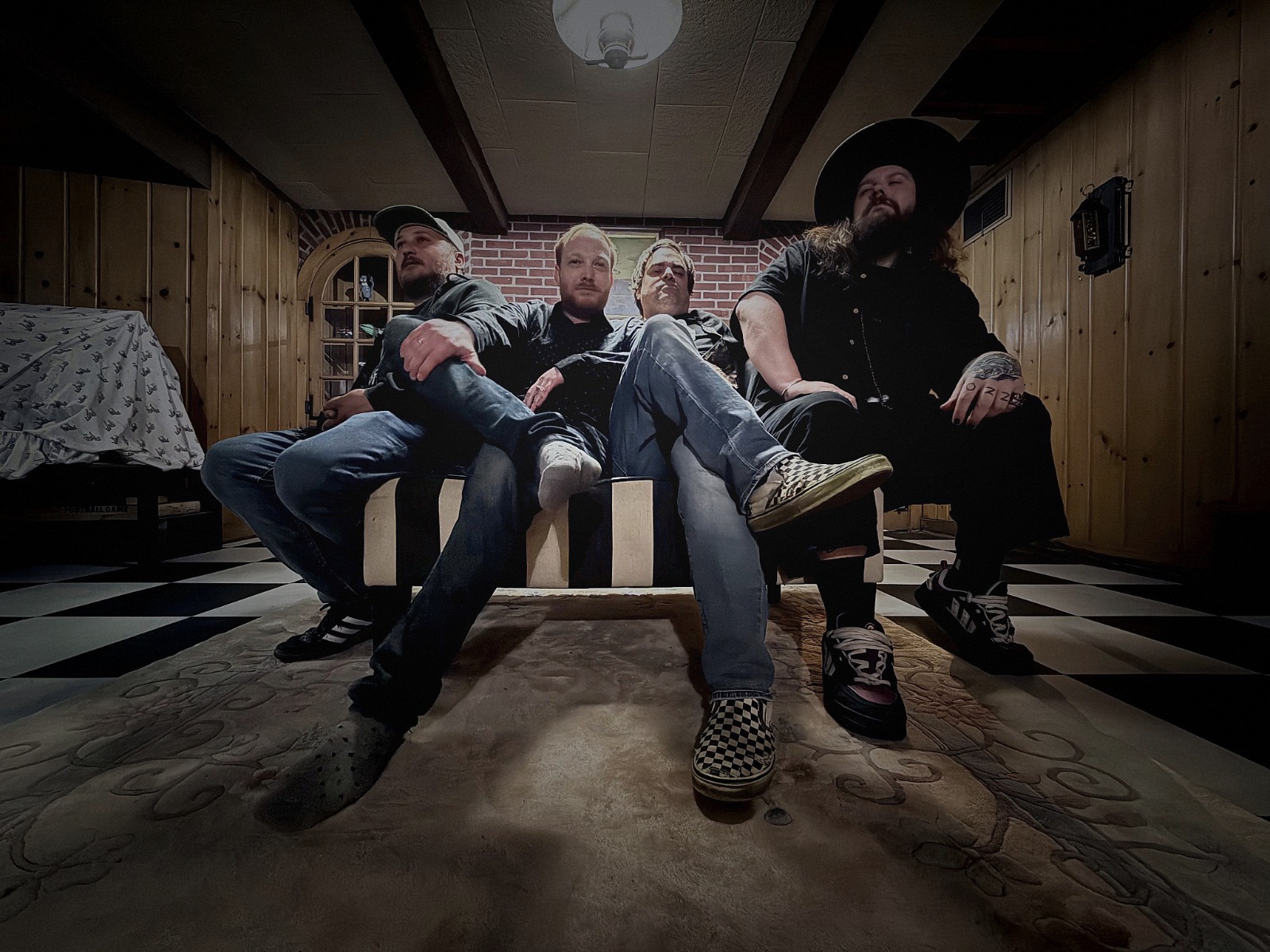
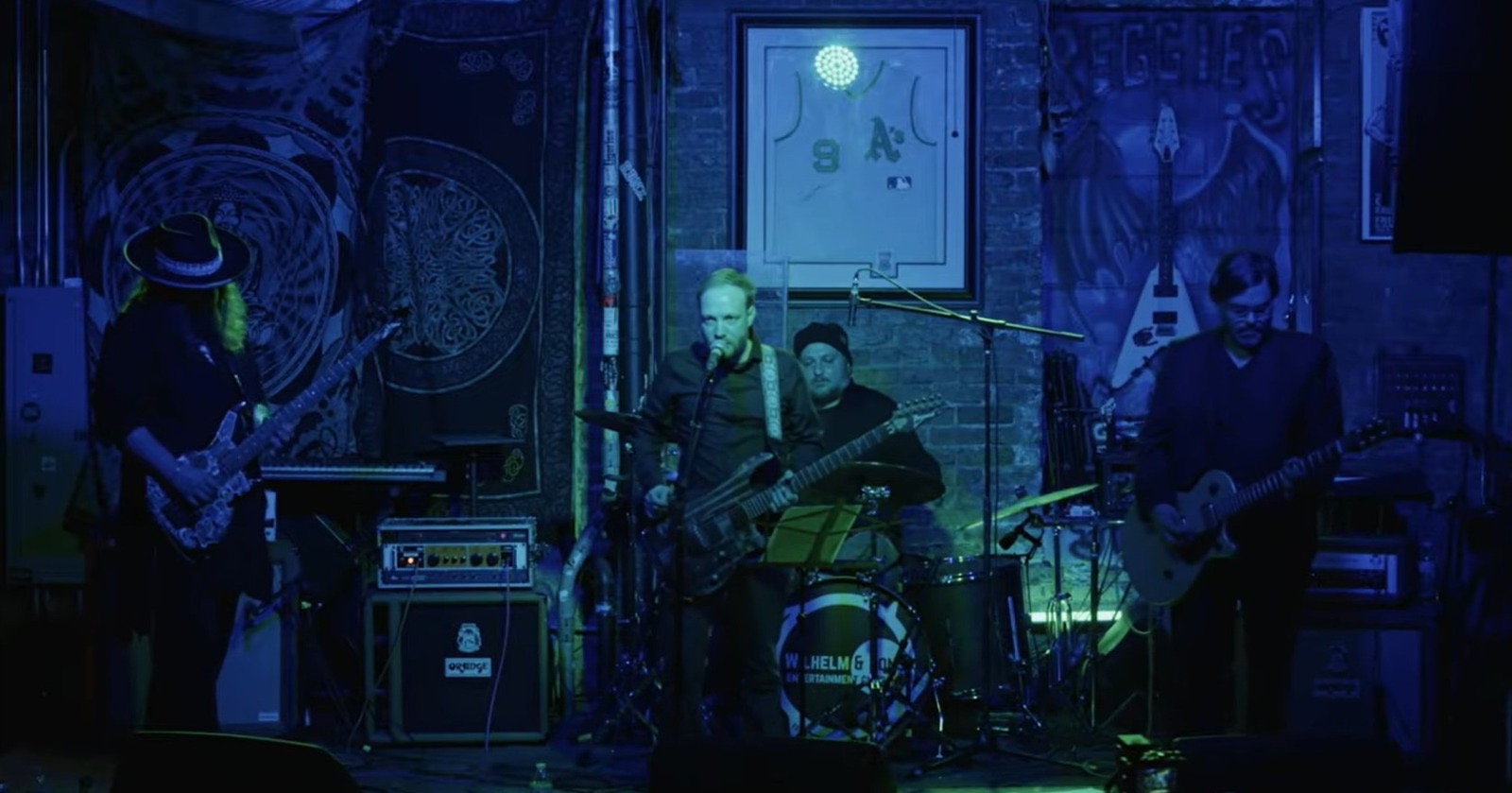
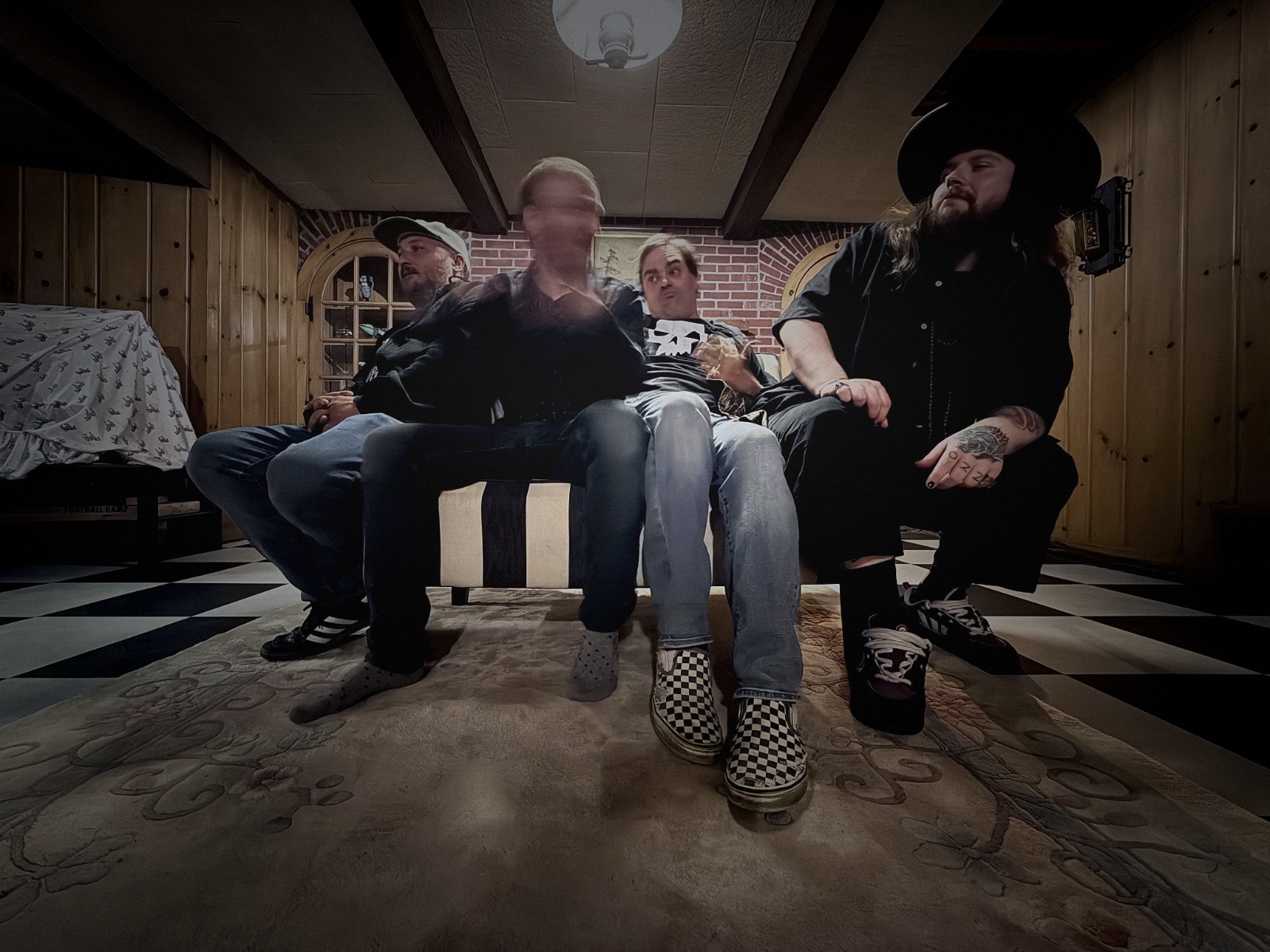
“Lions and Ore” also represents an important development in the band’s creative journey, serving as their first full-length album to feature guitarist Burnie Eckhardt alongside vocalist and guitarist Alex Riggen, bassist Ozzie Woods and drummer Nick Pompou. The addition of a second guitarist expands the possibilities of the arrangements, particularly in the relationship between atmospheric textures and heavier instrumental passages. Recorded in Riggen’s basement, the album was mixed by Ross Mixes and mastered by Michael Briggs, with Alex Riggen also responsible for its artwork and design. Released through Wilhelm & Sons Entertainment Company, the seven-track project is available on streaming platforms and Bandcamp, alongside a limited edition of 100 black 12-inch vinyl copies.
Lions and Ore Is A Captivating Seven Track Album That Blends Atmospheric Post Punk, Shoegaze And Heavy Guitar Textures Into An Immersive Exploration Of Emotion, Isolation And Longing
~ Faithfulness (Dulaxi Team)
Emerging from Moline, Illinois, The House Flies have steadily developed their musical identity through the “Glimmer” EP in 2023, their debut full-length “Mannequin Deposit” in 2024 and the 2025 single “Sweet Foxhound.” Their music brings together post-punk and gothic influences with shoegaze textures and heavier alternative rock, maintaining a distinctive Midwestern character throughout their releases. With “Lions and Ore,” the band builds upon that foundation while pembracing longer compositions, broader instrumental dynamics and a more expansive atmosphere. The result is a cohesive second album that reflects their evolving creative direction while preserving the directness and atmospheric qualities that have shaped their identity.
For more information about The House Flies, click on the icons below.