
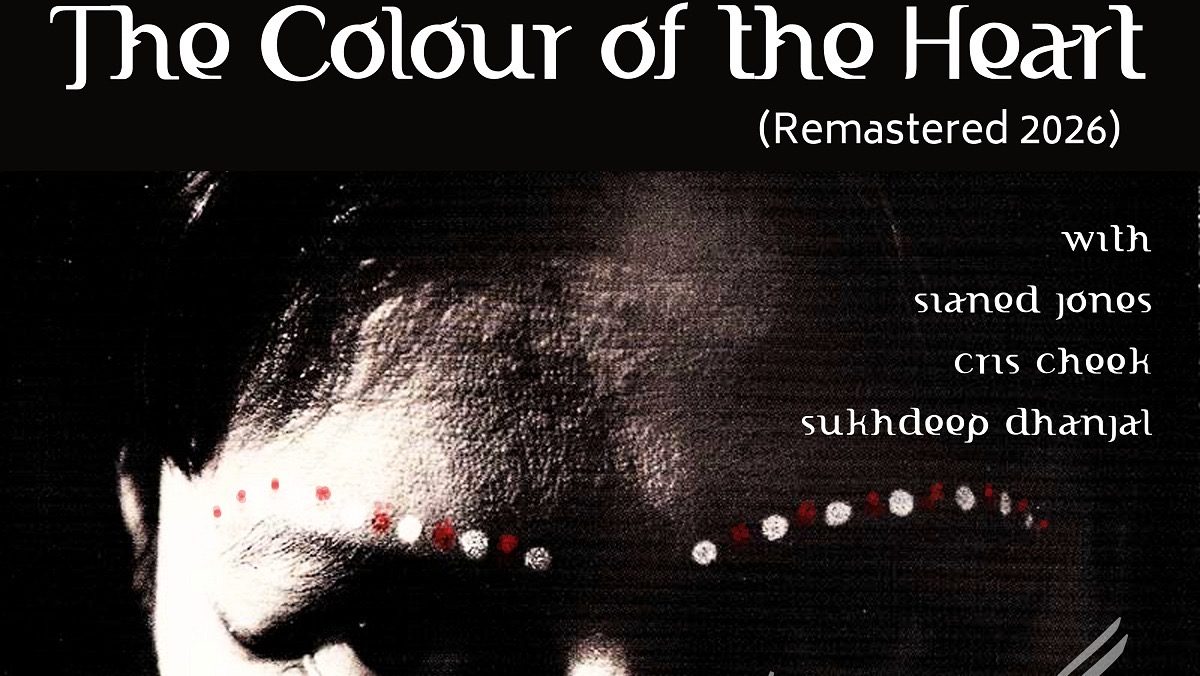
Samia Malik’s album “The Colour of the Heart,” originally released in 1998 and remastered in 2026, presents a deeply personal exploration of cultural identity, belonging, freedom and female empowerment. As the opening instalment of her four-album project, “Azaadi | آزادی | A Journey To Freedom,” the record documents a life lived between two cultures, bringing together Urdu and English through music, poetry and personal expression. Created with her first touring band, Garam Masala, the album draws from Malik’s experiences as a Pakistani woman growing up in Britain, using artistic expression to explore the complexities of heritage, displacement and the search for personal freedom. Its return through the 2026 remaster offers a renewed opportunity to experience a collection whose themes remain relevant decades after its original release.
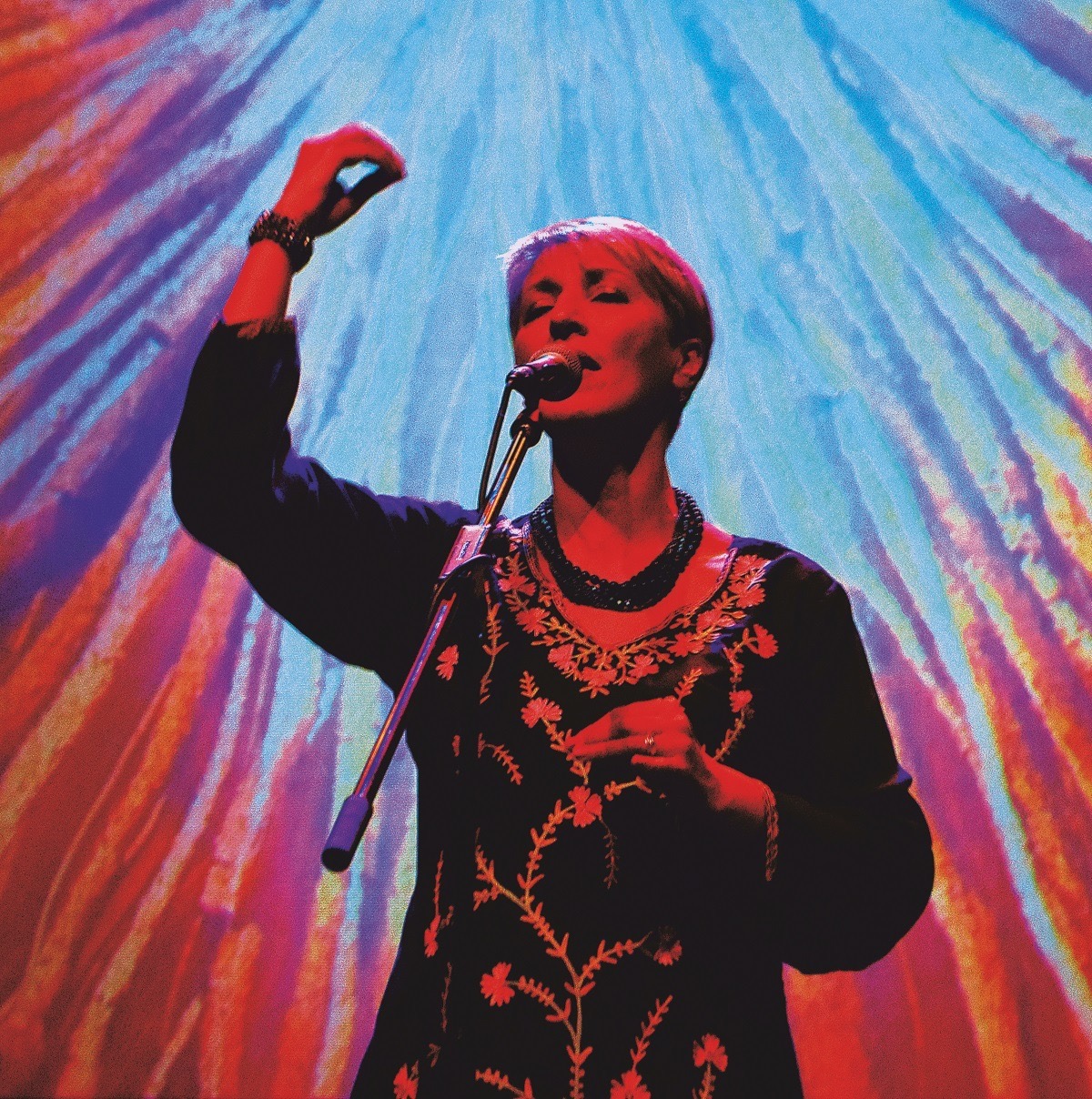
Musically and thematically, “The Colour of the Heart” is rooted in the relationship between traditional Urdu poetry, contemporary expression and the emotional depth of personal storytelling. Malik draws on the ghazal, a classical poetic form characterised by rhyming couplets, while extending its traditionally male-dominated framework to communicate women’s experiences. Her bilingual approach gives the album an additional layer of cultural significance, allowing Urdu and English to coexist as expressions of identity, memory and belonging. Rather than treating language simply as a means of communication, she uses it as a connection to heritage and an instrument for reclaiming personal history. The album’s overall direction reflects an understanding of music as both an artistic practice and a means of confronting experiences that are frequently overlooked or silenced.
The Colour of the Heart Album Track Reviews:
Kooch Loag:
“Kooch Loag (Some People)” opens Samia Malik’s “The Colour of the Heart” with a deeply personal exploration of conditional love, emotional restriction and the courage to reclaim personal freedom. Drawing from Malik’s experiences as a Pakistani Muslim woman growing up in the United Kingdom, the composition examines relationships where affection becomes a means of control, forcing women to compromise their identities for acceptance. Its Urdu lyrics explore the contradiction of being loved while simultaneously restricted, gradually developing into a wider expression of solidarity with oppressed women. The imagery of hiding a dagger inside a veil becomes a powerful metaphor for discovering strength within imposed expectations. Musically, the song draws from traditional Urdu Ghazal influences, with expressive vocals and poetic verses supported by tanpura, violin, harmonium, clarinet, bass guitar, ektara and tabla. These contributions create an arrangement that blends South Asian musical traditions with broader contemporary elements. Originally recorded in 1998 with Garam Masala, the composition was remastered by Camilo Tirado in 2026, preserving its message of independence and self-determination.
Ma Ki Zabaan:
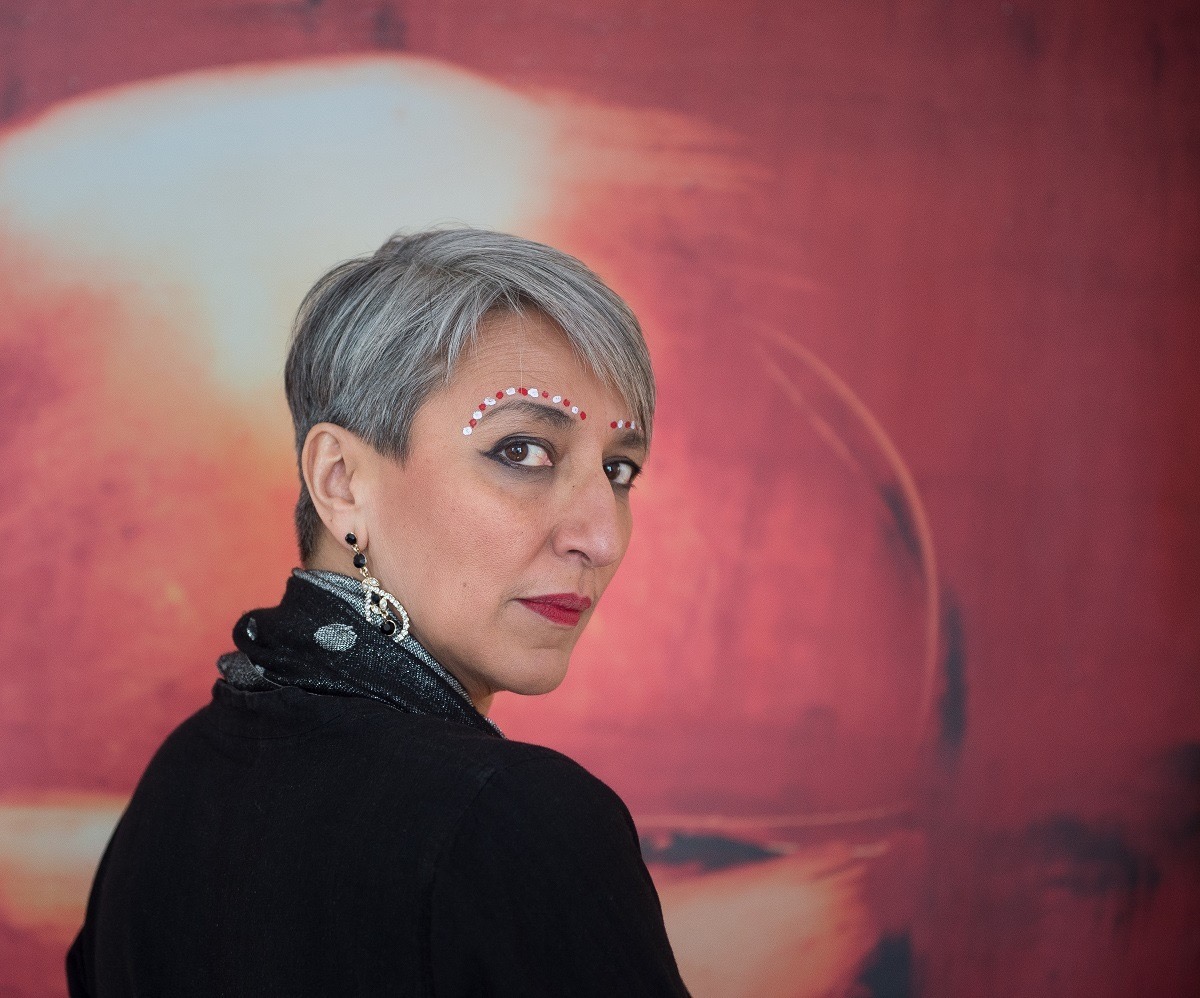
“Ma Ki Zabaan (Mothertongue)” explores the emotional consequences of losing one’s cultural language and the resulting distance from family, heritage and personal identity. Drawing from Samia Malik’s experiences growing up in an English-dominated environment, the composition reflects her gradual disconnection from Urdu, the language inherited from her parents. Its central question, how to speak to one’s mother without one’s mother tongue, captures the emotional weight of cultural displacement and the struggle to reconnect with one’s origins. Written in the traditional Urdu Ghazal form, its recurring rhymes built around “naheen” and “nahi” reinforce the feelings of absence and uncertainty. Musically, Malik’s expressive vocals and tanpura establish the foundation, complemented by Sianed Jones’ violin, harmonium and second vocals, Cris Cheek’s clarinet, bass guitar, tanpura and ektara, and Sukhdeep Dhanjal’s tabla. These contributions create a culturally rooted arrangement that supports the song’s reflective character. Remastered by Camilo Tirado in 2026, the composition celebrates language preservation and the reclamation of cultural identity.
Colour of Her Heart:
“Colour of Her Heart,” written and composed by Samia Malik, explores racial prejudice, cultural differences and the importance of recognising shared humanity beyond physical appearances. Originating from her translation of an earlier composition, “Jaago (Wake Up),” the song develops the idea that people often focus on differences in skin colour while overlooking their shared emotions, dreams and aspirations. Combining English lyrics with the traditional Urdu Ghazal structure, its recurring opening couplet distinguishes outward appearance from the deeper identity represented by the heart. The songwriting also examines how language can encourage understanding or reinforce hatred, exclusion and oppression, ultimately advocating cross-cultural solidarity. Musically, Malik’s vocals and tanpura lead an arrangement featuring Sianed Jones’ violin and harmonium, Cris Cheek’s clarinet, bass guitar and ektara, and Sukhdeep Dhanjal’s tabla. Its poetic verses and repeating melodic ideas preserve the message’s accessibility. Previously performed as a tour finale with dancer Dr Mallika Sarabhai, the 1998 recording was remastered by Camilo Tirado in 2026.
Hum Gunagaar Aurtae:
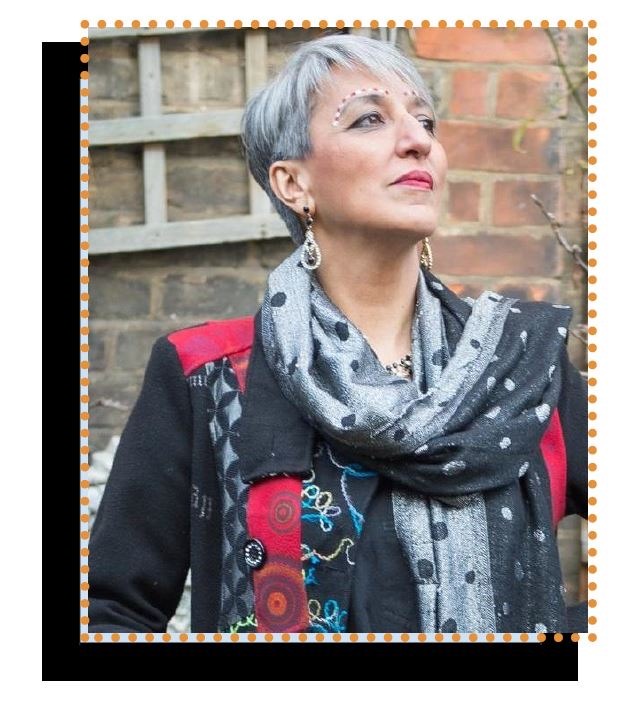
“Hum Gunagaar Aurtae (We Sinful Women)” stands as a powerful declaration of female resistance, solidarity and the determination to challenge patriarchal oppression. As the first song Samia Malik ever composed, it draws its lyrical foundation from renowned Urdu poet Kishwar Naheed’s feminist poem, incorporating Malik’s reflections on gender, race, cultural identity and belonging. The songwriting challenges expectations of female submission, presenting women as individuals entitled to question authority, confront injustice and reclaim their voices. Its message extends beyond gender inequality to address cultural restrictions and racial prejudice, making its call for freedom relevant across different communities. Musically, Malik’s vocals and tanpura lead an expressive arrangement featuring Sianed Jones’ violin, harmonium and second vocals, Cris Cheek’s clarinet, bass guitar and ektara, and Sukhdeep Dhanjal’s tabla. Inspired by a rhythm Malik developed on the dhole, the composition blends traditional South Asian instrumentation with ensemble performance. Originally performed with Manmela Theatre Company and Mallika Sarabhai’s Darpana troupe, it was remastered by Camilo Tirado in 2026.
A central thread running throughout the collection is the struggle against cultural restrictions, gender inequality, conditional acceptance and the silencing of women. Drawing from her own experiences, established Urdu poetry and the realities of women navigating different social expectations, Malik creates a body of work that speaks about resistance, emotional survival and the importance of self-expression. The album also considers migration, loneliness, family relationships and the preservation of cultural identity, giving its message a wider human dimension. Its emotional foundation extends beyond individual experiences, becoming a call for solidarity among women whose voices have been marginalised by violence, cultural expectations or displacement. Through this approach, Malik demonstrates how personal storytelling and traditional artistic forms can address contemporary social concerns while creating opportunities for collective understanding and healing.
The Colour Of The Heart Is A Powerful Bilingual Album Celebrating Cultural Identity, Female Empowerment, Freedom And Solidarity Through Poetry, Music And Deeply Personal Storytelling
~ Faithfulness (Dulaxi Team)
The 2026 remaster, completed at The Old Chocolate Factory in London by producer Camilo Tirado, renews the presentation of this significant work while preserving its original artistic purpose. Born in 1961 into a Pakistani Muslim family shaped by the aftereffects of empire and partition, Malik migrated to Britain as a child and grew up in Bradford, where racism and marginalisation became part of her everyday experience. Her early poetry and music emerged as a means of survival and self-discovery, while her later involvement in feminism, classical North Indian vocal training and community activism further strengthened her artistic direction. Over more than thirty years, she has taken her bilingual music to audiences across the UK, India, the USA and Kashmir, alongside working with women in refuges and community centres for over two decades. As the opening chapter of her wider “Azaadi | آزادی | A Journey To Freedom” project, “The Colour of the Heart” establishes the foundations of an ambitious creative archive combining music, visual art, films, online concerts and community workshops. Ultimately, it is a meaningful expression of Malik’s belief that art can unite people, challenge silence and create pathways towards individual and collective freedom.
For more information about Samia Malik, click on the icons below.