
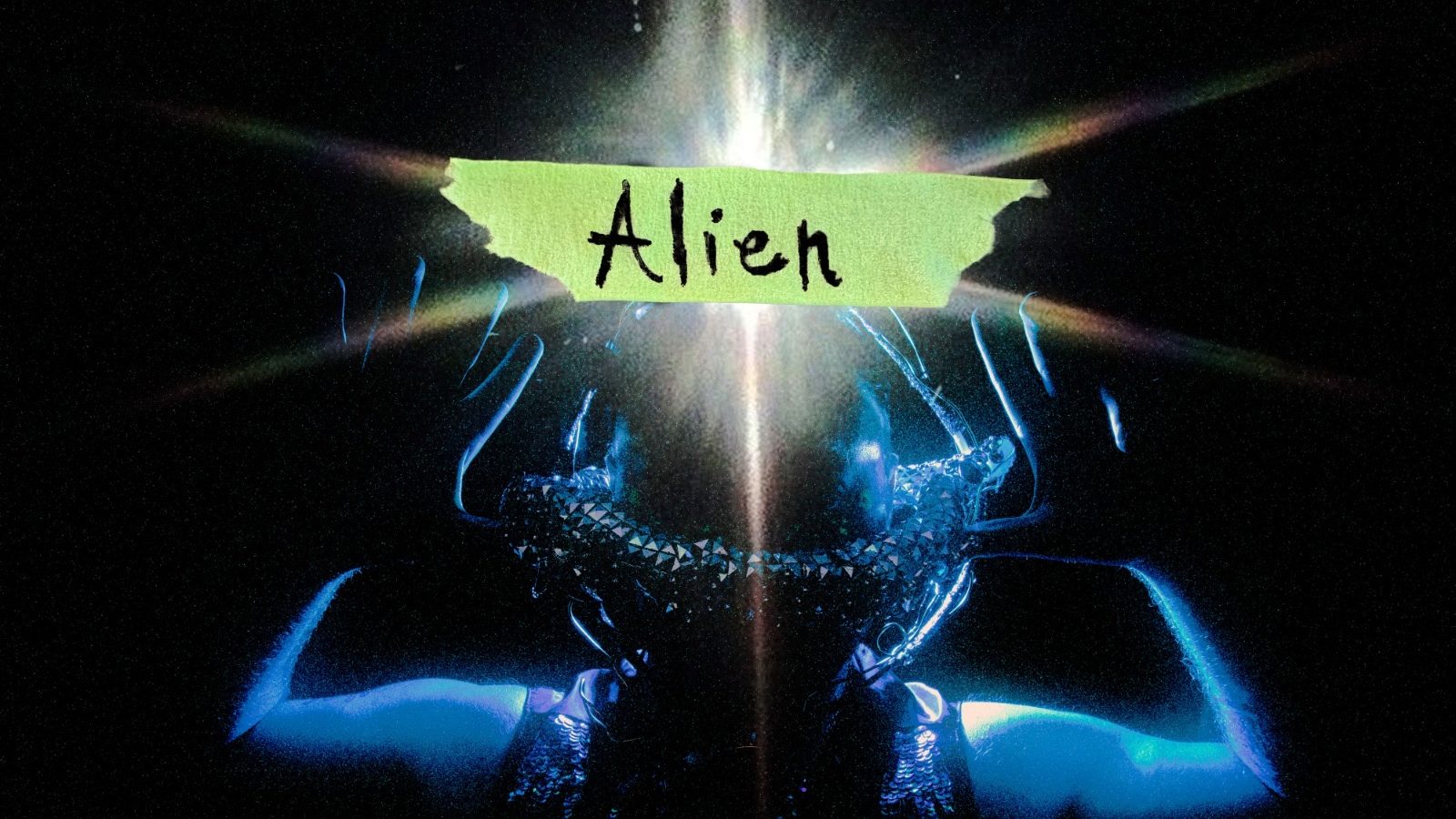
Hello everyone, it’s your host Oliver from DULAXI, and today I’m delighted to be joined by SEPH, the Columbus, Ohio-based electro-pop artist, musician, singer-songwriter, and record producer behind the solo project SEPH. With a musical journey that has developed across electronic pop, synthpop, house, experimental music, and rock-influenced production, SEPH has spent the past decade building an independent body of work shaped by songwriting, production, live performance, and visual creativity.
Released on September 11, 2026, “Alien” is the first single from SEPH’s upcoming third full-length studio album, scheduled for release in 2027. The house and electronic track explores isolation, self-protection, acceptance, and the complicated relationship between needing personal space and remaining open to love. It also introduces the outer-space imagery and wider conceptual world that will continue throughout the forthcoming album.
Before we begin our conversation with SEPH, here’s what you need to know about today’s featured project.
About SEPH
SEPH is the stage name and musical solo project of Joseph Majka, an electro-pop artist, musician, singer-songwriter, and record producer based in Columbus, Ohio. Active within the local Columbus music scene since 2016, SEPH has developed an independent musical identity through songwriting, self-directed production, recording, live performance, and visual storytelling.
The journey has already produced two full-length studio albums, Electric Expressions (2021) and The Dawn Of A Dream (2024), alongside the 2017 EP Afterglow. Across these releases, SEPH has continued to explore personal experiences through an evolving combination of electronic production, pop songwriting, experimental sounds, and increasingly diverse instrumentation. The forthcoming third album represents another significant expansion of that approach.
“Alien” is the first glimpse into that new chapter. Written solely by SEPH and produced through collaborations with Mateo Gutierrez and Matt Hagberg, the track introduces an electronic dance and house foundation while using futuristic imagery to explore deeply personal emotions. The song treats isolation differently from the way it is often presented. Rather than portraying solitude simply as something painful that must be escaped, SEPH uses the idea of being an “alien” as a metaphor for needing space, protecting oneself, and finding strength within that distance.
The outer-space concept is not entirely new within SEPH’s work. Earlier songs such as “In the Stars,” “Forever / Free,” and “Galactic Romance,” from Electric Expressions, explored ideas involving escapism, planets, the apocalypse, fantasy, romance, and the unknown. With “Alien” and the upcoming album, however, those ideas have expanded into a much larger conceptual framework.
The forthcoming record brings together themes of outer space, power and control, fear and love, fantasy and reality, and reflections on SEPH’s past, present, and future. The tracklist is designed to move through different stages of that journey, beginning with material rooted more heavily in reality, difficult experiences, anger, resentment, and struggles with power and control before moving toward more hopeful, whimsical, futuristic, and dance-driven material.
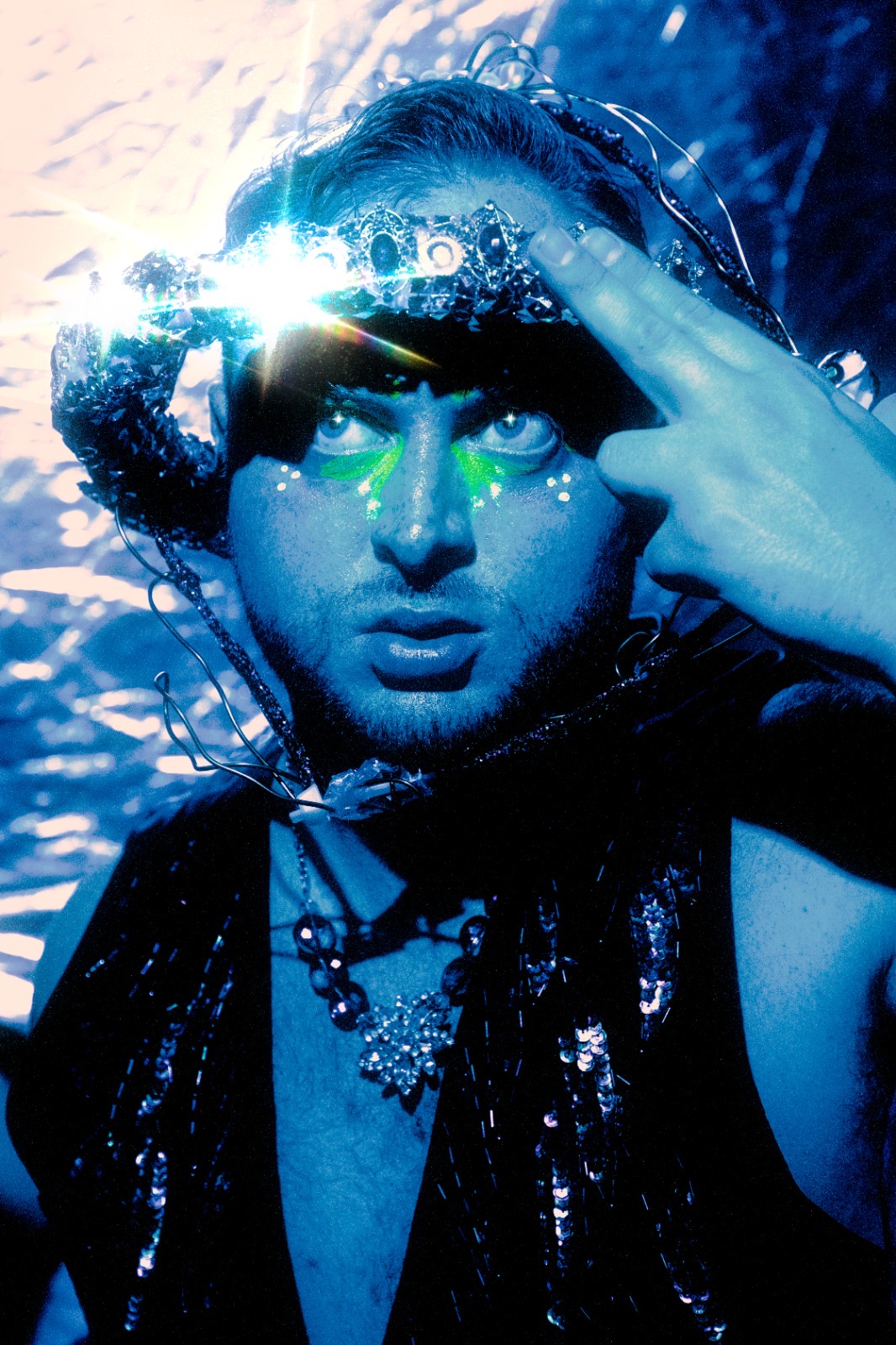
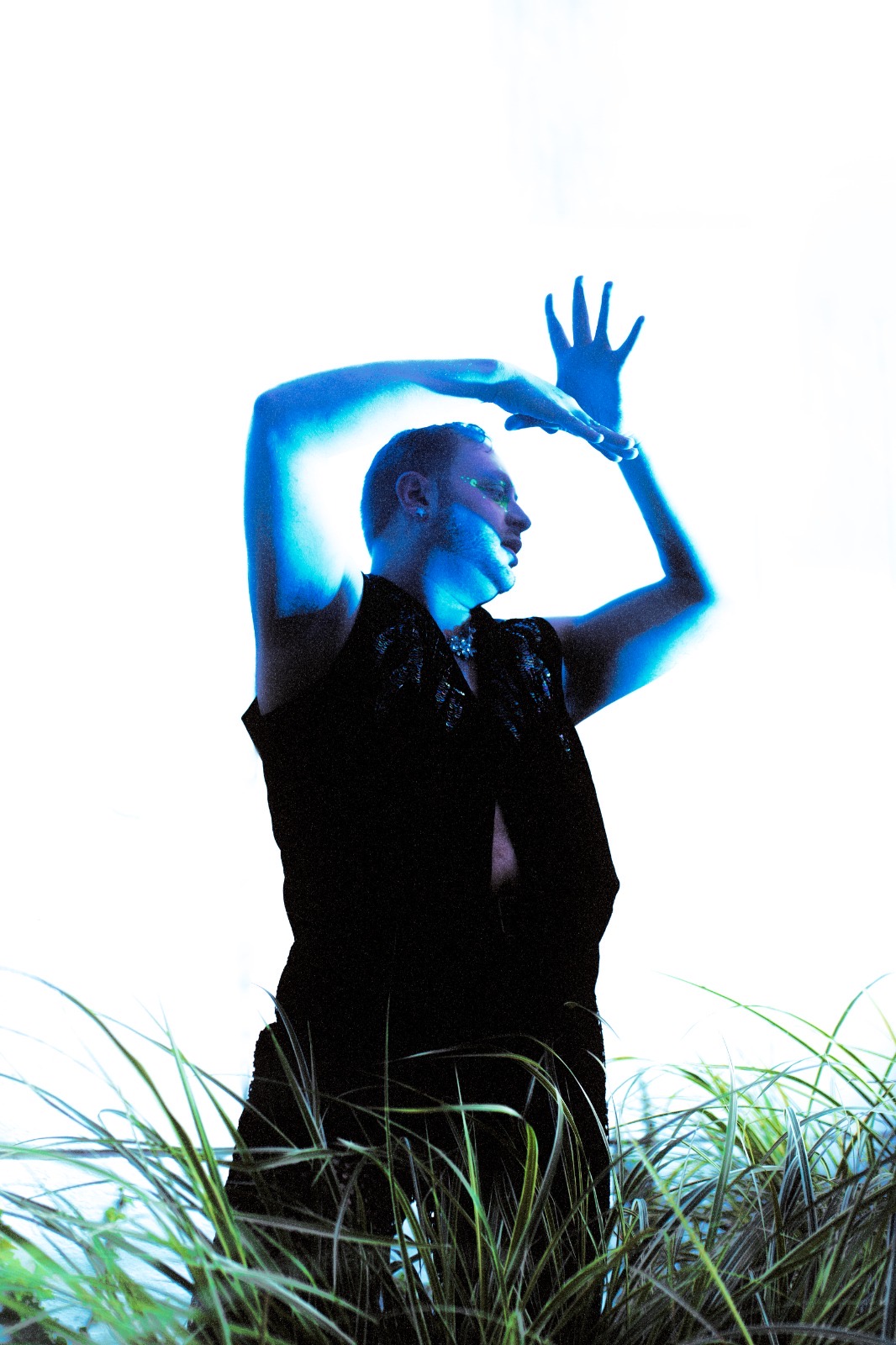
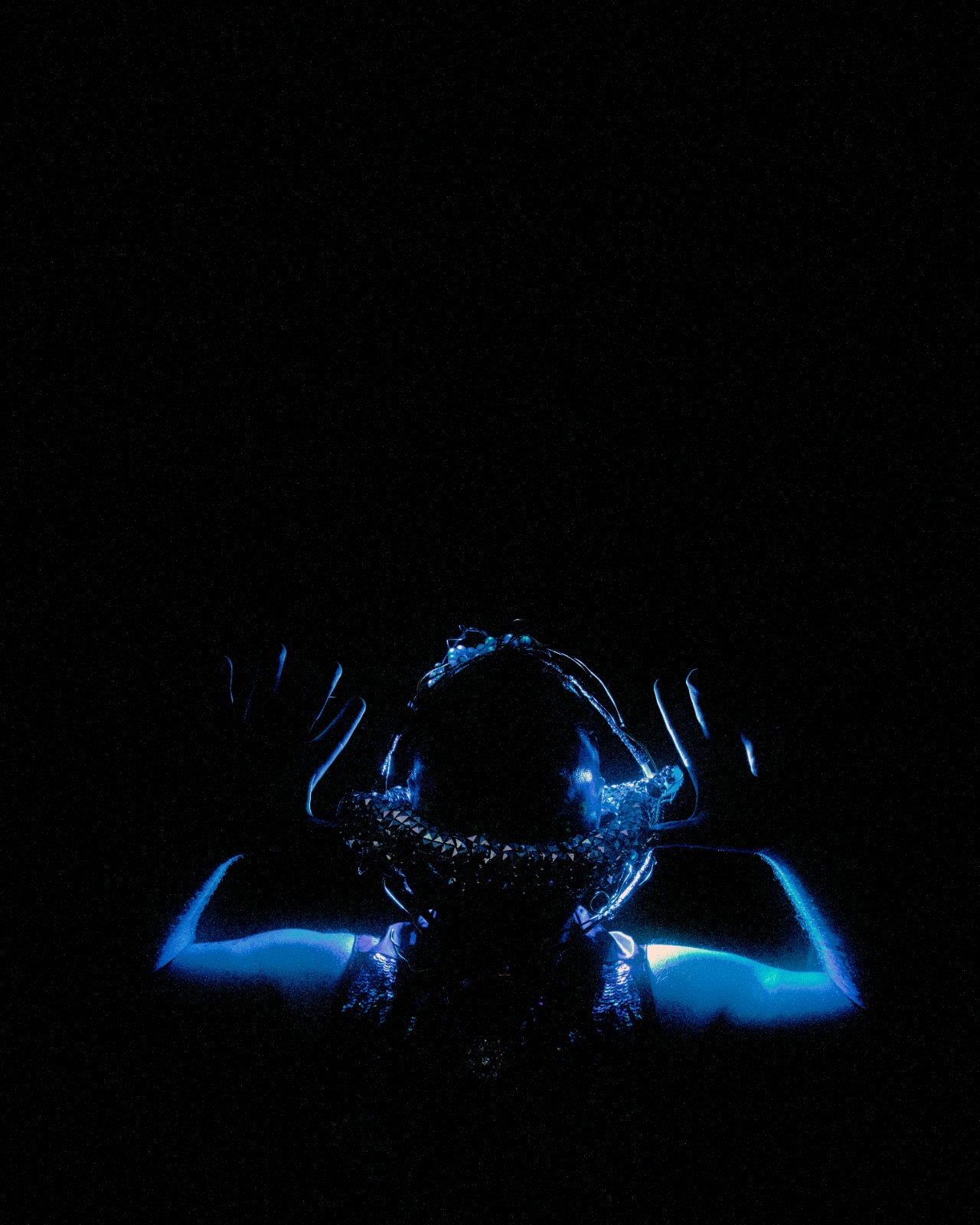
The visual world surrounding the project is developing alongside the music. Photographer Sumner Howells has collaborated with SEPH on multiple photoshoots, including two recent shoots for the upcoming album campaign. For “Alien,” the visual process included mood boards, vintage clothing, and a handmade Saturn-inspired rotating headpiece created specifically for the photoshoot. These visual elements form part of SEPH’s wider approach to presenting music as a complete creative world rather than as sound alone.
“Alien” therefore functions as more than an isolated single. It marks the opening of a larger musical and visual chapter, one that moves from the emotional territory explored in The Dawn Of A Dream toward a broader examination of identity, ambition, self-discovery, freedom, love, and the future.
Having this brief introduction to today’s featured project, I’m sure both new listeners and longtime fans are excited to hear directly from SEPH. So, without further ado, let’s begin today’s interview.
INTERVIEW SESSION
Oliver:
You have been active in the Columbus music scene since 2016, performing not only as SEPH but also alongside your twin sister and other local musicians. Looking back at those early years, what experiences on that local stage had the greatest influence on the person and artist you have become today?
SEPH:
I’ve always loved performing my music for anyone willing to listen, whether that’s been a small stage at a coffee shop or a larger stage at a local festival performance with more artists. When my twin sister Natty and I started performing together under the stage name ‘Twinzsz’ (pronounced just as “twins”) starting in 2016, we sang cover songs from our favorite artists, including Charli xcx, Tove Lo, Dua Lipa, and more. This gave me the courage to finish the demos that I’d started and write even more songs more quickly than before, as I wanted to start singing my original songs alongside these cover songs. I called Vaughan Music Studios in late 2016 and we began recording our 1st EP ‘Afterglow’, which we later completed and released in October 2017, consisting of 6 of my original songs that I wrote and produced alongside audio engineer Matt Hagberg, who I’ve worked with on every song since. Natty was interested in the visual side of things, as I wrote the songs on my own, but we both sang the songs in the studio on separate vocal tracks before Matt mixed and mastered the songs with my production and additional production that we all collectively agreed to add to the songs, including tracks “No Serenity”, “Rainbow”, and “Heaven.” To this day, Natty and I listen to all my demos before I continue working on the songs with Matt in the studio, and Natty has helped with creative direction, editing text on my songs’ single covers, and given me advice for promotion of my music, as she works in New York City in music marketing and promotion of artists on a record label.
Oliver:
You began your musical path primarily as a songwriter, musician and producer, and over the years you have continued to take control of more parts of the creative process yourself. What does having that level of creative involvement mean to you personally, and how has it changed the way you express ideas through music?
SEPH:
As an independent artist and musician, having complete creative control and involvement in every aspect of my music, including the lyrics, production, recording process, planning and creation of visuals, styling, shows, and promotion and distribution of my songs, has been very fulfilling. As I’ve always written my own songs and created my own production, I couldn’t imagine not having this creative involvement with my own artistry. I’m a huge fan of many artists, and seeing how some of my favorite musicians have struggled with creative control with their art under major record labels has made me feel appreciative that I don’t have to ask anyone for permission about if my music is “good enough” to complete the final mixing and mastering of my songs for release. I own 100% of the masters of my songs, and even though I’m not making a whole lot of money off streaming platforms, I’m grateful that the songs I write, produce, and sing are all my own and nobody else’s. To feel this freedom in every part of my artistry really has allowed me to continue to write and produce my own music on my own terms, my own time, and I definitely believe I’m able to create the best versions of these songs without any pressure from record label execs, millions of fans, and people telling me how they think I should sound to be “successful.” There are thousands of artists like myself who wish we had a bigger budget to work with to create music videos and push our music to larger audiences, but I strongly believe that you don’t need a huge budget to create incredible visuals, photoshoots, and performances for your music, you just need to stick to your vision and spend the time to craft your own materials and find like minded people who can help bring your vision to life.
Oliver:
Your work brings together your personal experiences, your ambitions and your ideas about the future, while this new project also uses outer space as a way of exploring those themes. What has always drawn you to the idea of using something as vast and unfamiliar as space to express parts of your own life?
SEPH:
I’ve always been drawn to outer space and felt very fascinated with the possibilities of extraterrestrial life, the planets, the stars, and the feeling of there must be something else out there that is more exciting than on Earth. I remember staring at the ceiling of my bedroom as a kid, with those glow in the dark stars all over it, and looking outside at airplanes at night, pretending they were UFOs. Fast forward to my 1st album ‘Electric Expressions’, released 5 years ago in September 2021, where I wrote a few songs with references to outer space, including “In the Stars”, “Forever / Free”, and “Galactic Romance.” “In the Stars” is a dance track with lyrics about escapism, “Forever / Free” is an experimental anthemic song about the apocalypse, where I reference the planets aligning and the Earth melting away, and “Galactic Romance” is a dreamy fantasy song, where I sing about a future unknown lover and feeling safe among the stars and planets, throughout all of space and time. When I wrote this new song “Alien” last year, the production I started with sounded very anthemic and triumphant. I was feeling a little isolated, but I was very intentional and specific with the lyrics, as I wanted to use many descriptive, visual words and phrases like “body full of steel”, “encasing my soul in chrome”, and “love paranoia.” I also sing in the chorus “I am the alien, I need my space / But I accept this love, a warm embrace” to be interpreted in both a literal sense with an alien needing space as in existing within outer space, and in a figurative sense with myself feeling like I need physical space or distance from others in order to protect myself.
Oliver:
You have previously explored darker and more dramatic emotions on ‘The Dawn Of A Dream’, but this new project shifts some of that focus toward your ambitions, desires, support systems and manifestations for the future. What was happening within you that made it important to turn the focus back toward yourself for this chapter?
SEPH:
I wrote many songs on my 2nd album ‘The Dawn Of A Dream’ around 2021 through 2022, as I was finishing final mixes and the recording of my 1st album ‘Electric Expressions’ and releasing it. This 2nd project also included songs that I felt would not fit on ‘Electric Expressions’, including demos for “Rhinestone Soul” and “Glass Disco Ball”, which I wrote in 2019, and “Gold”, which I wrote in 2020. However, the lyrics to the songs I wrote in 2021-2022 and later recorded for the full project from 2022-2024 were inspired by someone I fell in love with and later fell out of love with. It was a very dramatic and difficult time in my life, and while I’m so proud of this album and my vulnerability as a songwriter, expressing many conflicting emotions of love, sadness, heartbreak, frustration, rage, healing, and redemption, I wanted the lyrics on every song on this upcoming 3rd album to mention things that I’ve never discussed in my music before. Thus, every song on the album has lyrics that tell new stories that I’ve never talked about before, with a fresh perspective. There are a few songs that directly address the resentment I’ve felt towards the person I wrote about in songs for ‘The Dawn Of A Dream’, including a raw and emotional rock power ballad, as unfortunately there were new challenging events that happened after the songs on this 2nd album were completed. However, the way I sing these songs and address these difficulties in the lyrics, really showcase both my anger in a real and raw way that I haven’t ever done before, and I’m acknowledging that these things happened, but I can and will overcome them. After moving through those songs, there’s still over half of the album to go, with the majority of the record being dance/house tracks, alt-rock tracks mixed with real electric guitar and dark synthwave soundstructures, and dreamy melodic tracks with futuristic soundscapes. I wanted this 3rd project to include a wide variety of genres, lyrical themes based both in reality and fantasy, but feel cohesive, with the tracklist structured to move through my past, present, and into the future.
Oliver:
You have cited artists such as Lady Gaga, Kesha, Miley Cyrus and Charli xcx as examples of artists who have expanded their musical identities and explored rock alongside their earlier pop and electronic work. What have you learned from watching artists make those kinds of creative shifts, and how has that influenced your own willingness to move between house, synthpop, electropop and rock?
SEPH:
I’ve always been interested in seeing how artists such as Lady Gaga, Kesha, Miley Cyrus, Charli xcx, and more have started out making pop music with their earlier releases, and have later pivoted genres into rock-influenced songs, such as with Lady Gaga’s ‘Born This Way’ album (2011), Kesha’s ‘Rainbow’ album (2017), Miley’s ‘Plastic Hearts’ album (2020), and Charli’s ‘Music, Fashion, Film’ album (2026). I’ve learned that exploring a different genre such as rock, or many different genres within the same album/project, can be both challenging and risky. I’m always wanting to create new songs that are both true to myself lyrically and sonically, but also push my limits of what I think I can do with my music so that I remain passionate and excited about my new art that I’m creating. I’ve always gravitated to instrumentation in songs that are very “hard” or “abrasive”, including intense synthesizers, heavy bass guitar, and a lot of electric guitar. While I love a slow, melodic song, I want a lot of my music to grab your attention, especially with the production, and after gathering many of the song demos together for the first draft of the tracklist for this new project, I realized that nearly every song on this new album included electric guitar, with some tracks leaning more towards rock than pop, and for other tracks, we’ve used electric guitar in parts of the instrumental over the dance/house track to elevate the production. Initially, I wanted to explore more dance/house music with this new album after creating a dance/house influenced experimental track, “Glass Disco Ball” off my last album from 2024, in addition to wanting to explore more rock music and add electric guitar to my songs after creating rock-influenced tracks “Glitter In The Air” and “Cancer Moon” off this project, too. I would say this new record is a good combination of both alt-rock production, mixed with dance/house music, and synthpop, with more experimental vocal effects like Vocoder, and layered vocal tracks that are pitched up and pitched down in the back of the mix to create a more dynamic-sounding track.
Oliver:
With nearly every song on the upcoming album incorporating real electric guitar, while other songs place guitar within dance and house production, you are creating a noticeable connection between electronic music and live instrumentation. What does the electric guitar allow you to express that you could not achieve through electronic production alone?
SEPH:
I thought it was important to incorporate live instrumentation in my songs, such as with real electric guitar, bass guitar, synthesizer, and piano, in addition to electronic production. When I create the song demos on my own, I work pretty quickly and use a lot of electronic production like synths, keyboards, creating my own drum patterns, and using the virtual instruments on Digital Audio Workstations (DAWs) like Logic, GarageBand, and Ableton. When I bring my complete song demos to the studio to record with Matt, I usually have ideas in mind to bring some of these stems to life with real instruments. With this new record, as we began to record several songs, Matt played the electric guitar on a few of them and comparing the song demos versus the final mixes of these songs, I really felt the energy of each of these songs was elevated because of the live instruments. So while we are finishing recording the rest of the album, I have over a handful of more songs that will definitely have real electric guitar and bass played over the electronic production and guitar and bass loops that I’ve created, to give the songs more life and energy than before.
Oliver:
“Alien” approaches isolation from an unusual perspective by treating it as something that can be accepted and even used as a source of strength rather than simply something painful. When you first began writing the song, what personal understanding of loneliness or needing space were you trying to capture?
SEPH:
I wrote “Alien” late last year with the intention of creating more dance/house tracks for the album, after writing a few dance/house tracks the month before that. While I was creating the production and compiling synth and bass loops in the same key, I was feeling a little emotional because the production already sounded very significant and triumphant, and I was very eager to get to writing the lyrics. I had written the title “Alien” a few weeks before, as I had already created the album title (to be announced next year!), the title track of the album, and several “outer space” related songs before writing “Alien.” The production really informed how I wanted the melody to be and what the lyrics could be about. I started writing the chorus first and relating my own experiences of loneliness and needing to protect myself from hurt to those of an “alien” or someone who doesn’t fit in or feel safe and comfortable. While the lyrics to this song can relate to my own life, I intentionally kept them both broad and descriptive. The lyrics are broad, as I don’t explain the specifics of why I’m feeling lonely, as there are several songs that come before “Alien” on the tracklist for this album that detail specific scenarios, and I wanted listeners to be able to relate to what I’m singing. The lyrics are also descriptive with the way I describe how I’m protecting myself, while powering through and finding comfort in my own skin, without needing to rely on anyone but myself.
Oliver:
The lyric “I am the alien, I need my space / But I accept this love, a warm embrace” brings together two seemingly opposing needs: protecting yourself and remaining open to love. How did you arrive at that balance, and what does it say about where you are emotionally at this point in your life?
SEPH:
I believe that this dichotomy of both protecting myself and remaining open to love is something that can be difficult to balance, but is important to embody in my current life and through my future. I’ve struggled with romantic relationships, and I’m currently wanting to open myself to love again, but given past experiences, I’ve needed to protect myself from hurt that I would have never imagined could be possible.
Oliver:
The imagery of “encasing my soul in chrome” and having a “body full of steel” suggests someone building protection around themselves after being hurt repeatedly. What personal experiences shaped that imagery, and how did you decide that these ideas were better expressed through futuristic and physical imagery rather than more direct language?
SEPH:
I’ve had past romantic relationships that have amounted to more unexpected distress in my life than I had anticipated. I spend a few songs sorting through these emotions and dealing with the unimaginable, but I intentionally do not stay there. As with these songs and in my life, I’ve stood up to these challenges and I’ve moved on to better things for myself. After moving on from these songs to the next ones, there are many more songs on this record that are not related to romantic relationships, as I sing about many topics related to fame and success, fantasy and reality, power and control, fear and love, manifestations for my future, and more ideas that I’ve never discussed in my song lyrics before.
Oliver:
You have said that the melody carries a slight melancholy while the overall intention remains empowering, almost as though the song is working through its emotions from beginning to end. How did you shape the melody and vocal performance to maintain that tension between vulnerability and strength?
SEPH:
I wanted the song’s melody and my vocals to build from feeling isolated and vulnerable to more hopeful and triumphant as it moves from the verse to pre chorus, which are more emotional with my lyrics, and I crafted the melody so that I’m not hitting higher notes until the chorus, where the mood shifts to be empowering. As the chorus moves into the post chorus/”hook” of the song, the mood moves to be more strengthened, until it’s into verse 2 and feels more vulnerable again. However, as the song moves into the final pre-chorus through chorus 2 and the final post chorus/”hook,” the energy remains high and the mood shifts to empowering, inspired, and triumphant, as I use the same melody but in my higher octave as a strong background vocal to sit in the mix with the lower octave melody. This was intentional, as I wanted the song to build up to feeling very euphoric, back to more emotional, and then back up to euphoric through the rest of the song, and I believe this was achieved through my lyrics, melodies, and harmonizing with the lower and higher octaves.
Oliver:
You recorded “Alien” without Auto-Tune, relying largely on reverb to give your vocals an echoing quality associated with being in outer space. What made you choose your natural vocal performance for this particular song, and how did the reverb become part of the emotional and conceptual expression?
SEPH:
I thought about using Auto-Tune on “Alien”, and considered using it in parts of the background vocals for the chorus, to give a more “alienated” or robotic effect. However, given the lyrics about feeling isolated and the empowering nature of the chorus, I wanted my real vocals to shine through without a pitch corrector and just use a reverb effect on my voice.
Oliver:
After listening to the final mix several times, you decided to add additional background vocals and harmonies, including the extra “oh’s” across different octaves. What did you hear in the original version that made you realise something was still missing, and how did those additional vocal layers change the ending for you?
SEPH:
I love the vocal layering towards the end of the song with both the lower octave and higher octave, and the background “oh’s”, which feel like all 3 layers of vocal takes are floating in the mix of the song, giving that “outer space” effect. With the original demos that I created on my own, and the later mixes that I recorded with Mateo and then Matt, none of them had background vocals, as I didn’t want the song to feel too full or overwhelming. However, listening back to what was the final mix of “Alien” this past spring, I told Matt in our next studio session that I wanted to try to adlib “oh’s” and background harmonies in the song. I then sang those in one take on separate parts of the song, including in the final chorus and outro sections of the song, and was so happy with the final result. It really felt like that final, subtle piece of the song was complete, as the background vocals really give it that atmospheric “outer space” effect that I was aiming for.
Oliver:
Your creative partnership with Matt Hagberg stretches back to 2016 and includes two full-length albums and an EP, while your collaboration with Mateo Gutierrez has already developed through earlier demos before these songs reached the studio. How do those long-term and newer creative relationships complement each other when you are trying to turn an idea into its final recording?
SEPH:
Matt and I have worked on every single song from every project that I’ve released in my music career so far. Through the hundreds of hours and countless studio sessions that we’ve worked together on these songs, I feel that we’ve really created the best versions of each of the songs that started as demos that I wrote in my bedroom. While I have written all the words and lyrics to every song on my own, Matt and I are very collaborative in the professional studio, where we are often making decisions in the moment when I’m singing the songs, as we try different effects on my vocals, like Vocoder and Auto-Tune to layered vocal takes to simple reverb. After 10 years of recording songs, I’ve found that it’s rare that Matt and I disagree on what we think is right for the song, including the vocals, the production, and adding sections to the songs like intros, outros, a bridge, etc. Sometimes it may take me a minute to describe what I’m wanting to add to a song, but the production that Matt then adds to the songs is incredible, and I’m always leaving the studio listening to the mixes of the song we worked on that day so that I have more ideas to tweak in the mix during our next session. I’ve developed a trust with Matt, as we’ve worked on songs that are very personal to me, and I’ve never once felt judgment from him when I’m singing lyrics that are super vulnerable. He always has great ideas for how to take songs to the next level and I’m so, so grateful for our working relationship over the last decade, as I would never have continued writing music without his collaboration and support.
Mateo and I connected over Instagram last year through our past music releases, and I’m so glad that we were able to work on 3 of the dance/house music tracks, including “Alien”, so that by the time I started recording again with Matt this year, Matt and I agreed that the mixes of these tracks were nearly complete and saved us so much time when finishing the songs. Mateo is patient and took the time to ask about the lyrical and production themes of my past 2 albums and how this new project is going to take some elements from these projects, while adding new production, lyrics, and genres to this upcoming 3rd album. For one of the new songs (which will be the next single after “Alien”!), we listened back to a new mix of it, where Mateo added some vocal effects to when I was singing the title of the song, using my demo vocals and pitching it down. I loved this new part, and also asked if he could play guitar on the later part of the chorus of the song. In our next session, I was so happy with the result of the new guitar layer, as it sounded almost identical to the guitar melody that I was envisioning, and complemented my original melody for the song’s chorus.
I’m really satisfied with the work that we’ve done for these new songs, and having Matt recording with me, who I’ve known and trusted with my music for a decade, and Mateo helping with the production elements and mixing of a handful of songs on the record, has been so helpful in my completion of these new tracks, which wouldn’t ever feel complete without their insights and hard work.
Oliver:
Vaughan Music Studios has been part of your professional recording life for roughly a decade, and this upcoming album will become your third full-length project recorded there. What makes returning to that same studio meaningful to you, especially as you continue developing a larger and more ambitious body of work?
SEPH:
Recording at Vaughan Music Studios feels comfortable and safe, which are feelings that I’ve always had recording in this space with Matt. I couldn’t imagine not recording at least some of the songs at VMS for this album, and collaborating on the recording on these new songs after a milestone of 10 years of recording with Matt felt very significant. I remember in January of this year, during our first recording session for this new project, Matt and I discussed in detail the album’s tracklist and my ideas for a “concept album” for this project, which at the time included nearly all the finished demo versions of the songs that we began working on, with titles and lyric ideas for a few unfinished demo songs that I later finished in the next 2 months after recording, to complete the full tracklist for the record. I’m so grateful for Matt’s insights while recording, and it’s crazy how I’ve recognized his talents in music recording and audio production so many times over the last decade, yet every time we record music together in each session, I’m still just as amazed at the ideas that he can come up with to make these songs reach their full potential. Thank you so much, Matt.
Oliver:
You mentioned bringing demos into the studio after sometimes listening to them for months or even years before beginning the final recording process. What do you usually discover during that long period of living with a demo, and how does that time influence the decisions you eventually make in the studio?
SEPH:
For me, I feel that giving the song room to breathe and grow before I record it professionally in a studio is important. There have been many times in the months or years prior to bringing a song to record in the studio, and even during the process of recording the song and mixing it in the studio, that I will change production elements of the mix, add instruments, or change around sections of the song. With the previous 2 albums, I rarely changed my initial lyrics, as I felt keeping my “gut feelings” in the song were important and added to the emotional vulnerability that I like to keep in the final mixes of the tracks. I definitely stand by all my lyric and production decisions for these projects, but for this new album, I rewrote a handful of songs with new lyrics and new production, and completely scratched the initial lyrics and production that I’d created, as I wasn’t satisfied with those demos. I kept the same song titles for these songs and used similar themes for the lyrics, but with these particular songs, the newer versions of them felt so much more interesting and exactly what I had initially sought out to create. There’s more songs that I’ve used my previous techniques in, where I kept most of the original lyrics, but I’d say overall, with this album I haven’t felt afraid to scratch ideas, cut songs, re-write songs, and go further with my lyrics. Many of these new songs are filled with “wordy” lyrics, as I’ve written longer lines in the songs but I sing them quicker and in different melodies so that I can fit all the lyrics in the songs. I love writing songs and giving myself room to change parts of the lyrics and production on my own first before recording, as that has helped me become a more confident songwriter and producer and know what I want to put into a song and what I don’t believe a song needs.
Oliver:
The upcoming album has grown from more than 11 songs into an even larger project, with themes connecting outer space, power and control, fear and love, fantasy and reality, and your past, present and future. How do you keep such a wide range of subjects connected so that the album still feels like one complete statement?
SEPH:
When I started writing for this project, it didn’t really feel like an album yet, which was the case for both of my first 2 albums, too. The first song I wrote for this project I started a few weeks prior to the release of my 2nd album ‘The Dawn Of A Dream’, which was released in August 2024. I felt for nearly a year after the release of this project, that I was having a sort of writer’s block, which may have been from feeling tired of trying to self-promote my own songs for over a year during this album campaign from 2023 through 2024, and there were new struggles in my life that were related to some of the subject matter that I wrote about for that album.
However, after working hard to find a resolution to these issues for over a year, I received justice for this situation I was in, which felt very suffocating and was creeping into every aspect of my life. I then wrote over 10 new songs in a span of the next year from mid-2025 through spring of this year, which had nothing to do with some of these old songs’ subject matter, and were filled with much more hopeful and forward thinking statements and production. Looking back on the songs that I wrote during this difficult time before I received justice, I decided to include a few of them in the tracklist, as without this situation and without myself standing up to it, I wouldn’t have felt this new freedom and felt more back in myself than I had in nearly half a decade of my life. Thus, I structured the tracklist to move from the past, through my present, and into my future through the lyrics, and use the various genres and production of the record to help tell my story and show the wide range of things that have occurred in the past 2 years since the last album, and my manifestations for my future. The album addresses many things, but it is cohesive, as many of the songs’ lyrics “interact” with each other and there are some songs that reference prior songs from past projects, too.
Oliver:
Your visual work has also become an important part of this project, from developing mood boards and vintage outfits to creating a DIY Saturn-inspired rotating headpiece with photographer Sumner Howells. What does building these visual details allow you to communicate about SEPH that the music alone cannot?
SEPH:
Creating visual worlds to complement the music that I’ve written and produced has always been important to me, especially in the last 10 years of releasing music. I’ve never had a “budget” for my visuals, as all of these photoshoots and recording session costs have come out of my own pocket, but I’ve been able to create many visuals on my own through vintage shopping and thrifting for outfits to wear during the shoots, and through collaborations with local artists, photographers, and musicians. For my most recent 2 photoshoots in July and August of this year, I spent a few months vintage shopping, creating mood boards to gain inspiration for the aesthetics of the visual world that I was aiming for, and creating my first headpiece. I shopped for a bunch of materials for the headpiece at Michael’s craft store, and luckily was able to get the majority of what I needed there. I then used zip ties to create the outer layer and structure of the headpiece to resemble Saturn’s rings, and glued many materials with gems, fabric, beads, and more to these structures to give it color and shine for the shoot. I didn’t intentionally make it rotating, as I was going to secure the entire headpiece so that it wouldn’t fall off my head during the shoot, but after trying it on about halfway through the creation, I decided to keep the structure a little loose so that we could play around with the angles of it during the shoot. This worked out great, as some of the photos feature the “ring” covering my eyes and others we could place above or below my eyes.
I believe building these visual details truly brings my music to life, as I can picture many ideas and visual stories for these songs and projects in my head while writing the music, but after working on the shoots and seeing the real photos, the creative world that I’ve been working on finally feels like it comes to life, and for people viewing these pictures and listening to my music, they can start to see things from my perspective and hopefully find ideas that they can relate to.
Oliver:
Your live performances combine live vocals, choreography, striking outfits, coloured strobe lighting and instrumental tracks designed specifically for the stage, and your recent Global Gallery performance even included a light show synchronised to each song. How important is that visual and physical side of performance to the way you want audiences to experience your music?
SEPH:
The visual and physical sides of my performances are very important to how I want the audience to experience my music. In the past, I’ve often used strobe lights, fog machines, colored string lights, projectors (to project images from photoshoots and video interludes between songs), and flashy outfits to simulate the illusion of a nightclub. More recently, I’ve taken elements of the visuals and lighting from my past shows and decided to use 2 light-up poles on either side of my mic stand, with a remote control in hand, so that I can easily change the colors and patterns of the poles for every song in my set. This lighting display was also synced to the beat of all of my songs, so the lights would change pattern based on each of the song’s BPM. I have also always planned choreography for particular songs in my set, choose certain songs to keep the microphone in the mic stand, and choose songs that I will improvise choreography for. If I’m playing a few older songs in my new set, it’s now become muscle memory for me to do choreography that I started working on nearly 10 years ago, and it makes it easier for me to sing those songs, too. Playing live shows has been one of my favorite parts of creating my own music and I’m so happy that I’ve now built a larger catalog of music so that I have many songs to choose from to create new setlists.
Oliver:
“Alien” is the first of several singles leading toward the full album in 2027, and you have described the later part of the project as becoming more upbeat, hopeful and whimsical after confronting anger, resentment, power and control earlier in the album. What can listeners expect to discover about your artistic world as these different chapters of the project continue to unfold?
SEPH:
I think that listeners are going to be surprised at the spectrum of emotions and both the lyrics and production themes that I carry throughout the entire record. I was surprised at the many new ideas, lyrics, and production ideas that I was coming up with after feeling very burnt out after the releases of my first 2 albums. While there are lyrics that reference a few older songs from my past projects, this album feels like I’ve taken some of the emotions from those songs to exist within brand new songs, with more interesting lyrics and full-fledged concepts. I didn’t intentionally set out to make a concept record at the beginning of writing these songs, but after writing over half of the songs on the
tracklist, I realized that despite the variety of ideas, concepts, emotions, and genres of the songs, there were overall themes that tied them together, which then made it easy to structure the full tracklist in order from my past, present, and into my future manifestations.
Oliver:
After three full-length projects and an EP, alongside a decade of recording, performing and developing your identity as SEPH, what do you feel this new chapter is teaching you about the artist you want to become, and what do you hope the larger body of work ultimately leaves behind?
SEPH:
I feel this new chapter is teaching me so much about myself currently, and the artist that I want to become. The very start to the creation of my projects versus the very last day of the final mixing of the last song on my albums has felt like a long journey, and I’m surprised at how all of my original demo lyrics and production are carried into the final mixes, but they always sound so much better than I could imagine. Currently, Matt and I are about halfway finished with the recording process of this new record, even though the tracklist is complete and I’ve finished writing and producing all of the songs’ demo versions. Matt and I have already made comments that we agree this is not only my longest and most ambitious album yet, but it is my most exciting record yet that showcases a variety of genres and themes that I want to channel into the music.
I feel that after a while of not feeling sure if I would be satisfied with the new songs I was writing, and then writing more and more songs that I was very happy with, it now feels like I’m even more in charge of the music I’m creating. It’s interesting, as I’ve always written every word on my own songs and still do, that for a lot of the creation of the lyrics off my first 2 albums, I felt that if I didn’t write down lyric ideas and finish a song demo immediately, that my ideas would be gone forever. However, with writing these new demos, I took more time and I was a lot more intentional with my lyrics, as I know if I’m going to record these songs and perform them later, then I want to stand behind every lyric I write, and feel good about them for years to come. I’m so glad that I pushed through this writer’s block, and while I’m currently focusing on the recording of these recently finished song demos for the tracklist on this album, I’m looking forward to creating new songs in the future.
I hope that this new full body of work shows that I am a true artist. I haven’t found commercial or financial success with my music, but if I was creating music to make a profit, then I would’ve quit a long time ago. I’ve wanted to be an artist since I was 5 years old, I dressed as the painter Norman Rockwell in the 2nd grade, and won local talent shows as a kid for my original drawings. At 13 years old, I wrote my first song, and I remember being obsessed with my cousin’s MacBook because I could try creating music in GarageBand. Fast forward to ages 21-22, when I started recording music with my twin sister for our EP/extended play ‘Afterglow’, and at ages 24-26 when recording for my 1st album ‘Electric Expressions’, to ages 27-29 when making my 2nd album ‘The Dawn Of A Dream’, and now at ages 30-31 creating this upcoming 3rd album (the title will be announced next year!). While I’ve been recording my original music for 10 years, music has always been my life and my passion, even before deciding to produce and record my songs. This new album shows that I am a talented artist, writer, and producer, who can bring my own unique experiences into my songs, while creating innovative soundscapes that feel both true to myself as the creator of the music and feel captivating to listeners.
“SEPH’s ‘Alien’ turns the idea of feeling like an outsider into something far more expansive, using electronic energy, futuristic imagery and layered vocals to trace a journey from emotional protection toward self-acceptance. What makes the track especially compelling is how clearly it functions as the opening door to a much larger artistic universe.”
~ Oliver (DULAXI Team)
EDITORIAL PERSPECTIVE
“Alien” feels like an important introduction to the world SEPH is building around the upcoming album. Its electronic foundation gives the track movement, while the layered vocal arrangement and spacious reverb create a sense of scale that supports its outer-space concept. More importantly, the songwriting gives the production a clear emotional purpose. The contrast between vulnerability and confidence makes the song feel like a process unfolding in real time, while the final vocal layers provide a fitting sense of expansion.
~ Oliver (DULAXI Team)
CLOSING
Thank you to SEPH for taking the time to speak with DULAXI and for sharing such an extensive look into the making of “Alien,” the creative relationships behind the release, and the wider artistic world taking shape around the upcoming album.
The conversation offers a fascinating perspective on what happens when an independent artist gives themselves the freedom to explore without being restricted to one genre, one subject, or one way of creating. “Alien” is only the beginning of this new chapter, and the ideas surrounding the forthcoming project suggest that there is considerably more still to unfold.
For listeners discovering SEPH for the first time, “Alien” offers an opportunity to experience the beginning of that journey while also exploring the work that has led to this point. We look forward to seeing how the upcoming singles and full album continue to expand the musical and visual universe introduced here.
Thank you for spending time with DULAXI, and thank you once again to SEPH for joining us. This has been Oliver for DULAXI, and we look forward to bringing you more conversations with artists and creators from around the world.