
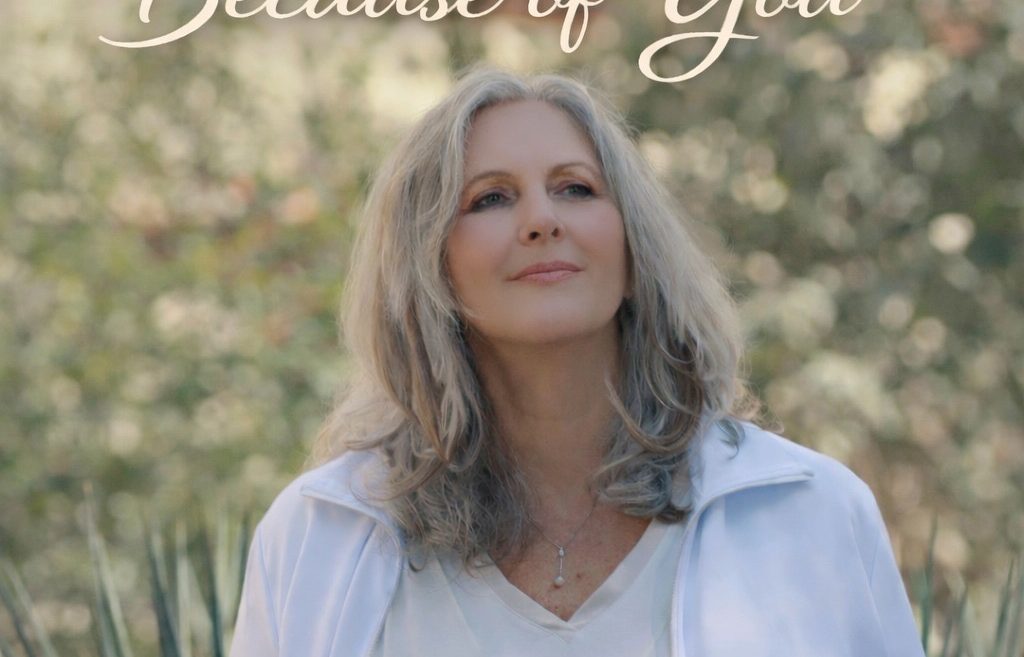
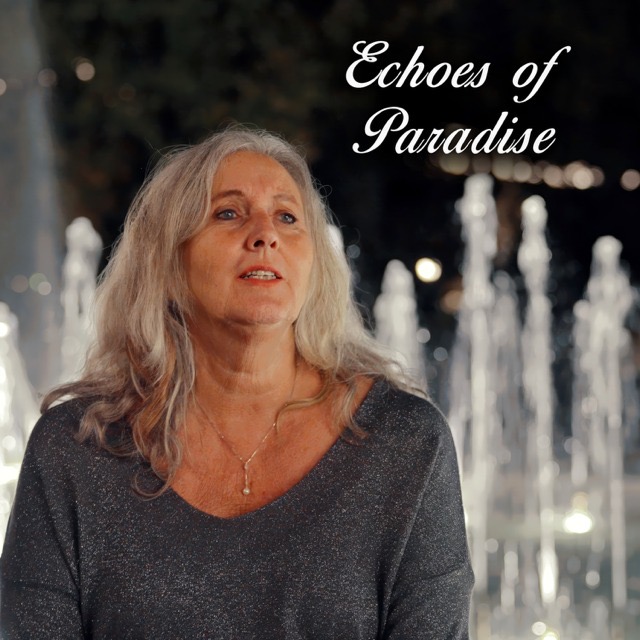
Hello everyone, it’s your host Oliver from DULAXI, and today I’m delighted to be joined by singer-songwriter Elisabeth Grey, whose musical journey continues to demonstrate that creativity does not belong to any particular stage of life. Based in Harderwijk, Netherlands, Elisabeth works across contemporary pop and commercial music, bringing together uplifting songs, intimate ballads, easy-listening compositions, and orchestral textures. Today, we are discussing her latest release, “Echoes of Paradise,” released on 19 February 2026 and serving as the third song from her current EP.
Recorded with the European Recording Orchestra in Sofia, Bulgaria, “Echoes of Paradise” represents an important chapter in Elisabeth’s continuing musical journey. Before we begin our conversation with Elisabeth Grey, here’s what you need to know about today’s featured project.
About Elisabeth Grey
Elisabeth Grey’s relationship with music began long before the current chapter of her career. She received her first guitar at the age of ten and later played bass in her first band, but life eventually took her in another direction. At nineteen, she put music aside to establish her own shipping company, entering a period where professional responsibilities left little room for the musical ambitions that had been part of her life from an early age.
That passion, however, never disappeared. At thirty-one, Elisabeth began taking singing lessons and committed herself to regular practice, eventually forming several cover bands while also developing her own songwriting. Those different stages of life have become part of the foundation of her artistry, giving her a wealth of experiences that she can now draw upon when writing and performing.
Her musical identity is broad but connected by a clear desire to communicate emotion and create a positive experience for the listener. Her catalogue moves comfortably between catchy, danceable material and softer, more relaxed compositions, allowing different moods to exist naturally within her work. Rather than restricting herself to one particular sound or audience, Elisabeth allows the feeling behind a song to determine its direction.
This openness also extends to the people she works with. Throughout her musical development, she has collaborated with musicians from different generations, an experience that has encouraged her to remain receptive to new ideas and perspectives. Her approach reflects a belief that music can create a meeting point between people with different backgrounds, experiences, and stages of life.
“Echoes of Paradise” continues that journey as the third song from her EP. The project brought Elisabeth into the recording environment of the European Recording Orchestra in Sofia, Bulgaria, giving her the opportunity to hear her music expanded through the sound of a live orchestra. The recording process required considerable time and energy, but for Elisabeth, hearing the music she had imagined become something tangible in the room was an emotional and memorable experience.
The orchestral setting gives the release a wider musical dimension while retaining the personal quality that sits at the heart of Elisabeth’s songwriting. Her voice remains central as the arrangement develops around it, allowing the song to balance personal expression with a larger instrumental setting. The recording work associated with the project also involved Doli Media Studio in Sofia, while Wiserock Sound Studios was involved in supporting the recording and production process.
Having this brief introduction to today’s featured project, I’m sure both new listeners and longtime followers are excited to hear directly from Elisabeth about her journey, her creative process, “Echoes of Paradise,” and the ideas behind the music. So, without further ado, let’s begin today’s interview.
INTERVIEW SESSION
Oliver:
Looking at the path that brought you to music, what personal experiences and life stages have shaped the woman and artist you are today, and how have those experiences influenced the way you express yourself creatively?
Elisabeth Grey:
I got my first guitar when I was ten years old and later played bass in my first band. At nineteen, I put music aside to start my own shipping company. Building a business left me with little time for music, but that passion never disappeared. At thirty-one, I began taking singing lessons and practised for about an hour every day. I went on to form several cover bands and started writing my own songs. Those different chapters of my life have given me experiences that I can now draw on in my music.
Oliver:
You have spoken about the idea that life can begin again when circumstances change and new possibilities become available. How has that philosophy influenced your decision to pursue music and continue creating at this stage of your life?
Elisabeth Grey:
Life asks a lot of us, so I believe it is important to find something that brings you pleasure and a sense of fulfilment. For me, that is making music. When circumstances change and new opportunities arise, I believe in embracing them. There is always room for another chapter.
Oliver:
You have worked with musicians from different generations throughout your career. What have those collaborations taught you about exchanging ideas across generations, and how has that experience shaped the way you approach your own artistry?
Elisabeth Grey:
Working with musicians from different generations gives you insight into their world, and it helps them understand yours as well. That exchange brings fresh perspectives and ideas. It has taught me to stay open, listen to others, and appreciate what each person brings to the music.
Oliver:
Your music moves between uplifting pop songs, beautiful ballads, danceable material, and smoother easy-listening pieces. How do you decide which musical direction best expresses what you want to communicate in a particular song?
Elisabeth Grey:
We all have different moods, and they can change from day to day or even from hour to hour. In the morning, you might want something upbeat, while in the evening you may prefer something more relaxing. It works the same way for me when I write music. Sometimes I feel drawn to a ballad; at other times, I want to create an upbeat song. I let the mood and emotion guide the musical direction.
Oliver:
“Echoes of Paradise” is the third song from your EP and was recorded with the European Recording Orchestra in Sofia, Bulgaria. What was happening in your life and creative world when this song began to take shape, and what made it the right piece to become part of this EP?
Elisabeth Grey:
At that time, my creative focus was on bringing the EP to life. Creating it and recording with such a talented orchestra took a great deal of time and energy, but it was worth every minute. “Echoes of Paradise” became part of that journey, and hearing it come to life with the orchestra felt like a dream come true.
Oliver:
The title “Echoes of Paradise” immediately suggests memories, beauty, longing, or an ideal place that continues to live in the mind. What does “Paradise” represent to you personally, and how did that idea influence the song?
Elisabeth Grey:
Paradise can be a place, but it can also be a memory or an experience. We all seek love, acceptance, and moments of happiness. For me, paradise means meeting lovely people and sharing meaningful, happy moments with them. That feeling of connection is at the heart of what paradise means to me.
Oliver:
Your broader musical philosophy is closely connected to bringing joy, hope, and a sense of possibility to your listeners. When you were writing “Echoes of Paradise,” what emotion or message did you most want people to carry with them after hearing it?
Elisabeth Grey:
I wanted people to feel encouraged to trust themselves—their abilities, their instincts, and their inspiration—without depending too heavily on others. At the same time, I believe in being open to the love and trust that other people offer. For me, those things can go hand in hand.
Oliver:
Your songs are intended to connect with people across generations. When you write, do you consciously think about creating something that can speak to different ages and experiences, or does that connection happen naturally through the subjects you explore?
Elisabeth Grey:
We experience things at different stages of life, but those experiences are not confined to a particular generation. People of very different ages can go through similar emotions and situations. So I do not write for a specific age group. I write about experiences and feelings that people can recognise in their own lives.
Oliver:
Having experienced different chapters of life before fully pursuing your ambitions in music, what has time taught you about creativity that you could not have understood when you were younger?
Elisabeth Grey:
When I was younger, I did not have the time, experience, or financial resources to do what I can do now. Time has given me more freedom to pursue my music and a better understanding of myself. That is why I would say: do not let anyone tell you that you are too old to do what you love or to make the most of your abilities.
Oliver:
Your music has been described through both catchy, danceable songs and smooth, easy-listening compositions. How important is contrast between energy and relaxation in the way you build your catalogue, and what do you enjoy most about moving between those different moods?
Elisabeth Grey:
As I mentioned earlier, I enjoy both. I try to keep my music close to my own feelings and experiences, so that variety comes naturally. Sometimes writing a song keeps me awake at night because the ideas will not stop coming. How I feel plays an important part in the energy and inspiration I bring to writing and recording. I enjoy having the freedom to express those different moods.
Oliver:
Recording with a full European Recording Orchestra in Sofia brings a substantial orchestral element to the project. What did you discover about your song when you heard it being shaped through an orchestral recording environment, and were there any moments during the process that particularly stayed with you?
Elisabeth Grey:
A live orchestra brings so many layers to a song. Hearing and seeing the musicians play what you had imagined is an incredible experience. What stayed with me most was that moment when the music I had carried in my head became something I could hear in the room. It was very moving.
Oliver:
When you are working on a song, how do you balance the intimacy of your own vocal performance with the scale of the instrumental arrangement, particularly when working with a large ensemble?
Elisabeth Grey:
Balance is important in every part of life, and music is no different. The voice and the arrangement need to support each other so that the emotion of the song can come through. Experience helps me judge that balance, and a good producer is essential too—someone who can offer an honest perspective and help me hear the song as a whole.
Oliver:
Your message around age and creativity challenges the idea that artistic ambition belongs to a particular stage of life. Have there been moments when you personally had to overcome doubt, expectations, or other barriers before allowing yourself to fully pursue music?
Elisabeth Grey:
Yes, of course. There are already millions of songs in the world, and new ones are released every day, so getting noticed is difficult. The music business can be tough, and there will always be moments of doubt. That is part of being human. But my motto is to keep going and never give up.
Oliver:
Looking back at your development as a recording artist, what has been the biggest change in your confidence, songwriting, or understanding of yourself since you first began seriously pursuing your musical ambitions?
Elisabeth Grey:
The biggest lesson has been to stay true to myself. I have learned not to chase whatever happens to be fashionable or popular at the moment. Make the music that makes you happy. That is when you create something you truly believe in, and that belief gives you confidence.
Oliver:
You have also performed across radio, television, intimate venues, and larger stages. How does your relationship with the audience change between those different settings, and what do you most value about performing your music directly to people?
Elisabeth Grey:
Each setting offers a different kind of connection. In an intimate venue, you can feel people’s reactions very directly, while radio, television, and larger stages allow you to reach more listeners. I find all of them deeply satisfying. What matters most to me is knowing that my music has made someone happy. That is one of the best feelings you can have as an artist.
Oliver:
You have described your music as something that you hope makes people smile and gives them a sense that there is still more to come in life. What kinds of reactions from listeners have meant the most to you, particularly when someone tells you that your music connected with their own experience?
Elisabeth Grey:
The reactions that mean the most are when people tell me a song has helped them realise they are not alone, or that it has given them hope or happiness. To me, that is what life is about: being there for one another. If my music can be part of that, it means a great deal to me.
Oliver:
As “Echoes of Paradise” represents the third song from your EP, how are you thinking about the relationship between this song and the wider body of work, and what do you hope listeners understand about you as they hear the EP unfold?
Elisabeth Grey:
Each song expresses a different feeling, but my hope is the same throughout the EP: that listeners find something that makes them feel good or speaks to them personally. I would simply say, enjoy the songs that connect with you. I am just the messenger—the meaning you find in the music is your own.
Oliver:
You have built your musical identity around the idea that it is never too late to follow a creative ambition. What would you say to someone who has spent years putting their own artistic dreams aside because they believed the opportunity had already passed?
Elisabeth Grey:
Never give up on something that makes you happy. You never know when circumstances will change or an opportunity will appear. Even if you have put a dream aside for many years, that does not mean you cannot return to it. Give yourself the chance.
Oliver:
With the EP continuing to take shape and your music reaching listeners through streaming, radio, television, live performance, and social platforms, what would you most like to explore or achieve in the next chapter of your career?
Elisabeth Grey:
I would love to keep creating music and bring it to more people who will enjoy it. Once a song is ready to be released, I am open to whatever channel helps it reach those listeners—whether that is streaming, radio, television, or live performance. For me, the connection with people is what matters most.
Oliver:
When you look beyond the current EP and everything you have already experienced in music, what kind of artist do you hope to become, and what do you ultimately want your music to leave with the people who hear it?
Elisabeth Grey:
“To give the world a smile” is my motto. I hope to keep growing as an artist while staying true to that simple purpose. If my music can leave something positive in the world—a little joy, hope, or a feeling of connection—that would mean a great deal to me.
“Echoes of Paradise” reveals an artist who has turned years of lived experience into a reason to keep creating, while its orchestral setting gives Elisabeth Grey’s message of connection and possibility a wider emotional space to breathe.
~ Oliver (DULAXI Team)
EDITORIAL PERSPECTIVE
What stands out most about Elisabeth Grey’s “Echoes of Paradise” is the relationship between personal expression and the scale of its arrangement. The orchestral setting adds breadth without taking away from the human quality of her delivery, while the song’s ideas of connection, self-belief, and emotional openness give the music a clear sense of purpose. Hearing Elisabeth discuss the song also adds another dimension to the experience, revealing an artist whose creative outlook is inseparable from her belief in continuing to grow.
~ Oliver (DULAXI Team)
CLOSING
Our conversation with Elisabeth Grey offers a thoughtful look at an artist whose musical journey has developed across several very different chapters of life. From picking up her first guitar as a child to putting music aside for a career in business, returning to vocal training, forming bands, writing original material, and eventually recording with an orchestra in Sofia, her story is shaped by persistence and a willingness to begin again.
“Echoes of Paradise” sits naturally within that journey, offering another opportunity to hear how Elisabeth transforms personal experiences, changing moods, and her belief in connection into music. Whether listeners discover the song through the EP, streaming platforms, radio, television, or live performance, its meaning ultimately remains personal, just as Elisabeth describes it.
Thank you to Elisabeth Grey for taking the time to speak with DULAXI and for sharing such thoughtful insight into her music, her experiences, and the ideas behind “Echoes of Paradise.” We encourage readers to spend time with the release and discover the moments that speak to them personally.
And to everyone who has spent time with DULAXI today, thank you for reading and listening with us. We look forward to bringing you more conversations with artists, musicians, and creative voices from around the world.