
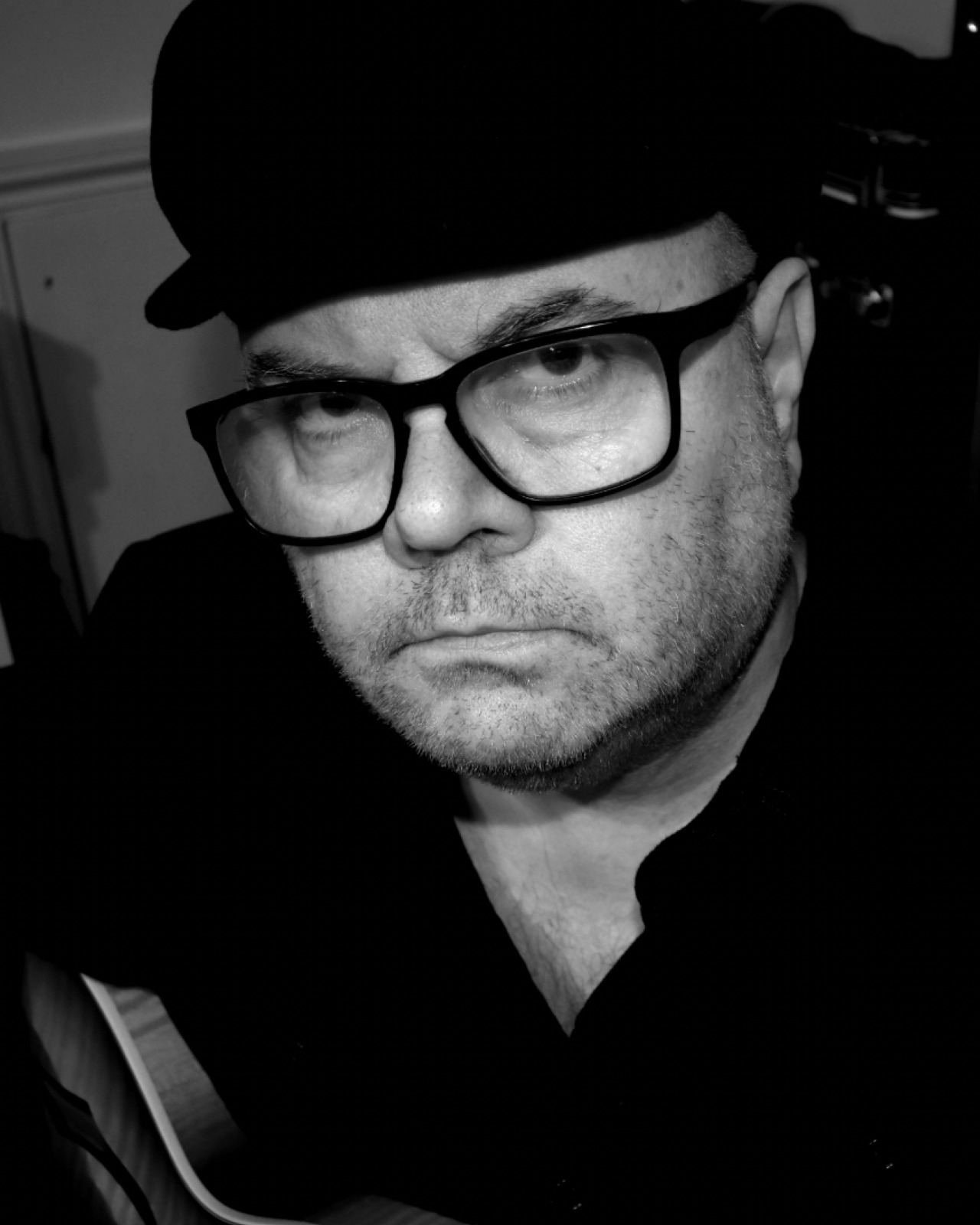
Hello everyone, it’s your host Tehillah from DULAXI, and today I’m delighted to be joined by Last Night Watchman, the Hereford, England-based solo artist behind the original EP Old Blighty. Working primarily within rock, alternative rock, art rock, indie rock, singer-songwriter and folk rock, Last Night Watchman returns to recording after a long break with a project shaped by personal experience, history, science, curiosity and a deep love of songwriting.
Released on 8 September 2026, Old Blighty brings together five tracks that explore subjects ranging from Britain’s colonial history and prehistoric human footprints to cultural memory, ageing and the passage of time. The project also marks a new chapter in Last Night Watchman’s creative life, made possible by the freedom of a small home studio in Herefordshire and enriched by contributions from long-time friend and former The Noseflutes bandmate John Horton, also known as Sven Vortex.
Before we begin our conversation with Last Night Watchman, here’s what you need to know about today’s featured project.
About Last Night Watchman
For Last Night Watchman, songwriting has never been simply about creating music. It has also been a way of processing life. After years of writing songs and accumulating ideas, the artist describes songwriting as a form of therapy that helped through some very dark periods. That personal relationship with music has continued to evolve alongside the experiences that naturally come with getting older, including witnessing illness and losing close friends and family.
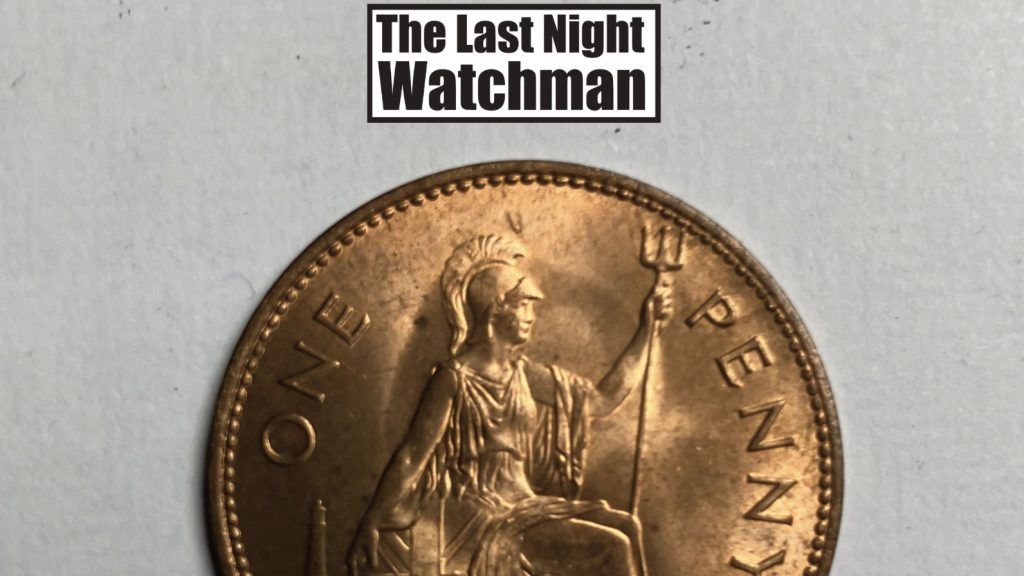
The title track, “Old Blighty”, emerged partly from the controversy surrounding the removal of Edward Colston’s statue in Bristol and the artist’s consideration of Britain’s colonial history. Rather than approaching the subject as a straightforward political statement, Last Night Watchman chose a more reflective route, using the familiar phrase “Old Blighty” to examine a complicated relationship with national identity, history, and the consequences of imperial expansion.
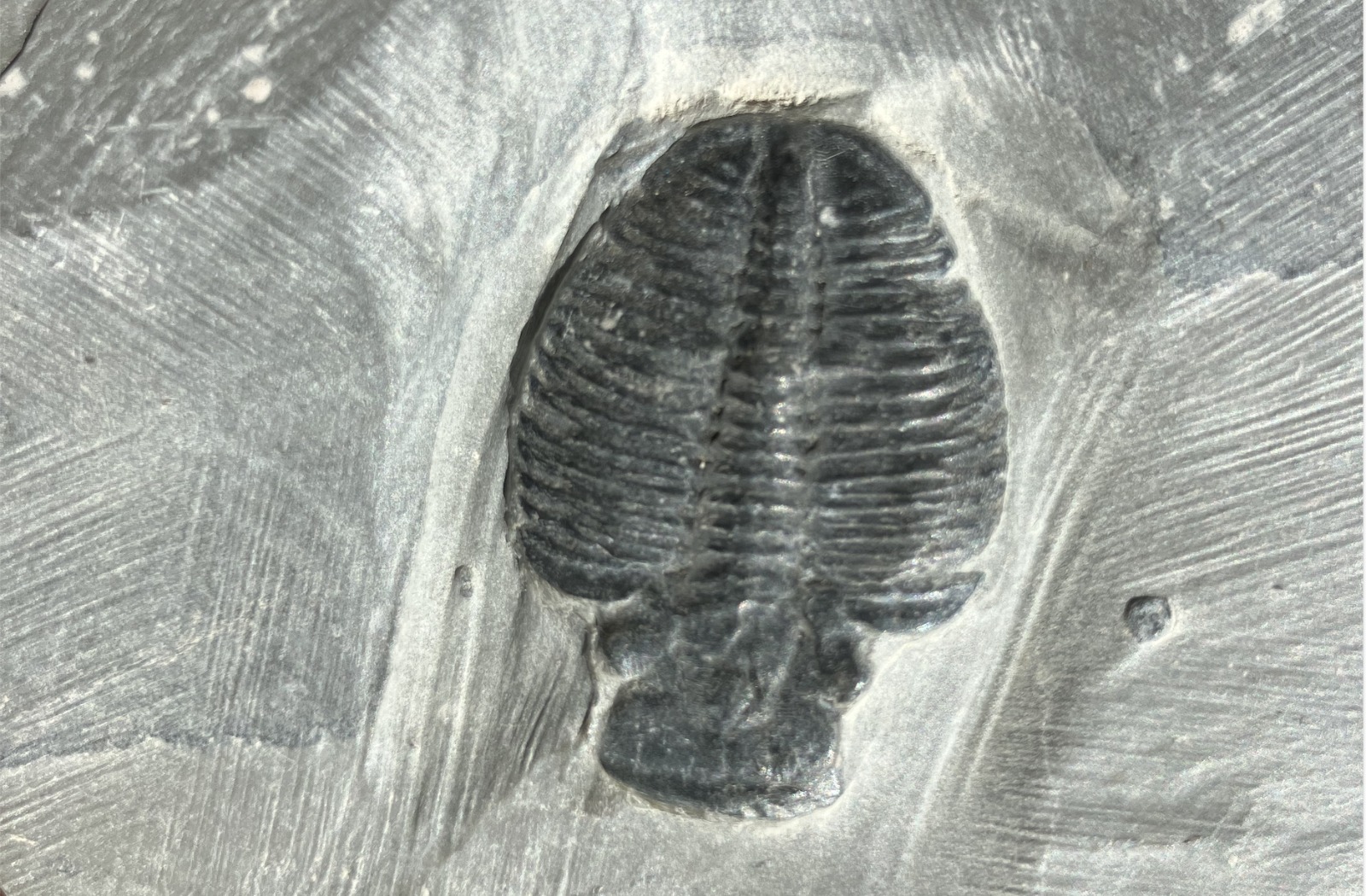
The song’s historical concerns are complemented by a very different form of curiosity in “Footprints”. Inspired by the discovery of approximately 900,000-year-old human footprints in a Norfolk riverbed, the track considers the extraordinary traces humans can leave behind while placing that discovery against the much larger timescale of geological change. The idea of ancient adults and children walking beside a river becomes a starting point for contemplating just how brief an individual human existence can appear when measured against the movement of landscapes over millions of years.
Elsewhere, “Get The Best Out Of Life” begins with another unexpected source: a Reader’s Digest book from the 1950s. The optimism contained within the essays caught Last Night Watchman’s attention, particularly because the material could be viewed differently by someone reading it decades after its original publication. The book had belonged to the artist’s father, who would have been 28 when he acquired it, adding another personal layer to the song’s reflections on age, experience and the passage of time.
Musically, Last Night Watchman’s work draws from a broad field. Neil Young and Paul Simon are admired for their songwriting, while David Bowie, David Byrne and Tom Waits represent different aspects of creativity that have influenced the artist’s thinking. The wider musical palette extends from pop to classical music, allowing the songs to incorporate acoustic and electric guitars, banjo, ukulele, keyboards, orchestral sounds, vocals and other layered elements.
The recording process itself represents a major change from the artist’s earlier musical experiences. Last Night Watchman previously spent time recording with The Noseflutes, the Birmingham indie band in which he and John Horton were the principal guitarists. The group recorded sessions for the BBC and released several EPs and LPs before eventually coming to an end.
After leaving that chapter behind, Last Night Watchman continued writing songs but took a long break from recording. Moving to Herefordshire eventually provided the opportunity to establish a small recording studio at home. For an artist who had experienced the pressures and compromises of recording in rented studios, the change offered something particularly valuable: time and control.
Rather than having to work within the limitations of an expensive studio session, Last Night Watchman can now revisit ideas, experiment with arrangements and decide when a piece is ready. That freedom does not mean abandoning discipline. In fact, knowing when to stop has become an important part of the process. The artist’s approach rejects the pursuit of technical perfection when it begins to remove the human character from a recording.
The collaboration with John Horton also reconnects this new project with an important part of Last Night Watchman’s musical past. Having learned to play guitar together as school friends and later shared years in The Noseflutes, the pair have maintained a creative relationship despite now living far apart. Horton contributed lead guitar and keyboards to both “Old Blighty” and “Towards The Sun”, and is expected to appear on future releases.
At the centre of all this is a large catalogue of ideas still waiting to be recorded. Last Night Watchman is currently focused on working through that material rather than immediately returning to live performance, although future gigs remain a possibility. After years of playing both memorable shows and less enjoyable ones, the artist is interested in finding the right circumstances before taking the new material back to the stage.
Having this brief introduction to today’s featured project, I’m sure both new listeners and longtime fans are excited to hear directly from Last Night Watchman. So, without further ado, let’s begin today’s interview.
INTERVIEW SESSION
Tehillah:
You spent years writing and performing with The Noseflutes in Birmingham, including recording sessions for the BBC and releasing several EPs and LPs, before taking a long break from recording. When you look at that earlier chapter alongside the person now creating music independently in Herefordshire, what has changed most in the way you listen to yourself and decide which ideas are worth turning into songs?
Last Night Watchman:
In The Noseflutes I created the music and arrangements alongside the other musicians in the band, but the lyrics were the creation of our vocalist, Martin Longley. After the band finished I began writing my own lyrics. Some song ideas arrive almost fully formed, but others might take years to develop into something more substantial. I keep notebooks of ideas (lyrics, a potential song title, chord progressions etc), then work them up into full compositions. If I’m not happy with how they’re developing I’ll stop and go work on a different idea.
Tehillah:
You describe songwriting as a form of therapy that has helped you through some very dark periods, while also drawing inspiration from the experiences of losing and watching close friends and family grow older or become ill. How has the emotional purpose of songwriting changed for you as you have moved through different stages of life?
Last Night Watchman:
I don’t think the emotional purpose has changed over the years, but the more things you experience through life – good, bad or just the plain weird – provides potential new ideas to develop, which I’m sure is true of many authors, filmmakers and other visual artists.
Tehillah:
Your influences stretch from Neil Young and Paul Simon to David Bowie, David Byrne and Tom Waits, with an appreciation for everything from pop to classical music. When you hear a song that genuinely excites you, what is it about the relationship between the writing, arrangement, instrumentation, and atmosphere that makes you want to study it and eventually bring some of that thinking into your own work?
Last Night Watchman:
I’m not sure I ever study other musical artists work that analytically. I think some of the best songs I enjoy listening to create an atmosphere or feeling, whether it’s the lyrics, the musical composition or the overall performance. I guess that some things drift into the creative process subconsciously, but I’m sure that’s true of most writers. When I first started playing guitar as a teenager, I know that I was terrible at trying to play cover versions, which is probably another reason why I enjoy trying to create original compositions.
Tehillah:
There is something unusually broad about the subjects you are willing to turn into songs, from colonial history and ancient human footprints to a mid-century Reader’s Digest book. What draws you toward subjects that might initially seem far removed from conventional songwriting, and what happens in your mind when an idea like that begins demanding to become a song?
Last Night Watchman:
I hope when you say there’s something ‘unusually broad’ about the subjects of my songs it’s meant to be a compliment – I’ll certainly take it that way! I’m not sure I can explain why I’ll pick up on some less conventional subjects and develop them into songs, but it might be an amalgamation of thoughts and ideas that gestate over time into an individual composition. Maybe I’m trying to keep away from clichés and conventions – as Paul Simon once sang: ‘I ain’t no fool for love songs that whisper in my ears’.
Tehillah:
“Old Blighty” grew out of the controversy surrounding the removal of Edward Colston’s statue in Bristol and your own confrontation with the darker realities of Britain’s colonial history. How did you move from witnessing that moment in history to finding a personal artistic language for examining what it says about the country and the way history continues to shape the present?
Last Night Watchman:
The Colston statue incident was just one of the foundations of that idea. The strength of the Empire was based on the power of the Royal Navy and merchant shipping, so I played on the subject of sea travel. Today, most people give little thought to how the British Empire developed and the way it grew alongside the Industrial Revolution. Some landowners and colonists got rich on the proceeds of The Empire and from the massive growth in manufacturing, but the vast majority of the population have always faced constant battles for employment, decent homes to live in and suffered a shocking lack of real political leadership. That still applies today.
Tehillah:
The title “Old Blighty” carries a familiar affection for Britain, yet the song uses that phrase while confronting an uncomfortable part of the nation’s past. What did that tension between familiarity, national identity, pride, and historical shame allow you to explore that a more direct political title might not have?
Last Night Watchman:
The phrase originally came from British Raj/Indian language colonial slang, later used by British troops referring to their home country, so it seemed an appropriate title for the song. I think it feels more aligned with the overall atmosphere and mood of the piece. It’s meant to be more of a sad reflection rather than a political diatribe.
Tehillah:
“Footprints” takes a completely different route, beginning with the discovery of 900,000-year-old human footprints in a Norfolk riverbed and expanding into ideas about geology and the slow movement of mountains and seas. What fascinates you about placing something so ancient beside the ordinary human experience of time, and what did you want listeners to contemplate when those two scales meet?
Last Night Watchman:
I hope the overall impression is one of sheer wonder. The archaeologists discovered footprints of children and adults. I found something magical in the thought of them being the imprint of a family on a gentle stroll along the river’s edge, then discovered after such a vast passage of time. However, if we set that against the time frame of how the landscape around us is slowly shifting, 900,000 years is a minor blip. Along the Jurassic Coast of East Devon and Dorset you can literally see the process – it’s mind-blowing. The eroding cliffs continually expose an uninterrupted timeline of rock strata and fossils spanning 185 million years.
Tehillah:
“Get The Best Out Of Life” draws its inspiration from a Reader’s Digest book from the 1950s, which is a wonderfully unexpected starting point for a song. What did you find in that piece of cultural history that stayed with you strongly enough to become music, and how did you transform its original context into something that could speak to a listener today?
Last Night Watchman:
The underlying optimism of each essay was the first thing that struck me. We live in a more cynical age than when they were written, but some of the advice the writers give is still relevant today, if you’re able to leave aside the dated language. My father would have been 28 years old when he acquired the book, so still a young man. I was now reading it as a much older person and therefore filtering the content through my own longer-lived experience. You get to learn that time really does ‘deal the blows’. I featured some of the title pages of the book in the song’s video on my Youtube channel:
https://www.youtube.com/@LastNightWatchman
Tehillah:
Your small home studio has given you something you did not have in those earlier years of recording in low-rent studios where cost and technical limitations could interfere with the creative process. How has having complete control over time, space, and experimentation changed the kind of performances and arrangements you are willing to pursue?
Last Night Watchman:
I never really enjoyed the recording process when the band was in the studio. Even when we recorded tracks at very professional set-ups such as the BBC’s Maida Vale Studios, things always felt rushed and compromised. My small studio gives me the freedom to develop ideas, revisit things that aren’t working. It’s a fun part of the process. That said, you still need to apply discipline and be honest with yourself to determine what is and isn’t working.
Tehillah:
Your recording approach relies heavily on overdubbing guitars and vocals, with banjo, ukulele, keyboards, orchestral sounds, and multiple vocal takes sometimes layered into a larger choral effect. How do you decide when a song needs that accumulation of voices and instruments, and when keeping the arrangement simpler would communicate the idea more honestly?
Last Night Watchman:
I don’t think all my recordings rely heavily on overdubbing and layering. I just go with what feels right for any individual track. I wouldn’t always equate simplicity with honesty. Most of my songs start out with just acoustic guitar and a single vocal anyway. At some point in the future I might revisit some of my songs to do unplugged versions. They would just provide a different feel and atmosphere to the previous recordings.
Tehillah:
John Horton, your former Noseflutes bandmate, returns to the creative process with lead guitar and keyboard contributions on both “Old Blighty” and “Towards The Sun.” After sharing a musical history that goes back to your days in Birmingham, what does John instinctively understand about your songwriting that makes his contribution feel like a continuation of an old musical conversation rather than simply a guest appearance?
Last Night Watchman:
‘Instinctive’ is the right word. We were school friends, formed bands together and learned to play guitar together. Even though we now physically live a long way from each other, we exchange ideas and can work on each other’s Logic Pro files at any time. John always comes up with great guitar riffs and keyboard sections that can take a song into a new direction.
Tehillah:
You have described the new freedom of recording at home as liberating, but you also emphasize maintaining discipline rather than allowing unlimited freedom to become drift. What have you learned about your own creative habits from having to be both the person generating the ideas and the person responsible for deciding when a recording is actually finished?
Last Night Watchman:
Over the years I think I’ve learned to know when an idea is ‘finished’. By that I mean knowing when to stop and let it be. I also think it’s a mistake to seek ‘perfection’, as you can end up with something that just sounds clinical and lacks emotion. I also like hearing some imperfections in recordings. I really don’t like listening to music that’s too slick.
Tehillah:
There is a recurring concern with time running through both your life story and your writing, whether you are considering personal loss, ancient footprints, geological change, or the history of a nation. How has your understanding of time influenced the way you think about permanence, mortality, and the things people leave behind?
Last Night Watchman:
I’ve always been interested in history and the concept of time, although I still struggle trying to get my head around Relativity and that absolute time does not exist. I try not to be too heavy about mortality – leaving aside the profound stuff, life can still be as funny as a wobbly jelly at certain moments. However, one thing is for sure, we are all made up of atoms and the matter that makes up the universe. At some point ‘to dust we return’. I think that line comes from John Dunne or the Book of Genesis. I used it in one of my songs called ‘Reasons’, hopefully to be released on an LP next year!
Tehillah:
You have a large number of song ideas waiting to be recorded, yet you are choosing to concentrate on building the catalogue before returning to the stage. What is it about this particular period of your life that makes the studio more important than performing right now, and what would need to happen for you to feel ready to take these songs into a live setting?
Last Night Watchman:
I’m having a lot of fun recording material and I have a lot of ideas to get through (with new ones popping into my head quite often). It would be fun to do some gigs, but I think the venues and the overall set up would have to work for me – over the years I’ve played some great gigs, but also a fair share of crap ones too. I would hope to seek the former rather than the latter.
Tehillah:
There is a memorable idea behind your creative philosophy that “everything good comes from authentic enthusiasm,” alongside Tom Waits’ warning that songs can disappear if you do not catch them when they arrive. After carrying so many ideas for so many years, what have you learned about recognizing that moment when an idea is alive, and how do you protect that initial spark while shaping it into something complete?
Last Night Watchman:
The creative philosophy line comes from Brian Eno, but it’s a good one to use when you’re down the pub discussing music. I interpreted the comment from Tom Waits as referring to a song idea that suddenly comes to you and needs to be captured quickly before it gets away. I know I’ve woken in the middle of the night with a lyric line or a song idea and had to quickly scribble it down, or record it on my iPhone as a voice memo – most of the time those ideas retain that initial spark and will come good further down the line and deliver as a fully worked song.
“Last Night Watchman turns the unexpected into a doorway, allowing history, science, memory and ordinary human experience to meet inside songs that feel curious without losing their human centre.”
~ Tehillah (DULAXI Team)
EDITORIAL PERSPECTIVE
What stayed with me most about Old Blighty is the sense that every song begins with genuine curiosity. The project does not force its ideas into familiar songwriting subjects. Instead, it allows unusual observations to develop naturally into music, while the layered arrangements give those ideas room to breathe. The collaboration with John Horton adds another meaningful dimension, connecting this new chapter with Last Night Watchman’s musical history. There is also something refreshing in the willingness to leave imperfections intact, allowing the recordings to retain a sense of human presence.
~ Tehillah (DULAXI Team)
CLOSING
Our conversation with Last Night Watchman offers an illuminating look at an artist returning to recording with a renewed sense of independence and curiosity. From the history explored in “Old Blighty” to the ancient traces considered in “Footprints” and the personal reflections behind “Get The Best Out Of Life”, Old Blighty demonstrates how songwriting can emerge from almost anywhere when an artist remains attentive to the world around them.
It has also been fascinating to hear about the creative relationship between Last Night Watchman and John Horton, whose shared history stretches back to school days, learning guitar together and their years with The Noseflutes. Their continued exchange of ideas shows how musical partnerships can remain creatively meaningful even when circumstances and distance change.
Thank you to Last Night Watchman for taking the time to speak with DULAXI and for sharing such thoughtful insight into the ideas, experiences and creative decisions behind Old Blighty. We encourage readers to spend time with the EP and discover these songs in their own way, particularly if you enjoy music that leaves room for curiosity, reflection and unexpected subjects.
And to everyone reading, thank you for spending time with DULAXI. We hope this conversation has given you a deeper understanding of the artist and the creative world behind the music. We look forward to bringing you more conversations with artists from different backgrounds, genres and creative disciplines in our upcoming interviews.