

Hello everyone, it’s your host Oliver from DULAXI, and today I’m delighted to be joined by musician and songwriter Troy Towsley of the John Muka Band, a Jacksonville, Florida-based collective whose music draws from indie rock, Americana, folk rock, alternative rock, soulful grooves, and jam-influenced musicianship.
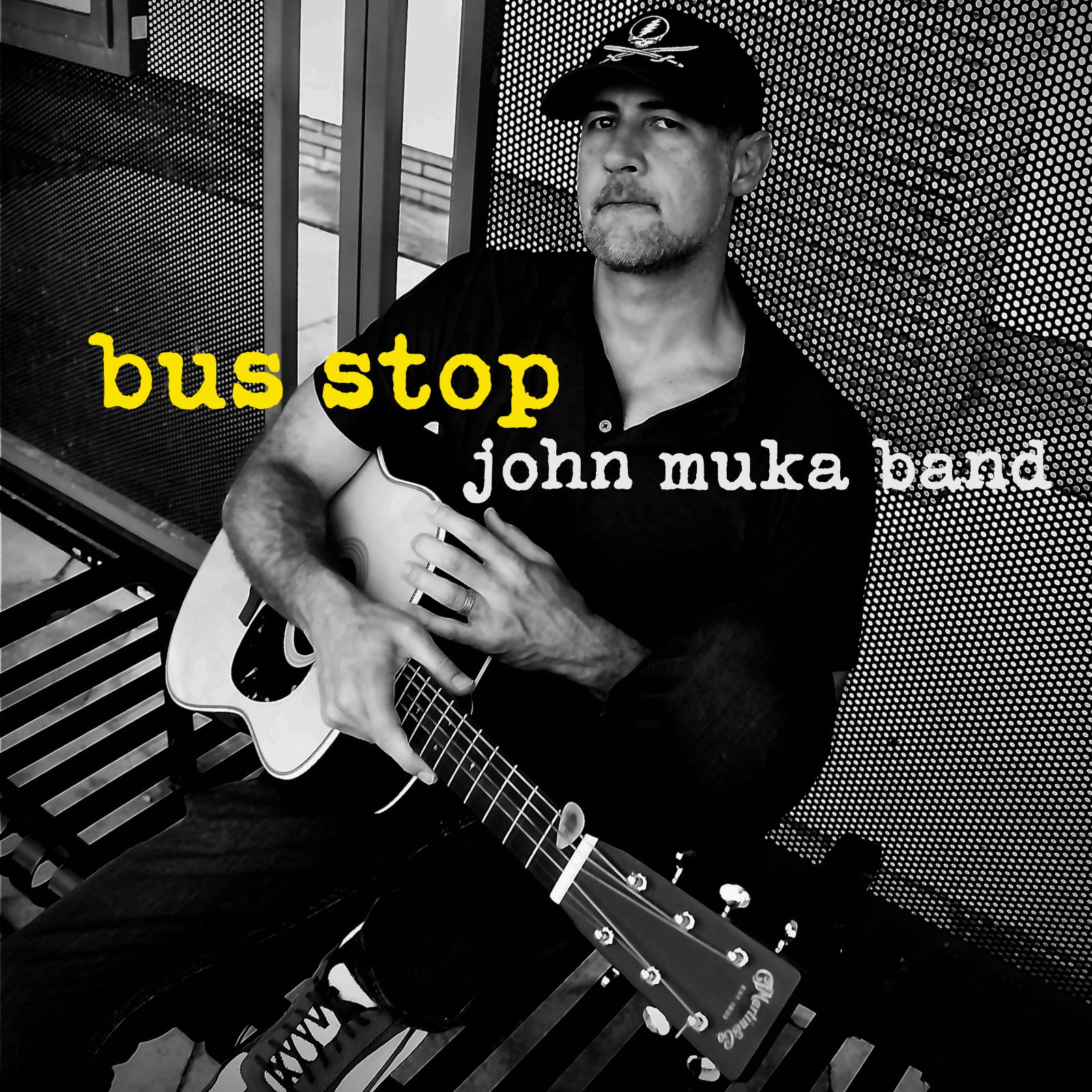
Troy joins us to discuss “Bus Stop,” the band’s latest single, released on September 4, 2026. Originally written in the early 2000s during the uncertainty surrounding the September 11 attacks and their aftermath, the song explores disconnection, uncertainty, the search for direction, and the enduring human need for genuine connection. More than two decades after its original writing, “Bus Stop” has found a new relevance in a world where technology allows people to communicate constantly while meaningful human connection can still feel increasingly difficult to find.
Before we begin our conversation with Troy Towsley, here’s what you need to know about today’s featured project.
About John Muka Band
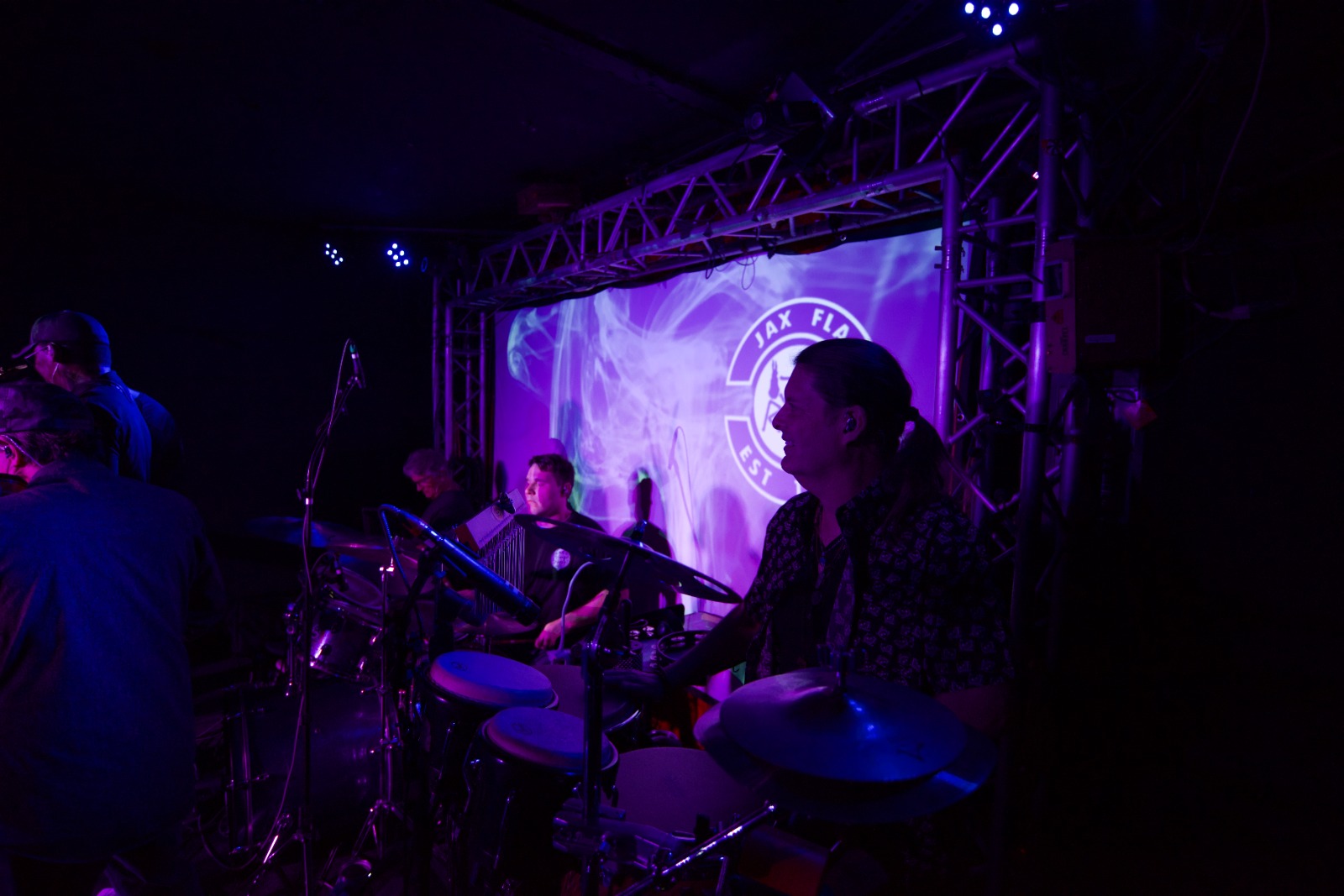
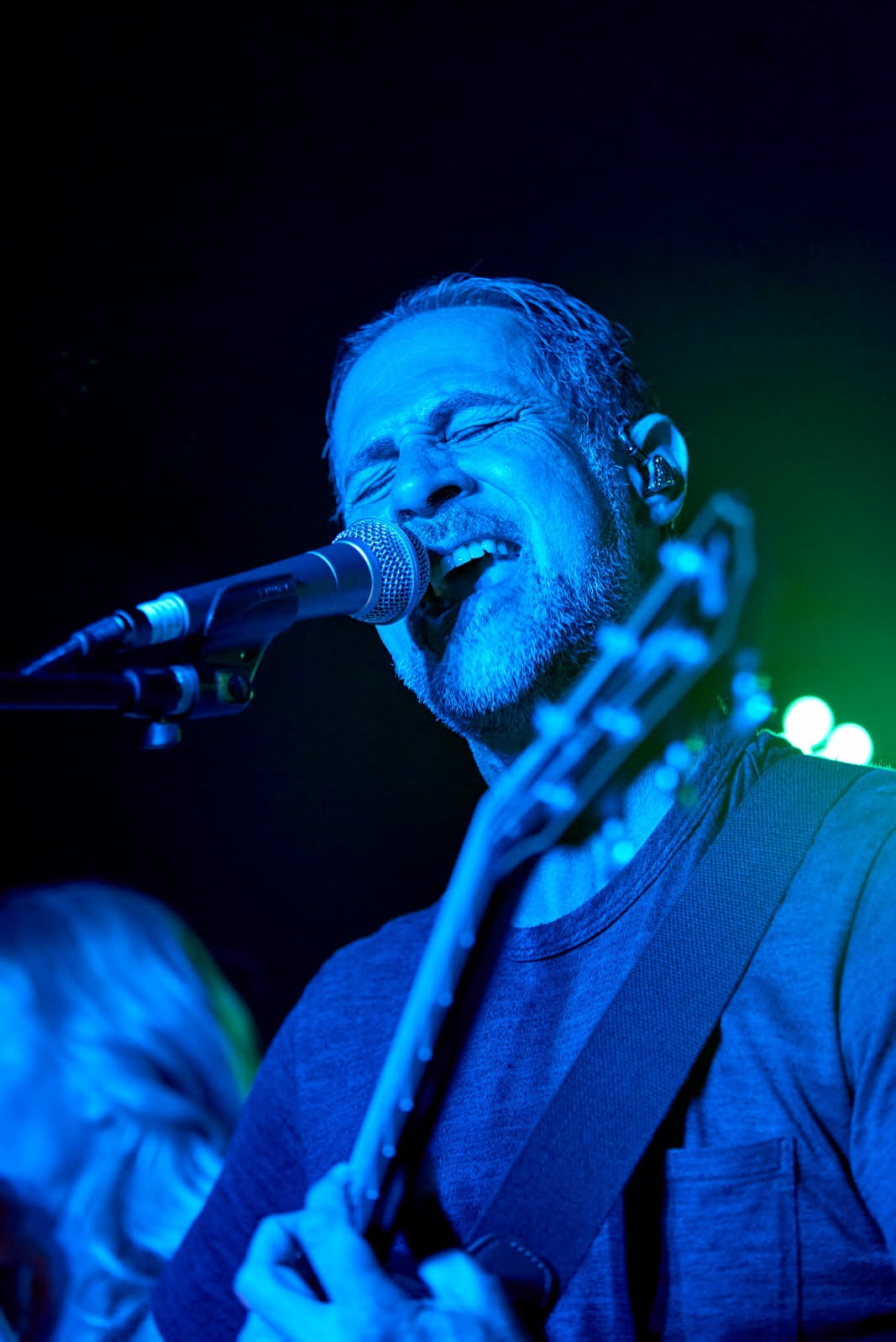
Based in Jacksonville, Florida, the John Muka Band is a collective built around emotionally honest songwriting, organic musicianship, and the chemistry that develops when a group of musicians creates music together in the same space. Led by singer-songwriter and vocalist John Muka, the band brings together influences from indie rock, Americana, folk, jam traditions, soul, and roots music, creating a sound that can move comfortably between reflective storytelling and more energetic, groove-driven performances.
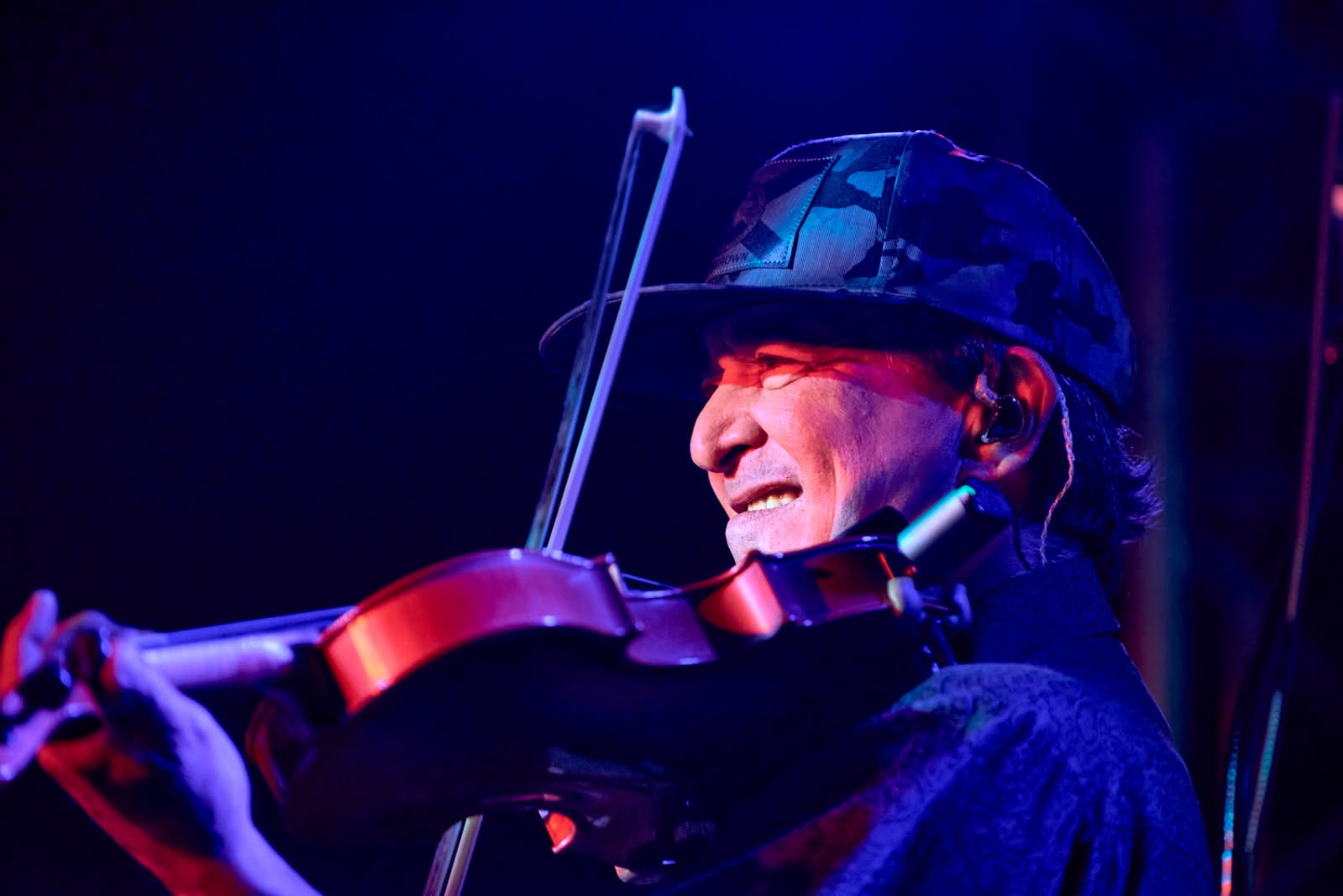
The band’s musical identity is shaped not only by its range of influences but also by the depth of its lineup. Guitars, keys, violin, horns, percussion, rhythm section, and multiple voices give the group a broad musical palette, while its emphasis on live interaction allows those individual elements to respond to one another naturally. Rather than treating genre as a fixed destination, the band approaches each song according to what the writing requires, allowing different musical influences to emerge through the performance.
That approach is particularly important to “Bus Stop,” a song with a history that stretches back more than twenty years. Originally written by Troy Towsley in the early 2000s, the song grew out of the atmosphere surrounding September 11 and the period of uncertainty that followed. For Towsley, the moment was defined not only by fear and instability but also by the way people temporarily reached beyond their usual boundaries, checked on one another, spoke with strangers, and experienced a stronger sense of shared humanity.
At the heart of “Bus Stop” is the idea of searching for information, direction, and reassurance while feeling uncertain about where the journey is heading. The bus stop itself becomes a fitting image for that state of waiting. It represents the desire for some indication of what comes next, while also capturing the frustration of having questions without easy answers.
The song’s concerns have taken on another dimension in 2026. Social media, remote work, smartphones, and digital communication have made immediate contact easier than ever, yet technological access to other people does not necessarily create intimacy. “Bus Stop” therefore arrives at an interesting point in time, asking a question that has remained remarkably consistent even as the world around it has changed: how can people remain genuinely connected when so much of modern communication happens at a distance?
With additional releases planned throughout 2026, the John Muka Band continues to develop its sound while maintaining a focus on songwriting, live musicianship, and the unpredictable chemistry that can emerge when a group of players listens closely to one another. “Bus Stop” represents an important part of that journey, connecting a song from another era with a very current question about what it actually means to be connected.
Having this brief introduction to today’s featured project, I’m sure both new listeners and longtime fans are excited to hear directly from Troy. So, without further ado, let’s begin today’s interview.
INTERVIEW SESSION
Oliver:
“Bus Stop” was originally written in the early 2000s, during the uncertainty surrounding the September 11 attacks and their aftermath. Before we get into the song itself, what do you remember most vividly about that period of your life, and what was happening around you that first gave the song its emotional starting point?
Troy Towsley:
What I remember most is how uncertain everything suddenly felt. After September 11, there was this sense that the world had changed almost overnight and nobody really knew what came next. People were watching the news constantly, talking to strangers, checking on family and friends. Things that had seemed important a few weeks earlier suddenly didn’t seem quite as important.
I wrote “Bus Stop” during that period, and a lot of it came from simply watching what was happening around me and trying to process it. There was fear and uncertainty, but there was also this unusual sense of people reaching toward each other. The song grew out of that contradiction. We seemed to need connection more than ever, while at the same time wondering where everything was headed.
Oliver:
One of the striking things about that period was that alongside fear and uncertainty, you also witnessed people reaching beyond their normal boundaries and coming together in ways that were less common in everyday life. How did seeing that sense of human solidarity influence the way you thought about connection, community, and the kind of songwriter you wanted to become?
Troy Towsley:
That was probably the part that stayed with me the longest. For a while, people seemed more willing to look past some of the things that normally separated them. You’d see strangers talking to each other. People checked on their neighbors. There was this awareness that we were all going through something together.
That became a big part of what I was trying to capture in “Bus Stop.” I wasn’t trying to write a political song or explain what had happened. I was much more interested in what happens between people when the normal sense of security disappears. More than twenty years later, that’s still the part of the song that means the most to me.
Oliver:
More than twenty years later, “Bus Stop” has returned at a time when people can communicate instantly through social media, remote work, and technology while still feeling deeply disconnected. When you revisited the song for this release, what surprised you most about how accurately its original concerns seemed to speak to the present?
Troy Towsley:
That was probably the biggest surprise. The technology has completely changed, but the question behind the song really hasn’t.
When I wrote it, social media wasn’t part of everyday life the way it is now. Today we can reach almost anybody instantly. We know what people are doing, where they’re traveling, what they’re listening to, sometimes what they had for lunch. But knowing all of that isn’t necessarily the same as knowing somebody.
When we brought the song back, we didn’t rewrite it to make it fit 2026. We really didn’t have to. If anything, the idea of being surrounded by ways to communicate while still searching for real connection feels even more relevant now.
Oliver:
The central question of the song asks where we go when we are supposedly more connected than ever but are still searching for genuine connection. What does real human connection mean to you personally, and has your understanding of that idea changed between when you first wrote the song and where you are now?
Troy Towsley:
I think when you’re younger you can sometimes mistake being around people for being connected to people. I’ve learned there’s a pretty big difference.
For me now, connection is about being present with somebody and actually listening. It’s being able to sit in a room with people and not feel like anybody has to perform some version of themselves.
That’s also one of the things I love about this band. When you have this many musicians playing together, you can’t fake listening. You have to pay attention to what everybody else is doing. When it really clicks, there’s a conversation happening without anybody saying a word. In a strange way, that’s connected back to what I was trying to write about all those years ago.
Oliver:
The recurring image of going to a bus stop for information gives the song a very human sense of someone searching for answers, direction, or some indication of where to go next. What did the bus stop represent to you when you first wrote the song, and what does that image represent to you now?
Troy Towsley:
The bus stop was always symbolic to me. It’s a place where you’re waiting. You know you’re supposed to be going somewhere, but you’re not there yet. You’re looking for a sign, a schedule, somebody who can tell you when the next thing is coming and where it’s going.
That felt right for what I was trying to express at the time. There was this feeling of everybody waiting for some indication of what came next.
Today I hear that image a little differently. We’re still standing at bus stops in a way, except now the schedule is probably on our phone. We have access to more information than we’ve ever had, but information doesn’t necessarily tell you where you belong or who you’re supposed to share the journey with.
Oliver:
The lyrics move from personal uncertainty into broader observations about economic pressure, generational frustration, and the feeling that something fundamental has gone wrong. How did you balance those wider social concerns with the more personal side of the song without allowing either perspective to overpower the other?
Troy Towsley:
I don’t remember consciously sitting down and deciding I was going to write a song about society. I was writing about what it felt like to be living through that period.
Economic pressure, uncertainty about the future and frustration with the direction things were going were all around us, so naturally some of that found its way into the lyrics. But I never wanted the song to tell people what they’re supposed to think.
The personal side is really what holds it together. Underneath all those bigger observations, it’s still one person looking around at a confusing world, trying to understand where they fit and realizing that another person may matter more than all the answers they’re searching for.
Oliver:
Despite the uncertainty running through “Bus Stop,” the song ultimately refuses to remain in despair, arriving at the realization that someone important is still there. How important was it for you to give the song that sense of hope, and what does holding onto another person mean within the story you are telling?
Troy Towsley:
That part was always important because otherwise the song would just be somebody standing there asking questions.
The realization is that maybe the answer isn’t some huge explanation of what’s happening in the world. Maybe it’s the person standing beside you.
You may not be able to fix everything that’s happening around you. Most of the time you can’t. But you can still choose to be there for somebody, and they can choose to be there for you. That’s where the hope in the song comes from. It’s not pretending everything is okay. It’s realizing you don’t necessarily have to face it alone.
Oliver:
Because the song has existed for more than two decades, did performing and recording it again require you to reconnect with the person who originally wrote it, or did you find that the song had naturally evolved alongside you and your life?
Troy Towsley:
Definitely a little of both. When you return to something you wrote more than twenty years ago, you’re going to meet an earlier version of yourself in there. Some of the lyrics bring back very specific memories of where I was in my life and what I was thinking about.
What surprised me was that the song didn’t feel like an artifact. I didn’t feel like we were digging up something from 2001 just for nostalgia. It had accumulated new meaning.
The biggest difference is probably what the band has brought to it. I wrote the song from my own perspective, but now John is singing it and all of these musicians have put something of themselves into it. Hearing John interpret words I wrote more than two decades ago is part of what gave the song a new life. It doesn’t feel like it belongs only to the person who wrote it anymore.
Oliver:
The John Muka Band brings together indie rock, Americana, folk rock, jam traditions, soulful grooves, and layered musicianship. When you were shaping “Bus Stop,” how did you decide what musical language would best carry the emotional tension between isolation, reflection, uncertainty, and hope?
Troy Towsley:
We try not to start by deciding something needs to sound like Americana, indie rock, jam music or anything else. That’s almost backwards for us.
We start with the song and ask what it needs. With “Bus Stop,” Troy had already given us the foundation through the writing, but bringing it into the current band opened up a much larger musical palette. We wanted enough space for John’s vocal and the lyrics to breathe, but we didn’t want the song to become overly somber. There’s movement in it and ultimately there’s hope in it.
Once the band starts playing, everybody brings their own musical vocabulary into the room. That’s where all those different influences start appearing naturally rather than us trying to manufacture a particular genre.
Oliver:
The band places a strong emphasis on real musicians interacting in the same musical space, with individual performances becoming part of the character of a song. What does that organic approach give you creatively that you might lose if the music were built primarily through isolated or heavily programmed production?
Troy Towsley:
Reaction. That’s probably the biggest thing.
Somebody plays something and another musician responds. Robert changes the feel slightly and Troy reacts on bass. A guitar leaves some space and suddenly Dave, T.R. or one of the horns has somewhere to go. Sol might add a percussion part that changes how everybody feels the groove. Those little decisions can completely change the emotion of a section.
You can make incredible music through programming and isolated production, so this isn’t a judgment about how anybody else works. We just know what works for this band. A lot of our personality comes from people listening and reacting to each other. We don’t want to polish that out of the music.

Oliver:
The arrangement of “Bus Stop” grows around your vocal while allowing the instrumentation and interplay between the musicians to develop alongside the story. How did the band approach that arrangement, and were there particular instrumental choices or performances that became especially important to the final version?
Troy Towsley:
The main thing was not overcrowding it. That’s always a challenge with a band our size because there are a lot of colors available.
John’s vocal needed to carry Troy’s lyric and the story, so everything had to work around that rather than compete with it. The rhythm section gives the song its movement, and then the guitars, keys and other textures can come in and out as the story develops.
One of the things we’ve learned with this band is that having a large lineup doesn’t mean everybody needs to be playing constantly. Sometimes the most important contribution a musician can make is knowing when to leave space.
Oliver:
Your wider lineup can include horns, violin, percussion, and dual guitars, giving the band a broad musical palette. How do you decide which instruments and musicians should take prominence on a particular song, and how does that collaborative process shape music that begins with your songwriting?
Troy Towsley:
Usually the song tells us eventually, although sometimes it takes a few rehearsals before we hear it.
We have musicians coming from very different backgrounds, and that’s one of the things that makes this band interesting. A song may begin with John or Troy, but once it’s brought into the room, we want the musicians to have enough freedom to find their place in it.
Sometimes somebody plays one little phrase at rehearsal and everybody looks at each other because we immediately know, “That’s it. Keep that.”
The challenge with a large band isn’t finding things for people to play. It’s knowing when not to play. Once everybody starts thinking that way, having all those instruments becomes a huge advantage because you have this enormous palette without having to use every color at once.
Oliver:
Your music is rooted in emotionally honest songwriting, but the band also has a strong connection to live performance and the spontaneity that comes from musicians responding to each other. What have you learned about “Bus Stop” through playing it with the band that you could not have discovered simply by writing it alone?
Troy Towsley:
Probably that the song had more lift in it than I realized when I wrote it.
When you’re sitting there writing, you’re naturally focused on the words, melody and chords. You hear some version of the arrangement in your head, but that’s very different from hearing a full band of musicians bring their own instincts to it.
The current band found moments where the song could push forward and other places where everybody could pull back and let John’s vocal or a particular line land. That contrast became part of the storytelling.
That’s one of my favorite things about writing songs. You can live with something for twenty years and then somebody plays something you never imagined and suddenly you hear your own song differently.
Oliver:
The song was written in response to one period of collective uncertainty and now finds itself being released during another period when many people are questioning how connected, secure, and socially close we really are. Do you think songs can sometimes reveal truths about a particular moment that only become fully understandable years later?
Troy Towsley:
Absolutely. Sometimes you write something because you’re trying to understand what you’re feeling at that particular moment. You don’t necessarily know which parts are temporary and which parts are going to follow you for the next twenty years.
That’s been fascinating for me with “Bus Stop.” Some of the circumstances surrounding its writing belong very specifically to the early 2000s. But underneath those circumstances were questions about isolation, uncertainty, connection and needing other people. Those aren’t tied to one particular year.
Sometimes enough time passes that the circumstances around a song fall away and you finally understand what you were really writing about.
Oliver:
Jacksonville is at the center of the band’s identity, while your musical connections extend from the United States to Europe and Brazil. How have those different cultural and musical connections influenced the way you think about the audience for your music, particularly when the themes you write about are so universal?
Troy Towsley:
Jacksonville is home and it’s a big part of the band’s story, but the musical experiences inside this group reach well beyond Jacksonville. Troy spent years living and making music overseas, including in Northern Ireland, and Sol’s musical roots go back to Puerto Rico. There are influences throughout the band that come from very different places and musical traditions.
What we’ve learned is that people don’t need the same musical reference points to recognize the same emotion. Wanting to belong, losing somebody, loving somebody, feeling uncertain about where you’re headed, those things don’t really need translation.
That’s exciting to us because we’d love for this music to travel. We want it to retain where it came from without feeling like it can only belong there.
Oliver:
The John Muka Band has been building momentum through streaming, live performances, playlist support, and independent music media while continuing to prioritize authentic songwriting and musical chemistry. What has this period of growth taught you about what listeners respond to most strongly in your music?
Troy Towsley:
People seem to respond when they believe us.
That’s probably the simplest way to say it. We can spend weeks working on an arrangement or a recording, and all of that matters, but if the emotional part isn’t there, none of the production can manufacture it.
We’ve also noticed that people respond to the band itself. There are a lot of us, and everybody has a musical personality. When people see us live, they can actually watch those relationships happening onstage. Someone starts something and another musician picks it up. That’s difficult to manufacture, and we’re learning that sometimes the best thing we can do is stay out of the way and let it happen.
Oliver:
“Bus Stop” has existed for more than twenty years before reaching this particular moment. Looking back at the song’s entire journey, from its original writing to its current release, what does it tell you about your own development as a songwriter and about the kinds of stories you still feel compelled to tell?
Troy Towsley:
It’s interesting because I can hear the person I was when I wrote it, but I can also hear everything that’s happened since.
I’ve been writing, recording and playing music for decades now, and obviously you learn more about songwriting and production as you go. But I’m still attracted to many of the same things. I’m interested in songs about people, relationships, uncertainty, things we’ve lost and the experiences we carry with us.
What’s different now is what happens after the song is written. “Bus Stop” started with me more than twenty years ago. Today John is singing it, I’m playing bass and producing, and there’s this entire group of musicians adding their own voices to it.
For me, that’s probably the best part of the song’s journey. Something that began as a very personal observation at one point in my life has become something shared.
Oliver:
With new releases planned throughout 2026, where do you want the John Muka Band to go next creatively? Are there particular musical directions, subjects, or aspects of the band’s sound that you are excited to explore as you continue developing this chapter?
Troy Towsley:
We want to keep finding out what this band can become.
The lineup gives us possibilities we haven’t come close to exhausting yet. We’ve got guitars, keys, violin, horns, percussion, multiple voices and a rhythm section that can move through a lot of different styles. We want to use more of that range without ever losing the song underneath it.
We also want to keep some danger in the music. Not everything needs to be perfectly mapped out before we play it. Some of our favorite moments happen when somebody takes a chance and everybody else hears it and follows.
That’s probably where we’re headed: stronger songs, more confidence in our own sound, and more willingness to let this particular group of musicians take the music somewhere John or Troy might not have imagined when the song was first written.
“Bus Stop” is a fascinating example of how a song can outlive the circumstances that created it and discover a new purpose through the musicians who bring it back to life. Its questions feel personal, but the conversation surrounding them belongs to a much wider human experience.
~ Oliver (DULAXI Team)
EDITORIAL PERSPECTIVE
What makes “Bus Stop” particularly compelling is the distance between its original creation and its present-day life. The band’s organic approach gives the composition room to breathe, while the large ensemble adds movement without overwhelming its central idea. Speaking with Troy also reveals how naturally the song’s themes have evolved alongside the musicians performing it. There is something quietly powerful about a composition that began as one person’s attempt to understand uncertainty becoming a shared musical experience decades later.
~ Oliver (DULAXI Team)
CLOSING
Our conversation with Troy Towsley offers a thoughtful look at the history behind “Bus Stop” and the ideas that have allowed the song to remain meaningful more than twenty years after it was first written. From its origins during a period of collective uncertainty to its present-day exploration of digital connection, isolation, and human presence, the song carries a story that continues to develop through the musicians who perform it.
A sincere thank you to Troy for taking the time to share the story behind the song, the band’s creative process, and the thinking that continues to shape the John Muka Band. His reflections also offer a valuable glimpse into the collaborative spirit behind the music and the importance the group places on listening, interaction, and genuine musical chemistry.
We encourage readers to spend some time with “Bus Stop” and experience the song for themselves, particularly with the perspective of its long journey from its original writing to its current release. The story behind the track adds another dimension to its musical character, but ultimately the song belongs to the listener and whatever personal meaning they discover within it.
Thank you for spending time with DULAXI and joining Oliver for this conversation with Troy Towsley. We look forward to bringing you more conversations with musicians, songwriters, and creative voices from around the world.