
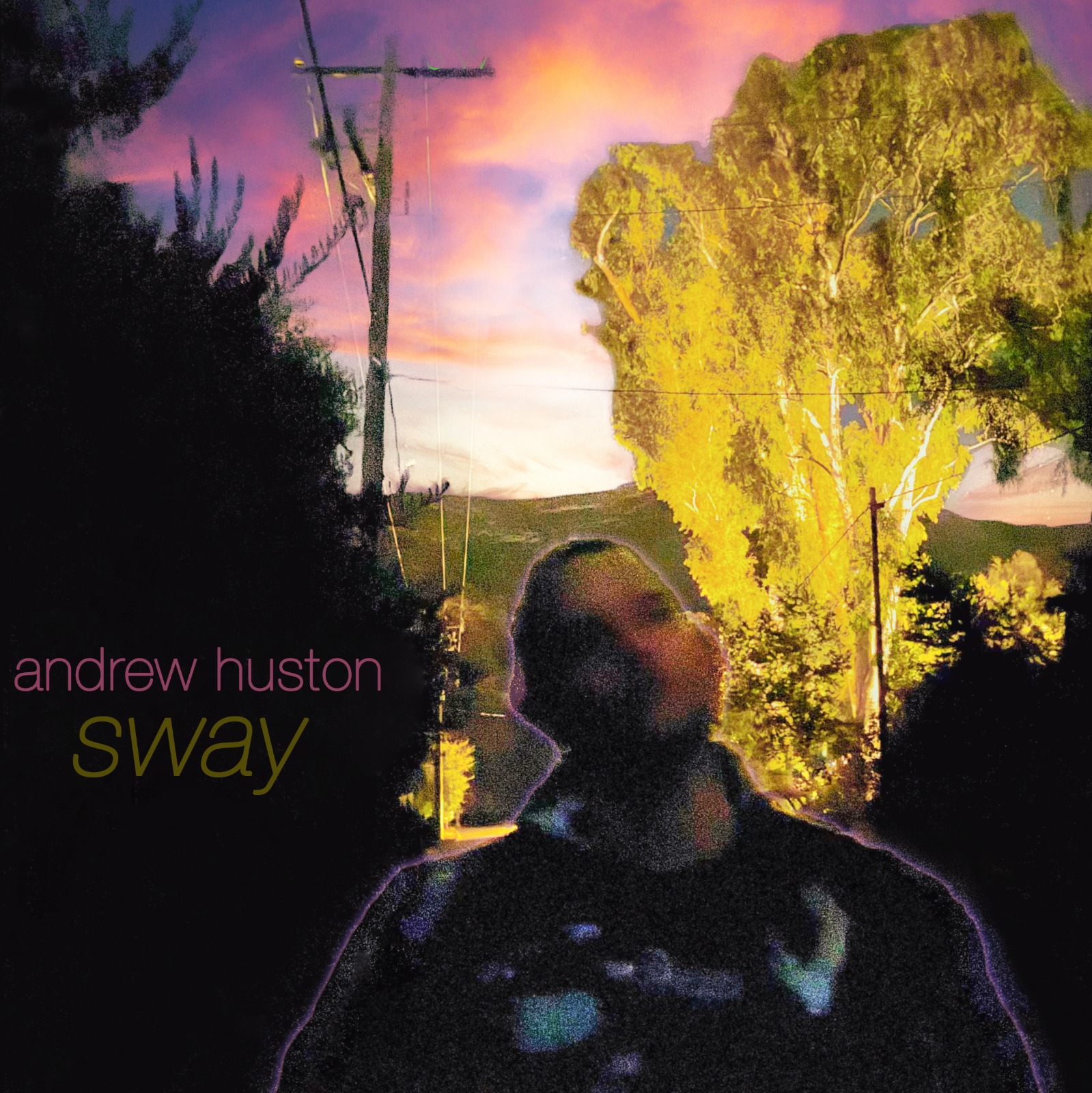
Andrew Huston’s “SWAY,” released on 13 November 2026, is a ten-song indie rock album about weathering storms, setting boundaries and finding steadiness after a major change. The Long Beach-via-Philly songwriter moved from his hometown of Philadelphia to California two years ago, leaving the scene where he first played in bands and released five solo records and one with The Waders since 2019, and that distance shapes the whole record. Working with producer Stephen Cunningham at Dream Machine Studio, Huston plays drums and bass, the two share guitars, and Cunningham handles keyboards, synthesizers and piano. It is a true two-man collaboration, and it produced what the artist calls his tightest and most cohesive album yet. Listeners who love Jeff Tweedy, Band of Horses, Alex G and Mac DeMarco will recognise the melodic, guitar-led, band-in-a-room sound.
Isolation is the album’s recurring subject, especially when it sits next to beautiful weather, and the writing approaches it from many angles: the end of a relationship, a drive along the California coast, a step back from unfamiliar surroundings, the effort of staying upright in a storm. In “Eggshells,” “Like Halloween,” “Never Want To” and “Sway,” those angles become boundaries, belonging, resentment and resilience. Each song is carried by a warm, deep voice with a natural touch of rasp and a raw, organic band sound in which the electric guitar usually leads. The production leaves room for every instrument to breathe, and the emotional honesty never feels dressed up. What ties the album together is a songwriter who treats vulnerability as strength and keeps the melodies catchy enough to carry difficult feelings.
Eggshells
“Eggshells” opens the album with a gritty, blues-tinged electric guitar riff that grabs attention in the first second, soaked in reverb and carrying a nostalgic glow. Warm rhythm guitars, a deep bassline and steady drums settle in underneath, and the song falls into a swaying, mid-tempo indie rock groove that feels organic and unforced. The arrangement is balanced, richly layered and dynamic, and the guitars do most of the emotional work, playing melodic hooks, rhythmic parts and soaring solos that carry the melody and bring release. The bass stays deep, warm and tight, the drums are controlled and groovy, and the raw, natural production keeps everything close and honest, as though the band were playing in the same room as the listener.
Huston’s voice is warm, rich and full-bodied, with a deep register and an intimate edge, and he moves from reflective storytelling in the verses to passionate conviction in the choruses. The lyrics are about setting healthy boundaries and breaking free from a relationship built on both love and guilt, where every conversation means stepping carefully so nothing cracks. Emotional honesty is the song’s strongest quality, and the hook states the decision plainly: “I don’t wanna walk on eggshells anymore.” Wordless “Ohhhh” vocals and melodic humming carry as much feeling as the words, and the bridge is where everything lands, turning from silence and dissonance toward gratitude before an expressive guitar solo lifts into the final chorus. The song travels from tension to release and leaves emotional release behind, which makes it ideal for night drives, headphones and live rooms, especially for listeners who love cathartic, self-empowering guitar songs about reclaiming self-worth.
Like Halloween
“Like Halloween” begins with a gritty, rhythmic electric guitar riff before tight drums, a warm, driving bassline and atmospheric synth chords lock into a steady mid-tempo groove. The opening has a slightly eerie, twilight atmosphere that suits the title, and it is engaging at once because the rhythm and the arrangement establish the mood before a word is sung. The sound is balanced, richly layered and organic, with melodic guitars and warm synth lines sharing counter-melodies and a midpoint solo break where guitar and synth work together. The bass is deep and driving, the drums are tight, powerful and dynamic, and the warm, intimate production makes the band sound like one unit building toward something. The song grows gradually from the first bar to the last, each section carrying a little more energy than the one before.
Vocally, Huston is confident, raw and intimate, with a warm, deep baritone and a touch of rasp, speaking the verses in a conversational, storytelling style before opening into passionate, expressive hooks. The idea at the centre of the song is its best feature. It uses the playful spirit of Halloween, putting on a costume, squashing the ego, setting worries aflame and even joking about dressing as Tiger King, to say something sincere about shared humanity when the world feels heavy. The verses admit how heavy things can feel and remind the listener that nobody is truly alone, and the message lands because the humour keeps it from sounding preachy. The emotional peak arrives in the final chorus as layered backing harmonies swell, and the song spills into a chant-along outro repeating “We’re all human in smiles tonight.” It moves from darkness to hope and leaves hope behind, which makes it a natural fit for sing-alongs, road trips, parties and autumn gatherings.
Never Want To
“Never Want To” announces itself with a count-in and an extended full-band opening of about 28 seconds, in which a soaring, reverb-soaked electric guitar melody glides over crunchy rhythm guitars, a warm, driving bassline and tight rock drums. The opening has an immediate alt-rock energy and a surf-tinged edge, the production carries a faintly spooky texture, and an anthemic instrumental outro mirrors the introduction so that the song is bookended by guitar. The arrangement is balanced, richly layered and dynamic, and the band pulls back during the verses to let the words breathe before surging forward again. The guitars are heavy, melodic and emotional, the bass is deep, warm and driving, the drums are powerful, energetic and controlled, and the raw, natural production keeps the spirit of 90s and 2000s alternative rock intact.
Huston’s baritone is warm, rich and full-bodied with a raspy edge, raw and intimate in the verses and dramatic on the sustained notes. Lyrically the song follows the end of a relationship: letting go of resentment, the exhaustion of pretending to be fine and the conflicting impulses that surface when a connection grows cold. The writing is unusually self-aware. It begins by pointing at the hate the other person holds on to, turns inward to own his own, and then acknowledges the pain on both sides, a mirror-image reckoning that makes emotional honesty the song’s strongest quality. Images of faked glances and sighs, and of two people drifting “like two ships in the night,” make the distance feel physical. In the final chorus layered harmonies reinforce a conflicted refrain about the things he should never want and wants anyway, and the guitar-led outro leaves reflection behind, then slowly something closer to acceptance.

Sway
“Sway,” the title track and album closer, eases the listener in with gentle solo acoustic guitar strumming before a warm bassline, tight mid-tempo drums and a bright, memorable synth melody bloom around it. The arrangement is balanced, richly layered, atmospheric and organic, blending steady acoustic strumming with textured electric guitars, subtle bass and synth lines that carry the hook and bring warmth. The production is warm and intimate, with a golden-hour feel that invites the listener to slow down and breathe. An expressive electric guitar solo at the midpoint bridges into a soaring final chorus, and the song then resolves softly back onto solo acoustic guitar, closing the circle it opened.
The vocal is gentle, smooth and intimate, tender and controlled, with a warm, soft, full-bodied tone and a conversational, reflective cadence. Symbolism is the strongest element of the writing. Trees set deep roots and bend with the wind instead of breaking, a metaphor for staying grounded through life’s storms, adapting with grace and finding inner equilibrium. The song also widens its perspective as it goes, moving from personal resilience, “I’m here to stay,” toward a shared strength that includes everyone listening, so that equilibrium becomes something felt together. The final chorus carries the emotional peak with layered harmonies before the quiet return of the acoustic guitar, and peace is what lingers. It is a fitting end to an album about isolation and change, because the songwriter who opened by tiptoeing around a relationship ends up planted firmly in the ground. The song suits mornings, night-time listening, scenic drives and headphones.
“SWAY” Follows Andrew Huston From Walking On Eggshells To Standing Rooted, Proving That Bending With The Wind Is A Form Of Strength.
~ Daniel (DULAXI Team).
Based in Long Beach, California, Andrew Huston is an indie singer-songwriter from Philadelphia who moved west two years ago, leaving the scene where he first cut his teeth in various bands. Since 2019 he has released five solo records and one with his band, The Waders, and his music has drawn comparison with Jeff Tweedy, Band of Horses, Alex G and Mac DeMarco. “SWAY” was recorded, engineered and mixed by Stephen Cunningham at Dream Machine Studio and mastered by Daniel Eaton at Little Castle Mastering, and it follows the first singles “California Rain” and “Like Halloween.” Across the songs, Huston shows authentic songwriting, a warm and expressive voice, strong instrumental musicianship and a real ability to connect with listeners. The encouragement is clear: keep refining this unique sound, keep telling authentic stories, stay true to your artistic identity, keep building on this level of songwriting and keep sharing music that connects emotionally. For listeners who love melodic indie rock, guitar-driven alternative and honest songs about starting over, “SWAY” is an album worth a full listen.
For more information about Andrew Huston, click on the links below.