
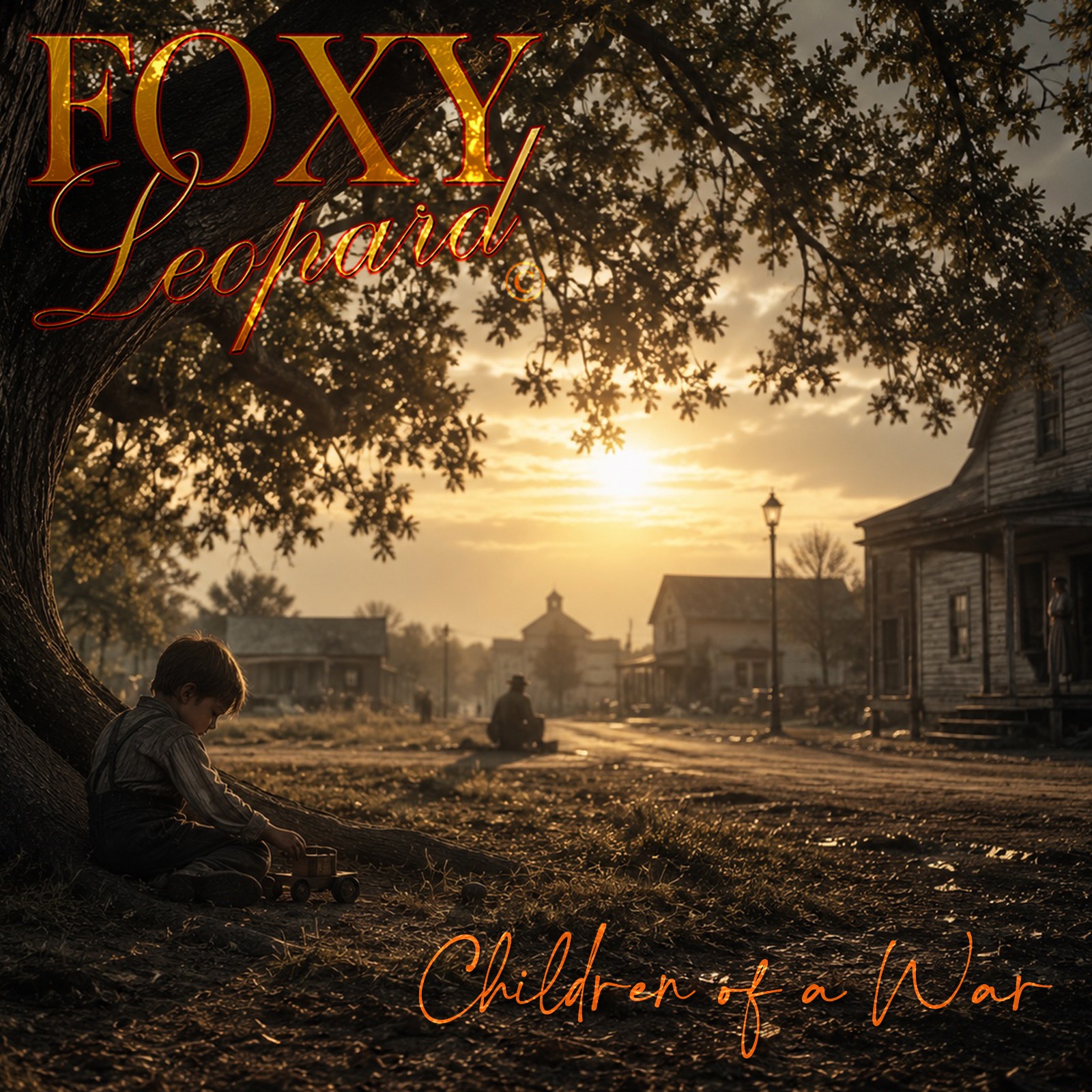
Foxy Leopard’s “Children of the War,” released on 05 Sep 26, is an introspective single that examines the consequences of conflict through the lives of people left behind after the fighting ends. As the flagship song of the upcoming album After, the track approaches war from a perspective that is less concerned with battles and more interested in what ordinary people inherit from them.
Children of the War begins with a melancholic feeling, immediately establishing a sense of sadness before a catchy guitar riff introduces greater urgency. The shift is striking because the faster rhythm does not remove the darkness of the opening. Instead, it gives the song a tense forward motion, carrying an ominous feeling that suggests something inevitable is approaching. The opening vocal is gentle and emotionally weighted, allowing the words to establish the human side of the story before the arrangement becomes more forceful.
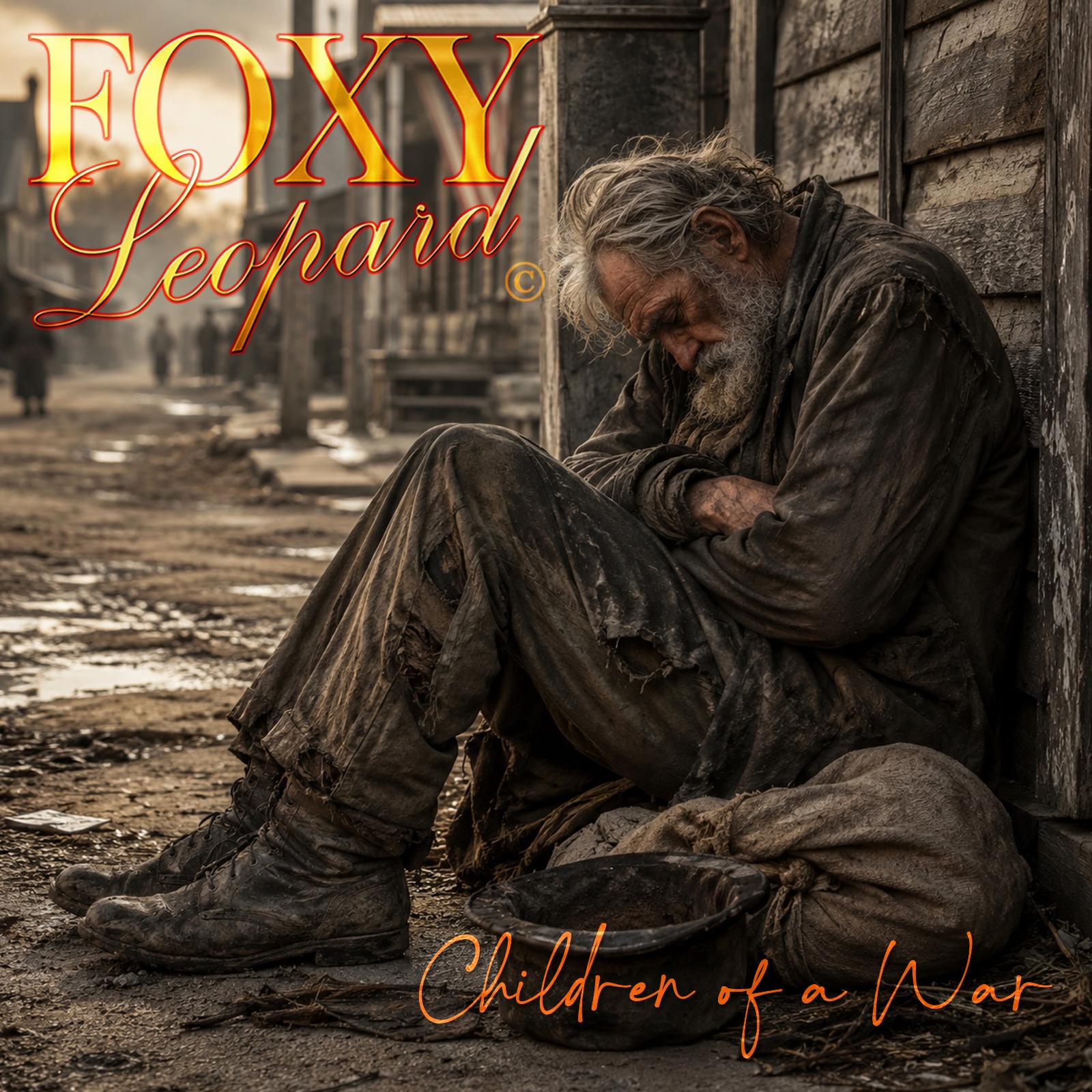
The first verse of Children of the War introduces an old man whose personal struggle is deliberately left open to interpretation. He may be carrying the effects of war, poverty, trauma, memory, age, or another private battle, but the important question is whether people will stop long enough to notice him. That idea is reinforced by the musical progression. Once the guitar becomes more urgent, the lead vocal also becomes stronger and fiercer, sounding increasingly determined to state an uncomfortable truth without being restrained. The guitar is particularly important to the track because its strumming works alongside the drums as both rhythmic support and melodic material. The muted strumming, tense riffs and percussion keep the music from settling into anything comfortable, so the feeling of unease remains present even as the rhythm becomes catchy. This tension is not limited to the instrumental arrangement. It is also carried by the vocal delivery and the lyrics.
Foxy Leopard’s use of children’s voices is one of the song’s most effective choices. Their humming appears after the opening vocal lines, creating a striking contrast between the adult voice and the innocence represented by the children. Later, their presence behind the lead vocal gives the chorus a stronger sense of drama without taking attention away from the message. The children are given some of the song’s simplest observations, reducing complicated ideas about conflict, identity and inherited consequences into straightforward statements. When they join the lead vocal, the contrast between the worn adult voice and the younger voices makes the central idea of war feel broader than one person’s experience. The chorus is especially memorable because of its combination of fervor, energy and expression. Its driving quality makes it easy to imagine singing along, while the children’s backing vocals add another emotional layer to the words. The crisp, clean production keeps these different elements clearly defined without taking away from the rougher character of the vocal performance.
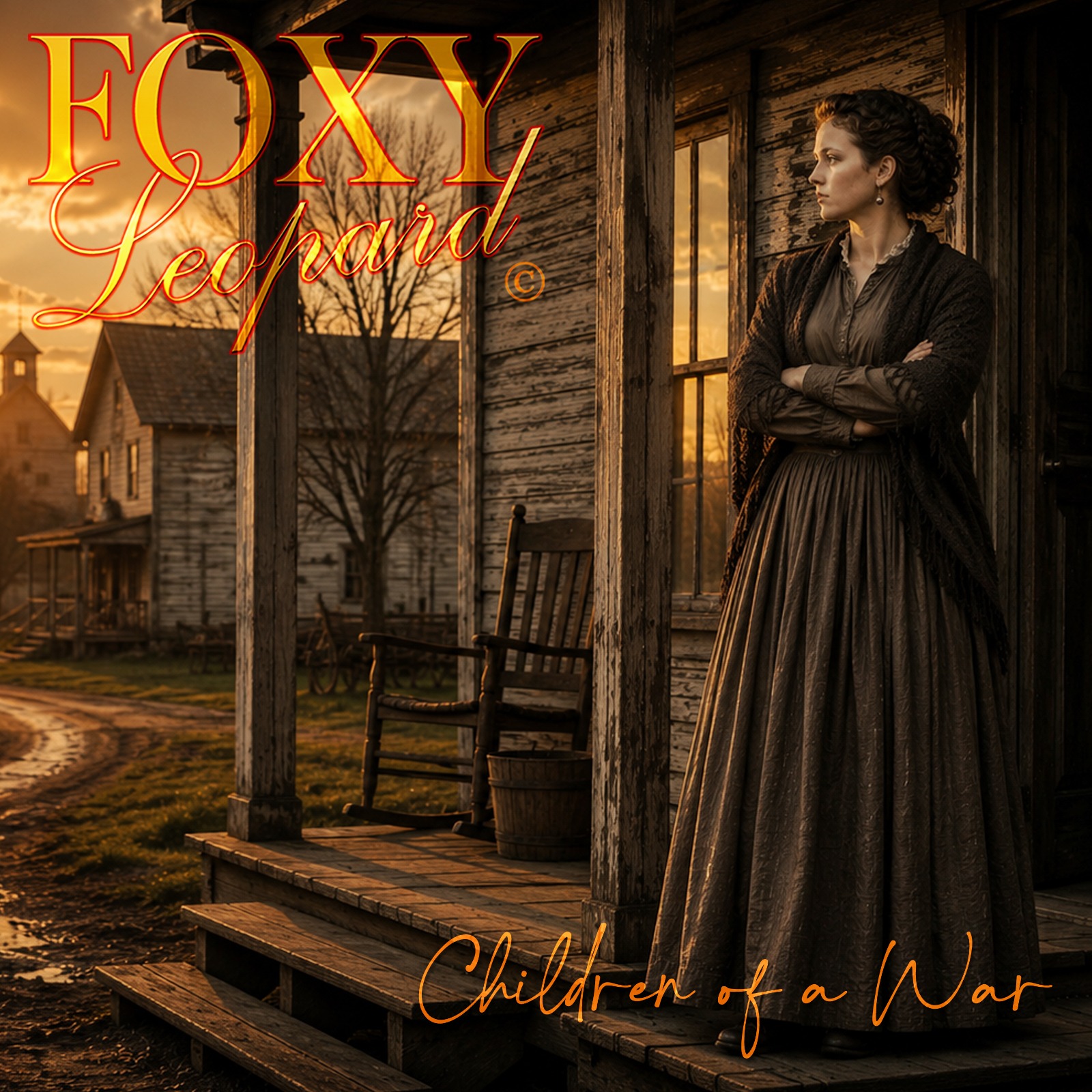
The second verse shifts attention toward a woman waiting for someone who will never return and raising her children without the support she once had. Her situation expands the song’s definition of who can be considered a child of war. The conflict does not have to be experienced directly by someone for its consequences to shape their life. The story also connects with the wider narrative of After, where the aftermath of the American Civil War becomes a setting for examining the personal consequences of violence. The reference to Zerelda “Zee” Mimms James serves as an emotional point of inspiration for the woman in the song, rather than a literal retelling of her life. What remains central is the image of a mother forced to carry a family forward after violence changes what her home looks like. The lyric reaches its strongest emotional point when Children of the War asks whether people will simply turn away from suffering or choose to help. The question works because the music never treats the subject casually. The tension in the guitars and percussion continues underneath the vocals, keeping the sense of unease active while the words ask for a human response.
Children of the War’s central idea is stated through the repeated contrast between different people, roads, minds and goals, eventually arriving at the recognition that everyone can inherit the consequences of conflict. Rather than presenting war as something that belongs only to soldiers or a particular historical period, “Children of the War” widens the subject to include anyone shaped by a conflict they did not begin or control.
Foxy Leopard is a cinematic alt-country project from Quebec, Canada, combining human storytelling with AI-driven composition. The project draws on the emotional backdrop of the American Civil War while focusing on the gradual breakdown of human connection and the consequences that follow. Its sound is described through raw resonator guitar, sparse instrumentation, harmonica or banjo and close, intimate vocals, creating a stripped-back approach that sits between 1860s folk, modern outlaw storytelling and minimalist alt country. The project also reflects Foxy Leopard’s background as a 90s dance club DJ who remains passionate about music. “Children of the War” brings those ideas together in a focused single that uses a strong rhythm, tense guitar work, contrasting vocal performances and children’s voices to examine what remains after conflict has officially ended. Rather than offering an easy resolution, the song leaves its central question with the listener: whether we will notice the people carrying the consequences of wars they never chose.
“When wars end, the fighting may stop, but the people carrying their consequences are still waiting to be seen.”
~ Tehillah (DULAXI Team).
“Children of the War” is a thoughtful and musically tense introduction to the world Foxy Leopard is building with After. Its strongest quality is the way its musical choices support its theme without overwhelming it. The urgent guitar, driving percussion, forceful lead vocal and imperfect children’s voices all contribute to a song that asks its questions directly while leaving room for the listener to consider them. Its final message is not about victory, but about choosing not to walk away from people whose struggles remain long after the conflict itself has ended.