
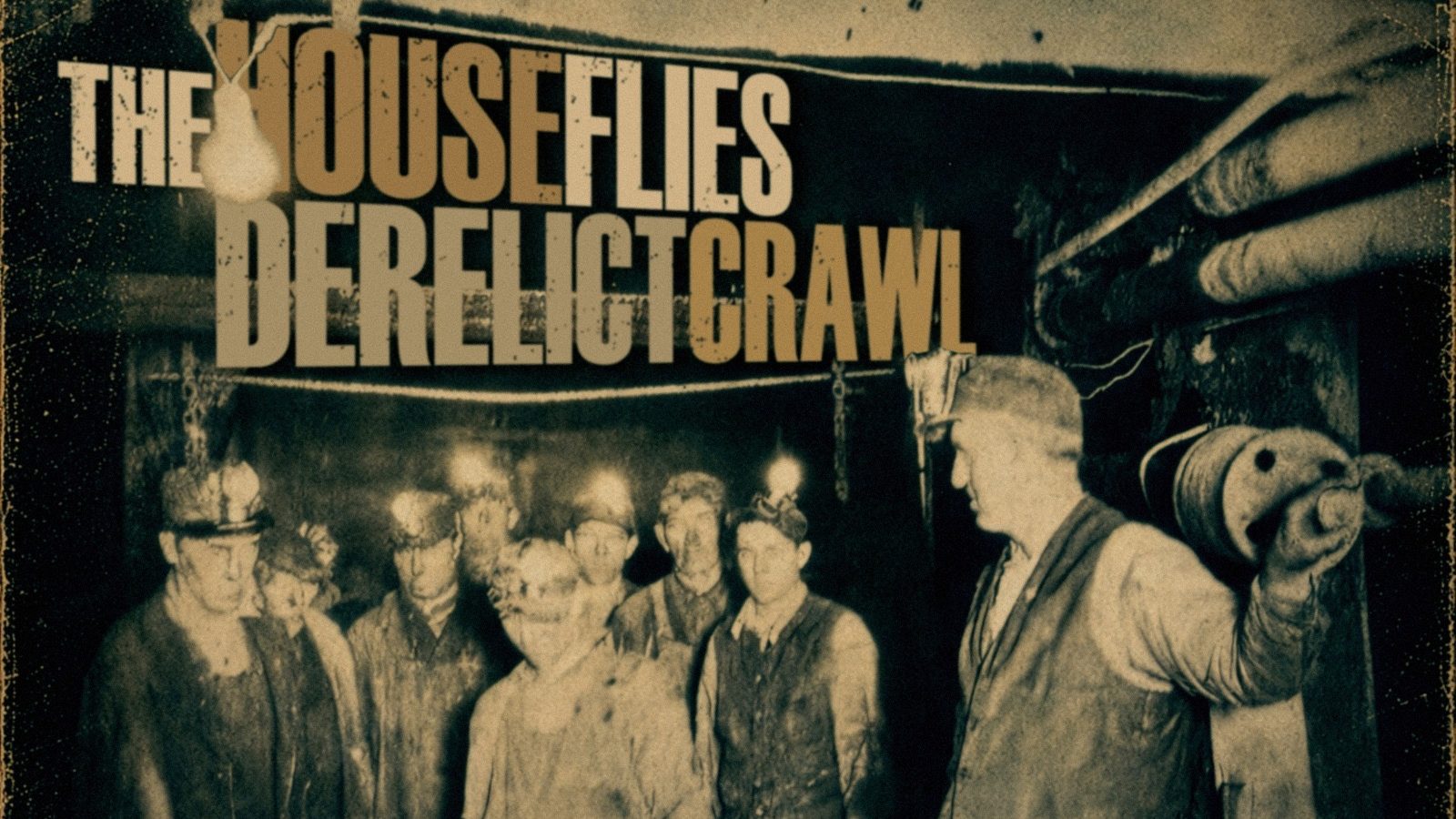
Hello everyone, it’s your host Tehillah from DULAXI, and today I’m delighted to be joined by The House Flies, the post-punk and dark alternative band from Moline, Illinois, United States. Their latest single, “Derelict Crawl,” was released on September 4, 2026, and serves as the first single from their forthcoming second album, Lions and Ore, due November 6, 2026.
Built around post-punk, gothic rock, dark alternative, noise rock, shoegaze, grunge, and melodic guitar influences, “Derelict Crawl” introduces a heavier and more repetitive side of The House Flies’ evolving sound. Before we begin our conversation with The House Flies, here’s what you need to know about today’s featured project.
About The House Flies
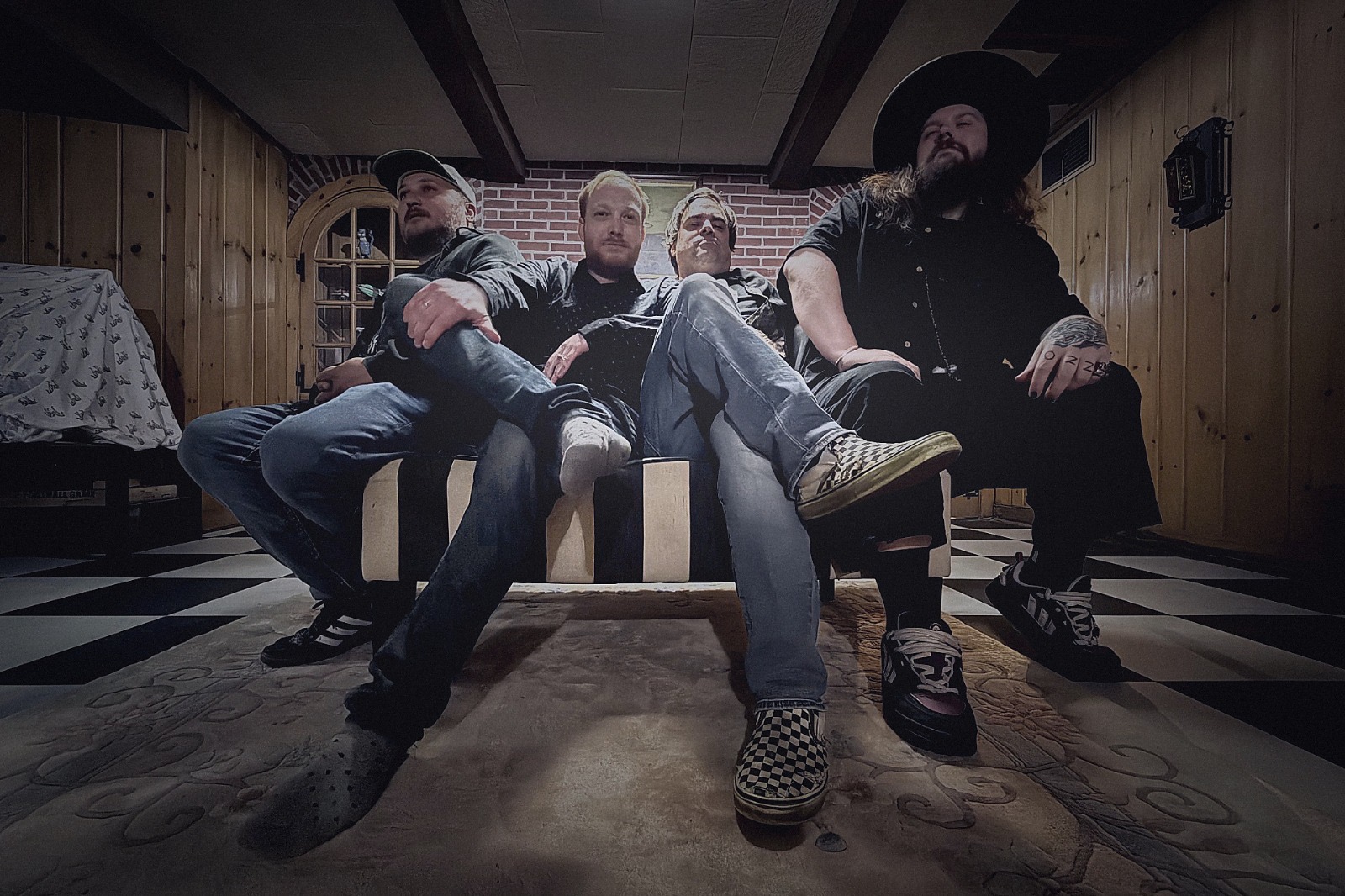
Based in Moline, Illinois, The House Flies have steadily developed from the early Glimmer EP into a broader and increasingly collaborative band project. What began largely as Alex Riggen’s recording project gradually grew into a full band, with the transition toward live performance and shared creative input becoming an important part of the group’s development. Their full-length Mannequin Deposit marked a significant step in that evolution, followed by the 2025 single “Sweet Foxhound.”
The band’s music draws from post-punk and goth rock while making room for shoegaze, grunge, noise rock, and melodic guitar music. Rather than treating those influences as fixed boundaries, The House Flies have developed an approach built around atmosphere, repetition, contrast, and a willingness to allow songs to take unexpected turns. Their Midwestern surroundings also form a quiet but persistent part of the band’s identity, with old houses, fields, industrial spaces, empty roads, changing weather, and small-town environments finding their way into the band’s lyrics, artwork, photographs, and wider creative world.
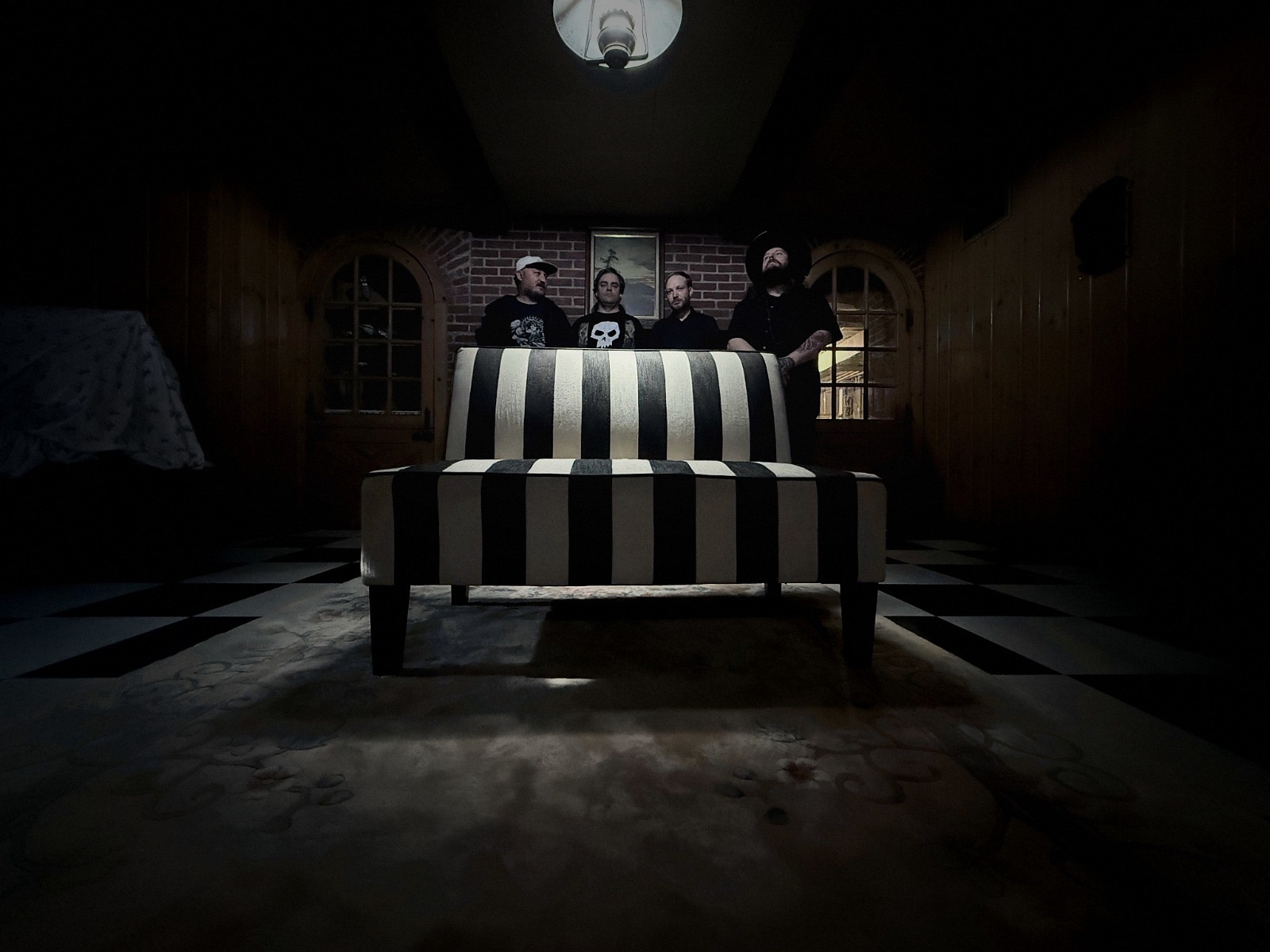
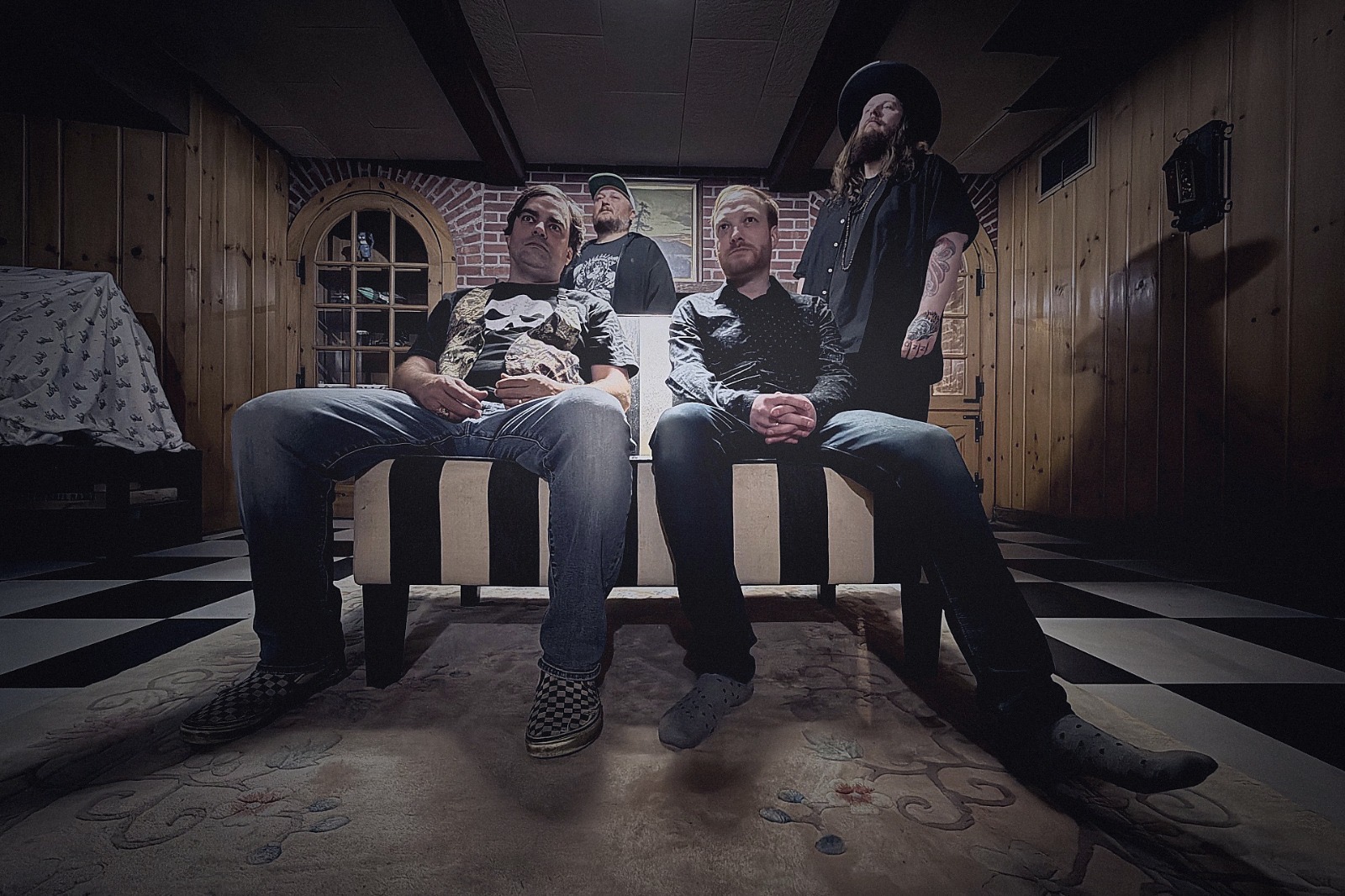
That sense of place becomes particularly important on Lions and Ore, the band’s second album and their first full-length release to feature the current four-piece lineup of Alex Riggen, Burnie Eckhardt, Ozzie Woods, and Nick Pompou. With Burnie Eckhardt bringing a second guitar into the full-album lineup, the record expands the band’s musical possibilities while moving further into longer arrangements, heavier transitions, quiet repetition, wider dynamic shifts, and rural imagery.
“Derelict Crawl” provides the first glimpse into that new chapter. Released September 4, 2026, the single is one of the album’s more direct pieces, built around a steady post-punk rhythm, dense guitars, quieter sections, and the repeated refrain “We don’t belong.” The song captures some of the record’s weight and repetition while deliberately leaving room for the album’s quieter, stranger, more melodic, and more drawn-out moments to reveal themselves later. The album release show is scheduled for November 6 at Raccoon Motel in Davenport, Iowa, with The King of the Weirdos, Company Dimes, and Halfloves.
Having this brief introduction to today’s featured project, I’m sure both new listeners and longtime fans are excited to hear directly from The House Flies. So, without further ado, let’s begin today’s interview.
INTERVIEW SESSION
Tehillah:
The House Flies have grown from the Glimmer EP through Mannequin Deposit and the 2025 single “Sweet Foxhound” into a four-piece now preparing to introduce Lions and Ore. Looking back at that journey, what personal experiences and turning points have shaped the people behind The House Flies, and how have those experiences influenced the way you approach music today?
The House Flies:
Glimmer started as something Alex was doing largely on his own. After those four songs, it became pretty clear that keeping The House Flies as a solo recording project wasn’t really where we wanted it to go. The idea of having an actual band, playing the songs live and having other people involved in shaping them became much more interesting.
That happened gradually. Mannequin Deposit was a big step toward that, and the band has continued becoming more collaborative since then. At this point, one of the things we value most is that everybody brings different instincts into the room. Songs can start in one place and end up somewhere none of us would have reached alone.
We probably trust those turns more now. There’s less interest in deciding too early what a song is supposed to be.
Tehillah:
Being based in Moline, Illinois, while creating music that carries elements of post-punk, goth, shoegaze, grunge, and melodic guitar music gives The House Flies a very particular sense of place. How has growing and creating in the Midwest influenced your understanding of atmosphere, isolation, beauty, and darkness, and what parts of that environment do you find yourself naturally bringing into the band’s music?
The House Flies:
We don’t really sit down and decide to make something sound Midwestern. It’s just the environment we know, so it comes through whether we’re thinking about it or not.
There are old houses, fields, industrial areas, empty roads, extreme weather, small towns, places that can feel very beautiful and very worn at the same time. Those things naturally end up in lyrics, photographs, artwork and probably the music itself.
We’re interested in places that feel lived in. A building or a room or a stretch of road can carry a lot without needing much explanation. That seems to find its way into the songs pretty often.
Tehillah:
The House Flies have developed a sound that sits comfortably between post-punk and dark alternative music while still allowing room for heavier guitars, melodic passages, and more atmospheric textures. When you think about the identity you have built as a band, what do you believe makes The House Flies recognisable beyond genre, and what are you most intentional about preserving as the band’s sound continues to evolve?
The House Flies:
Repetition is probably a big part of it. We like parts that keep circling around and slowly change rather than constantly introducing something new.
There’s also usually some tension between something melodic and something a little uglier or heavier. Even when a song is quiet, we tend to like some discomfort in it.
We don’t really want to preserve a checklist of sounds. The thing we want to keep is the freedom to let a song be simple, noisy, repetitive, melodic or slow if that’s what feels right. If there’s a recognizable identity, hopefully it comes from the way we make those decisions rather than from trying to stay inside a genre.
Tehillah:
With reference points ranging from goth rock and shoegaze to grunge and melodic guitar music, there is a wide emotional and sonic territory available to The House Flies. Which musical influences have stayed with you most strongly over the years, and how do you make sure those influences become part of your own language rather than simply determining what the music should sound like?
The House Flies:
There are bands we’ve listened to for years like The Cure, Joy Division, Bauhaus and Sisters of Mercy, and then things outside that world that probably affect us just as much.
Usually the influence isn’t as literal as trying to sound like a particular record. It might be the way a band uses repetition, how the bass works against the guitar, how much space they leave, or how a song can stay in one place without feeling static.
The best influences give you permission to try something rather than giving you instructions for how it should sound.
Tehillah:
Lions and Ore appears to expand considerably on the foundation established by your earlier work, particularly through longer songs, slower development, wider dynamic shifts, and recurring rural imagery. What changed creatively or personally that made you want to give these songs more room to breathe, and what were you hoping that additional space would allow the band to express?
The House Flies:
We started getting more interested in what could happen inside a section instead of always needing another section.
A guitar might change slightly, the bass might start moving somewhere else, or something underneath the song might slowly become more noticeable. That made repetition feel like part of the arrangement instead of something you had to move away from.
The larger dynamic range came out of that too. Some sections needed to stay sparse, and others needed to get much bigger. Once we stopped treating every part of a song as though it needed the same amount of information, the record opened up quite a bit.
Tehillah:
“Derelict Crawl” feels like an especially revealing entry point into that world because it is built around a driving post-punk rhythm, dense guitars, quieter drop-down sections, and the repeated refrain, “We don’t belong.” What was happening emotionally or creatively when this song began to take shape, and what does that feeling of not belonging mean to you within the context of the song?
The House Flies:
The song came together more from a feeling than from a story.
“We don’t belong” became the center of it pretty quickly, but we’ve always liked leaving some space around what that means. It can be social, personal, physical or something else depending on how somebody hears the song.
For us, the repetition was more important than explaining it. Saying the same thing again and again can start to change what the words feel like.
Tehillah:
The lyrics move through striking images such as dial tones, worn leather, summer heat, and physical collapse, creating a world that feels both tangible and unsettling. When you were writing those images, were you drawing from specific memories and experiences, or were you more interested in creating an emotional landscape where different fragments could communicate something larger about discomfort, disconnection, or deterioration?
The House Flies:
There are definitely personal things in there, but the lyrics weren’t written as a sequence of events.
Usually an image or phrase comes first because it feels right next to the music. Then another one appears and eventually they start creating their own relationship.
We’re comfortable with some of those connections staying unexplained. Sometimes a few specific objects or details can say more than explaining exactly what happened.
Tehillah:
There is something particularly interesting about the decision to repeat “We don’t belong” rather than constantly introducing new lyrical information. What does repetition allow you to communicate emotionally that a more traditional verse-and-chorus approach might not, and how important was that repeated phrase in establishing the psychological atmosphere of “Derelict Crawl”?
The House Flies:
Repetition can make a phrase feel less certain instead of more certain.
The first time you hear “We don’t belong,” it can sound like a statement. After it repeats enough times, it can start sounding like somebody trying to convince themselves, or the words can lose some of their literal meaning and become part of the rhythm.
That became interesting to us throughout Lions and Ore. Sometimes repeating a small amount of information changes it more than adding another verse would.
Tehillah:
You have described “Derelict Crawl” as carrying some of the weight and repetition of Lions and Ore without revealing everything that comes later. How did you decide that this was the right song to introduce the album, and what aspects of the record did you deliberately choose not to reveal through the first single?
The House Flies:
It felt like a good doorway into the record because it has a lot of the things that are important to the album: repetition, dynamics, heavier guitars and sections that develop through small changes.
At the same time, it doesn’t really show the whole range of the record. There are songs that are more melodic, quieter, stranger or more drawn out.
We liked the idea of the first single establishing the weight of the album without explaining everything else that was coming.
Tehillah:
The album’s recurring imagery of old houses, fields, heat, weather, sleep, and things slowly coming apart gives Lions and Ore a strong rural gothic quality. What draws you to these particular images, and how do ordinary elements of the physical world become vehicles for exploring the more uneasy or emotional ideas running through the album?
The House Flies:
Those are just things that are around us.
An old house or a field or the way a room feels in the middle of summer can already carry a lot of emotion before you attach a story to it. We’re probably more interested in that than trying to invent something obviously dark.
Ordinary things get stranger when you stay with them long enough. A photograph, a piece of wire, a porch light or an empty room can become unsettling without changing into anything else.
Tehillah:
“Derelict Crawl” balances forceful sections with quieter drop-down moments, while the wider album moves between heavy guitar-driven passages and more patient, atmospheric stretches. When constructing these contrasts, how do you determine when a song needs to become louder, when it needs to pull back, and how much of that decision comes from composition versus the emotional instinct of the band in the room?
The House Flies:
A lot of it comes from playing the songs together.
You can have an arrangement mapped out and then realize that a section needs to stay quiet longer, or that something feels much bigger if you wait another eight bars before everything comes back in.
We don’t really use a formula for dynamics. Usually you know when the loud section arrives too early because it doesn’t feel earned yet.
That became important on this album. We wanted the quieter moments to have their own weight instead of only existing as a short bridge to the next loud part.
Tehillah:
Lions and Ore is the first full-length release to feature the current lineup of Alex Riggen, Burnie Eckhardt, Ozzie Woods, and Nick Pompou, with Burnie bringing a second guitar into the band’s full-album sound. How did having this lineup fully involved reshape the arrangements, textures, and possibilities of the record, and were there moments when the chemistry of the four-piece took a song somewhere you had not originally expected?
The House Flies:
The most important thing about adding Burnie wasn’t simply adding another guitar. It was adding another person with their own instincts.
One part or suggestion can shift the direction of an entire song, and Burnie hears things differently than Alex, Ozzie or Nick would. That gives us another voice in the writing process.
That’s probably the biggest change in the band over time. It has moved farther away from one person bringing in something finished and more toward letting everybody affect what the song eventually becomes.
There were definitely parts on this record that ended up somewhere none of us would have predicted at the beginning.
Tehillah:
Moving from the earlier releases into a seven-track album built around longer arrangements and heavier transitions naturally creates a different set of creative demands. What were some of the most difficult moments during the writing, recording, or arranging of Lions and Ore, and was there a particular obstacle that ultimately forced the band to rethink how a song or section should work?
The House Flies:
The hardest part was probably knowing when something was finished.
When songs are allowed to stretch out more, you have a lot more choices. A section can repeat four times or twelve times. Something can disappear completely or slowly build underneath everything else.
There were definitely songs where we tried adding more and eventually realized that the better decision was to remove something.
A lot of this record came down to learning that development doesn’t always mean adding another part.
Tehillah:
Your catalogue has developed gradually from Glimmer to Mannequin Deposit, “Sweet Foxhound,” and now Lions and Ore. When you listen back to that earlier material alongside this new album, what changes in your songwriting, confidence, and understanding of The House Flies stand out most clearly to you?
The House Flies:
The biggest difference is probably that we trust the identity of the band more now.
Glimmer was the beginning of the idea. Mannequin Deposit gave it a clearer shape, and “Sweet Foxhound” started opening up some things that became more prominent on this record.
With Lions and Ore, there’s more contrast. Songs can be melodic or abrasive, very quiet or very heavy, and they don’t all have to resolve those differences in the same way. Instrumental sections and repetition also carry more of the weight than they did before.
The band has become much more collaborative along the way, which has probably changed the music more than any deliberate decision about style.
Tehillah:
The physical release of Lions and Ore will include a limited run of only 100 black vinyl copies, alongside its availability through Bandcamp and major streaming platforms. What does having the album exist in different formats mean to you, particularly for a record that seems so concerned with physical spaces, atmosphere, repetition, and a sense of place?
The House Flies:
We still like records as objects.
There’s something different about having two sides, putting the needle down, turning the record over and seeing the artwork at that size. Lions and Ore was sequenced as two sides, so vinyl fits the way we think about the record.
At the same time, we’re not precious about how somebody listens to it. If someone hears it on Spotify in their car or watches a video on their phone, that’s still real.
The physical version just gives the album another life.
Tehillah:
As The House Flies enters this new chapter with Lions and Ore, what do you want this album to change or establish for the band, and when you look further ahead, what kind of artistic world do you hope The House Flies continues building with the next songs, releases, and experiences still to come?
The House Flies:
Hopefully it makes the band feel a little harder to define.
We don’t want Lions and Ore to establish a set of rules that the next record has to follow. If anything, making it showed us that we can trust ourselves to go farther in whatever direction a song suggests.
We’d like to keep making records where the songs, artwork, videos and live shows feel like they belong near each other without having to explain exactly why.
Beyond that, we’d rather leave some of it unknown.
“The House Flies turn repetition into a space for uncertainty, allowing familiar images, shifting textures, and gradual changes to become more revealing the longer you remain inside the music.”
~ Tehillah (DULAXI Team)
EDITORIAL PERSPECTIVE
“Derelict Crawl” establishes its impact through patience rather than excess. The steady rhythm, layered guitars, restrained vocal delivery, and carefully measured changes give the song room to develop without losing its sense of direction. What becomes particularly compelling after speaking with The House Flies is how closely their creative philosophy aligns with the music itself. Their willingness to let repetition, silence, contrast, and small changes carry meaning gives the track a strong sense of purpose while leaving its emotional interpretation open.
~ Tehillah (DULAXI Team)
CLOSING
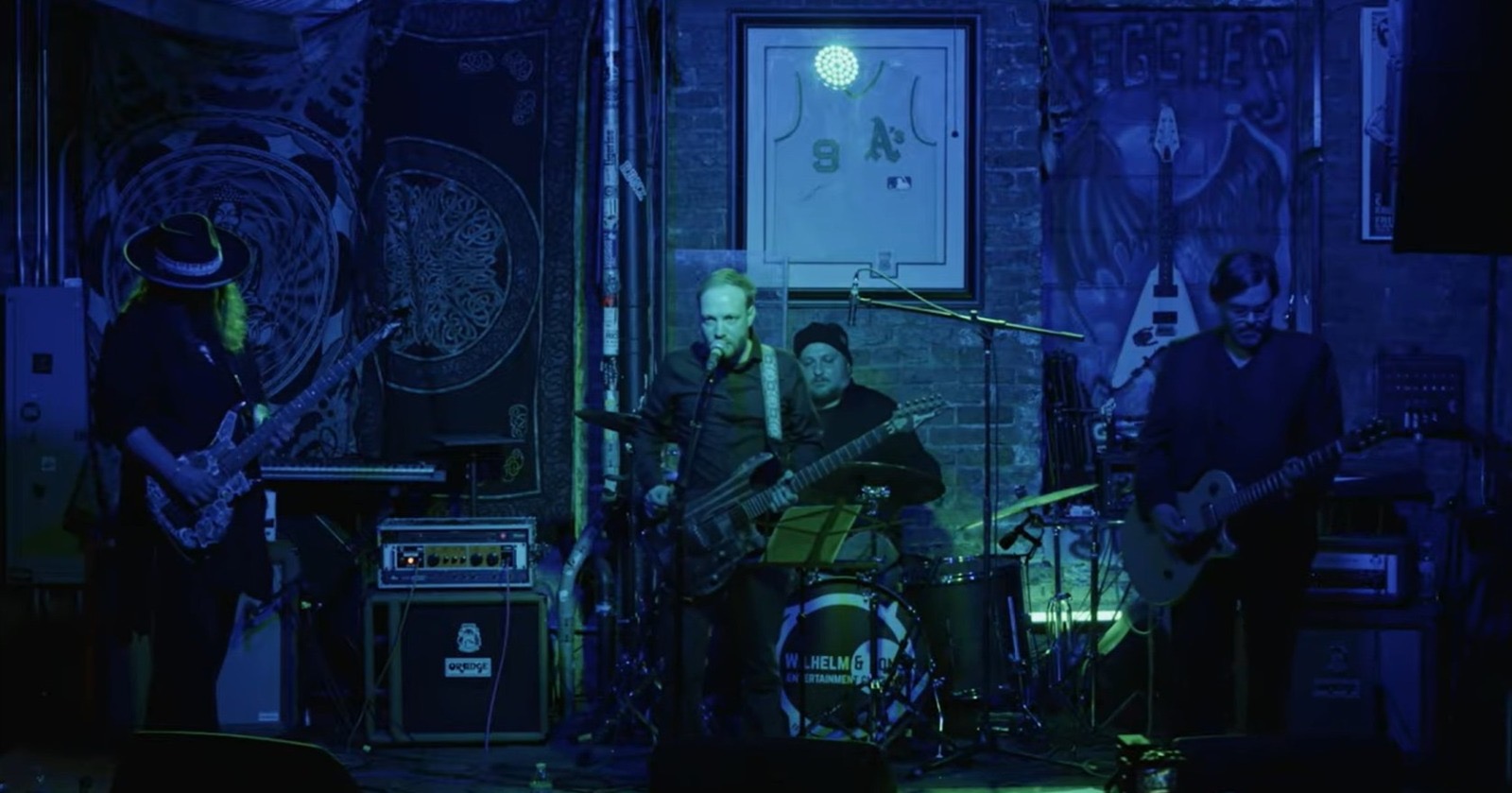
Our conversation with The House Flies offers a thoughtful look into a band entering a new stage of its development without becoming overly concerned with defining exactly what that stage should look like. From the evolution of the project since Glimmer to the collaborative approach behind Lions and Ore, the band’s story is one of gradual growth, shared instinct, and increasing trust in what can happen when a song is allowed to develop on its own terms.
Thank you to The House Flies for taking the time to speak with DULAXI and for sharing such thoughtful insight into the making of “Derelict Crawl,” the development of Lions and Ore, and the creative ideas shaping this next chapter. We encourage readers to spend time with the single and discover where its world leads as the full album approaches.
Thank you for spending time with DULAXI and with today’s conversation. We look forward to bringing you more artist stories, new releases, and in-depth interviews from across the music world.