
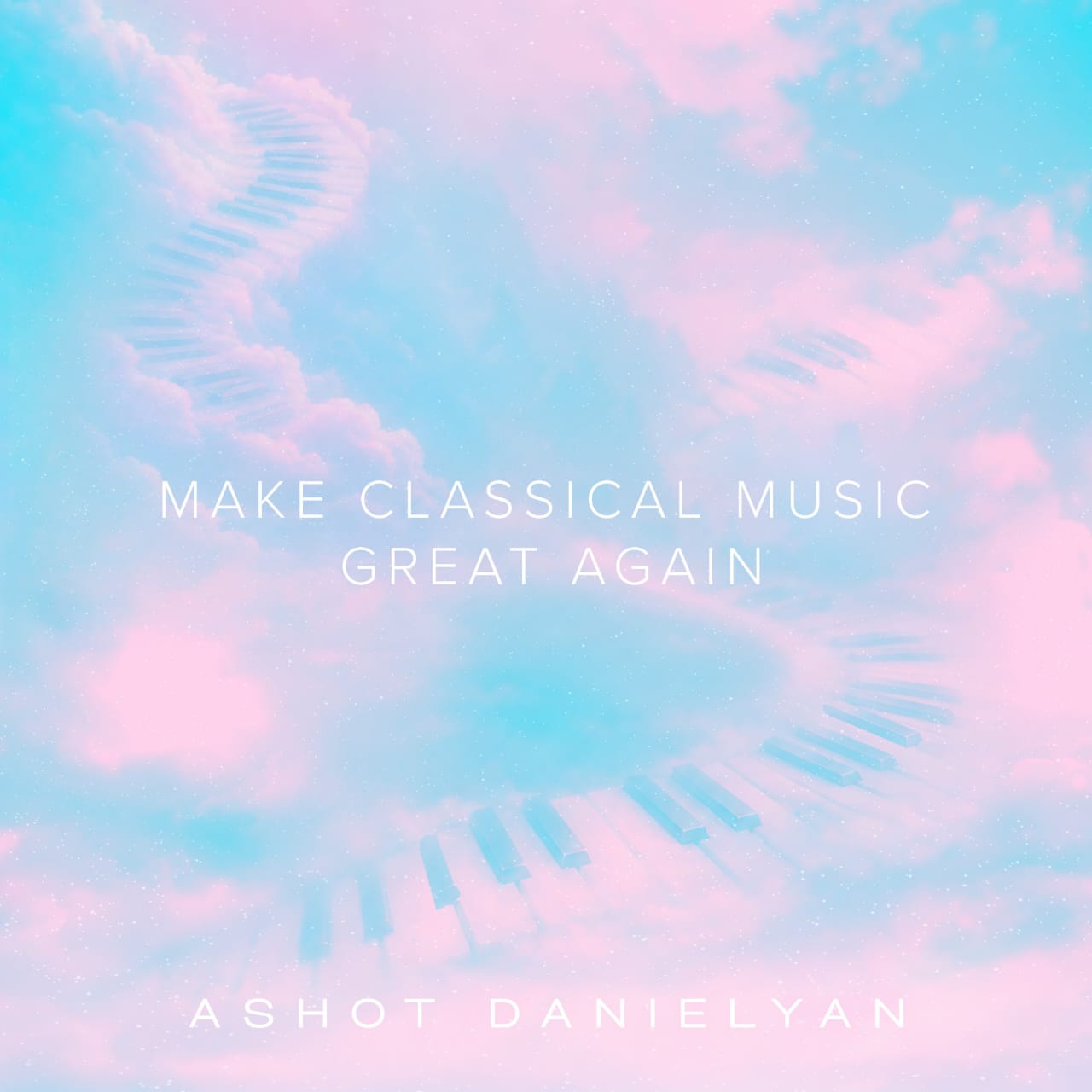
Ashot Danielyan’s “Make Classical Music Great Again,” released on 26 September 2026, is a collection of seven spontaneous piano solo improvisations recorded in Moscow, Russia, and each piece sounds like a thought captured at the moment it occurred. Danielyan is a pianist and improviser who moves between Classical, Ambient, New Age and Experimental music, and this album keeps the piano at the front throughout. The four pieces I spent time with share a patient pace, a close and warm recording, and an instinct for letting a single melodic idea settle before the next one arrives.
What stands out across these pieces is how much feeling Danielyan communicates without a single word. Memory, nostalgia, dreams and a sense of purpose surface again and again, and the writing treats them with a calm that invites reflection instead of sadness. Quiet pads and, on some tracks, strings sit around the piano, but they never compete with it. The result suits headphones, late evenings and rooms where nothing else demands attention, and it gives the album a unity that is easy to hear even though every piece was improvised.
Middle of This April:
Ashot Danielyan’s “Middle of This April” opens with the piano alone, and that first choice tells the listener what kind of piece this will be. The melody is the first thing to register, followed quickly by a soft, spacious atmosphere that eases the introduction in and builds curiosity about where the phrases will lead. The pacing stays relaxed, with gradual shifts in phrasing, so the piece feels like a reflective afternoon instead of a statement. Memory and nostalgia sit at its centre, along with a sense of dreams and purpose, and the lingering feeling after it ends is peace tinged with wistfulness. For me, the closest comparison is a quiet space for introspection, one where nostalgia arrives calmly and leaves the listener settled.
The instrumental arrangement is balanced and organic, with the piano carrying the melody while strings and keyboard-based ambience sit behind it. The touch is tender, and the flowing dynamics let each phrase breathe, so the piano communicates the narrative on its own terms. The strings and synthesised pads warm the sound and give the room around the piano a soft, lived-in texture. The closing section and bridge form the high point, where the quiet intensity rises just enough to feel like arrival. The production is professional and intimate, and the delicate phrasing combined with lush pads and strings gives the piece a cinematic quality that suits the album’s reflective tone.
Warm May Night:
Ashot Danielyan’s “Warm May Night” is the most restrained piece of the four, and its title fits what the music does. The piano enters first, and the melody and soft ambience establish a contemplative evening mood from the opening notes. There is no single climax here, which is a deliberate-sounding strength, because the piece holds one steady emotional temperature instead of building toward a peak. Reflection and peace linger afterward, and the themes of memory, nostalgia and dreams are handled with a light touch. It reads as a quiet portrait of a spring evening, and the shift from reflection toward acceptance feels earned because nothing in the piece is forced.
The arrangement is minimal and balanced, built around a piano that carries the melody entirely by itself. A thin layer of ambience supports it, adding warmth and a slight grain of texture without crowding the instrument. The piano’s tone is warm and expressive, and its touch makes the contemplative melody sound unhurried and personal. This is the track I would pick for studying, unwinding or simply sitting in a dim room, because it asks for no effort and rewards close listening. The intimate production keeps every note close, which turns the piece into a small, private mental escape.
Middle of This July:
Ashot Danielyan’s “Middle of This July” begins with the piano leading from the first moment, and the introduction eases the listener in with calm confidence. Its themes of memory, nostalgia, dreams and purpose point toward a summer afternoon or a late-night reflection, and the piece rewards both settings. The pacing is relaxed with gradual movement in phrasing, and the emotional direction travels from reflection to acceptance, ending with a lingering feeling of nostalgia. The bridge works as the central progression of the piece, where the melody turns more insistent and the mood shifts from looking back to making peace with what is remembered.
The instrumental arrangement is richly layered while remaining balanced and organic. Ambient keyboard support sits beneath the piano, warming the sound and adding texture without covering the melody. The piano’s fluid phrasing and expressive touch carry the nostalgia, and the quiet pads around it give the piece a cinematic quality that makes the writing speak clearly without words. The production is professional, warm and intimate, which suits the headphone listening the piece seems made for. The final impression is of a composition that understands its own scale, delivering lasting feeling through restraint instead of display.
All The Worlds Are Funny:
Ashot Danielyan’s “All The Worlds Are Funny” is the most adventurous of the four, blending neoclassical piano motifs with ambient textures into something that sounds both timeless and modern. The piano begins the piece, easing the listener in before the melody takes hold, and the themes extend beyond memory and nostalgia into self-discovery, healing and personal growth. The emotional direction is the clearest of the album’s four pieces, rising from calm toward intensity, with a mid-section swell acting as the climax. After it ends, reflection, peace and nostalgia remain, which gives the title’s gentle irony a thoughtful rather than comic edge.
The arrangement draws on piano, strings and synth, and each plays a defined role. The piano carries the main melodic line, moving from gentle, reflective notes into resonant chords that anchor the whole piece, while the strings and keyboard layers warm the sound and build intensity toward the swell. The production is clean and polished, and the richly layered, textured arrangement stays balanced from start to finish. That balance is what lets the escalation feel natural, because the louder passages grow out of the quiet opening instead of replacing it. Of the four pieces, this one best shows what Danielyan’s experimental side can add to an otherwise tender, melody-first approach.
“Make Classical Music Great Again” Turns Spontaneous Piano Improvisation Into Quiet Rooms For Memory, Where Nostalgia Settles Into Acceptance Without A Single Word Spoken
~ Daniel (DULAXI Team).
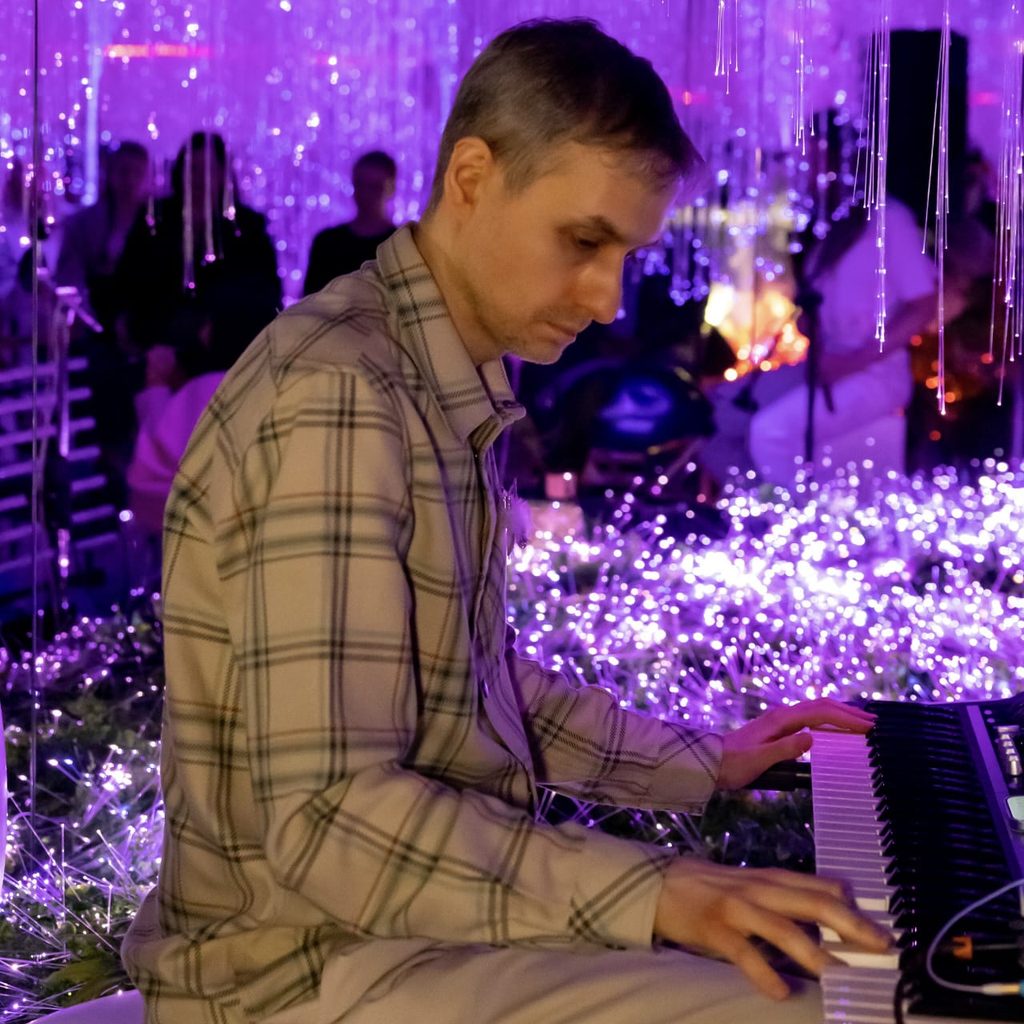
Ashot Danielyan has built his reputation as a pianist and improviser who writes captivating melodies across Classical, Ambient, New Age and Experimental music, and the piano remains his favourite instrument and the centre of most of his work. That focus is audible here. Recorded as seven improvisations in 2026 and released from Moscow, this album trusts the instrument to carry everything, and the four pieces discussed show a musician who can be tender, spare, richly layered and quietly dramatic within a single release. For listeners who want piano-led music that offers comfort, space for reflection and a sense of quiet cinematic scale, Danielyan makes a convincing case that classical music can still feel personal, spontaneous and alive.
For more information about Ashot Danielyan, click on the links below.