
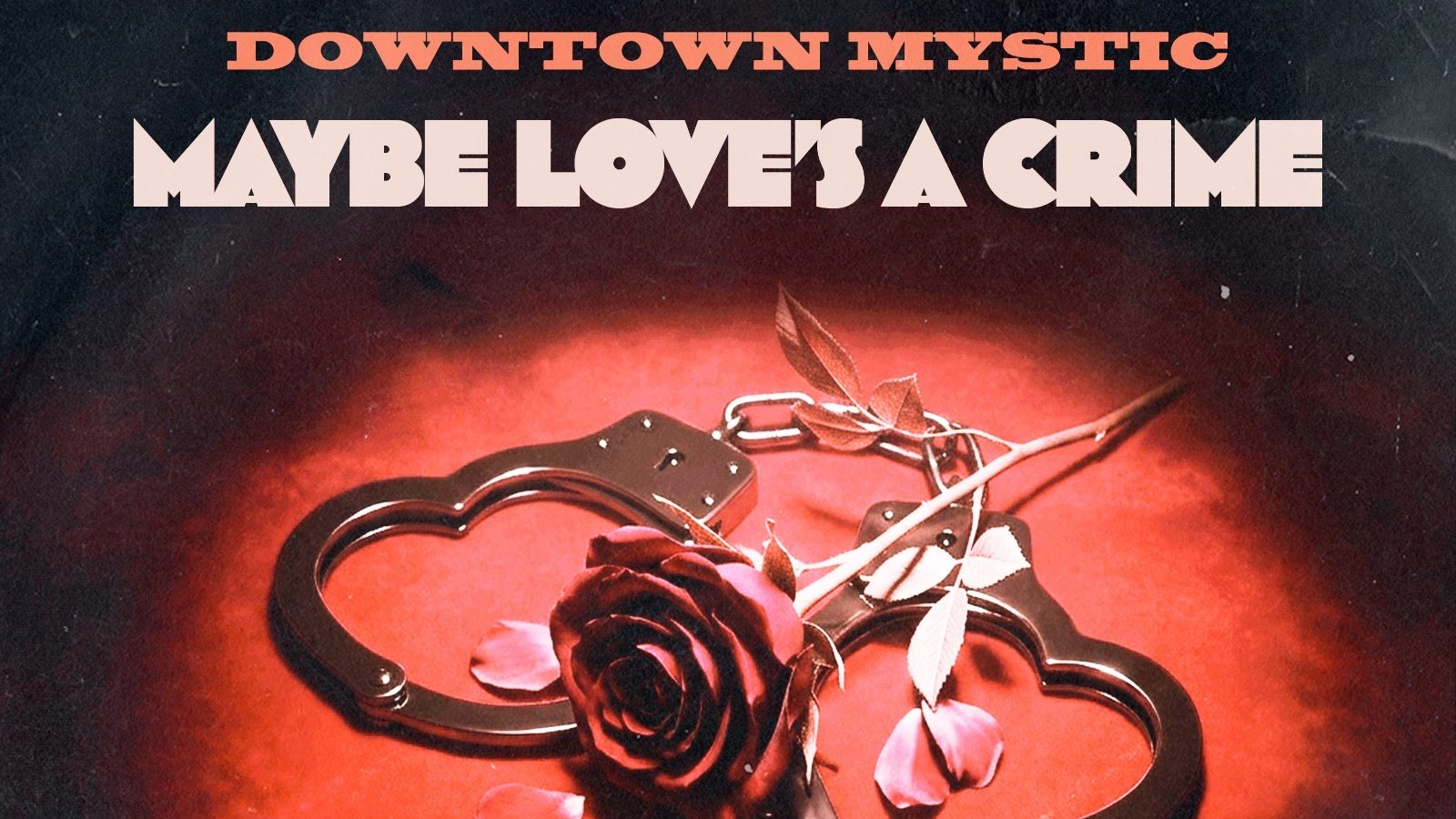
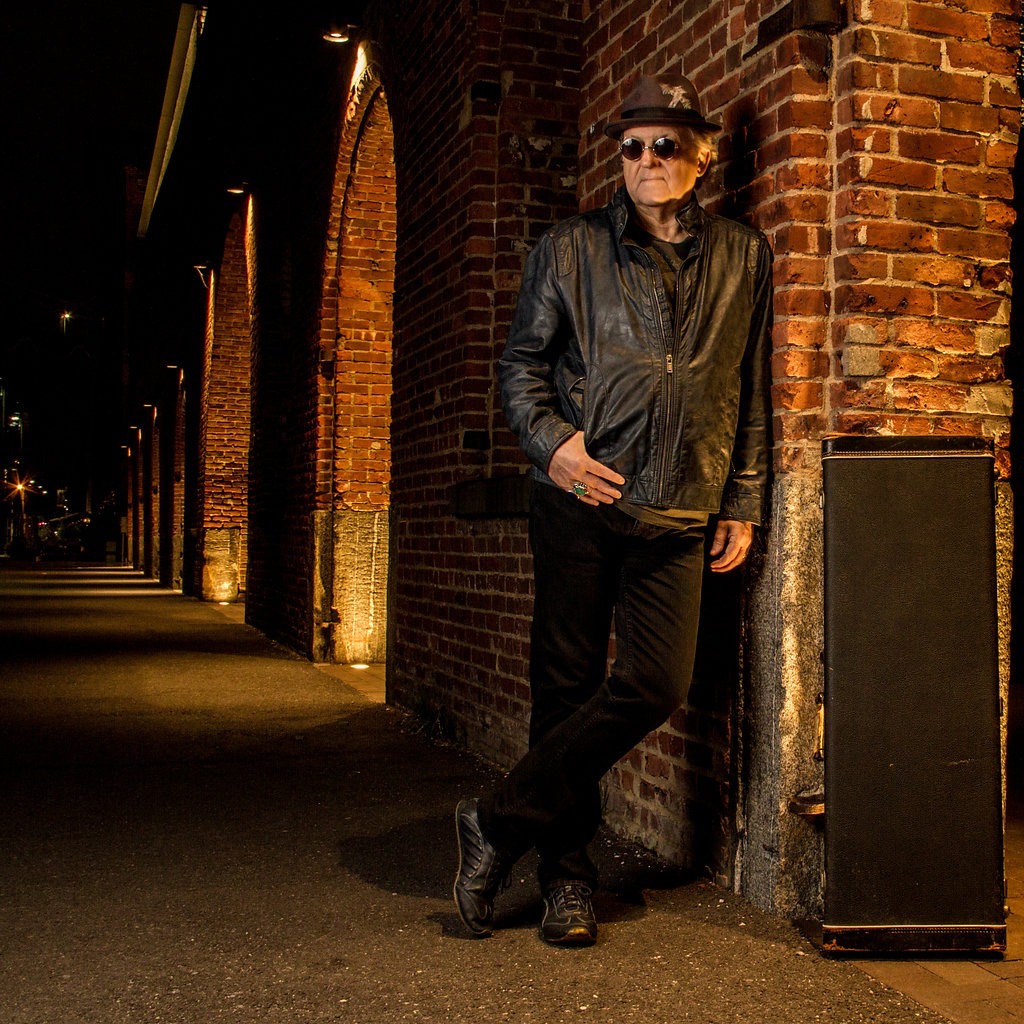
Hello everyone, it’s your host Oliver from DULAXI, and today I’m delighted to be joined by Robert Allen, the American musician, songwriter, and producer behind DownTown Mystic. Based in Toms River, New Jersey, DownTown Mystic brings together the traditions of American rock’n’roll with a sound that connects the character of classic records to a modern musical identity. Robert’s latest single, “Maybe Love’s A Crime,” was released on October 9, 2026, offering another perspective on a project built around his enduring passion for songwriting, expressive performances, and the art of making records.
Before we begin our conversation with Robert Allen, here’s what you need to know about today’s featured project.
About DownTown Mystic
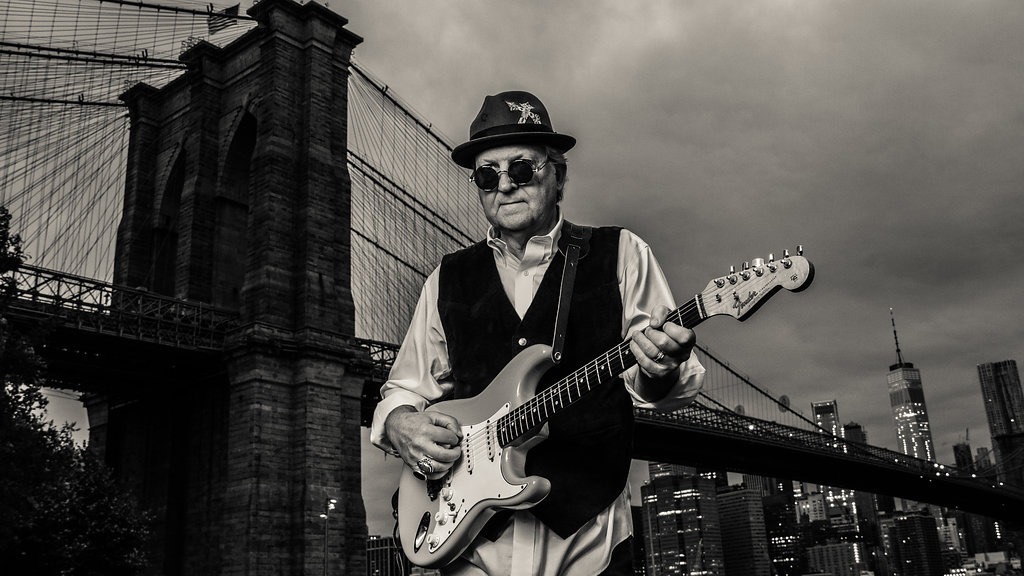
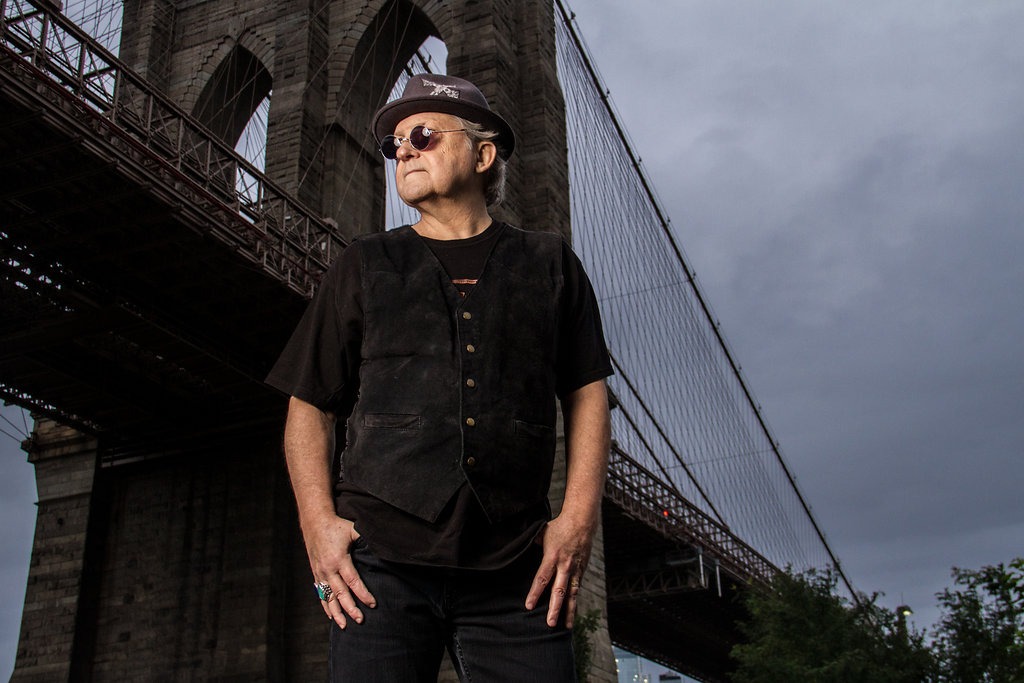
DownTown Mystic is the musical alter ego of American rocker Robert Allen, whose relationship with music has been shaped by a lifelong fascination with the songwriting, performances, and production of classic rock’n’roll records. His approach brings together the enduring traditions of American rock with an appreciation for the sounds and recording methods that first inspired him to make music. With vintage guitars, analogue recording techniques, and an emphasis on storytelling, DownTown Mystic occupies a space where the spirit of earlier rock records meets a contemporary sensibility.
Allen’s musical influences extend across several generations of rock and popular music. The Beatles played an important role in inspiring him to write and perform his own material, while artists such as Buffalo Springfield introduced him to more sophisticated approaches to rock songwriting. His admiration for the work of Tom Petty and Bruce Springsteen further reflects his connection to the storytelling traditions of American rock, while the music of Rockpile helped shape his understanding of the sound and identity he wanted to develop as a performer. These influences have gradually become part of a distinct musical direction, one that values authenticity without simply reproducing the past.
DownTown Mystic’s music has also found an audience beyond traditional music-listening spaces. With placements in more than 250 television shows and films, Allen has established a significant presence in music synchronisation. His work has appeared in programmes including The Voice and American Pickers, alongside productions associated with networks such as FOX, ESPN, MTV, CNN, and Discovery.
In 2026, DownTown Mystic continued this progression with the release of two EPs, Mystic Highway Road Trip and On E Street Remix. The latter features E Street Band members Max Weinberg and Garry Tallent, bringing another dimension to Allen’s exploration of classic rock traditions. Rather than remaining within one musical approach, however, Allen has continued to revisit different sides of his songwriting, allowing individual songs to determine the direction of their arrangements and production.
Released on October 9, 2026, “Maybe Love’s A Crime” is a notable example of that willingness to follow a song wherever it leads. Although recorded during the same sessions as the Mystic Highway Road Trip material, the track called for a different rhythmic approach and a production style that drew more directly from an older rock’n’roll tradition. The eventual solution emerged through a conversation with bassist Paul Page, who suggested a shuffle inspired by his experience working with rock’n’roll legend Dion. Allen immediately recognised the connection, giving the song a rhythmic foundation that suited its character.
The recording also features a prominent piano performance by Jeff Levine, whose work with artists including Joe Cocker and Hall & Oates has made him a valued presence in the studio. His contribution became a defining element of the finished track, shifting attention towards the piano in a way that Allen had not originally anticipated. Meanwhile, Holley and Page established the song’s central groove in a single take, capturing the natural interaction that Allen values in a recording.
Beyond its musical arrangement, “Maybe Love’s A Crime” explores the complicated relationship between love, happiness, and self-sabotage. Its title raises questions about why people sometimes undermine the very things they want, giving the song a human dimension that extends beyond the familiar themes of romance. The single also includes a TV Mix, making it a two-song release.
Having this brief introduction to today’s featured project, I’m sure both new listeners and longtime fans are interested in hearing directly from Robert about the experiences, decisions, and creative instincts behind his music. So, without further ado, let’s begin today’s interview.
INTERVIEW SESSION
Oliver:
DownTown Mystic is closely connected to Robert Allen’s lifelong relationship with rock’n’roll and his fascination with the records that shaped him. Looking back to your early years, what experiences or moments first made music feel like something you wanted to carry with you for the rest of your life?
Robert Allen / DownTown Mystic:
That’s the real question. What is it about music that gets to a person? How many people will hear the same song and have different reactions to it? I had some kind of deep connection with music that kept growing and growing in me. I don’t know what it was. On a deep level it was something instinctual. I couldn’t get enough of it.
Oliver:
You have built DownTown Mystic around a strong sense of American rock tradition while still giving the music a contemporary identity. How would you describe the person Robert Allen has become through that musical journey, and how much of that personal identity is reflected in DownTown Mystic?
Robert Allen / DownTown Mystic:
DownTown Mystic is my personal identity. The name represents who I am. “DownTown” is RnR, where the clubs are, and “Mystic” is the creative and spiritual side of me. I’m a Numerologist with interests in Astrology, Tarot, Runes, I-Ching and Channeling. I channel through my music.
Oliver:
Your admiration for the sound and style of older records has remained a major part of your creative philosophy. What is it about that era of recording and songwriting that continues to speak to you personally, even as technology and the music industry have changed so much?
Robert Allen / DownTown Mystic:
All those classic records stayed with me. There was something about the songwriting, the production and the performances that caught my ears. There’s an emotional authenticity to everything that made it very believable to me. I think that set a bar for me to live up to if I wanted my music to accomplish the same thing.
Oliver:
You have drawn inspiration from artists and groups such as Tom Petty, Bruce Springsteen, Buffalo Springfield, Rockpile, and Dion. Beyond the music itself, what qualities in those artists have influenced the way you think about songwriting, authenticity, and your own place within rock’n’roll?
Robert Allen / DownTown Mystic:
It was The Beatles who lit the fire in me to write and play my own music. They changed and evolved with every new release and changed music and the world. It was so inspiring to experience. As I got older my tastes would change and evolve. I heard Buffalo Springfield playing a new kind of RnR that was different. It was more sophisticated and serious than the early forms of RnR. It wasn’t a Chuck Berry groove, but it was still RnR. There were more acoustic guitars in their songs at a time when I was getting into acoustic guitar. There were two of the great songwriters of their generation in Stephen Stills and Neil Young leading the band. Richie Furay and Jim Messina would start Poco after leaving Buffalo Springfield and bring country-rock into my life. It would take years for me to develop my own style from these influences.
When Rockpile came along with Dave Edmunds and Nick Lowe, it was the New Wave era. That was a pivotal time when I was writing and performing, trying to find my RnR identity. I can remember seeing them play in Asbury Park, NJ and thinking that’s the kind of band I want. Listen to “Hard Enough” on E Street Remix and that’s Rockpile’s influence.
Oliver:
“Maybe Love’s A Crime” arrives after Mystic Highway Road Trip and On E Street Remix, yet you have described the new single as a departure from what people might expect from DownTown Mystic. What was happening creatively at the time you began working on this song that led you toward a different direction?
Robert Allen / DownTown Mystic:
The song was recorded in the same sessions as the Mystic Highway songs. I think it’s obvious that it didn’t fit in mainly because it wasn’t a rocker like those songs. It had a different vibe, and I needed to approach the production in a different way. I had to look at it from an older RnR tradition, which is where Dion comes in.
Oliver:
The title “Maybe Love’s A Crime” immediately suggests tension between love, doubt, and consequence. What does that title mean to you, and what personal or human idea sits at the heart of the song?
Robert Allen / DownTown Mystic:
The idea of “crime” infers that there’s something wrong with being in love or “love” in general. I think we tend to be our own worst enemies and find ways to sabotage ourselves without being aware of it. We might say we want to be happy, but deep down there’s a feeling that we don’t deserve to be happy, and we find ways to screw things up.
Oliver:
When you were writing “Maybe Love’s A Crime,” what came first for you: the story, the lyrics, the melody, the guitar work, or the rhythm? Can you take us through how the song began to take shape?
Robert Allen / DownTown Mystic:
I always write songs starting with the music. I wrote the song on piano with my cousin Gordon helping with the lyrics. Writing on the piano is different because I don’t have the same rhythmic feel as I would on guitar, so I wasn’t concerned about having a groove. It was more about writing the song for me. Back in the day I would just write songs and stockpile them. I wasn’t thinking about recording when I wrote it. “Maybe” is an older song and when I go back to my songs that I wrote years ago, it’s like a different person wrote it. I’m like you asking how did I write this? LOL
Oliver:
Paul Page played an important role in finding the rhythmic direction of the track by suggesting a shuffle-like groove after referring to Dion. What happened in that moment that made you realise the song had found the right rhythmic foundation?
Robert Allen / DownTown Mystic:
This was a song that I tried recording a few times before and could never get the right groove for it. I knew that Paul had worked with Dion, so when he mentioned playing shuffles with Dion, I knew what he was talking about. I’m a big fan of Dion and made the connection right away. It made total sense to try it on the song, and it was perfect. But even if I had tried to play a shuffle before, it wouldn’t have sounded the same because I didn’t have the right musicians. Not only did Paul Page know how to play a shuffle on bass, but Steve Holley’s performance using brushes on the drums is just killer.
Oliver:
The rhythm section featuring Steve Holley and Paul Page was recorded in one take, which is quite a remarkable moment in a production built around musicians with such extensive experience. What did you hear and feel in that performance that told you the recording had captured something special?
Robert Allen / DownTown Mystic:
When we finished the take and listened back, I asked them if they wanted to try it again and they said “no, we’re good”. LOL
That might sound crazy but it’s the way I work. Recording the basic track is all about the feel of the groove. You know when it feels good and then I ask if they’re happy with their parts. Sometimes Steve Holley will tell me he’s trying to do a certain fill on the drums and wants to do another take. Sometimes Paul Page might want to fix something on the bass and we’ll punch it in. On Maybe Love’s A Crime, the track felt right in the pocket, so it was up to them if they were happy with their parts and they were. Case closed!
Oliver:
Jeff Levine brings a prominent piano performance to the track, adding another dimension to the arrangement. What were you hoping his playing would bring to the song, and how did his interpretation influence the way you heard the finished track?
Robert Allen / DownTown Mystic:
I knew from the chord structure of the song that it was something that Jeff had probably played many times before. I knew I wanted a piano on the song, and I had a good idea of what that part would sound like. But when Jeff came in and started to play, it was far better than I had imagined. First off, he starts the song where the count off starts, which was a big surprise for me. The piano becomes the lead instrument and that wasn’t something I was used to. I’m all about guitars but all I had for the song was my rhythm guitar. Jeff’s piano part was clearly going to be the focus of the track. It was there for the taking and he just ran with it. I’m happy that he did. I realized when I was going to release it as a single that I had to make the piano as prominent as I could. It’s a classic piece of work.
Oliver:
Your work often brings together vintage guitars, live musicians, storytelling, and old-school recording methods. When you are producing your own material, how do you decide which elements should remain raw and natural and which parts need to be carefully shaped in the studio?
Robert Allen / DownTown Mystic:
It’s all about the vibe that’s being created by the track. Does it need more of this or less of that? Sometimes “less is more” is the way to go, so then I might keep it raw. I usually play it by ear. 😊
Oliver:
You have worked with musicians connected to artists such as Paul McCartney, Elton John, Dion, Ian Hunter, and Bruce Springsteen. How has working alongside musicians with such deep musical histories affected your own growth as a songwriter and producer?
Robert Allen / DownTown Mystic:
Without a doubt they’ve allowed me to grow in both areas. I’ve said that I hold myself to a higher standard and I can do that because I‘m working with these kinds of musicians. They’re pros and they give me more confidence to go deeper with my music. For instance, there’s a ballad that we recorded, and I don’t really do ballads. The song is intricate and has to build in spots. Having someone like Steve Holley playing drums on a song like this is priceless. He knows he has to lay out behind the vocal, but then he’s going to have to push the song along, and he knows exactly what to do and when to do it. As a songwriter and a producer, that’s huge. I think one of the reasons my production style gets called “cinematic” is because as a producer, I can build and stack layers upon Steve’s drums that otherwise wouldn’t work. There are certain kinds of parts that need to be played on certain kinds of songs. Steve has the experience of doing that because he’s played with such great artists. That’s why he’s been one of the most in-demand drummers in NYC for a long time.
Oliver:
Your music has appeared in more than 250 television shows and films, including programmes such as The Voice and American Pickers. When you hear one of your songs placed in a visual story and reaching an audience in that completely different context, what does that experience mean to you as an artist?
Robert Allen / DownTown Mystic:
It’s a bit surreal at times. Just hearing your music while you’re watching a movie or a TV show is strange because you expect to hear music in the background but not your own. It’s very cool to experience, and as an artist, it means a certain amount of credibility and validation. Artists are always looking for credibility, because without it, you won’t be around too long. It’s one thing to have your music played on the radio, but quite another to be paid for having your music in a TV show or a film. There’s a certain prestige that comes with it because everybody out there wants to get their music sync-licensed. I feel very lucky to have both.
Oliver:
You have released multiple projects in a single year while continuing to explore different sides of DownTown Mystic. What have you learned about yourself creatively through the amount of writing, recording, and releasing you have done during this period?
Robert Allen / DownTown Mystic:
I’ve learned that staying true to myself is starting to pay dividends. I’m creating a good catalog of music that’s helping me build brand recognition. Businesswise, I’m creating an indie publishing resource on a worldwide level. With this new release I passed 10 million streams for DownTown Mystic, which I find incredible! I know that number is just a mediocre day for Taylor Swift, but for an indie artist like me it’s amazing, especially when my goal was to one day reach 100,000 streams! LOL
Oliver:
Looking at “Maybe Love’s A Crime” alongside your earlier work, where do you hear the clearest signs of artistic growth, and where do you feel the same Robert Allen who first fell in love with those classic records is still present?
Robert Allen / DownTown Mystic:
There’s been a steady evolution in my artistic growth. I think the clearest sign is in my production. Once I started to focus more on producing, everything improved. I think that’s where I feel the same as my younger self because I’m listening as a producer for something that will remind me of an earlier influence that I can use on the track. It’s like I have a rolodex of records in my head that I can refer to for sounds.
Oliver:
The single is being released worldwide through The Orchard/Sony Music and is also receiving college-radio promotion. After building such a long career independently and through sync licensing, how do you approach this stage of your career differently from when you first started making music?
Robert Allen / DownTown Mystic:
I’m doing exactly what I always wanted to do. It took years. Early on it was about writing and playing live, which meant spending time trying to get gigs. Not touring gives me the time to be in the studio. When I look back at my earlier work, I can see I was always trying to improve my writing and recording. I stayed true to myself. My ultimate goal was to become a record producer and that’s what I do now. I have an indie label with worldwide distribution that needs music to release and promote. I’m the artist who records and produces that music for the label. What could be better than that?
Oliver:
Music can mean something very different to the person who creates it and the person who hears it. What kind of reaction or feeling would make you happiest if someone discovered “Maybe Love’s A Crime” without knowing anything about DownTown Mystic beforehand?
Robert Allen / DownTown Mystic:
Just the fact that they had a reaction to it. In many ways that’s always the best for me because they hear it as is. They hear it as “the record”. I hear the parts and where I might have missed. I’m too close. They hear it and think that’s the way it goes. If they like it, then that’s all that matters.
Oliver:
You have continued to build DownTown Mystic around a clear love for rock’n’roll rather than chasing whatever happens to be fashionable. What do you think has allowed you to remain committed to that identity throughout the changes you have experienced in the music industry?
Robert Allen / DownTown Mystic:
I’m delusional. What can I say? It goes back to authenticity. This is who I am and this is the music I want to make. I didn’t hear anyone out there releasing this kind of music, so I took it on myself to do it.
Oliver:
With On E Street Remix – The Album planned for release later this year with six new tracks, what are you exploring creatively at the moment, and how do you see the next stage of DownTown Mystic developing from here?
Robert Allen / DownTown Mystic:
At the moment I’ve been busy putting together my new releases. The On E Street Remix album will be released on Black Friday to put a bow on 2026. Then 2027 starts with a new single called “I Don’t Know” on January 22. It’s another track that goes in a different direction and it has kind of a Phil Spector vibe to me. I’m excited to put it out there and see what kind of reaction it gets. Also, I’ve been in Shorefire Studios mixing tracks for another remix project. DownTown Nashville was released 10 years ago, and I wanted to revisit some of those songs and remix them with some other tracks for DownTown Nashville Remix. That might be next year’s 2027 Holidays release. Stay tuned!
Oliver:
After everything you have experienced as a writer, producer, performer, and sync-licensed artist, what do you hope the DownTown Mystic story ultimately represents to the people who have followed your music, and what kind of legacy would you like to leave through the records you are still making?
Robert Allen / DownTown Mystic:
That’s interesting to contemplate. It’s not something I’ve thought about and it’s a bit premature. To leave a legacy you need a body of work, which I’m in the process of doing. When I think of a legacy, I think of having an impact on a younger generation. That would be very cool. I think I’ve been successful as an indie artist, and hopefully, that would inspire others to make their own music. At the very least, I’d like people to find my music to be something cool to listen to because it makes them feel good. 😊
“Robert Allen’s approach to rock’n’roll is rooted in the records that shaped him, but his real achievement lies in continuing to create music on his own terms. With DownTown Mystic, the past is not a destination. It is a foundation for discovering what comes next.”
~ Oliver (DULAXI Team)
EDITORIAL PERSPECTIVE
What stands out about “Maybe Love’s A Crime” is the way Robert Allen allows the needs of an individual song to guide his production decisions. The shift towards a shuffle rhythm, the natural chemistry between Steve Holley and Paul Page, and Jeff Levine’s piano contribution demonstrate the importance of finding the right musicians and trusting their instincts. Allen’s reflections also reveal a creative philosophy shaped by patience, self-awareness, and a lasting respect for songwriting. His willingness to follow an unconventional direction while remaining faithful to his musical identity gives this release an interesting place within the wider DownTown Mystic catalogue.
~ Oliver (DULAXI Team)
CLOSING
A special thank you to Robert Allen for joining us at DULAXI and sharing the stories, influences, and creative decisions behind DownTown Mystic and “Maybe Love’s A Crime.” From his earliest musical inspirations to the collaborative moments that helped shape this latest single, our conversation has offered a closer look at the experiences and principles that continue to guide his work.
For listeners discovering DownTown Mystic for the first time, “Maybe Love’s A Crime” offers an opportunity to experience Robert’s approach to rock’n’roll through a song that takes a different path from some of his recent releases. Those who have followed his music can also look forward to the upcoming On E Street Remix – The Album, as well as the new material planned for 2027.
We thank Robert for his time and openness, and we thank you, our readers, for spending part of your day with DULAXI. We hope you will continue exploring the music, supporting the artists who create it, and following the stories behind the records you love.
Stay tuned for more conversations with musicians, songwriters, producers, and creative voices from around the world, right here at DULAXI.